Festivals and celebrationsEuropeChristianPagan and ancient
Carnival
A season of parades, masks and feasting in the days before Lent

Carnival is a festive season kept in many Christian countries in the days before Lent begins, opening with Shrove Sunday and closing on Shrove Tuesday, also called Mardi Gras. Parades, street parties, masks and shared food mark it, and in German-speaking Europe and the Netherlands the season opens on 11 November.
When is Carnival marked?
Carnival is kept as part of Shrove Tuesday and Mardi Gras, which is on Tuesday, 9 February 2027.
Carnival is a season of public festivity that runs up to the start of Lent in the Christian year. In many places it goes by other names: Fastelavn, Maslenitsa, Shrovetide. Streets fill with parades and parties, and people wear masks and costumes. Food and drink are enjoyed freely before six weeks of fasting. Communities keep it to mark the turn from winter toward spring, and to prepare themselves for Lent.
What it is
Carnival is the stretch of days that comes just before Lent begins in the Christian calendar. It opens on Quinquagesima, also called Shrove Sunday, continues through Shrove Monday and ends on Shrove Tuesday, the day many people call Mardi Gras. Today it is usually a short season of a few days, though in the Middle Ages it could run from Christmas until Lent started. It is kept with public celebration: processions in the streets, parties, music and dressing up. The mood is deliberately different from the weeks that follow, when Lent brings fasting, study and penitence.
Names and meanings
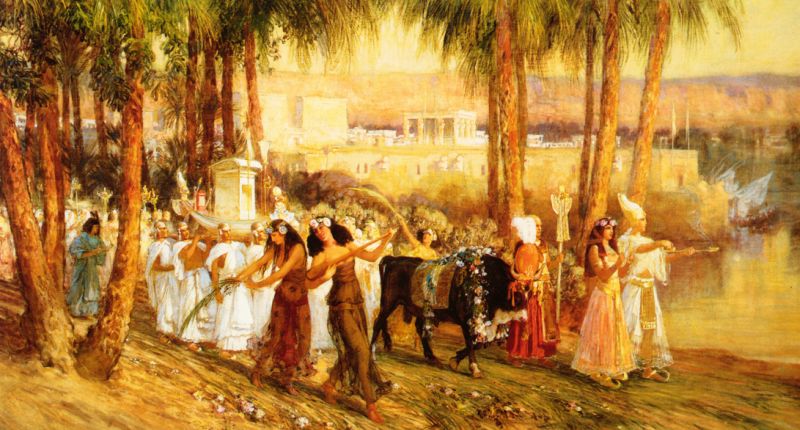
People have argued about where the word carnival comes from. One common account traces it to Late Latin carne levare, to remove meat, and a folk reading turns it into carne vale, a farewell to meat. Either way the name points at the fast that follows. Since carne can also mean flesh, some celebrants have understood it as a goodbye to the flesh and used that to explain the season's freedom. Other scholars propose carnualia, a country feast built around meat, or the Navigium Isidis, when the image of Isis was carried to the shore to bless the sailing season and masked marchers followed an adorned wooden boat called the carrus navalis. That boat may lie behind both the name and the idea of parade floats.
Older festival roots
Long before the medieval church gave the season its shape, European peoples held festivals of release. The Greek Anthesteria and the Roman Saturnalia are often named as its ancestors: occasions when rank and ordinary rules were set aside and joking, misrule and excess took over. Anthropologists call Carnival a reversal ritual, a time when social roles turn about and normal standards of behaviour are lifted. In antiquity winter was imagined as a season belonging to winter spirits that had to be driven off before summer could return. Read that way, the festival is a crossing from dark into light and from winter into spring, a fertility rite and the first spring celebration of the year.
The church and the fast
Carnival settled into the calendar between Epiphany and the eve of Lent, reaching its height before midnight on Shrove Tuesday. The historian John Bossy held that its practices were Christian in character and medieval in origin, with no evidence of them much before 1200. The six weeks before Easter were given to fasting, study and penitence, so the days before them became a last spell of feasting while meat was still plentiful. A thirteenth century French poem, The Fight Between Carnival and Lent, set the two as allegorical opponents. On Shrove Tuesday many Lutherans, Anglicans and Roman Catholics examine themselves and consider what they will give up for Lent.
Customs of the season
Customs differ from place to place. Parades and street parties are common, often with masks and costumes, and some borrow a little from the circus. On the last day many people eat pancakes, doughnuts and other sweets, and households use up the meat, butter, milk and lard left over from winter so that nothing spoils. Some families carry Shrovetide rods and eat Shrovetide buns after church. Others keep a basket in the church entrance for the palm branches blessed on the previous Palm Sunday; these are burnt on Shrove Tuesday and the ashes are used the next day, Ash Wednesday.
How Carnival is kept
The season is public. Towns and neighbourhoods put on parades, street parties and other entertainments, and participants wear costumes and masks, which change how a person appears for a few days. Eating and drinking are part of it: rich food is finished off before the fast, and pancakes, doughnuts and other sweets are eaten on the final day. In church, some Christians confess and reflect on what to give up for Lent; some carry Shrovetide rods or eat Shrovetide buns after the service; palms from the year before are burnt to make Ash Wednesday ashes.
When and where
Carnival belongs to the days just before Lent. It opens on Shrove Sunday, also called Quinquagesima, continues through Shrove Monday and closes on Shrove Tuesday, or Mardi Gras, the night before Ash Wednesday. Because Easter moves each year, the dates change. In German-speaking Europe and the Netherlands the season is opened earlier, on 11 November, often at 11:11 in the morning.
Carnival is kept wherever Christian communities follow the calendar that leads into Lent, and it is strongest in places with a large Catholic population. The name Carnival is usual in those areas and in Greece. Lutheran countries call the season Fastelavn, Anglican, Methodist and other Protestant regions call it Shrovetide, and Orthodox Slavs keep Maslenitsa in the week before Great Lent.
What Carnival means
For those who keep it, Carnival is a hinge between two moods. The weeks of feasting and misrule are followed by the discipline of Lent, and each is understood through the other. Masks and costumes allow a break from the ordinary self, and the whole crowd shares one mood for a few days. Older readings treat the festival as a turning from winter to spring, a leaving behind of darkness, and a renewal of order once the revelry ends.



Days Carnival is marked
Questions people ask about Carnival
When is Carnival marked?
Carnival is kept as part of Shrove Tuesday and Mardi Gras, which is on Tuesday, 9 February 2027.
What is Carnival?
It is the festive season that comes before Lent in the Christian year. It runs from Shrove Sunday through Shrove Monday to Shrove Tuesday, also called Mardi Gras, and is kept with parades, parties, masks, costumes and rich food before six weeks of fasting.
Where is it kept?
In Christian countries that keep the calendar leading into Lent, and most strongly where Catholic communities are large. The name Carnival is also used in Greece. Lutheran areas call the season Fastelavn, many Protestant churches call it Shrovetide, and Orthodox Slavs keep Maslenitsa before Great Lent.
Why are pancakes and doughnuts eaten then?
Partly for practical reasons. Winter stores of meat, butter, milk and lard would soon go bad, and everything had to be eaten before the fast began. Pancakes and doughnuts use up eggs, butter and fat. Rich food is also enjoyed freely, since it is cut back or given up during Lent.
What comes after Carnival?
Lent begins on Ash Wednesday and runs for six weeks to Easter. It is given to fasting, study and penitence. Many people give up something they enjoy and give the money they save to the poor as alms. Churches burn palm branches kept from the previous Palm Sunday to make the ashes for that first day.
See also
 HalloweenAn annual observance on 31 October marking the eve of All Saints' Day, rooted in Christian tradition and Celtic heritage
 Christmas EveThe evening before Christmas, marked by church services, family meals, and gift preparations across Christian cultures.
 Rio CarnivalFive days of samba parades, costumes and street parties in Rio, ending at Lent
 April Fools' DayAn annual day of lighthearted pranks, hoaxes and teasing kept on the first of April
Good reading and sources
- Encyclopaedia BritannicaArticle
- Reviving Carnival in IstanbulThe New York Times, Article
- Reviving Carnival in IstanbulThe New York Times, Article
- Carnival on WikipediaEncyclopedia
- More photos on Wikimedia CommonsPhotos and video
- Wikidata recordOpen data
The facts on this page come from the Wikipedia article "Carnival", written by its contributors and used under the CC BY-SA 4.0 licence, and from its Wikidata record (CC0). EveryParampara rewrote the text in its own words, with AI assistance, and compares every page with the article to make sure no passage is copied. It may be reused under the same CC BY-SA 4.0 licence with a link back.
It may contain mistakes. Traditions differ from one family, village and community to the next, and the people who keep them know them best. If something is wrong, tell us. Last refreshed 2026-10-05.
More from Italy
All the traditions of Italy 🇸🇪 Sweden and 3 moreAdventadventus
A four-week Christian season of waiting and preparation for Christmas and the Second Coming.Festival
🇬🇧 United Kingdom and 5 moreApril Fools' Day
An annual day of lighthearted pranks, hoaxes and teasing kept on the first of AprilFestival
🇸🇪 Sweden and 3 moreAdventadventus
A four-week Christian season of waiting and preparation for Christmas and the Second Coming.Festival
🇬🇧 United Kingdom and 5 moreApril Fools' Day
An annual day of lighthearted pranks, hoaxes and teasing kept on the first of AprilFestival
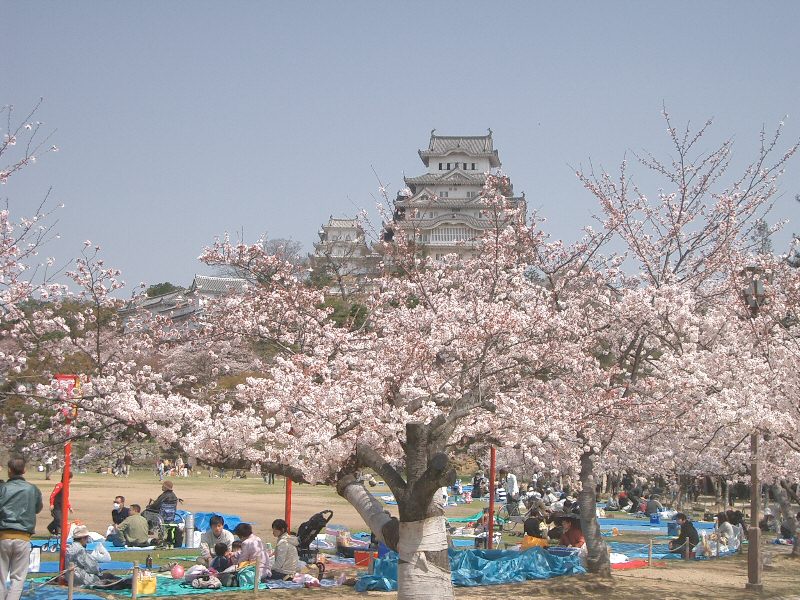 🇯🇵 Kyoto, Japan and 4 moreHanami花見
A Japanese spring custom of gathering under blooming cherry trees to eat, drink, and celebrate the fleeting beauty of thFestival · Lunch
🇯🇵 Kyoto, Japan and 4 moreHanami花見
A Japanese spring custom of gathering under blooming cherry trees to eat, drink, and celebrate the fleeting beauty of thFestival · Lunch
 🇺🇸 New Orleans, United States and 5 moreMardi Gras
A festive day of parades and rich foods marking the final celebration before the Christian fasting season of Lent beginsFestival
🇺🇸 New Orleans, United States and 5 moreMardi Gras
A festive day of parades and rich foods marking the final celebration before the Christian fasting season of Lent beginsFestival
The same idea elsewhere
Fasting and feasting compared 🇺🇸 United States and 1 moreSaint Patrick's Day in the United States
An annual celebration of Irish heritage across America with parades, feasts and green dyeFestival · Dinner
🇺🇸 United States and 1 moreSaint Patrick's Day in the United States
An annual celebration of Irish heritage across America with parades, feasts and green dyeFestival · Dinner
 🇮🇳 Ayodhya, India and 5 moreRama Navamiराम नवमी
A Hindu spring festival marking the birth of Rama with prayer, fasting and processionsFestival
🇮🇳 Ayodhya, India and 5 moreRama Navamiराम नवमी
A Hindu spring festival marking the birth of Rama with prayer, fasting and processionsFestival
 🇨🇴 Barranquilla, ColombiaBarranquilla CarnivalCarnaval de Barranquilla
A four-day street festival of music, masquerade and dance in coastal ColombiaFestival
🇨🇴 Barranquilla, ColombiaBarranquilla CarnivalCarnaval de Barranquilla
A four-day street festival of music, masquerade and dance in coastal ColombiaFestival
 🇮🇳 IndiaMahavir Janma Kalyanak
A Jain festival of temple worship, street processions and acts of charitySpiritual
🇮🇳 IndiaMahavir Janma Kalyanak
A Jain festival of temple worship, street processions and acts of charitySpiritual