Festivals and celebrationsLatin America and the CaribbeanChristian
Dominican Carnival
A February street festival of masks, music and parades across the Dominican Republic.

The Dominican Carnival is a national celebration held every February in cities and towns throughout the Dominican Republic. It features elaborate costumes, traditional masks, and parades set to merengue and bachata music. The event blends European carnival traditions with local history and independence day festivities.
When is Dominican Carnival kept?
Dominican Carnival is kept every year in February, peaking on February 27.
The Dominican Carnival is a lively street festival celebrated across the Dominican Republic each February. It combines historical European carnival traditions with local cultural expressions and national pride. Residents and visitors gather in main streets to watch parades featuring colorful costumes, masks, and music.
Origins and history
Spanish settlers introduced carnival culture to the island in the early sixteenth century. Early celebrations mixed Christian and pagan elements, with residents dressing as Moors and Christians. Evidence from La Vega Vieja suggests the tradition dates back to 1510. Over time, the event evolved into a major colonial celebration. After independence from Haiti in 1844, the carnival merged with national holiday observances, expanding its scale and significance.
Characters and symbols
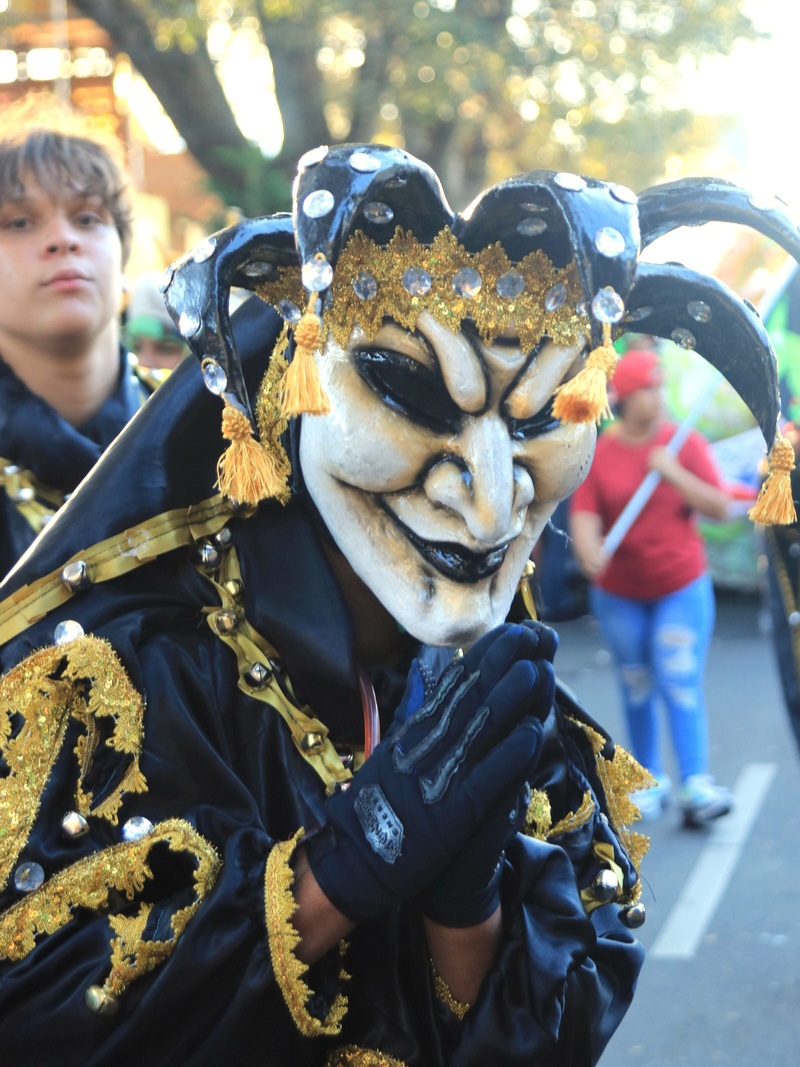
The Diablo Cojuelo, or Limping Devil, is the central figure. He wears a satanic suit and mask, carrying a vejiga, an air-filled animal bladder used to playfully strike others. Other characters include Roba la Gallina, who carries candy for crowds, and Los Indios, representing Taino heritage. In San Pedro de Macorís, Guloyas dance in vibrant groups while being chased by Diablos Cojuelos.
How it is kept
Celebrations occur throughout February, with parades held weekly on Sundays. Santiago hosts an indoor gala, while other events take place outdoors. Santo Domingo features military displays alongside civilian parades. Communities across the island add unique twists to the festivities. Music such as merengue and bachata accompanies the processions, creating a festive atmosphere in town squares and main streets.
Modern meaning
The carnival has shifted away from strict Lenten timing to align with national holidays. It now serves as a key expression of Dominican identity and unity. The blend of historical reenactment and contemporary performance allows communities to honor their past while celebrating their present. It remains one of the most significant cultural events in the country.
How Dominican Carnival is kept
Parades fill the main streets of towns and cities throughout February. Participants wear elaborate masks and costumes representing figures like the Diablo Cojuelo and Roba la Gallina. Merengue and bachata music drives the rhythm of the event. In Santiago, an indoor gala opens the season. Santo Domingo includes military displays. People use vejigas to playfully hit others during the festivities.
When and where
Held annually in February, with parades on Sundays. It peaks on February 27, Dominican Independence Day.
Throughout the Dominican Republic, with major events in Santo Domingo, La Vega, Santiago, and San Pedro de Macorís.
What Dominican Carnival means
The carnival reflects a blend of European and local traditions. Characters like the Diablo Cojuelo symbolize resistance and historical narratives. The event unites communities in celebration of national identity and cultural heritage.



Questions people ask about Dominican Carnival
When is Dominican Carnival kept?
Dominican Carnival is kept every year in February, peaking on February 27.
What is the Dominican Carnival?
It is a national street festival held in February across the Dominican Republic, featuring parades, masks, and music.
Where is it celebrated?
It is celebrated nationwide, with notable events in Santo Domingo, La Vega, Santiago, and San Pedro de Macorís.
What are the main characters?
Key figures include the Diablo Cojuelo, Roba la Gallina, Los Indios, and Guloyas, each with distinct costumes and roles.
See also
 MerengueA fast-paced folk dance and music tradition born in the Dominican Republic
 ChristmasA festival of Jesus's birth, kept on 25 December with gifts, lights and shared meals
 HalloweenAn annual observance on 31 October marking the eve of All Saints' Day, rooted in Christian tradition and Celtic heritage
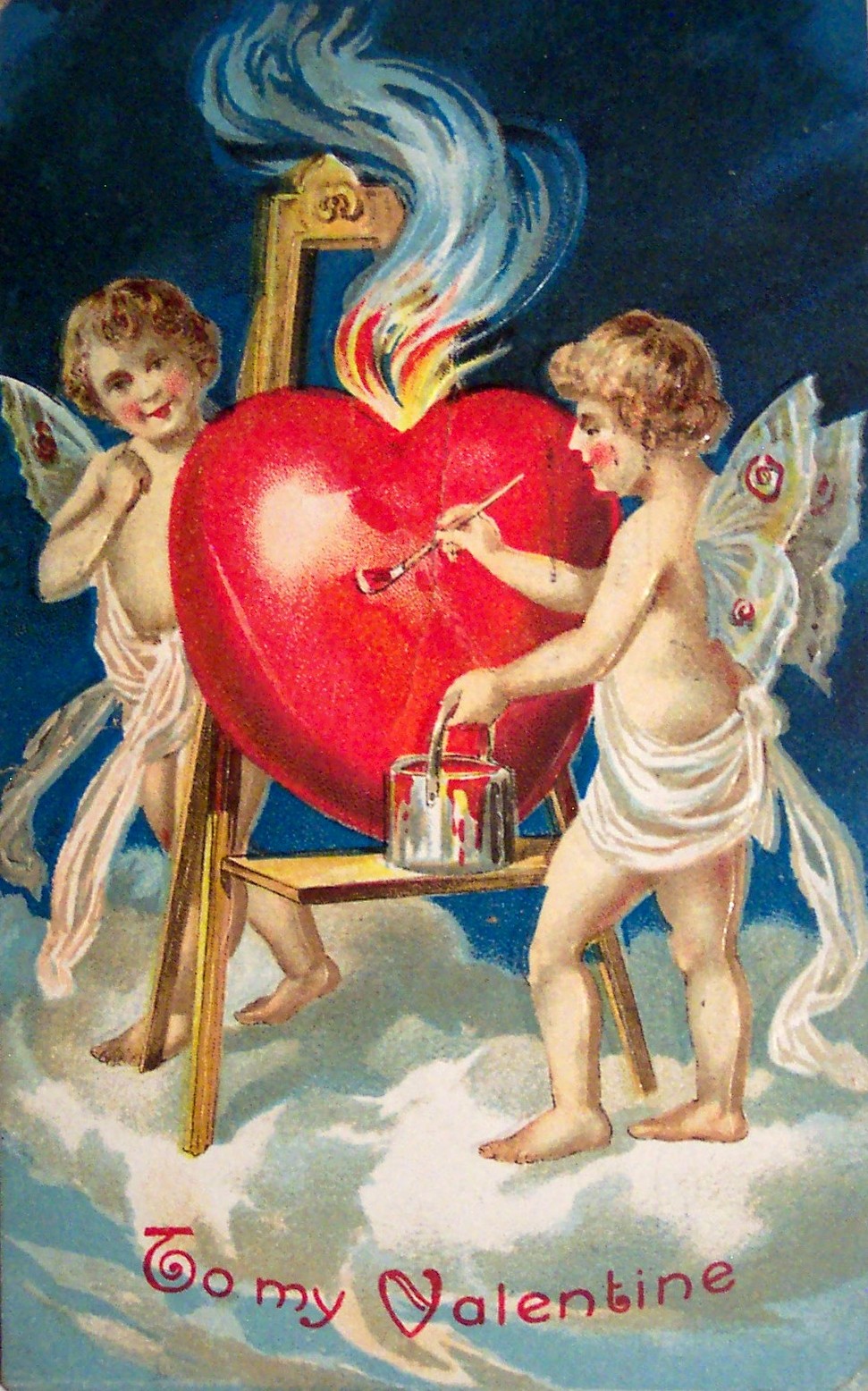 Valentine's DayA Christian feast day and cultural celebration of love kept on February 14 in many countries.
Good reading and sources
- Carnival in the Dominican Republic on WikipediaEncyclopedia
- More photos on Wikimedia CommonsPhotos and video
- Wikidata recordOpen data
The facts on this page come from the Wikipedia article "Carnival in the Dominican Republic", written by its contributors and used under the CC BY-SA 4.0 licence, and from its Wikidata record (CC0). EveryParampara rewrote the text in its own words, with AI assistance, and compares every page with the article to make sure no passage is copied. It may be reused under the same CC BY-SA 4.0 licence with a link back.
It may contain mistakes. Traditions differ from one family, village and community to the next, and the people who keep them know them best. If something is wrong, tell us. Last refreshed 2026-10-04.
More from the Dominican Republic
All the traditions of the Dominican Republic
🇩🇴 Santiago, Dominican Republic and 3 moreMerengue
A fast-paced folk dance and music tradition born in the Dominican RepublicPerformance
 🇵🇷 Puerto Rico and 1 moreParranda
A Puerto Rican Christmas custom of night-time visits with songs, food and drinkPerformance · Supper
🇪🇸 Spain and 5 moreCabañuelasLas cabañuelas
A traditional weather forecasting method using the first thirty-one days of January to predict the rest of the year.Folklore
🇵🇷 Puerto Rico and 1 moreParranda
A Puerto Rican Christmas custom of night-time visits with songs, food and drinkPerformance · Supper
🇪🇸 Spain and 5 moreCabañuelasLas cabañuelas
A traditional weather forecasting method using the first thirty-one days of January to predict the rest of the year.Folklore
The same idea elsewhere
All of this kind
🇮🇹 Rome, Italy and 4 moreChristmas
A festival of Jesus's birth, kept on 25 December with gifts, lights and shared mealsFestival
🇮🇪 Ireland and 5 moreHalloween
An annual observance on 31 October marking the eve of All Saints' Day, rooted in Christian tradition and Celtic heritageFestival · Sweets given and shared
🇮🇹 Rome, Italy and 4 moreValentine's Day
A Christian feast day and cultural celebration of love kept on February 14 in many countries.Festival
 🇹🇷 Turkey and 5 moreEid al-Fitrعيد الفطر
The feast that ends Ramadan, opened with morning prayers, sweets and visits homeFestival · Feasts and festival meals
🇹🇷 Turkey and 5 moreEid al-Fitrعيد الفطر
The feast that ends Ramadan, opened with morning prayers, sweets and visits homeFestival · Feasts and festival meals