Music, dance and storytellingLatin America and the CaribbeanSecular and civic
Merengue
A fast-paced folk dance and music tradition born in the Dominican Republic

Dominican merengue is an energetic music and dance style created in the rural Cibao valley during the nineteenth century. Rooted in a trio of accordion, metal scraper, and two-headed drum, it brings partners together on the dance floor across Latin America and diaspora cities.
When is Merengue kept?
Merengue is kept on year-round at social gatherings and celebrations.
Merengue is the national music and partner dance of the Dominican Republic, celebrated for its brisk two-four beat and festive character. Born in the nineteenth-century countryside, it blends European, African, and Indigenous elements into a lively social tradition. Dominicans dance merengue at festivals, family gatherings, and clubs, moving in close pairs to the quick pulse of the drum, scraper, and accordion.
Instruments and their meaning
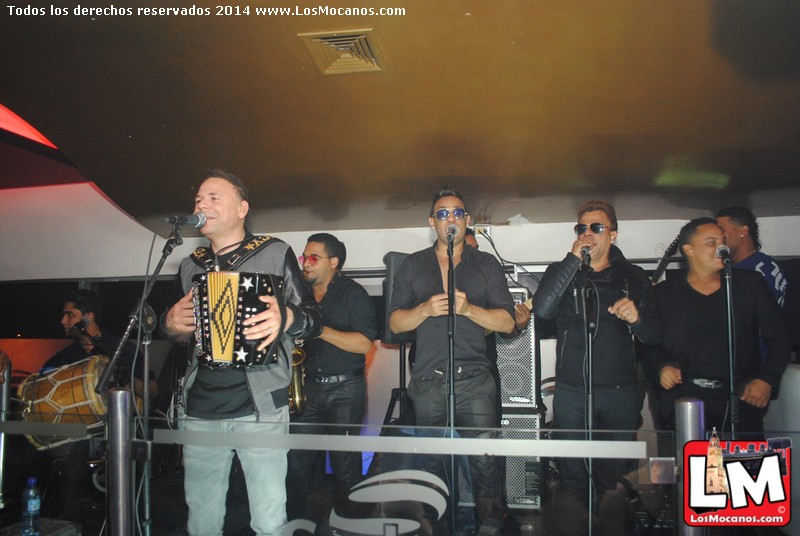
A standard traditional ensemble relies on three central instruments: the accordion, the tambora, and the güira. The güira is a textured metal cylinder scraped with a stiff brush, rooted in Taíno traditions. The tambora is a double-headed drum of African origin, played on one side with a bare hand and on the other with a stick. The diatonic accordion, brought by German merchants during the late nineteenth century, replaced earlier string instruments like guitars and bandurrias. Together, these three instruments represent the meeting of Indigenous, African, and European cultures in Dominican life.
Rhythm and song structure
Merengue is played at a brisk two-four tempo driven by distinct drum and percussion patterns. Its traditional signature rhythm is the quintillo, a syncopated sequence marked by five alternating strikes between the drummer's hand and stick. Classic songs are built in two distinct parts. The opening section presents the vocal melody and narrative verses at a steady pace. The second section, known as the mambo, accelerates the energy with rapid instrumental improvisation, where saxophones and accordions trade repeating riffs to keep dancers moving on the floor.
From rural valley to ballroom
Merengue emerged in the rural northern Cibao valley around Santiago during the middle of the nineteenth century. Early newspaper reports described it as a controversial country dance displacing older styles. Over time, prominent composers like Francisco Ñico Lora popularized the accordion and wrote thousands of topical songs recording historical events. By the mid-twentieth century, the genre gained nationwide backing and formal ballroom arrangements. It developed into a prominent national symbol, eventually travelling with migrating communities to major cities across Latin America and the United States.
Modern forms and styles
Today, Dominican merengue flourishes across several styles. Merengue típico, also called perico ripiao, preserves the acoustic folk sound while incorporating newer elements like saxophones, bass guitars, and foot-pedal bass drums. In urban centres, large big-band orchestras adapt the style with brass sections and pianos. Younger musicians continue to reinvent the sound, combining traditional accordion lines with modern urban beats and rap vocals. Across these different formats, the genre maintains its position at social gatherings and concert stages.
How Merengue is kept
Dancers partner up facing one another to move to a brisk two-four tempo. Musicians drive the rhythm using an accordion, a tambora drum played with one palm and one stick, and a güira scraper. A typical piece opens with a lyrical melody before shifting into an improvisational second half. In this lively section, instrumentalists play rapid rhythmic calls, prompting dancers to step quickly, turn, and match the syncopated drum hits across the dance floor.
When and where
Merengue is not tied to a single calendar date. It is performed throughout the year at private parties, public festivals, weekend social dances, and community celebrations.
Originating in the northern Cibao valley around Santiago, merengue is played across the Dominican Republic. It has also taken root in Venezuela, the coastal city of Guayaquil in Ecuador, and North American cities like New York.
What Merengue means
The core trio of instruments represents the cultural roots of the Dominican Republic: the güira scraper reflects aboriginal Taíno origins, the tambora drum represents African ancestry, and the diatonic accordion represents European influence. Together, they express shared Dominican identity and history.



Questions people ask about Merengue
When is Merengue kept?
Merengue is kept on year-round at social gatherings and celebrations.
What is merengue?
Merengue is a fast-paced musical genre and social partner dance created in the Dominican Republic during the nineteenth century, recognized worldwide for its upbeat tempo and syncopated drumming.
What instruments make up a traditional ensemble?
A classic trio uses a diatonic accordion, a double-headed drum called a tambora, and a metal scraper known as a güira. Modern ensembles may also include a saxophone and bass guitar.
Where did merengue originate?
It began in the rural Cibao valley in northern Dominican Republic, particularly the countryside around Santiago, before spreading nationwide and across Latin America and diaspora cities like New York.
What does the music symbolize?
Its primary instruments represent the three roots of Dominican culture: the güira for Indigenous Taíno heritage, the tambora drum for African roots, and the accordion for European influence.
See also
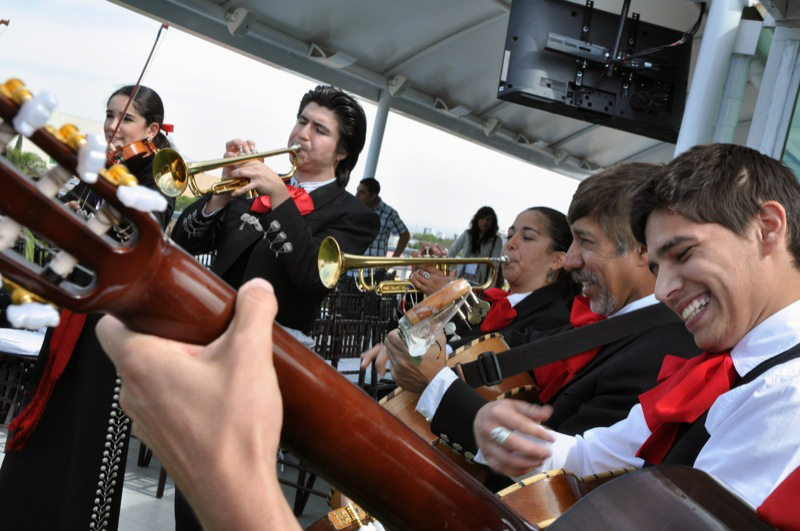 MariachiA Mexican string and trumpet music tradition featuring charro attire and communal singing.
 Latvian Song and Dance FestivalA grand gathering of choirs, dancers and folk artists held every five years in Latvia
 DiabladaAn Andean masked dance depicting a battle between devils and the Archangel Michael
 ChristmasA festival of Jesus's birth, kept on 25 December with gifts, lights and shared meals
Good reading and sources
- Music and dance of the merengue in the Dominican RepublicUNESCO, Heritage listing
- Music and dance of the merengue in the Dominican RepublicUNESCO, Article
- Merengue music on WikipediaEncyclopedia
- More photos on Wikimedia CommonsPhotos and video
- Wikidata recordOpen data
The facts on this page come from the Wikipedia article "Merengue music", written by its contributors and used under the CC BY-SA 4.0 licence, and from its Wikidata record (CC0). EveryParampara rewrote the text in its own words, with AI assistance, and compares every page with the article to make sure no passage is copied. It may be reused under the same CC BY-SA 4.0 licence with a link back.
It may contain mistakes. Traditions differ from one family, village and community to the next, and the people who keep them know them best. If something is wrong, tell us. Last refreshed 2026-10-04.
More from the Dominican Republic
All the traditions of the Dominican Republic 🇵🇷 Puerto Rico and 1 moreParranda
A Puerto Rican Christmas custom of night-time visits with songs, food and drinkPerformance · Supper
🇵🇷 Puerto Rico and 1 moreParranda
A Puerto Rican Christmas custom of night-time visits with songs, food and drinkPerformance · Supper
 🇩🇴 Santo Domingo, Dominican RepublicDominican Carnival
A February street festival of masks, music and parades across the Dominican Republic.Festival
🇪🇸 Spain and 5 moreCabañuelasLas cabañuelas
A traditional weather forecasting method using the first thirty-one days of January to predict the rest of the year.Folklore
🇩🇴 Santo Domingo, Dominican RepublicDominican Carnival
A February street festival of masks, music and parades across the Dominican Republic.Festival
🇪🇸 Spain and 5 moreCabañuelasLas cabañuelas
A traditional weather forecasting method using the first thirty-one days of January to predict the rest of the year.Folklore
The same idea elsewhere
All of this kind 🇹🇷 Kayseri, Turkey and 4 moreHalay
A traditional line and circle folk dance kept across Turkey, Azerbaijan, Armenia, Iran, and Syria.Performance
🇹🇷 Kayseri, Turkey and 4 moreHalay
A traditional line and circle folk dance kept across Turkey, Azerbaijan, Armenia, Iran, and Syria.Performance
 🇳🇿 Auckland, New ZealandPoi
A Māori performing art of swinging tethered weights in rhythmical patterns.Performance
🇳🇿 Auckland, New ZealandPoi
A Māori performing art of swinging tethered weights in rhythmical patterns.Performance
 🇺🇦 Kyiv, UkraineBanduraБандура
A Ukrainian plucked string instrument played to accompany epic songs and folk balladsPerformance
🇺🇦 Kyiv, UkraineBanduraБандура
A Ukrainian plucked string instrument played to accompany epic songs and folk balladsPerformance
 🇵🇭 Philippines and 1 morePangalay
A traditional fingernail dance of the Tausūg and Bajau peoples in the Sulu Archipelago and Sabah.Performance
🇵🇭 Philippines and 1 morePangalay
A traditional fingernail dance of the Tausūg and Bajau peoples in the Sulu Archipelago and Sabah.Performance