Festivals and celebrationsLatin America and the CaribbeanChristianSecular and civic
Carnival of Santiago de Cuba
In its own language: Carnaval
A summer street celebration of percussion troupes, dancing, and parades in eastern Cuba

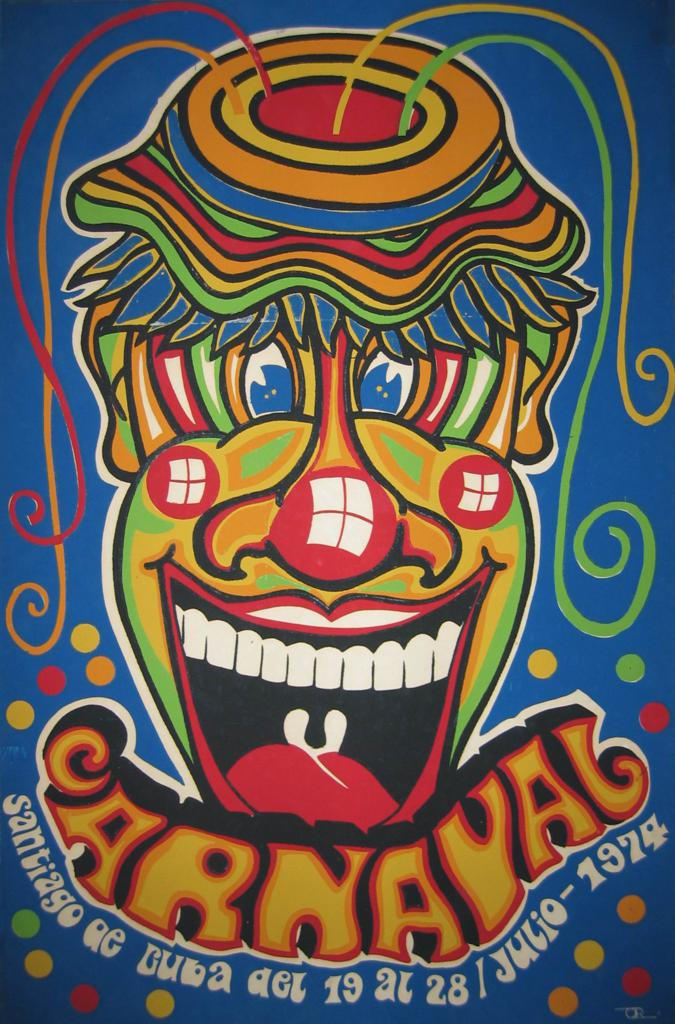
The Carnival of Santiago de Cuba is a major summer celebration in eastern Cuba that grew out of early street festivals known as mamarrachos. Local neighborhood troupes fill the streets with costumed dances, biting songs, and driving percussion during July parades.
When is Carnival of Santiago de Cuba kept?
Carnival of Santiago de Cuba is kept on annually in summer, across dates in June and July.
The Carnival of Santiago de Cuba is an open-air summer festival held in the city of Santiago de Cuba. Rather than taking place before Lent like traditional Catholic carnivals, it developed from festive summer gatherings dating back to colonial times. The celebration brings communities together through costumed street troupes, intense drum-led parades, satirical songs, and shared social merriment across neighborhood streets.
Origins and development
Public summer revels in Santiago de Cuba were documented as early as 1679, though the term mamarrachos appeared in print by 1757. While European settlers introduced pre-Lenten masquerades, this eastern Cuban festival evolved along a separate path tied to midsummer calendar days. Historians suggest it grew either by extending Spanish festival customs or from religious processions honouring Saint James, the city's patron. Over generations, the gathering reflected the complex social negotiations of colonial Cuba, blending Spanish musical heritage with deep African musical currents. Although colonial authorities repeatedly attempted to ban or regulate mask-wearing, satire, and street assemblies, the local festivities endured and gradually transformed into the island's most celebrated summer carnival.
Congas and paseos
Parading performance groups, known as comparsas, stand at the heart of the celebration. In the nineteenth century, these troupes divided into two distinct styles: paseos and congas. Paseos were elaborate and well-funded ensembles that featured carefully rehearsed choreographies, supported by brass bands, military musicians, or dance orchestras playing marches and danzones. In contrast, congas were organized by working-class residents with fewer material resources. Conga dancers moved in synchronized steps to intense percussion driven by wooden drums, small quintos, and struck metal pans. This resourcefulness produced the rhythmic pulse and distinctive street dance that became the signature sound of the modern festival.
Nineteenth-century customs
Nineteenth-century celebrations included masked balls, horse races, carriage parades, and spontaneous neighborhood performances. Vendors set up covered stalls called mesitas to sell refreshments, including rum, aguardiente, coffee, chocolate, beer, and hearty soups. Revelers also sang cantos de pullas, which were improvised mocking songs aimed at rival groups or local figures. On the final day, all the neighborhood troupes joined together for the montompolo, a massive closing parade that brought the summer festivities to an end. Earlier customs such as torchlit walks to church sanctuaries and open bonfires gradually disappeared by the end of the century as municipal leaders enacted stricter civic regulations.
Civic order and debate
Throughout the colonial period, governing officials struggled to control the unrestrained atmosphere of the summer masquerades. Decrees frequently prohibited weapons, fast-moving carriages, and indecent songs that mocked public figures. Racial restrictions were also imposed; for example, enslaved people and free Black residents faced strict bans on wearing masks to hide their identities. By the late nineteenth century, city leaders debated whether to abolish the celebrations entirely due to noise and public intoxication, or to reform them by setting designated parade routes and registering troupe members. Despite these tensions, the festival remained a vital arena where different social classes met and expressed community identity.
How Carnival of Santiago de Cuba is kept
Residents across Santiago de Cuba gather in the streets to watch and take part in lively neighborhood comparsas. Dancers in coordinated outfits follow the heavy rhythm of metal pans and hand drums, moving along city thoroughfares in conga lines. Elaborately dressed groups present formal choreographed routines accompanied by brass and wind orchestras. Spectators purchase food and drinks from street stalls, while musical groups exchange satirical improvised verses. The festivities culminate in a massive combined parade where all marching ensembles join for a final public display.
When and where
The festival takes place during the summer months, primarily across key days in late June and late July. Historically, these coincided with saints' days dedicated to figures like Saint John, Saint Peter, and the city's patron, Saint James the Apostle.
The celebration is centred in Santiago de Cuba, a historic port city in eastern Cuba. Performances and parades fill public avenues, northern district streets, and local neighborhood plazas throughout the urban area.
What Carnival of Santiago de Cuba means
Rather than serving a strict church liturgy, the carnival represents popular jubilation and community expression. It provides a platform where everyday citizens assert their cultural presence through rhythm, satire, and collective movement. The interplay between congas and paseos reflects the diverse social strands and historical negotiations between African and Hispanic heritages in Cuban society.
On the table
- rum
- aguardiente
- fruit juice
- chocolate
- soup
- beer
- coffee


Questions people ask about Carnival of Santiago de Cuba
When is Carnival of Santiago de Cuba kept?
Carnival of Santiago de Cuba is kept on annually in summer, across dates in June and July.
What is the Carnival of Santiago de Cuba?
It is a celebrated summer street festival in eastern Cuba featuring music, dancing, and masquerades. It evolved from older colonial summer celebrations known as mamarrachos and is distinguished by dynamic neighborhood percussion troupes and organized parades.
How is it different from traditional Catholic carnivals?
While most Catholic carnivals take place in February or March before Lent, the Santiago celebration happens in midsummer. Its dates developed around summer saints' days and local civic traditions rather than the pre-Lenten fasting calendar.
What are congas and paseos?
They are the two historic styles of street troupes, or comparsas. Paseos feature choreographed dancers accompanied by brass orchestras, while congas are community-driven groups powered by driving drum percussion, struck metal pans, and rhythmic group steps.
See also
 Christmas EveThe evening before Christmas, marked by church services, family meals, and gift preparations across Christian cultures.
 Sango FestivalAn annual Yoruba gathering in Nigeria honoring the deity of thunder and lightning
 Good FridayA solemn Christian holy day commemorating the crucifixion and death of Jesus Christ.
Good reading and sources
- Carnival of Santiago de Cuba on WikipediaEncyclopedia
- More photos on Wikimedia CommonsPhotos and video
- Wikidata recordOpen data
The facts on this page come from the Wikipedia article "Carnival of Santiago de Cuba", written by its contributors and used under the CC BY-SA 4.0 licence, and from its Wikidata record (CC0). EveryParampara rewrote the text in its own words, with AI assistance, and compares every page with the article to make sure no passage is copied. It may be reused under the same CC BY-SA 4.0 licence with a link back.
It may contain mistakes. Traditions differ from one family, village and community to the next, and the people who keep them know them best. If something is wrong, tell us. Last refreshed 2026-10-04.
More from Cuba
All the traditions of Cuba
🇵🇱 Poland and 5 moreChristmas Eve
The evening before Christmas, marked by church services, family meals, and gift preparations across Christian cultures.Festival · Dinner
🇳🇬 Oyo, Nigeria and 3 moreSango Festival
An annual Yoruba gathering in Nigeria honoring the deity of thunder and lightningFestival · Feasts and festival meals
 🇨🇺 Remedios, CubaParrandas
Central Cuban street festivals featuring district rumba music, floats and fireworksFestival
🇨🇺 Remedios, CubaParrandas
Central Cuban street festivals featuring district rumba music, floats and fireworksFestival
 🇪🇸 Madrid, Spain and 5 moreTwelve GrapesLas doce uvas de la suerte
A grape for every chime at midnight on 31 December, welcoming the new yearFestival · Tea-time and snacking customs
🇪🇸 Madrid, Spain and 5 moreTwelve GrapesLas doce uvas de la suerte
A grape for every chime at midnight on 31 December, welcoming the new yearFestival · Tea-time and snacking customs
The same idea elsewhere
All of this kind 🇮🇹 Rome, Italy and 4 moreChristmas
A festival of Jesus's birth, kept on 25 December with gifts, lights and shared mealsFestival
🇮🇹 Rome, Italy and 4 moreChristmas
A festival of Jesus's birth, kept on 25 December with gifts, lights and shared mealsFestival
 🇮🇪 Ireland and 5 moreHalloween
An annual observance on 31 October marking the eve of All Saints' Day, rooted in Christian tradition and Celtic heritageFestival · Sweets given and shared
🇮🇪 Ireland and 5 moreHalloween
An annual observance on 31 October marking the eve of All Saints' Day, rooted in Christian tradition and Celtic heritageFestival · Sweets given and shared
 🇮🇹 Rome, Italy and 4 moreValentine's Day
A Christian feast day and cultural celebration of love kept on February 14 in many countries.Festival
🇮🇹 Rome, Italy and 4 moreValentine's Day
A Christian feast day and cultural celebration of love kept on February 14 in many countries.Festival
 🇹🇷 Turkey and 5 moreEid al-Fitrعيد الفطر
The feast that ends Ramadan, opened with morning prayers, sweets and visits homeFestival · Feasts and festival meals
🇹🇷 Turkey and 5 moreEid al-Fitrعيد الفطر
The feast that ends Ramadan, opened with morning prayers, sweets and visits homeFestival · Feasts and festival meals