Festivals and celebrationsSouth AsiaIndigenous and traditional
Chilam Joshi
A spring festival of music, dance, and prayers celebrated by the Kalash people

Chilam Joshi is a four-day spring festival held each May by the Kalash community in Khyber Pakhtunkhwa, Pakistan. People gather across the Kalasha Valleys to pray for their livestock, wear new clothes, sing, dance, and celebrate romantic matches.
When is Chilam Joshi kept?
Chilam Joshi is kept on annually from 13 to 16 May.
Chilam Joshi is a mid-May festival celebrated by the Kalash people in Pakistan. Lasting three to four days, the gathering marks the arrival of spring across the Kalasha Valleys. Community members pray to their deity Goshidai for the protection and health of their herds. Alongside spiritual rites, people wear fresh garments, dance together, sing traditional songs, and announce prospective marriages.
Welcoming the spring
The festival begins in the middle of May, usually running from the 13th to the 16th. It signals the start of the warm season for the Kalash community. Across three high valleys, residents gather to welcome the spring through communal song and dance. Women traditionally dress in newly made clothes for the occasion. The shared dances bring together people of all ages, celebrating renewed life and marking the shift away from winter.
Prayers and courtships
Chilam Joshi serves sacred as well as social purposes. During the gathering, worshippers pray to the deity Goshidai, seeking safety and good health for their domestic livestock. Alongside these religious rites, the festival provides a customary setting for young adults to look for future marriage partners. As the festivities conclude, couples who have successfully found a partner announce their intended unions to the assembled community.
Valley life and visitors
The festivities unfold across the three Kalasha Valleys located in Khyber Pakhtunkhwa. Among these, Bumburet Valley receives the largest number of travelers, mainly because it is easier to reach. Over the years, the celebration has adapted in step with changes in Kalash culture. In addition to its local meaning, the gathering now functions as a way to share Kalash heritage with outside visitors, supporting the valley economy through tourism.
How Chilam Joshi is kept
Over three to four days in mid-May, the Kalash people gather across their valleys. Women wear new garments, and villagers participate in communal dances and musical performances. Families pray to the deity Goshidai for the health of their herds. During the festivities, singles look for future spouses, concluding the festival with public announcements of new couples.
When and where
The festival takes place every year in the middle of May, usually running across three to four days from 13 May to 16 May to welcome the spring season.
The festival is celebrated in the Kalasha Valleys of Khyber Pakhtunkhwa province in Pakistan, with Bumburet Valley receiving the most visitors due to its accessibility.
What Chilam Joshi means
For the Kalash community, the event represents the arrival of spring and the renewal of community ties. Prayers to the deity Goshidai express their deep reliance on healthy livestock, while songs, dances, and marriage announcements celebrate social vitality and future continuity.
Questions people ask about Chilam Joshi
When is Chilam Joshi kept?
Chilam Joshi is kept on annually from 13 to 16 May.
What is the Chilam Joshi Festival?
It is a spring festival celebrated by the Kalash people in Pakistan, featuring prayers for livestock, communal singing and dancing, new clothes, and courtship announcements.
Where does the festival take place?
It is held across the three Kalasha Valleys in the Khyber Pakhtunkhwa province of Pakistan. Bumburet Valley receives the largest number of outside guests because it is the most accessible.
Which deity do the Kalash pray to during Chilam Joshi?
During the festival rites, Kalash worshippers invoke their deity Goshidai. They ask the deity for blessing, protection, and good health for their domestic herds and livestock.
See also
 NowruzThe Iranian new year at the March equinox, kept with fire, greenery and picnics
 LohriA northern Indian midwinter festival of evening bonfires, folk songs and harvest foods
 HoliA spring festival of colours and bonfires that marks the end of winter and the triumph of good over evil.
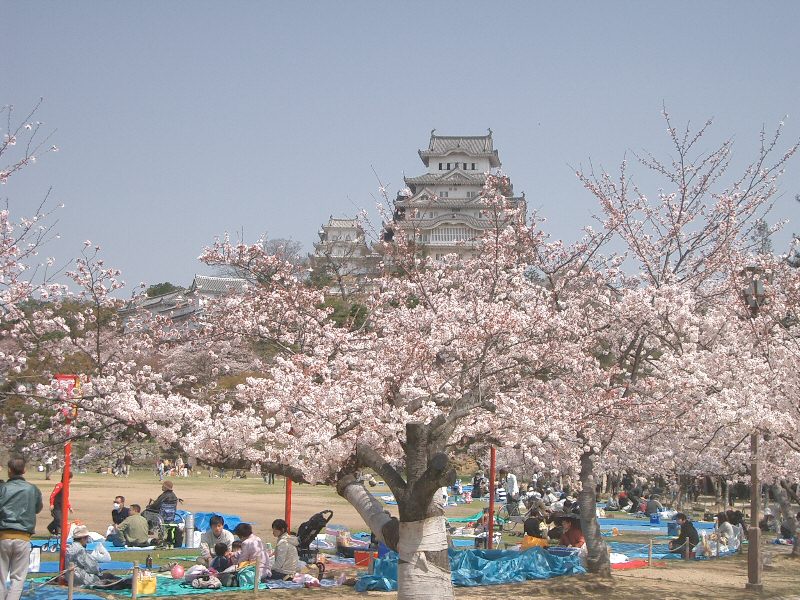 HanamiA Japanese spring custom of gathering under blooming cherry trees to eat, drink, and celebrate the fleeting beauty of th
Good reading and sources
- کافرستان میں چلم جوش تہوارBBC, Article
- The Kalash way of lifeDawn, Article
- کافرستان میں چلم جوش تہوارBBC, Article
- The Kalash way of lifeDawn, Article
- Chilam Joshi Festival on WikipediaEncyclopedia
- More photos on Wikimedia CommonsPhotos and video
- Wikidata recordOpen data
The facts on this page come from the Wikipedia article "Chilam Joshi Festival", written by its contributors and used under the CC BY-SA 4.0 licence, and from its Wikidata record (CC0). EveryParampara rewrote the text in its own words, with AI assistance, and compares every page with the article to make sure no passage is copied. It may be reused under the same CC BY-SA 4.0 licence with a link back.
It may contain mistakes. Traditions differ from one family, village and community to the next, and the people who keep them know them best. If something is wrong, tell us. Last refreshed 2026-10-04.
More from Pakistan
All the traditions of Pakistan
🇮🇳 Mathura, India and 5 moreHoliहोली (Hindi)
A spring festival of colours and bonfires that marks the end of winter and the triumph of good over evil.Festival
 🇵🇰 Lahore, Pakistan and 1 moreBasant
A Punjabi spring festival marked by rooftop kite flying, yellow clothing and fairsFestival · Sweets given and shared
🇵🇰 Lahore, Pakistan and 1 moreBasant
A Punjabi spring festival marked by rooftop kite flying, yellow clothing and fairsFestival · Sweets given and shared
 🇮🇳 India and 3 moreMaha Shivaratriमहाशिवरात्रि
A Hindu night of fasting and vigil dedicated to Shiva, marking his divine union with Parvati.Festival
🇮🇳 India and 3 moreMaha Shivaratriमहाशिवरात्रि
A Hindu night of fasting and vigil dedicated to Shiva, marking his divine union with Parvati.Festival
 🇮🇳 India and 4 moreRaksha Bandhan
A Hindu festival where sisters tie a protective thread on their brothers' wrists to mark their bond.Festival
🇮🇳 India and 4 moreRaksha Bandhan
A Hindu festival where sisters tie a protective thread on their brothers' wrists to mark their bond.Festival
The same idea elsewhere
Spring and renewal compared 🇬🇷 GreeceAnthesteriaἈνθεστήρια
An ancient Greek three-day spring festival of Dionysus, new wine, and the deadFestival
🇬🇷 GreeceAnthesteriaἈνθεστήρια
An ancient Greek three-day spring festival of Dionysus, new wine, and the deadFestival
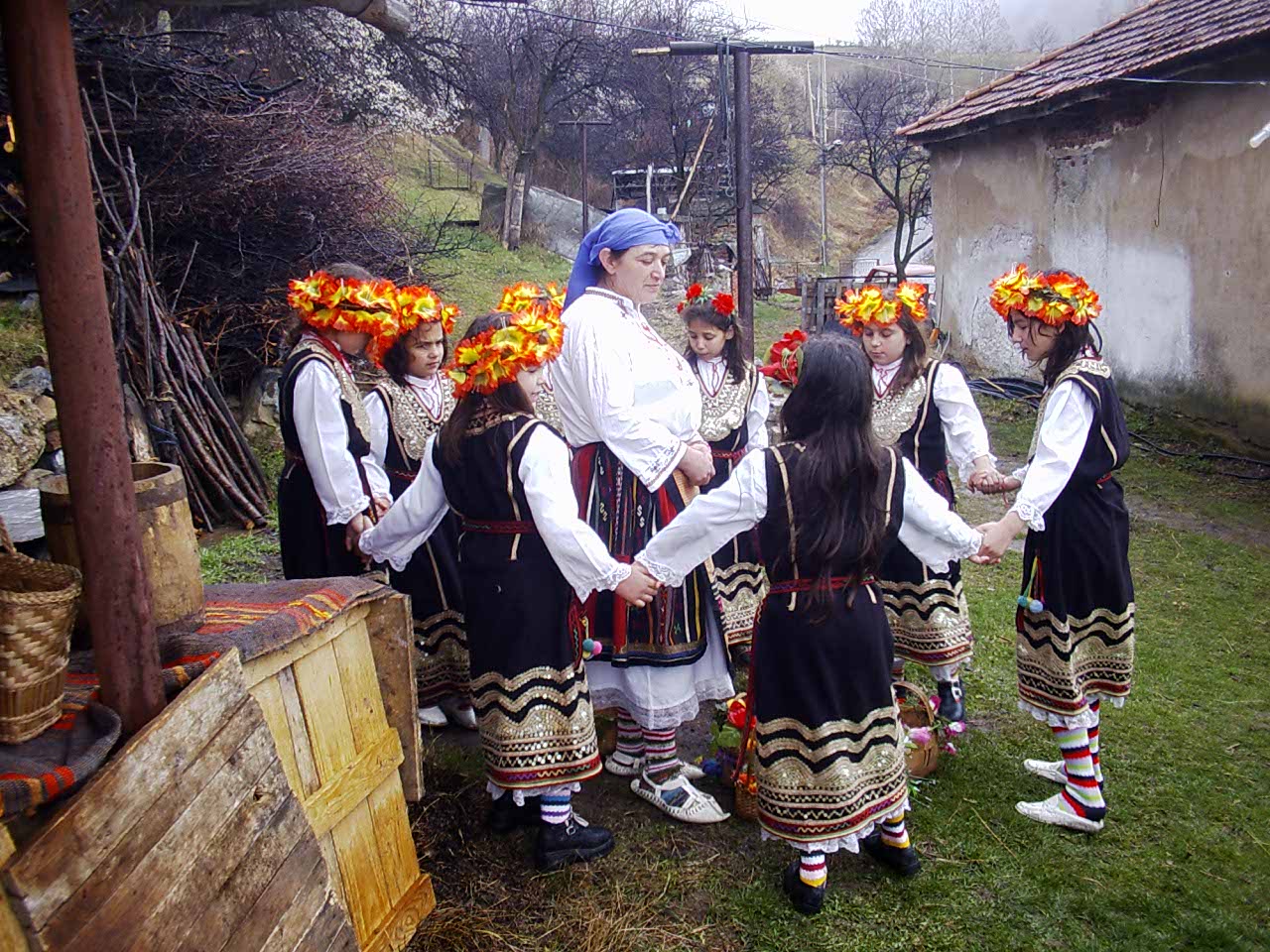 🇷🇸 Serbia and 3 moreLazariceлазарице
A spring procession of girls in flower wreaths, singing door to door before Palm SundaySpiritual
🇷🇸 Serbia and 3 moreLazariceлазарице
A spring procession of girls in flower wreaths, singing door to door before Palm SundaySpiritual
 🇮🇹 Rome, Italy and 4 moreValentine's Day
A Christian feast day and cultural celebration of love kept on February 14 in many countries.Festival
🇮🇹 Rome, Italy and 4 moreValentine's Day
A Christian feast day and cultural celebration of love kept on February 14 in many countries.Festival
 🇺🇸 United States and 5 moreMother's Day
A worldwide annual celebration dedicated to mothers, maternal bonds and family careHome
🇺🇸 United States and 5 moreMother's Day
A worldwide annual celebration dedicated to mothers, maternal bonds and family careHome