Festivals and celebrationsEast AsiaShinto, Taoist and folk Chinese
Chinese New Year's Eve
In its own language: chúxī
A reunion day for ethnic Chinese families before the Lunar New Year, marked by feasts, rituals, and staying up late.

Chinese New Year's Eve marks the final day of the lunar calendar before the new year arrives. Ethnic Chinese families across Asia and beyond gather for a grand reunion feast, perform ancestral rites, and stay awake together until dawn to welcome the coming year.
When is Chinese New Year's Eve kept?
Chinese New Year's Eve is kept on last day of the 12th traditional Chinese lunisolar month.
Chinese New Year's Eve marks the final day of the lunar calendar before the new year arrives. Ethnic Chinese families gather for a grand reunion feast, perform ancestral rites, and stay awake together until dawn to welcome the coming year. Customs include burning bamboo, pasting door gods, and sharing symbolic foods like dumplings and longevity noodles.
Origins and history
The custom began during the Shang dynasty when people offered sacrifices to gods and ancestors at year's end. By the Zhou period, phrases for the year emerged and practices like burning bamboo became common. Records from the Warring States era describe exorcistic rituals to remove illness. Later dynasties added the tradition of keeping house clean and staying awake through the night to honor the passing time.
How it is kept
Households prepare a large meal where everyone shares dishes with specific meanings. Families arrange seats and drinks for ancestors, burning incense while bowing in respect. After eating, members remain awake until sunrise in a practice known as shousui. People paste images of protective deities on doors and display peach wood to drive away bad luck. At midnight, the Kitchen God travels to heaven to share reports about the family's year.
Food and drink
The reunion dinner features dishes chosen for their lucky sounds and shapes. Northern families often serve dumplings filled with meat and vegetables, while southern tables feature glutinous rice cakes that sound like rising higher each year. Long noodles symbolize a long life, and round citrus fruits represent wealth and fullness. Some households also create decorative money trees using pine branches and coins to attract prosperity.
Around the world
In the Philippines, the eve carries local names and unique habits. Families leave doors and drawers open to let luck enter and avoid eating fish or chicken to prevent scrounging for food in the new year. Twelve round fruits sit on display for the twelve months. In Manila, public events include parades and fireworks, alongside temple visits where residents offer incense and pray for blessings.
How Chinese New Year's Eve is kept
Families gather for a large reunion dinner featuring symbolic dishes. They set out food and drinks for ancestors, burning incense while bowing in respect. After the meal, members stay awake until dawn in a practice called shousui. Households paste pictures of protective deities on doors and display peach wood to drive away bad luck. At midnight, the Kitchen God travels to heaven to share reports about the family's year.
When and where
The date shifts every year because it follows the lunar cycle. It always occurs on the last day of the twelfth lunar month, which corresponds to dates between January 21 and February 20 on the standard calendar.
This observance is central to ethnic Chinese communities worldwide. It is most deeply rooted in China, where regional variations exist across the north and south. Significant celebrations also take place in the Philippines, particularly in Manila, where Chinese Filipino families maintain distinct local customs alongside broader festivities.
What Chinese New Year's Eve means
The eve represents family unity and continuity. Staying awake guards the year and honors elders. Symbolic foods convey wishes for prosperity and long life; round fruits stand for wealth, while long noodles represent longevity. Rituals involving ancestors connect the living with their lineage, and protective charms like door gods ensure safety and good fortune for the household in the coming year.
On the table
- Spring rolls
- Dumplings
- Glutinous Rice Cake
- Good fortune fruit
- Longevity noodles


Questions people ask about Chinese New Year's Eve
When is Chinese New Year's Eve kept?
Chinese New Year's Eve is kept on last day of the 12th traditional Chinese lunisolar month.
What is Chinese New Year's Eve?
It is the final day of the lunar calendar before the new year begins. Ethnic Chinese families use this time to reunite, share a large meal, and perform rituals to honor ancestors and invite good fortune for the year ahead.
Why do people stay up all night?
This custom, called shousui, means guarding the year. Families stay awake together until dawn to show respect for the passing time and to wish for health and longevity for their elders.
What special foods are eaten?
Dishes carry symbolic meanings. Dumplings represent wealth, long noodles stand for a long life, and round fruits like oranges bring fortune. Glutinous rice cakes express the hope for progress and success in the coming year.
See also
 DiwaliA five-day festival of lights celebrated across India and its diaspora to mark the victory of light over darkness.
 NowruzThe Iranian new year at the March equinox, kept with fire, greenery and picnics
 MawlidAn annual festival marking the birth of the Prophet Muhammad, marked by poetry, processions and feasts.
 Christmas EveThe evening before Christmas, marked by church services, family meals, and gift preparations across Christian cultures.
Good reading and sources
The facts on this page come from the Wikipedia article "Chinese New Year's Eve", written by its contributors and used under the CC BY-SA 4.0 licence, and from its Wikidata record (CC0). EveryParampara rewrote the text in its own words, with AI assistance, and compares every page with the article to make sure no passage is copied. It may be reused under the same CC BY-SA 4.0 licence with a link back.
It may contain mistakes. Traditions differ from one family, village and community to the next, and the people who keep them know them best. If something is wrong, tell us. Last refreshed 2026-10-04.
More from China
All the traditions of China 🇮🇳 India and 4 moreWater lantern
Small lamps floated on water to honour the dead and ask for good fortuneFestival
🇮🇳 India and 4 moreWater lantern
Small lamps floated on water to honour the dead and ask for good fortuneFestival
 🇷🇺 Kazan, Russia and 2 moreSabantuyСабан туе (Saban tuyı)
A summer festival of folk sports and feasting celebrated by Tatar, Bashkir, Chuvash, and Kazakh communities.Festival · Feasts and festival meals
🇷🇺 Kazan, Russia and 2 moreSabantuyСабан туе (Saban tuyı)
A summer festival of folk sports and feasting celebrated by Tatar, Bashkir, Chuvash, and Kazakh communities.Festival · Feasts and festival meals
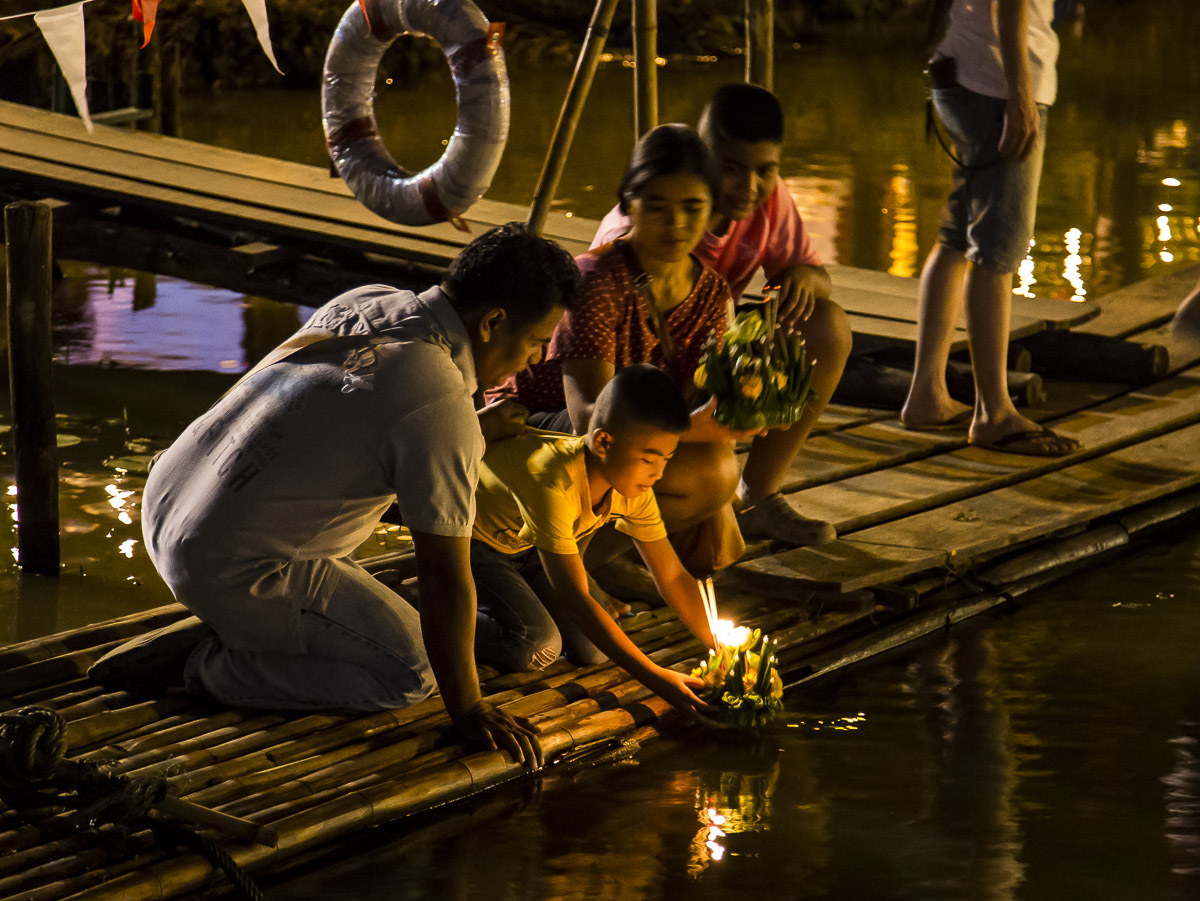 🇹🇭 Chiang Mai, Thailand and 5 moreLoy Krathongลอยกระทง
A Thai festival of floating leaf baskets on rivers to honor water and release negativity.Festival
🇨🇳 Beijing, ChinaLaba Festival臘八節
A winter porridge festival marking the start of the Chinese New Year seasonFestival · Feasts and festival meals
🇹🇭 Chiang Mai, Thailand and 5 moreLoy Krathongลอยกระทง
A Thai festival of floating leaf baskets on rivers to honor water and release negativity.Festival
🇨🇳 Beijing, ChinaLaba Festival臘八節
A winter porridge festival marking the start of the Chinese New Year seasonFestival · Feasts and festival meals
The same idea elsewhere
New Year compared
🇮🇳 Ayodhya, India and 7 moreDiwaliदीपावली (Dīpāvalī)
A five-day festival of lights celebrated across India and its diaspora to mark the victory of light over darkness.Festival · Feasts and festival meals
🇮🇷 Iran and 7 moreNowruzنوروز
The Iranian new year at the March equinox, kept with fire, greenery and picnicsSeasonal
 🇮🇱 Jerusalem, Israel and 1 moreHanukkahחֲנֻכָּה
An eight-day Jewish festival marking the rededication of the Second Temple in Jerusalem and the miracle of a single day'Festival
🇮🇱 Jerusalem, Israel and 1 moreHanukkahחֲנֻכָּה
An eight-day Jewish festival marking the rededication of the Second Temple in Jerusalem and the miracle of a single day'Festival
 🇮🇳 Mathura, India and 5 moreHoliहोली (Hindi)
A spring festival of colours and bonfires that marks the end of winter and the triumph of good over evil.Festival
🇮🇳 Mathura, India and 5 moreHoliहोली (Hindi)
A spring festival of colours and bonfires that marks the end of winter and the triumph of good over evil.Festival