Festivals and celebrationsEast AsiaBuddhistShinto, Taoist and folk Chinese
Laba Festival
In its own language: 臘八節
A winter porridge festival marking the start of the Chinese New Year season
Celebrated on the eighth day of the twelfth lunar month across China, the Laba Festival marks the start of the New Year season. Families and Buddhist monasteries prepare rich multi-grain congee, pickle garlic in vinegar, and make offerings for health and good fortune.
When is Laba Festival in 2027?
Laba Festival 2027 is on Friday, 15 January 2027. Other years: 2026, Monday, 26 January 2026; 2028, Tuesday, 4 January 2028.
The Laba Festival falls on the eighth day of the twelfth lunar month, opening the holiday season that leads into Chinese New Year. Rooted in ancient year-end sacrifices and Buddhist commemorations of Gautama Buddha's enlightenment, the day centres on cooking hearty multi-ingredient porridge, steeping garlic in vinegar, and making offerings for good health, safety, and a prosperous harvest.
Origins and history
In ancient times, the twelfth lunar month was known as La, a period set aside for sacrificial offerings to ancestors and eight deities to seek health, safety, and fruitful crops. When Buddhism entered China around the first century CE, the celebration became intertwined with the story of Sakyamuni reaching enlightenment after accepting a bowl of porridge. During the Northern and Southern dynasties, authorities fixed the festival on the eighth day of the twelfth month. Later, during the Qing dynasty, major official rites took place at the Yonghe Temple in Beijing, establishing customs that endured across generations.
Eight-treasure porridge
The central culinary custom of the day is making and eating Laba congee, also known as eight-treasure congee. Monasteries originally prepared the warm gruel for local people to honour the Buddha, and today families cook it at home for winter wellbeing. True to its name, the porridge typically includes eight or more lucky elements. Recipes vary by region, blending grains like rice, barley, and millet with legumes such as mung and azuki beans. Cooks also add walnuts, peanuts, chestnuts, lotus seeds, dried longan, goji berries, and red dates, or even vegetables and meats.
Garlic, dumplings and local rites
In northern regions, households prepare Laba garlic by steeping whole cloves in vinegar. The jars remain sealed until Chinese New Year roughly three weeks later, when the pickled garlic and infused vinegar are served alongside freshly made dumplings. This custom carries practical symbolism: the word for garlic sounds identical to the word for calculating, reminding traders to balance their financial records before year's end. Other local customs survive as well, such as in Xinhua in Hunan, where residents beat traditional drums to ward off illness through rites rooted in ancient ritual practices.
How Laba Festival is kept
Observance begins in the kitchen early on the eighth day of the twelfth lunar month. Families simmer large pots of multi-grain congee packed with nuts, beans, and dried fruits, sharing warm bowls at home or receiving them from Buddhist temples. In the north, cooks peel garlic cloves and submerge them in vinegar jars to ferment until the new year. Some communities hold drum ceremonies to chase away sickness, while temple visitors attend commemorative services that echo centuries of Buddhist and ancestral reverence.
When and where
The festival takes place on the eighth day of the twelfth month in the Chinese lunar calendar, called Layue. It arrives about three weeks before Chinese New Year, serving as the traditional starting point for the broader winter holiday season.
Laba is observed widely throughout China. Congee traditions appear across the country, while garlic pickling is especially common in northern provinces, and drum rituals remain preserved in areas such as Xinhua in Hunan.
What Laba Festival means
The festival blends Buddhist devotion with older hopes for winter safety and prosperity. The number eight is considered fortunate, reflected both in the date and the eight or more ingredients gathered for the congee. Steeping garlic represents accounting and balancing one's debts, while the warm porridge offers vitality during the cold months, symbolising nourishment, peace, and abundance for the coming agricultural cycle.
On the table
- Laba congee
- Laba garlic
- Dumplings
Flavours: Garlic
Days Laba Festival is marked
Laba Festival dates: 2026, 2027, 2028
| Year | Laba Festival date |
|---|---|
| 2026 | Monday, 26 January 2026 |
| 2027 | Friday, 15 January 2027 |
| 2028 | Tuesday, 4 January 2028 |
Questions people ask about Laba Festival
When is Laba Festival in 2027?
Laba Festival 2027 is on Friday, 15 January 2027. Other years: 2026, Monday, 26 January 2026; 2028, Tuesday, 4 January 2028.
What is the Laba Festival?
It is a traditional Chinese festival celebrated on the eighth day of the twelfth lunar month. Marking the prelude to Chinese New Year, it combines ancient year-end harvest sacrifices with Buddhist commemorations of the Buddha's enlightenment.
What is Laba congee?
Laba congee, or eight-treasure porridge, is a warm dish made from at least eight grains, beans, nuts, and dried fruits. Eaten for health and good fortune during winter, its origins link back to Buddhist monastery offerings.
Why do people make Laba garlic?
People soak garlic cloves in vinegar on Laba and open the jar at Chinese New Year to eat with dumplings. The word for garlic sounds like the word for calculating, symbolising the settling of accounts before the new year.
See also
 NowruzThe Iranian new year at the March equinox, kept with fire, greenery and picnics
 Mid-Autumn FestivalAn annual harvest festival celebrating family reunions, full moons and mooncakes
 Buddha's BirthdayA festival marking the birth of Siddhartha Gautama, observed across Asia with temple rituals and community gatherings.
 SabantuyA summer festival of folk sports and feasting celebrated by Tatar, Bashkir, Chuvash, and Kazakh communities.
Good reading and sources
The facts on this page come from the Wikipedia article "Laba Festival", written by its contributors and used under the CC BY-SA 4.0 licence, and from its Wikidata record (CC0). EveryParampara rewrote the text in its own words, with AI assistance, and compares every page with the article to make sure no passage is copied. It may be reused under the same CC BY-SA 4.0 licence with a link back.
It may contain mistakes. Traditions differ from one family, village and community to the next, and the people who keep them know them best. If something is wrong, tell us. Last refreshed 2026-10-04.
More from China
All the traditions of China 🇮🇳 India and 4 moreWater lantern
Small lamps floated on water to honour the dead and ask for good fortuneFestival
🇨🇳 China and 5 moreMid-Autumn Festival中秋節
An annual harvest festival celebrating family reunions, full moons and mooncakesFestival · Sweets given and shared
🇮🇳 India and 6 moreBuddha's Birthday佛诞 (Fódàn)
A festival marking the birth of Siddhartha Gautama, observed across Asia with temple rituals and community gatherings.Festival
🇷🇺 Kazan, Russia and 2 moreSabantuyСабан туе (Saban tuyı)
A summer festival of folk sports and feasting celebrated by Tatar, Bashkir, Chuvash, and Kazakh communities.Festival · Feasts and festival meals
🇮🇳 India and 4 moreWater lantern
Small lamps floated on water to honour the dead and ask for good fortuneFestival
🇨🇳 China and 5 moreMid-Autumn Festival中秋節
An annual harvest festival celebrating family reunions, full moons and mooncakesFestival · Sweets given and shared
🇮🇳 India and 6 moreBuddha's Birthday佛诞 (Fódàn)
A festival marking the birth of Siddhartha Gautama, observed across Asia with temple rituals and community gatherings.Festival
🇷🇺 Kazan, Russia and 2 moreSabantuyСабан туе (Saban tuyı)
A summer festival of folk sports and feasting celebrated by Tatar, Bashkir, Chuvash, and Kazakh communities.Festival · Feasts and festival meals
The same idea elsewhere
New Year compared 🇮🇳 Ayodhya, India and 7 moreDiwaliदीपावली (Dīpāvalī)
A five-day festival of lights celebrated across India and its diaspora to mark the victory of light over darkness.Festival · Feasts and festival meals
🇮🇳 Ayodhya, India and 7 moreDiwaliदीपावली (Dīpāvalī)
A five-day festival of lights celebrated across India and its diaspora to mark the victory of light over darkness.Festival · Feasts and festival meals
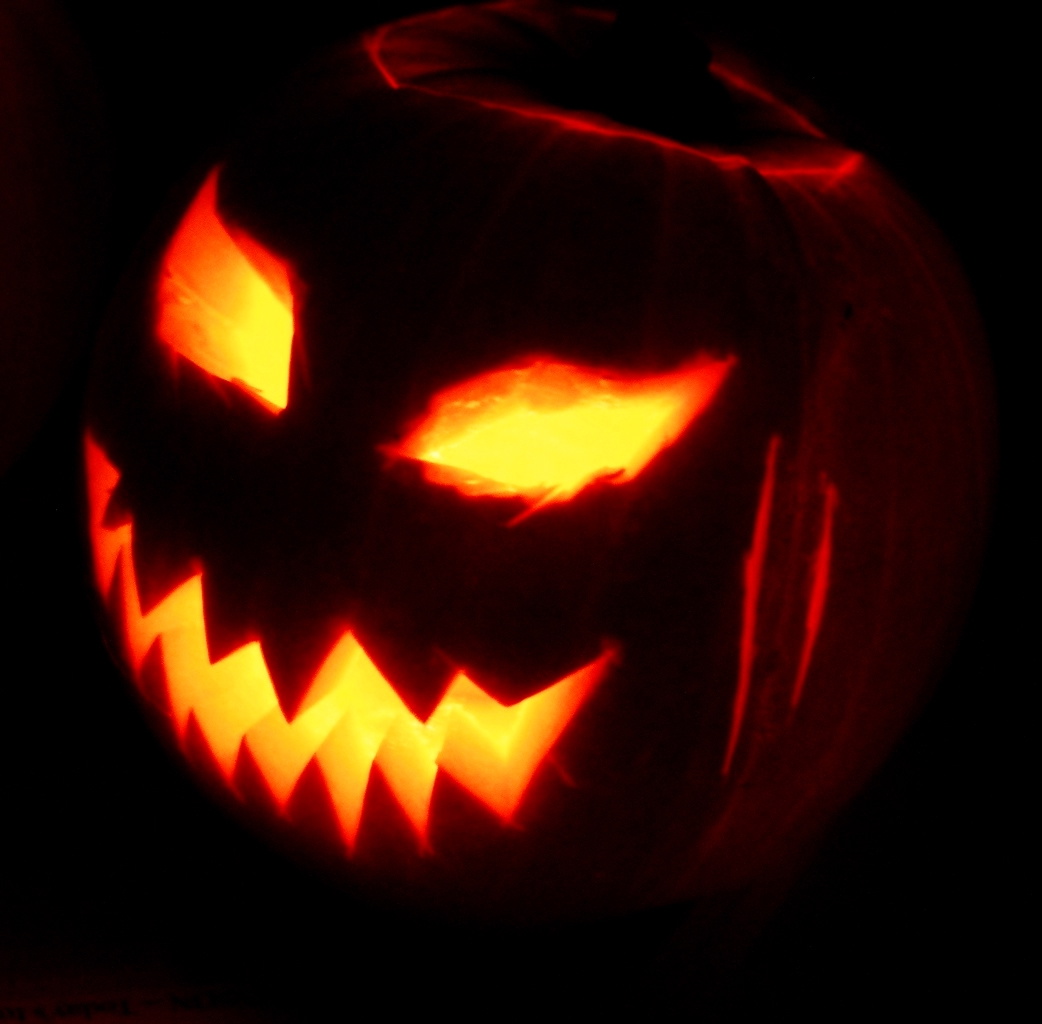 🇮🇪 Ireland and 2 moreJack-o'-lantern
A carved pumpkin lantern lit with a candle to brighten and protect Halloween nightsFolklore
🇮🇪 Ireland and 2 moreJack-o'-lantern
A carved pumpkin lantern lit with a candle to brighten and protect Halloween nightsFolklore
 🇨🇱 ChileNgillatun
A communal Mapuche rite of prayer, sacrifice and dance to maintain cosmic balanceSpiritual
🇨🇱 ChileNgillatun
A communal Mapuche rite of prayer, sacrifice and dance to maintain cosmic balanceSpiritual
 🇺🇸 Chicago, United States and 4 moreKwanzaa
A seven-day African American celebration of heritage, family and community valuesFestival · Feasts and festival meals
🇺🇸 Chicago, United States and 4 moreKwanzaa
A seven-day African American celebration of heritage, family and community valuesFestival · Feasts and festival meals