Choli
A cropped, fitted bodice worn with saris and ghagras across South Asia

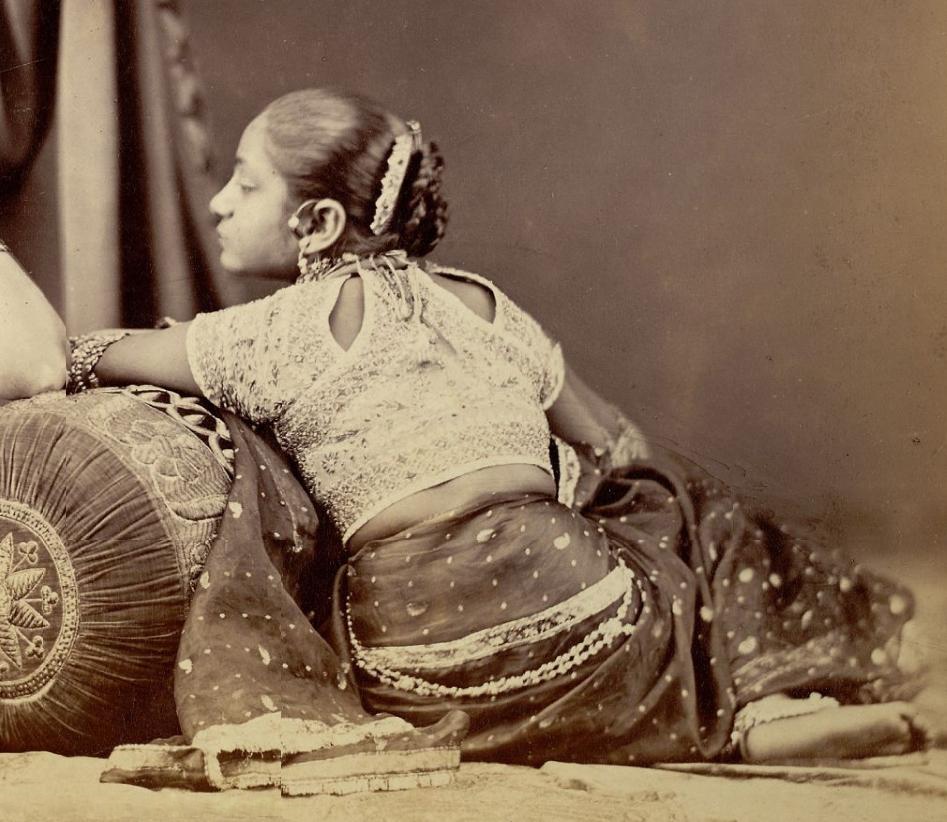
A choli is a cropped, fitted bodice worn by women across the Indian subcontinent alongside saris and ghagras. Rooted in ancient chest wraps, it is tailored in front-tied or back-tied regional styles from cotton, silk, and matching woven fabrics.
When is Choli kept?
Choli is kept on worn daily and for celebrations across South Asia.
The choli is a short, fitted bodice worn by women across the Indian subcontinent. Usually cut to expose the midriff, it forms an essential companion to traditional attire such as the sari and the ghagra. Depending on local customs, it can fasten at the front or the back. Today it remains a staple of both daily life and festive occasions, continually adapted through diverse fabrics, regional cuts, and modern tailoring.
Origins and history
The garment grew out of an ancient chest band called the stanapatta, also known as kurpsika or kanchuki. Early texts in Sanskrit and Buddhist Pali from the sixth century BCE describe this band as part of a three-piece ensemble alongside a lower drape and a shoulder veil. By the first century CE, visual art in Maharashtra and Gujarat showed the band turning into a structured bodice. Wall paintings from the seventh century in Kanchipuram also display these fitted tops. Later, historical records such as the tenth-century Rajatarangini note that Deccan styles were officially adopted in Kashmir under royal decree.
Regional styles and cuts
Local traditions across South Asia shaped how the bodice is cut and fastened. In southern India, where it is known as a ravike, and in Nepal, where it is called a cholo, the piece typically fastens at the front. In northern regions, garments often secure at the back with ties. Women in parts of Rajasthan, Haryana, and Uttar Pradesh layer an outer vest called a kanchli over the top to create an ensemble called a poshak. In northern Gujarat, the top is known as a polku, while married women in Rajasthan have historically worn a kurti over their bodice.
Fabrics and modern design
Weavers frequently include an extra piece of cloth at the end of a sari so that wearers can tailor a matching bodice. Breathable cottons and silk-cotton blends are favored for daily routines, whereas chiffon, georgette, and pure silks are chosen for formal events and warm weather. In recent decades, fashion designers have reinvented the silhouette across the subcontinent. Modern variations incorporate halter cuts, tube tops, backless patterns, and string fastenings, blending classic draping with creative tailoring.
How Choli is kept
A choli is tailored to fit closely around the upper body and cropped above the waist. Wearers put it on beneath a sari or pair it with a flared skirt such as a ghagra. In northern areas, it is often tied securely at the back, while southern and Nepali styles are fastened in front. For formal gatherings, women coordinate colors, embroideries, and fabrics with the rest of their attire.
When and where
The bodice is worn daily throughout the year as standard attire, as well as during weddings, festivals, and formal gatherings where richer fabrics like silk and chiffon are chosen.
It is worn throughout India and Nepal, as well as the wider Indian subcontinent, with distinct local varieties in Gujarat, Rajasthan, the Deccan, and southern India.


Questions people ask about Choli
When is Choli kept?
Choli is kept on worn daily and for celebrations across South Asia.
What is a choli?
A choli is a tailored, cropped bodice worn by women in the Indian subcontinent. It covers the bust while leaving the midriff exposed, serving as the upper garment for a sari or a ghagra skirt.
How do regional choli styles differ?
Southern Indian and Nepali styles, known respectively as ravike and cholo, typically tie at the front. In northern India, the garment traditionally fastens at the back. Regional costumes in Rajasthan and Haryana may also add an outer vest called a kanchli.
What fabrics are traditionally used to make it?
Everyday bodices are sewn from comfortable cotton or silk-cotton blends. For special occasions or hot seasons, wearers choose silk, chiffon, or georgette, often cut directly from extra fabric attached to the edge of a sari.
Where did the choli originate?
It evolved from the ancient stanapatta, a chest band documented in Sanskrit and Pali texts from the sixth century BCE. By the first century CE, regional art showed it developing into a structured bodice.
See also
 PaithaniA handwoven silk sari from Maharashtra, with a squared border and a peacock pallu
 JambiyaA short curved dagger worn at the waist by Yemeni men, its handle a sign of status
 SherwaniA long buttoned coat for men, worn at weddings and state occasions in South Asia
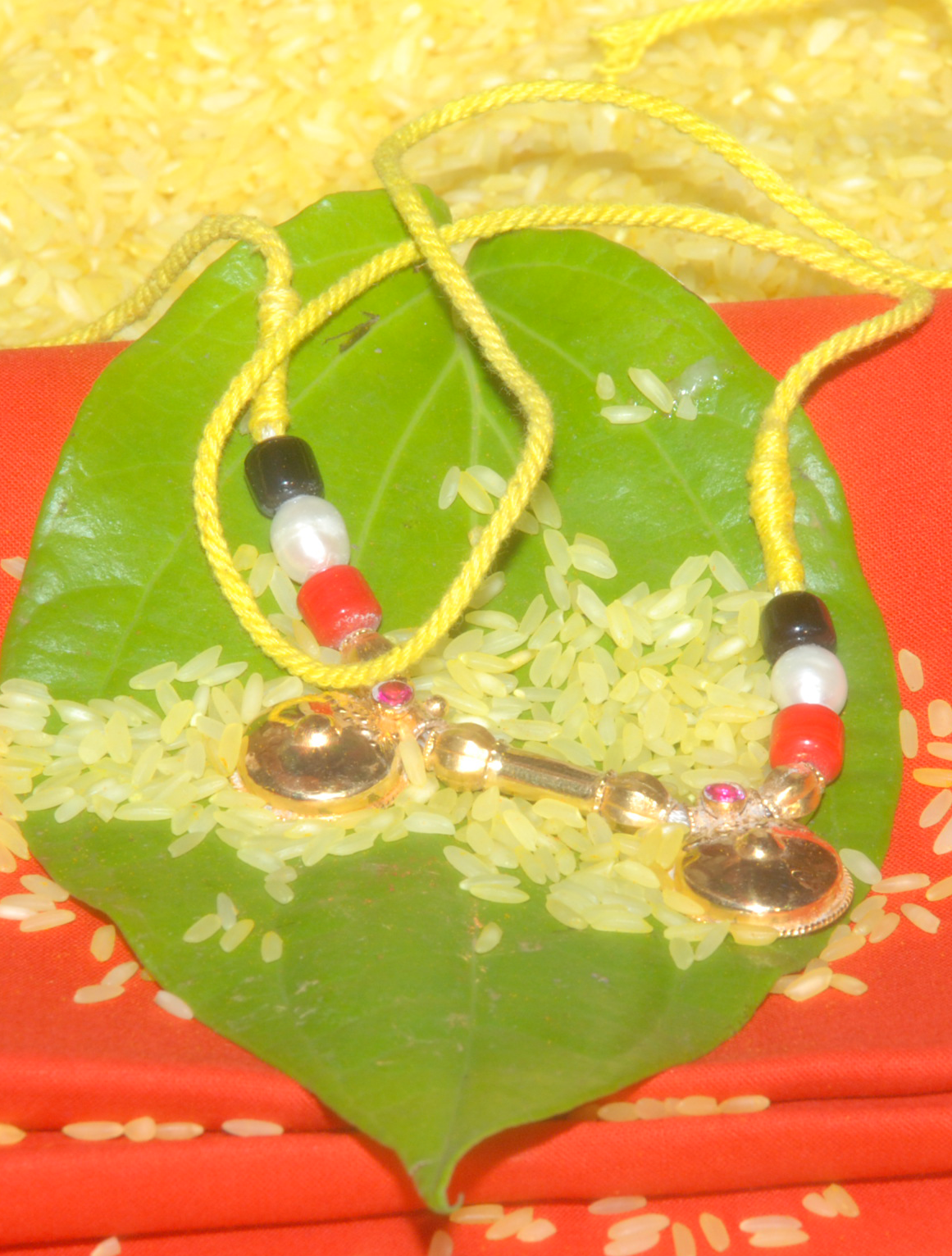 MangalasutraA necklace tied by the groom at a wedding, worn through married life
Good reading and sources
- Choli on WikipediaEncyclopedia
- More photos on Wikimedia CommonsPhotos and video
- Wikidata recordOpen data
The facts on this page come from the Wikipedia article "Choli", written by its contributors and used under the CC BY-SA 4.0 licence, and from its Wikidata record (CC0). EveryParampara rewrote the text in its own words, with AI assistance, and compares every page with the article to make sure no passage is copied. It may be reused under the same CC BY-SA 4.0 licence with a link back.
It may contain mistakes. Traditions differ from one family, village and community to the next, and the people who keep them know them best. If something is wrong, tell us. Last refreshed 2026-10-06.
More from India
All the traditions of India
🇮🇳 Paithan, IndiaPaithani
A handwoven silk sari from Maharashtra, with a squared border and a peacock palluDress
🇾🇪 Hadhramaut, Yemen and 1 moreJambiyaجنبية
A short curved dagger worn at the waist by Yemeni men, its handle a sign of statusDress
🇮🇳 Lucknow, India and 3 moreSherwani
A long buttoned coat for men, worn at weddings and state occasions in South AsiaDress
🇮🇳 India and 2 moreMangalasutraमङ्गलसूत्रम् (maṅgalasūtram)
A necklace tied by the groom at a wedding, worn through married lifeDress
The same idea elsewhere
All of this kind 🇳🇴 Norway and 3 moreGákti
A traditional coat worn by the Sámi people across northern Scandinavia and Russia, signaling origin and status through cDress
🇳🇴 Norway and 3 moreGákti
A traditional coat worn by the Sámi people across northern Scandinavia and Russia, signaling origin and status through cDress
 🇮🇱 Israel and 1 moreTzitzitצִיצִית
Knotted ritual fringes worn on a four-cornered garment, a reminder of the commandmentsDress
🇮🇱 Israel and 1 moreTzitzitצִיצִית
Knotted ritual fringes worn on a four-cornered garment, a reminder of the commandmentsDress
 🇼🇸 Samoa and 1 moreʻIe tōga
Precious woven mats exchanged in Samoan ceremonies to honor family ties and chiefly status.Dress
🇼🇸 Samoa and 1 moreʻIe tōga
Precious woven mats exchanged in Samoan ceremonies to honor family ties and chiefly status.Dress
 🇪🇬 Egypt and 5 moreTraditional tattooing
The ancient custom of marking the skin for protection, healing, status and sacred ritesDress
🇪🇬 Egypt and 5 moreTraditional tattooing
The ancient custom of marking the skin for protection, healing, status and sacred ritesDress