Folklore and beliefNorth America
Dalbec
A boastful Quebec hunter hero whose tall tales were written down in the 1890s
Dalbec is a hunter hero of French-Canadian storytelling in Quebec. His adventures are wildly exaggerated feats, and one of them follows a bear that drags him down a hill while he clings to its tail from inside a sugar barrel; a folklorist recorded the tales in 1897.
Dalbec is a hunter in the tall tales of Quebec, the French-speaking province of Canada. In these stories he meets animals and other dangers, and the joke is as much in the telling as in the deed. A folklorist collected the tales in the 1890s from a French-Canadian storyteller; because they were written down, the hunter survives on the page as well as in the spoken word.
The hunter hero
Dalbec belongs to the spoken storytelling of Quebec's French-Canadian communities, where he appears as a hunter whose exploits grow larger with every telling. He is no quiet woodsman in these tales. He takes on animals and other dangers and comes through them, and the pleasure for listeners lies in how far the storyteller will push a scene. Nothing about him is recorded beyond the tales themselves: no home village, no dates, no family. He exists as a character carried by a voice, which is how many folk heroes of the region have survived.
How the tales were saved
Much of what is known about Dalbec reaches us through a folklorist, William Parker Greenough, who gathered stories in Canada in the 1890s. He printed several of them in Canadian Folk-Life and Folk-Lore in 1897. Greenough wrote that he heard these contes, the French-Canadian word for a tale, from a guide called Nazaire, described in the collection as a raconteur, which means a storyteller. Because Greenough set down the words as he heard them, the hunter's adventures moved from performance into print. That shift is why a nineteenth-century audience's favourite could still be read by later generations.
The bear and the barrel
One tale places Dalbec in the woods, boiling sap to make maple sugar, when a bear comes towards him looking for trouble. He has no gun with him, so he hides under a large empty barrel of the kind used to collect sap. The bear sniffs around the wood, hunting for a way inside. Dalbec puts an arm out through the bunghole, the small opening in the side of the barrel, and catches the animal by the tail. The bear bolts downhill, hauling the barrel and the man inside it. At a pile of fallen timber the barrel jams; Dalbec keeps his grip until the tail slips free and the bear runs off.
Why the stories last
The collection gives the tale a wry finish: a bear has no tail for anyone to seize, it observes, and that does not make the tale any less true. Listeners are meant to smile at that. Exaggeration drives the Dalbec stories, and this aside shows the teller winking at the room. The tales also carry a particular world of woods, maple-sugar work, hunting and French-Canadian speech. Later writing places Dalbec with two other figures of the same tradition, Ti-Jean and Jean Cadieux, the voyageur hero, and counts the three among the names this province's lore is best remembered by.
How Dalbec is kept
The stories live in speech first. A raconteur, a trained storyteller, holds a room and performs the tale aloud, and listeners hear how the hunter gets the better of a wild animal. In the 1890s a folklorist sat with a guide called Nazaire and wrote down what he heard. Once printed, the tales reached readers who had never heard them spoken. The teller's aside about the bear's missing tail shows how the performance works: the joke is shared with the audience, and then the story carries on.
When and where
The tales were heard and written down in the 1890s, and the collection that holds them appeared in 1897. The sources attach no calendar day or season to the material. It belongs to spoken performance rather than to a fixed date, so it can be told whenever a storyteller has an audience.
Dalbec belongs to the French-Canadian storytelling of Quebec, a province of Canada. The written record comes from a folklorist's collection made in the 1890s. Later accounts put the hunter beside Ti-Jean and the voyageur hero Jean Cadieux, and treat the group as the characters this tradition is remembered for.
What Dalbec means
For listeners, Dalbec stands for the pleasure of a story that need not be true. He is a hunter who wins by nerve and luck, and the teller's aside about the bear's missing tail invites the audience in on the joke. Exaggeration is the point of these tales, not a flaw in them. They also carry a French-Canadian voice from the woods and the sugar-making camp, and that voice is what the stories keep alive.
Questions people ask about Dalbec
What is Dalbec?
A hunter and folk hero of French-Canadian storytelling in Quebec. His adventures are told as wildly exaggerated feats, and one of them has him carried downhill inside a barrel by a bear whose tail he grabbed.
Where do the stories come from?
A folklorist, William Parker Greenough, collected them in the 1890s and printed several in Canadian Folk-Life and Folk-Lore in 1897. He said he heard them from Nazaire, a French-Canadian guide who worked as a raconteur, a storyteller.
When were these tales written down?
In the 1890s, when Greenough was gathering material, and they appeared in print in 1897. The written record dates from that decade; the sources give no fixed date for the spoken stories themselves.
Does Dalbec stand alone in Quebec folklore?
No. Accounts of the tradition name him together with Ti-Jean and with Jean Cadieux, the voyageur hero, and rank the three among the figures this province's folklore is best known for.
Is the bear story meant to be believed?
The collection reports it as told, and adds that a bear has no tail for anyone to take hold of, which the teller notes without letting it spoil the tale. The humour is part of the performance.
See also
 Fortune-tellingReading cards, palms or tea leaves to tell a client what may lie ahead
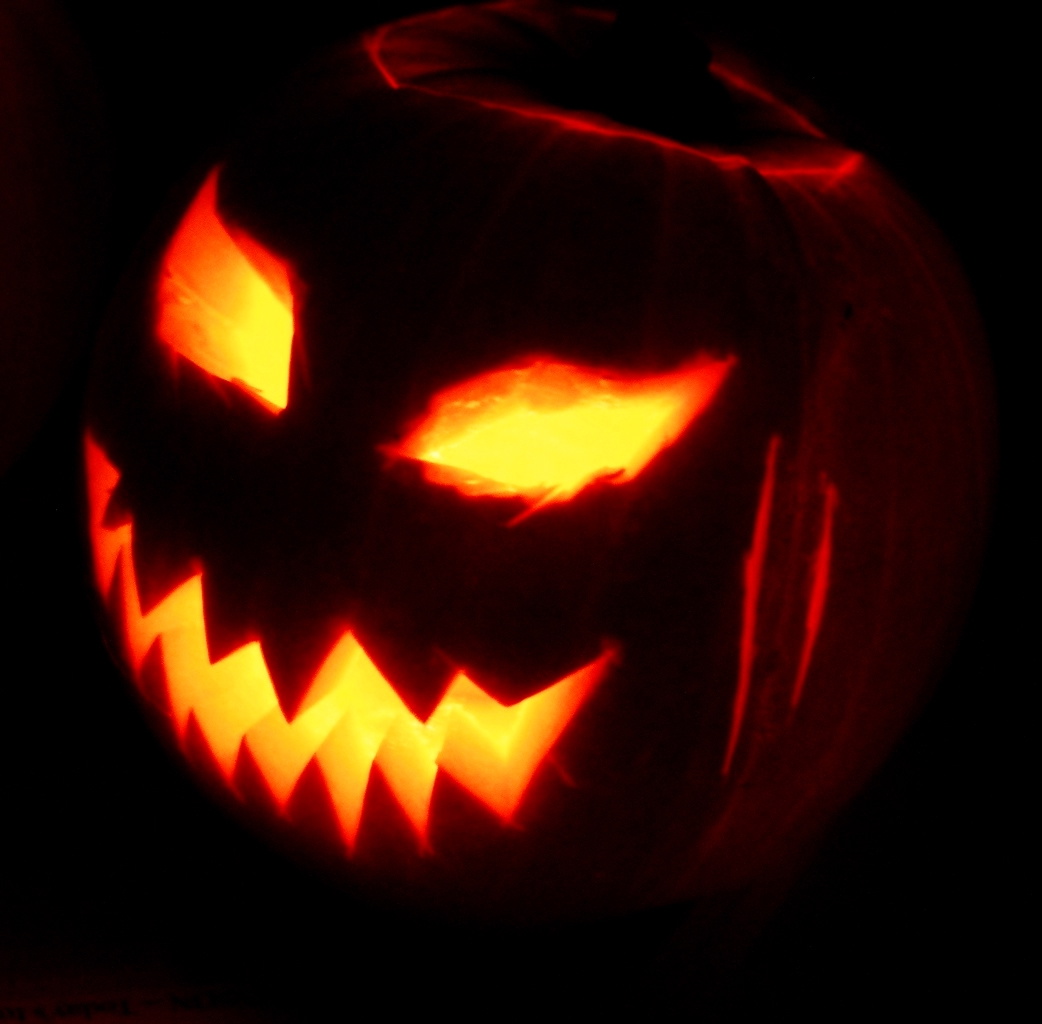 Jack-o'-lanternA carved pumpkin lantern lit with a candle to brighten and protect Halloween nightsBaldoon MysteryA ghost story from Wallaceburg, Ontario, about a cursed farm and a silver bullet
 Fairy ringA natural ring of mushrooms formed by fungal growth, surrounded by folklore across Europe and beyond.
Good reading and sources
The facts on this page come from the Wikipedia article "Dalbec (folklore)", written by its contributors and used under the CC BY-SA 4.0 licence, and from its Wikidata record (CC0). EveryParampara rewrote the text in its own words, with AI assistance, and compares every page with the article to make sure no passage is copied. It may be reused under the same CC BY-SA 4.0 licence with a link back.
It may contain mistakes. Traditions differ from one family, village and community to the next, and the people who keep them know them best. If something is wrong, tell us. Last refreshed 2026-10-11.
More from Canada
All the traditions of Canada
🇺🇸 New York, United States and 1 moreFortune-telling
Reading cards, palms or tea leaves to tell a client what may lie aheadFolklore
🇮🇪 Ireland and 2 moreJack-o'-lantern
A carved pumpkin lantern lit with a candle to brighten and protect Halloween nightsFolklore
 🇬🇹 Santiago Atitlán, Guatemala and 3 moreMaximón
A folk saint of the Guatemalan highlands, asked for health, crops and protectionFolklore
🇬🇹 Santiago Atitlán, Guatemala and 3 moreMaximón
A folk saint of the Guatemalan highlands, asked for health, crops and protectionFolklore
 🇨🇦 Canada and 1 moreMemphre
A creature of Quebec and Vermont folklore, reported at Lake Memphremagog since 1816Folklore
🇨🇦 Canada and 1 moreMemphre
A creature of Quebec and Vermont folklore, reported at Lake Memphremagog since 1816Folklore
The same idea elsewhere
All of this kind 🇸🇳 Senegal and 1 moreKumpo
A palm-leaf figure of the Diola, danced at village festivals to urge good conductFolklore
🇦🇺 Sydney, AustraliaSongline
A navigational and spiritual path across Australia that links ancestral stories to the physical landscape.Folklore
🇸🇳 Senegal and 1 moreKumpo
A palm-leaf figure of the Diola, danced at village festivals to urge good conductFolklore
🇦🇺 Sydney, AustraliaSongline
A navigational and spiritual path across Australia that links ancestral stories to the physical landscape.Folklore
 🇬🇧 South Queensferry, United KingdomThe Burryman
A man clad in burdock burrs walks a Scottish town for a day, bringing luck as he goesFolklore
🇬🇧 South Queensferry, United KingdomThe Burryman
A man clad in burdock burrs walks a Scottish town for a day, bringing luck as he goesFolklore
 🇨🇳 Puyang, ChinaFeng shui風水
The Chinese spatial practice of aligning homes and graves with natural energyFolklore
🇨🇳 Puyang, ChinaFeng shui風水
The Chinese spatial practice of aligning homes and graves with natural energyFolklore