Fairy ring
A natural ring of mushrooms formed by fungal growth, surrounded by folklore across Europe and beyond.

Fairy rings are circular patterns of mushrooms that appear in forests and grasslands. They result from underground fungi growing outward in a circle. Many cultures view these formations with awe or fear, linking them to supernatural beings.
When is Fairy ring kept?
Fairy ring is kept on year-round, depending on weather and fungal species.
Fairy rings are circular clusters of mushrooms that emerge from the ground. These formations occur when fungal mycelium expands outward from a central point. People have long associated these rings with magical events and spirits.
How they form
The process begins when a fungal spore germinates in the soil. The underground network, called mycelium, grows radially outward. As it reaches the edge of its food supply, the center dies off. This creates a hollow ring structure. New mushrooms fruit along this living outer edge. Some species can expand for centuries, creating massive circles.
Effects on plants
These rings often alter the surrounding vegetation. Some fungi cause grass to die, leaving a brown necrotic zone. Others stimulate rapid, dark green growth by releasing plant hormones. Soil nutrients like nitrogen are depleted in the center. Rabbits help maintain some rings by grazing grass and adding fertilizer through droppings.
European folklore
Many European traditions link these rings to supernatural activity. In France and Germany, they are named after witches. Celtic and Scandinavian tales describe elves dancing in circles. Irish legends warn that entering a ring brings bad luck or invisibility. Some stories claim fairies use the mushrooms as tables or umbrellas.
Global variations
Beliefs about these formations vary worldwide. In the Philippines, they are associated with diminutive spirits. Japanese scientists study specific mushroom species that form rings. Other regions view them as sacred sites or dangerous traps. Some cultures believe destroying a ring invites curses.
When and where
They appear whenever conditions suit the specific fungus, often after rain.
Found in forests, meadows, and rangelands globally. Notable examples exist in England, France, and Sweden.
What Fairy ring means
They represent the boundary between the human world and the spirit realm. Many see them as portals or sacred spaces. Violating them is thought to anger the inhabitants. They symbolize both beauty and danger in nature.


Questions people ask about Fairy ring
When is Fairy ring kept?
Fairy ring is kept on year-round, depending on weather and fungal species.
What is a fairy ring?
It is a circular pattern of mushrooms growing from an underground fungal network. The fungus expands outward, leaving the center dead.
Why do they look like circles?
The fungus grows radially from a single spore. It consumes nutrients in the center first, then moves outward, forming a ring.
Are they dangerous?
Biologically, no. Culturally, many believe they are dangerous. Folklore warns that entering them causes harm or madness.
Where are they found?
They appear in grasslands, forests, and parks worldwide. Common locations include England, France, and Ireland.
See also
 Jack-o'-lanternA carved pumpkin lantern lit with a candle to brighten and protect Halloween nightsTelling the beesA Western European custom of informing honeybees about major household events like deaths and weddings.
 NisseA small farm spirit of Nordic folklore, given porridge at midwinterHalloweenAn annual observance on 31 October marking the eve of All Saints' Day, rooted in Christian tradition and Celtic heritage
Good reading and sources
- Fairy ring on WikipediaEncyclopedia
- More photos on Wikimedia CommonsPhotos and video
- Wikidata recordOpen data
The facts on this page come from the Wikipedia article "Fairy ring", written by its contributors and used under the CC BY-SA 4.0 licence, and from its Wikidata record (CC0). EveryParampara rewrote the text in its own words, with AI assistance, and compares every page with the article to make sure no passage is copied. It may be reused under the same CC BY-SA 4.0 licence with a link back.
It may contain mistakes. Traditions differ from one family, village and community to the next, and the people who keep them know them best. If something is wrong, tell us. Last refreshed 2026-10-09.
More from Ireland
All the traditions of Ireland
🇮🇪 Ireland and 2 moreJack-o'-lantern
A carved pumpkin lantern lit with a candle to brighten and protect Halloween nightsFolklore
🇬🇧 United Kingdom and 4 moreTelling the bees
A Western European custom of informing honeybees about major household events like deaths and weddings.Folklore
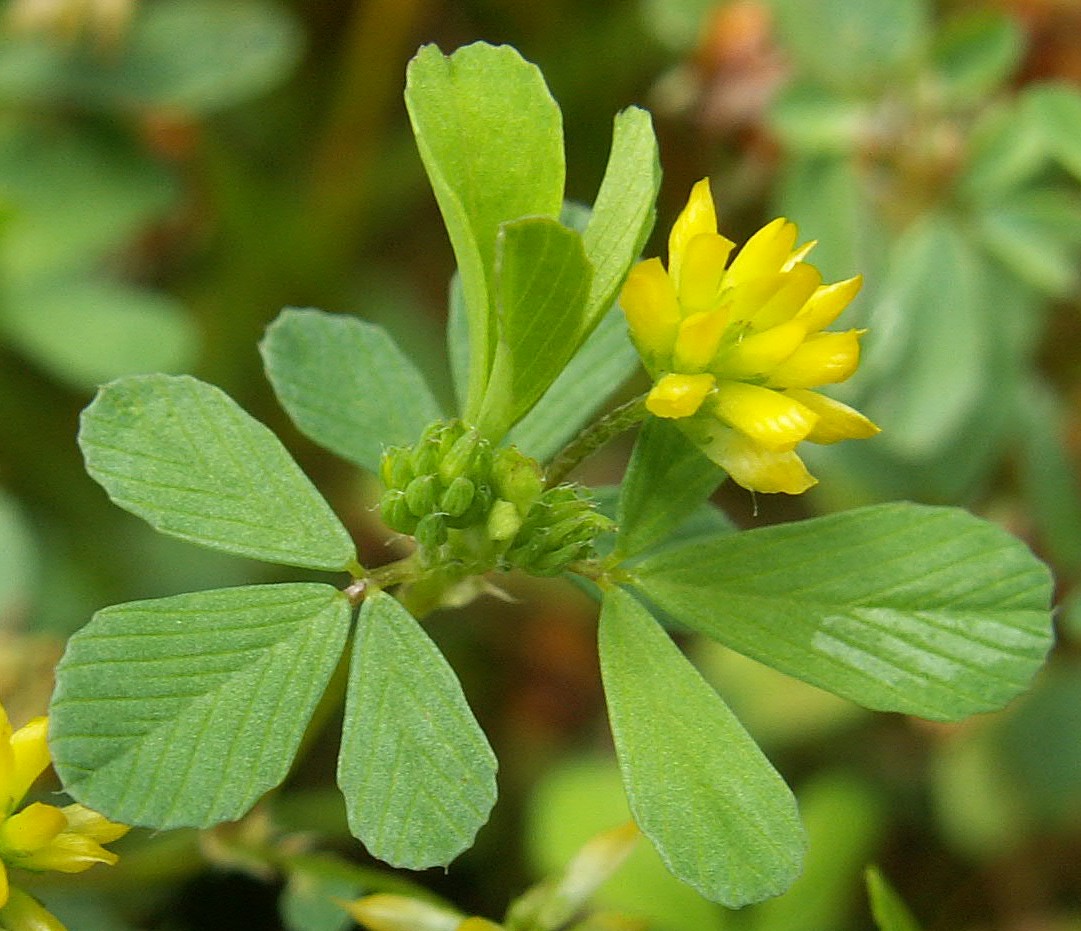 🇮🇪 Dublin, IrelandShamrockseamróg
A small three-leaved clover, worn in Ireland on St Patrick's Day as a national emblemFolklore
🇮🇪 Dublin, IrelandShamrockseamróg
A small three-leaved clover, worn in Ireland on St Patrick's Day as a national emblemFolklore
 🇬🇧 United Kingdom and 3 moreSelkieselkie fowk
The seal shapeshifters of Scottish and northern island folkloreFolklore
🇬🇧 United Kingdom and 3 moreSelkieselkie fowk
The seal shapeshifters of Scottish and northern island folkloreFolklore
The same idea elsewhere
Remembering the ancestors compared 🇮🇳 Ayodhya, India and 7 moreDiwaliदीपावली (Dīpāvalī)
A five-day festival of lights celebrated across India and its diaspora to mark the victory of light over darkness.Festival · Feasts and festival meals
🇮🇳 Ayodhya, India and 7 moreDiwaliदीपावली (Dīpāvalī)
A five-day festival of lights celebrated across India and its diaspora to mark the victory of light over darkness.Festival · Feasts and festival meals
 🇮🇷 Iran and 7 moreNowruzنوروز
The Iranian new year at the March equinox, kept with fire, greenery and picnicsSeasonal
🇮🇷 Iran and 7 moreNowruzنوروز
The Iranian new year at the March equinox, kept with fire, greenery and picnicsSeasonal
 🇮🇱 Jerusalem, Israel and 1 moreHanukkahחֲנֻכָּה
An eight-day Jewish festival marking the rededication of the Second Temple in Jerusalem and the miracle of a single day'Festival
🇮🇱 Jerusalem, Israel and 1 moreHanukkahחֲנֻכָּה
An eight-day Jewish festival marking the rededication of the Second Temple in Jerusalem and the miracle of a single day'Festival
 🇮🇳 Mathura, India and 5 moreHoliहोली (Hindi)
A spring festival of colours and bonfires that marks the end of winter and the triumph of good over evil.Festival
🇮🇳 Mathura, India and 5 moreHoliहोली (Hindi)
A spring festival of colours and bonfires that marks the end of winter and the triumph of good over evil.Festival