Festivals and celebrationsSouth AsiaHindu
Dhanteras
In its own language: धनतेरस (Hindi), धनत्रयोदशी (Sanskrit)
The first day of Diwali, a festival of lamps, health and wealth kept across India and Nepal.
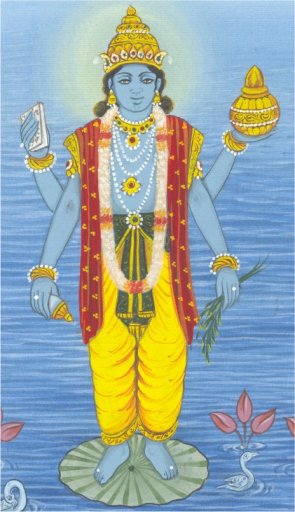
Dhanteras marks the start of the five-day Diwali festival in India and Nepal. It is a day for cleaning homes, lighting lamps to welcome prosperity, and worshipping Dhanvantari, the god of Ayurveda. Families also buy gold or silver items as symbols of good fortune.
When is Dhanteras in 2026?
Dhanteras 2026 is on Friday, 6 November 2026. Other years: 2027, Wednesday, 27 October 2027; 2028, Sunday, 15 October 2028.
Dhanteras is the opening day of the Diwali festival in India and Nepal. People clean their houses, light clay lamps, and worship gods of health and wealth. The day focuses on bringing prosperity into the home and protecting against illness.
Origins and legends
The name comes from words meaning wealth and thirteenth. One story tells of a young prince whose death was predicted by a snakebite. His wife placed gold coins and lit many lamps at his door. When Yama, the god of death, arrived, he was blinded by the light. He sat on the pile of coins all night listening to stories. He left without harming the prince. This act created the tradition of lighting lamps to ward off untimely death. Another legend links the day to Dhanvantari. He emerged from the ocean during its churning, holding a pot of healing nectar. He is seen as an avatar of Vishnu and the physician of the gods.
How it is kept
Families thoroughly clean and whitewash their homes before the evening prayers. They draw rangoli patterns with colored powder at the entrance to welcome Lakshmi. Small footprints are made using rice flour and vermilion. Clay lamps called diyas are lit and kept burning through the night. In some villages, farmers adorn and worship their cattle. Women in Maharashtra mix dried coriander seeds with jaggery to offer as sweets. In South India, women prepare a herbal medicine called marundu. This mixture helps balance the body's humors and is eaten before sunrise the next day.
Food and drink
Gujarati families often eat daal baath and malpua to mark the occasion. These dishes ring in the new year for many communities. In Maharashtra, a sweet offering combines jaggery and pounded coriander seeds. This specific mixture is given as naivedya during prayers. In Tamil Nadu, the marundu is prepared on this day. It is consumed early the following morning before dawn. The food serves both as a festive meal and a medicinal practice to maintain health.
Symbolism and meaning
The day celebrates the arrival of Lakshmi, the goddess of wealth. Lighting lamps symbolizes the victory of light over darkness. Buying gold, silver, or kitchenware is considered highly auspicious. New purchases bring good luck and secure prosperity for the coming year. The lights also serve as offerings to Yama. They protect the household from harm during the festival period. The celebration emphasizes renewal, cleansing, and the securing of auspiciousness for the family.
How Dhanteras is kept
Families clean and decorate their homes with rangoli patterns. They light clay lamps and keep them burning through the night. Prayers are offered to Lakshmi and Dhanvantari. People buy gold, silver, or utensils for good fortune. Farmers may worship their cattle. Specific regional foods like marundu or malpua are prepared and shared.
When and where
It falls on the thirteenth lunar day of the dark fortnight. The date varies each year based on the Hindu calendar. It usually occurs in October or November. The exact day depends on whether the amanta or purnimanta tradition is followed.
The festival is widely observed across India and Nepal. It marks the beginning of the Diwali celebrations. Regional variations exist in how it is practiced within these countries.
What Dhanteras means
The day represents the removal of darkness and the invitation of wealth. Cleaning the home prepares it for Lakshmi's visit. The lamps protect against death and evil. Buying precious metals signifies attracting prosperity. The entire ritual reinforces themes of health, safety, and abundance.
On the table
- daal baath
- malpua
- jaggery and coriander mixture
- marundu
Flavours: Coriander
Days Dhanteras is marked
Dhanteras dates: 2026, 2027, 2028
| Year | Dhanteras date |
|---|---|
| 2026 | Friday, 6 November 2026 |
| 2027 | Wednesday, 27 October 2027 |
| 2028 | Sunday, 15 October 2028 |
Questions people ask about Dhanteras
When is Dhanteras in 2026?
Dhanteras 2026 is on Friday, 6 November 2026. Other years: 2027, Wednesday, 27 October 2027; 2028, Sunday, 15 October 2028.
What is Dhanteras?
Dhanteras is the first day of the Diwali festival in India and Nepal. It is a day dedicated to cleaning homes, lighting lamps, and worshipping deities of wealth and health. It marks the beginning of the five-day celebration.
Why do people buy gold on this day?
Buying gold, silver, or new utensils is considered extremely auspicious. It is believed to bring good luck and attract wealth into the home for the coming year.
Who is Dhanvantari?
Dhanvantari is the Hindu god of Ayurveda and health. He is considered an avatar of Vishnu. He emerged from the ocean holding a pot of healing nectar, which is why he is worshipped on this day.
See also
 DiwaliA five-day festival of lights celebrated across India and its diaspora to mark the victory of light over darkness.
 NowruzThe Iranian new year at the March equinox, kept with fire, greenery and picnics
 MawlidAn annual festival marking the birth of the Prophet Muhammad, marked by poetry, processions and feasts.
 HoliA spring festival of colours and bonfires that marks the end of winter and the triumph of good over evil.
Good reading and sources
The facts on this page come from the Wikipedia article "Dhanteras", written by its contributors and used under the CC BY-SA 4.0 licence, and from its Wikidata record (CC0). EveryParampara rewrote the text in its own words, with AI assistance, and compares every page with the article to make sure no passage is copied. It may be reused under the same CC BY-SA 4.0 licence with a link back.
It may contain mistakes. Traditions differ from one family, village and community to the next, and the people who keep them know them best. If something is wrong, tell us. Last refreshed 2026-10-04.
More from India
All the traditions of India
🇮🇳 Ayodhya, India and 7 moreDiwaliदीपावली (Dīpāvalī)
A five-day festival of lights celebrated across India and its diaspora to mark the victory of light over darkness.Festival · Feasts and festival meals
🇪🇬 Egypt and 5 moreMawlidمولد (Mawlid)
An annual festival marking the birth of the Prophet Muhammad, marked by poetry, processions and feasts.Festival · Feasts and festival meals
🇮🇳 Mathura, India and 5 moreHoliहोली (Hindi)
A spring festival of colours and bonfires that marks the end of winter and the triumph of good over evil.Festival
 🇮🇳 India and 4 moreWater lantern
Small lamps floated on water to honour the dead and ask for good fortuneFestival
🇮🇳 India and 4 moreWater lantern
Small lamps floated on water to honour the dead and ask for good fortuneFestival
The same idea elsewhere
New Year compared 🇰🇷 Jeju, South KoreaGut굿
Sacred rites of song, dance, and spirit communion performed by Korean shamansSpiritual
🇨🇳 Beijing, ChinaLaba Festival臘八節
A winter porridge festival marking the start of the Chinese New Year seasonFestival · Feasts and festival meals
🇰🇷 Jeju, South KoreaGut굿
Sacred rites of song, dance, and spirit communion performed by Korean shamansSpiritual
🇨🇳 Beijing, ChinaLaba Festival臘八節
A winter porridge festival marking the start of the Chinese New Year seasonFestival · Feasts and festival meals
 🇨🇳 ChinaChinese paper cutting剪紙 / 剪纸 (jiǎnzhǐ)
Chinese cut paper pictures, pasted on windows and doors for luck at New YearCraft
🇨🇳 ChinaChinese paper cutting剪紙 / 剪纸 (jiǎnzhǐ)
Chinese cut paper pictures, pasted on windows and doors for luck at New YearCraft
 🇵🇱 Poland and 6 morePolaznik
The first visitor to cross the threshold at Christmas, read as a sign of the year to comeFolklore
🇵🇱 Poland and 6 morePolaznik
The first visitor to cross the threshold at Christmas, read as a sign of the year to comeFolklore