Crafts and makingEast AsiaShinto, Taoist and folk Chinese
Chinese paper cutting
In its own language: 剪紙 / 剪纸 (jiǎnzhǐ)
Chinese cut paper pictures, pasted on windows and doors for luck at New Year

Paper cutting is a Chinese folk craft in which shapes are cut from sheets of paper and used to decorate rooms and gifts. Families and artisans across the country keep it, most visibly at Chinese New Year, at weddings and when a baby is born.
When is Chinese paper cutting marked?
Chinese paper cutting is kept as part of Lunar New Year, which runs from 7 to 21 February 2027.
Paper cutting is a Chinese folk art in which small pictures and patterns are cut from sheets of paper, usually with scissors or a knife. Red paper is the commonest choice, though other colours appear. The pieces go on windows, doors and lamps, and are often given as presents. People keep the craft because the shapes carry wishes for luck, happiness and a good year.
What it is
Practitioners cut shapes from paper with scissors or a knife. A design may be a single image or symmetrical, which comes about by folding the sheet into two or four equal parts before the cutting begins, so the opened paper repeats the pattern. Colours vary; red is the usual one, and there are single colour and multicolour kinds. Because cut papers often go on doors and windows, they are widely called hua, flower, and the word points to the design rather than to plants. A window piece is a window flower, chuang hua. Pieces used as embroidery patterns carry other names, among them hat flower, pillow flower and shoe flower.
Origins and early history
Long before paper existed, people in China carved patterns into thin sheets of other things. Leaves, silk, leather, silver foil and gold or silver leaf all served the purpose, and the cutting and carving skills were already there. Opinions differ on when paper cutting began. Some point to the 6th century, others to the Warring States period. The oldest piece found so far came out of a grave in Xinjiang in 1959 and belongs to the years AD 386 to 581. Once Cai Lun's paper (AD 105) was widely available it was easy to cut, keep or throw away, so paper took over. During the Tang dynasty the craft grew quickly.
Later centuries
Under the Song dynasty, trained craftspeople made more complicated work and used cut paper on ceramics and for shadow puppets. Carving patterns into oiled card and scraping them onto cloth gave rise to blue printed fabric. The Ming and Qing period, from 1368 to 1912, was the high point. Cut paper hung on lanterns, decorated fans, guided needlework and filled windows, doors and walls at festivals and happy occasions. The imperial household used it too: the Forbidden City was dressed with paper cuts for an emperor's wedding. Mostly women made these pieces in their spare time and taught the skill to their children. The craft continues in China today.
Regional styles
Cut paper work in China is often sorted into schools by region. The southern school, in Guangdong's Foshan and in Fujian, favours dense, ornamental and graceful designs; the gift flowers of Putian are its best known pattern. Jiangzhe, from Jiangsu and Zhejiang, works with Yangzhou and Yueqing as its centres, is admired abroad and prefers flowers, birds, fish and fruit. The northern school, in Hebei's Yuxian and Fengning and in northern Shaanxi, uses bolder, exaggerated shapes and simple symmetrical patterns. Zhangpu in Fujian is noted for fine cutting and lively composition. Miao artists in southeast Guizhou cut paper as a guide for embroidery, not for windows.
Symbols and uses
Most cut paper is decorative now. People brighten windows at the start of a season or a new year, and dress up walls, doors, pillars, mirrors, lamps and lanterns. Pieces go on presents or are presents themselves; ones stuck near an entrance are thought to draw good luck. Each design carries a meaning. A good harvest, healthy livestock, a carp leaping the dragon gate, lions, qilin, jade rabbits, pomegranates and peonies all stand for wishes, as do figures from legend such as the Yellow Emperor and the Cowherd and Weaver Girl. The characters fu for good fortune and xi for double happiness appear at New Year and at weddings.
How Chinese paper cutting is kept
Cutting paper is largely a home craft, and for centuries women were the ones who made the pieces, teaching daughters and children as they went. A maker folds a sheet two or four times, cuts the design freehand with scissors or a small knife, then opens it out. Finished pieces are pasted onto windows, doors, walls, lamps or lanterns, mounted on gifts, or given away. In Guizhou, Miao artists cut paper to guide embroidery. Families in cities such as Foshan, Yangzhou, Yueqing and Putian keep their own regional manners of cutting, and the shapes are chosen to suit the occasion.
When and where
The craft is practised all year, but most cut paper goes up for particular occasions. New pieces appear for Chinese New Year, which falls on the lunar calendar in late January or February. Weddings and the birth of a child are the other times when paper cuts are made and displayed, since they carry wishes for happiness, luck and a good life.
Paper cutting belongs to China, where it is found from the north to the south. Regions differ in style. Fujian and Guangdong are known for fine southern work, Jiangsu and Zhejiang for the Jiangzhe manner, and Hebei with northern Shaanxi for bolder shapes. Miao communities in southeast Guizhou use their own cuts. Versions of the art have travelled to other parts of the world.
What Chinese paper cutting means
For the people who make and hang them, paper cuts are a way of speaking without words. A pattern carries a hope: for plenty, for a child, for a long life, for protection from harm. Red paper, linked with festivity and good fortune, does much of that work. Circular designs called tuanhua, with their even, balanced shapes, are read as an image of harmony and wholeness, and Daoist ideas about yin and yang sit behind them. Zodiac animals mark the turning of the years.

Days Chinese paper cutting is marked
Questions people ask about Chinese paper cutting
When is Chinese paper cutting marked?
Chinese paper cutting is kept as part of Lunar New Year, which runs from 7 to 21 February 2027.
What is Chinese paper cutting?
It is a folk art in which pictures and patterns are cut from paper with scissors or a knife. The finished piece decorates windows, doors, walls, lamps and lanterns, or is given as a gift. Most pieces are red, a colour tied to festivity and good fortune.
Where is it practised?
In China, in regions with their own styles: Fujian and Guangdong in the south, Jiangsu and Zhejiang for the Jiangzhe school, Hebei and northern Shaanxi in the north, and Miao areas of southeast Guizhou. Versions of the art have spread beyond China as well.
How old is the practice?
It is often traced to the 6th century, and some place it earlier, in the Warring States period. The oldest surviving cut paper comes from a grave in Xinjiang and dates between AD 386 and 581. Paper itself is credited to Cai Lun, a court official, in AD 105.
Is it recognised officially?
Yes. In 2006 it was placed on China's list of intangible cultural heritage, and in 2009 UNESCO added it to its own register of intangible heritage, with China named as the state party.
See also
 BarkclothCloth beaten from tree bark across Africa, Asia and the Pacific
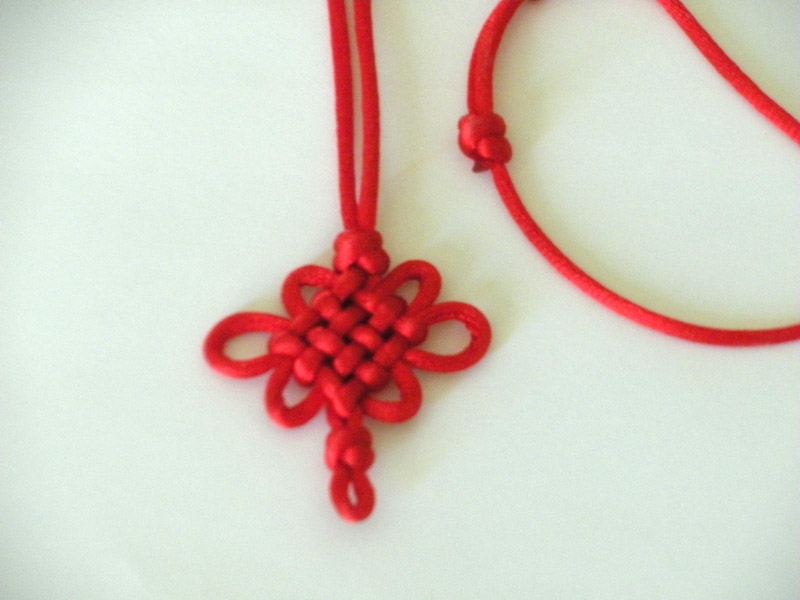 Chinese knottingA folk craft of cord tied into lucky shapes, made in China and given as charms
 OvooA stone cairn on a peak or pass, circled by travellers and honoured in sky worship
 Water lanternSmall lamps floated on water to honour the dead and ask for good fortune
Good reading and sources
- Chinese paper-cutUNESCO, Heritage listing
- Paper Cutting - Smithsonian's National Museum of Asian ArtSmithsonian, Article
- Chinese paper-cutUNESCO, Article
- Paper Cutting - Smithsonian's National Museum of Asian ArtSmithsonian, Article
- Chinese paper cutting on WikipediaEncyclopedia
- More photos on Wikimedia CommonsPhotos and video
- Wikidata recordOpen data
The facts on this page come from the Wikipedia article "Chinese paper cutting", written by its contributors and used under the CC BY-SA 4.0 licence, and from its Wikidata record (CC0). EveryParampara rewrote the text in its own words, with AI assistance, and compares every page with the article to make sure no passage is copied. It may be reused under the same CC BY-SA 4.0 licence with a link back.
It may contain mistakes. Traditions differ from one family, village and community to the next, and the people who keep them know them best. If something is wrong, tell us. Last refreshed 2026-10-05.
More from China
All the traditions of China
🇨🇳 China and 2 moreChinese knotting中國結 (Zhōngguó jié)
A folk craft of cord tied into lucky shapes, made in China and given as charmsCraft
🇺🇬 Uganda and 4 moreBarkcloth
Cloth beaten from tree bark across Africa, Asia and the PacificCraft
 🇨🇳 China and 1 moreChinese patchwork
A needlework craft joining fabric scraps into protective clothing, quilts and folk artCraft
🇨🇳 China and 1 moreChinese patchwork
A needlework craft joining fabric scraps into protective clothing, quilts and folk artCraft
 🇨🇳 Huizhou, ChinaHui-style architecture
A traditional Chinese building style of white walls, dark tiles and horse-head gablesCraft
🇨🇳 Huizhou, ChinaHui-style architecture
A traditional Chinese building style of white walls, dark tiles and horse-head gablesCraft
The same idea elsewhere
New Year compared 🇮🇩 IndonesiaSlametan
A short communal meal on Java where neighbours share food, prayer and a wish for peaceSpiritual · Feasts and festival meals
🇮🇩 IndonesiaSlametan
A short communal meal on Java where neighbours share food, prayer and a wish for peaceSpiritual · Feasts and festival meals
 🇮🇳 India and 2 morePujaपूजा (pūjā)
Hindu worship: light, flowers and food offered to a deity or a guestSpiritual
🇮🇳 India and 2 morePujaपूजा (pūjā)
Hindu worship: light, flowers and food offered to a deity or a guestSpiritual
 🇱🇦 Laos and 1 moreBaciບາສີ (Lao)
A Lao rite that calls the soul home and ties a thread on the wrist for good luckSpiritual
🇱🇦 Laos and 1 moreBaciບາສີ (Lao)
A Lao rite that calls the soul home and ties a thread on the wrist for good luckSpiritual
 🇹🇱 Timor-LesteUma Lulik
Sacred ancestral clan houses and ritual shrines in East TimorSpiritual
🇹🇱 Timor-LesteUma Lulik
Sacred ancestral clan houses and ritual shrines in East TimorSpiritual