Spiritual and religiousEuropePagan and ancient
Esbat
A Wiccan coven gathering held each month, most often when the moon is full
An esbat is a meeting or rite held by a Wiccan coven, or by other contemporary Pagans, on a date that is not one of the religion's festivals. Groups usually gather about once a month, close to a full or a new moon, to worship, reflect, work magic, talk business or simply enjoy one another's company.
When is Esbat kept?
Esbat is kept on about once a month, at the full moon or the new moon.
An esbat is a gathering or rite that Wiccans hold at times other than their festivals. It may be a working meeting, an initiation, a healing session, a chance to practise psychic skills, or a night of shared food and company. Most covens keep one each month, timing it to a full or new moon. Some people meet alone; most meet in a group.
What an esbat is
Wiccans use the word esbat for any coven meeting or rite that falls outside the festivals of their year. The occasions differ widely. A group may gather to settle coven business, to bring a new member through initiation, to share a meal, to work for healing, or to train in psychic skills. Janet and Stewart Farrar, two well-known writers in the tradition, called an esbat a chance for shared food, healing and the growth of psychic ability. Because these rites are set apart for worship, some compare them to Sunday for Christians or Friday evening for Jews. A coven may open its esbat to outsiders or keep it for initiated members only, and accounts differ.
The name and its history
The word comes from Old French s'esbattre, which the modern French ébat still echoes; it means to amuse oneself or to frolic. The anthropologist Margaret Murray took the term from French records of witch trials while she was trying to piece together a witch religion in western Europe, and Pagans later adopted it. Murray also wrote that an esbat differed from a sabbat because it was mainly for business, and that often it was kept for enjoyment alone. The high priestess Doreen Valiente later drew a line between esbats held at the full moon and other esbatic occasions.
How rites are held
Covens meet in a member's home or outdoors. An altar is laid with candles, an athame, incense, pentacles, things gathered from nature, bowls of water, mirrors and crystals. Those taking part first set the space apart as sacred. Then come prayer, meditation and contact with the divine. Much of the work is reflection: what has shifted since the last moon, what the group hopes to change before the next one, and what they are thankful for. A closing follows. Members often say these nights leave them spiritually satisfied and help their own growth.
The two moons
Rites timed to a full moon are busy and joyful. Those present may work for wholeness, for children and families, for clear sight, or for love, and many covens gather at midnight, when the moon shows best. A central act is drawing down the moon: the essence of the lunar goddess is called into a member, usually a priestess, through a tool such as a chalice or a knife, and the goddess then speaks through her to the group. A rite at the new moon, sometimes called the dark moon, turns instead toward what is hidden. It may honour a dark or maiden goddess, put an end to something unwanted, or close a chapter of life, and it can be held in the mid-afternoon, when the moon stands high.
Bread, drink and meaning
The full moon esbat usually closes with cakes and ale. Cookies or a loaf of bread and a cup of wine or another drink are set on the altar at the centre. Each person in turn blesses the bread, breaks off a piece, eats it and passes the rest on clockwise; the cup goes round in the same way. Those taking part hold the bread and the drink to stand for the goddess herself, and sharing them lets each person honour her as they wish.
How Esbat is kept
A coven meets in a member's house or outdoors. An altar is prepared with candles, a ritual knife, incense, pentacles, natural objects, water, mirrors and crystals. The space is made sacred, and those present pray, meditate and open themselves to the divine. They then look back over the past moon, name what they hope to change before the next, and give thanks. A closing ends the rite, and a full moon night often finishes with bread and a shared cup. Some covens admit visitors, others only initiates, and one person may keep an esbat alone.
When and where
An esbat comes about once a month. Covens pick a night when the moon is full or new. Thirteen moons fall in a solar year, so thirteen such nights are available. Full moon rites are most often at midnight, and a new moon esbat may be held in the afternoon. Some covens also mark other esbatic occasions at different times.
Esbats belong to Wicca and to other contemporary Pagan paths that Wicca has shaped. Covens keep them wherever those traditions are followed, gathering in a member's home or in the open air. The sources tie the rite to no single town or region; Norway is recorded as its country of origin.
What Esbat means
Members treat the moon as a link to the feminine and to goddesses, so a meeting held under it carries that meaning. The night is set apart for worship rather than ordinary talk, and those who keep it describe it as feeding them inwardly. The reflection has weight too: what the past moon brought, what they want to alter, and what they are grateful for. Each gathering marks a small turn in the shared life of the group.
Questions people ask about Esbat
When is Esbat kept?
Esbat is kept on about once a month, at the full moon or the new moon.
What is an esbat?
It is a coven meeting or ritual kept by Wiccans and other contemporary Pagans on a date that is not one of the faith's festivals. It can be a business meeting, an initiation, a social evening or a time of worship and meditation.
Do people keep an esbat alone?
They can. The sources say an esbat may be a solitary affair, though it is more often held by a group. Some covens open their rites to the public and others allow only initiated members, and accounts differ on which is more usual.
What happens at a full moon esbat?
Members may work for wholeness, for family, for clear sight or for love. A priestess often has the moon's energy drawn into her and speaks for the goddess. The night generally ends with bread and a cup passed around the circle.
How does it differ from a sabbat?
Sabbats are the festivals of the Wiccan year. Esbats fall at other times and are mainly for coven business, though the anthropologist Margaret Murray noted that they were often kept simply for enjoyment.
See also
 NisseA small farm spirit of Nordic folklore, given porridge at midwinter
 CandlemasA Christian feast of candle blessings marking the end of the Christmas season
 OvooA stone cairn on a peak or pass, circled by travellers and honoured in sky worship
 MikoA woman who serves at a Shinto shrine, dancing, cleansing and helping with rites
Good reading and sources
The facts on this page come from the Wikipedia article "Esbat", written by its contributors and used under the CC BY-SA 4.0 licence, and from its Wikidata record (CC0). EveryParampara rewrote the text in its own words, with AI assistance, and compares every page with the article to make sure no passage is copied. It may be reused under the same CC BY-SA 4.0 licence with a link back.
It may contain mistakes. Traditions differ from one family, village and community to the next, and the people who keep them know them best. If something is wrong, tell us. Last refreshed 2026-10-05.
More from Norway
All the traditions of Norway 🇩🇪 Germany and 5 moreWhit Monday
The Christian feast and public holiday held on the day after PentecostSpiritual
🇩🇪 Germany and 5 moreWhit Monday
The Christian feast and public holiday held on the day after PentecostSpiritual
 🇮🇸 Iceland and 2 moreYuleġēol (Old English); jól (Old Norse)
The Germanic midwinter festival that Christmas grew out of, kept today by HeathensSpiritual
🇮🇸 Iceland and 2 moreYuleġēol (Old English); jól (Old Norse)
The Germanic midwinter festival that Christmas grew out of, kept today by HeathensSpiritual
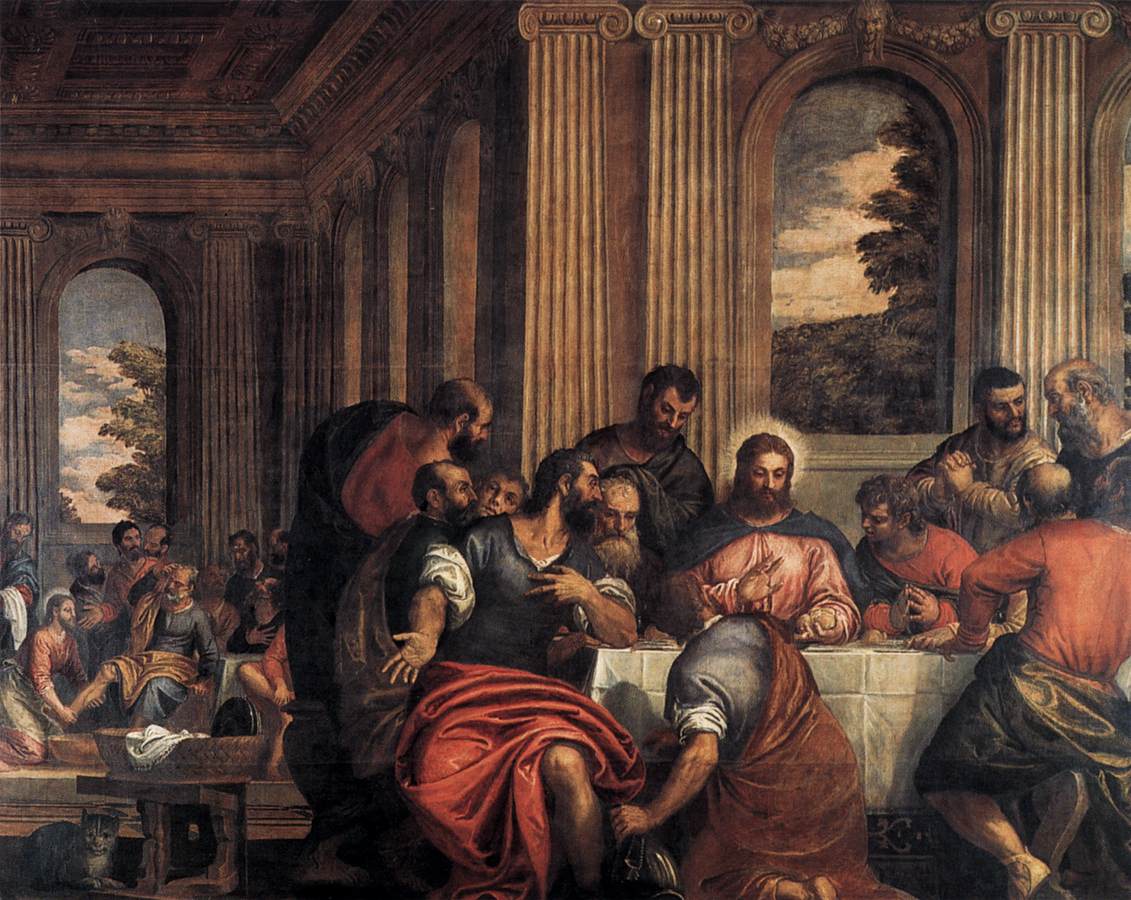 🇵🇭 Philippines and 5 moreMaundy ThursdayDies Cenae Domini
A Christian feast marking the start of Easter observances with foot washing and communion services.Spiritual
🇩🇰 Denmark and 3 moreNissenisse (Danish, Norwegian); tomte (Swedish); tonttu (Finnish)
A small farm spirit of Nordic folklore, given porridge at midwinterFolklore
🇵🇭 Philippines and 5 moreMaundy ThursdayDies Cenae Domini
A Christian feast marking the start of Easter observances with foot washing and communion services.Spiritual
🇩🇰 Denmark and 3 moreNissenisse (Danish, Norwegian); tomte (Swedish); tonttu (Finnish)
A small farm spirit of Nordic folklore, given porridge at midwinterFolklore
The same idea elsewhere
Healing, luck and protection compared 🇮🇳 India and 4 moreWater lantern
Small lamps floated on water to honour the dead and ask for good fortuneFestival
🇮🇳 India and 4 moreWater lantern
Small lamps floated on water to honour the dead and ask for good fortuneFestival
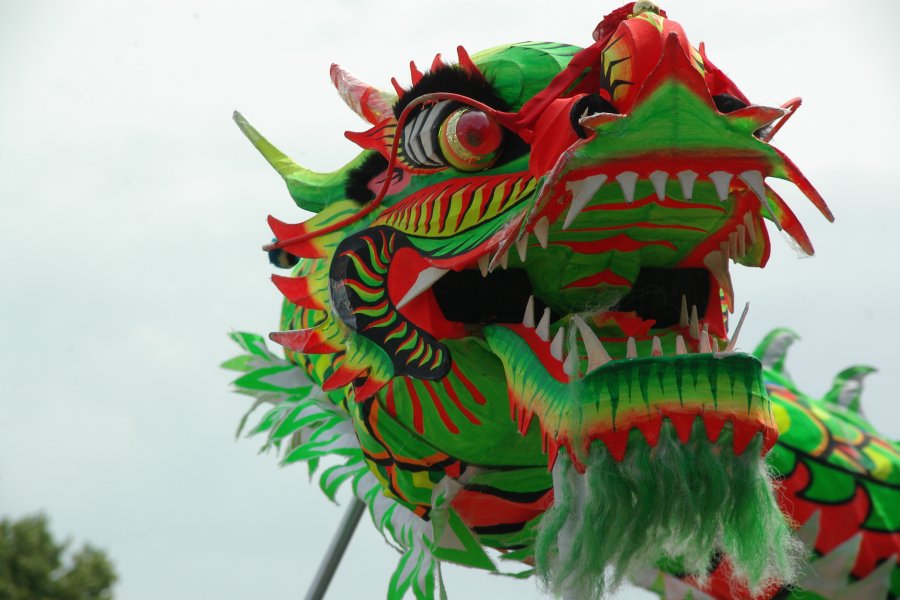 🇨🇳 China and 3 moreDragon dance舞龍 / 舞龙
A long dragon puppet on poles, danced by a team at Chinese New Year and other festivalsPerformance
🇨🇳 China and 3 moreDragon dance舞龍 / 舞龙
A long dragon puppet on poles, danced by a team at Chinese New Year and other festivalsPerformance
 🇺🇸 United States and 4 moreFriday the 13th
A Western folk superstition regarding the unluckiness of a Friday falling on the 13th.Folklore
🇵🇬 Trobriand Islands, Papua New GuineaTrobriand cricket
Cricket as played in the Trobriand Islands, with chants, dances and a feastGame
🇺🇸 United States and 4 moreFriday the 13th
A Western folk superstition regarding the unluckiness of a Friday falling on the 13th.Folklore
🇵🇬 Trobriand Islands, Papua New GuineaTrobriand cricket
Cricket as played in the Trobriand Islands, with chants, dances and a feastGame