🇳🇴 Traditions of Norway
37 traditions from Norway, best known first, across 9 cities and towns.
Norwegian traditions are rooted in a rugged northern geography, maritime life and a deep reliance on timber. Long winters gave rise to clever methods of curing fish and meat, celebrated today in hearty shared stews and seasonal feasts. From medieval wooden stave churches to the quiet ritual of the daily packed lunch, everyday customs balance practical simplicity with lasting communal ties.
Daily life in Norway reflects a close bond with coastal waters, mountain farmland and cold winters. People shape their routines around seasonal provisions, preserving meat and fish for dark months and gathering for simple meals of bread, cheese and warm porridge. Centuries of building with timber continue to define both village churches and civic halls. These living habits keep older methods of farming, cooking and craft at the heart of modern domestic life.
Daily meals and bread
Mornings often begin with bread, cheese, milk and berries, or warm bowls of porridge known as grøt, which can be made with milk, sour cream or rice. For the midday meal, workers and schoolchildren carry a matpakke. This packed lunch consists of open-faced sandwiches separated by thin sheets of wax paper. Elaborate open sandwiches, called smørbrød, feature more toppings. Dinner is the main meal of the day, eaten in the late afternoon or early evening between four and seven. Plates center on fish or meat accompanied by potatoes. Later at night, many people enjoy kveldsmat, a light supper similar to breakfast before going to sleep.
Seasons of cured food
Harsh northern winters historically required careful preservation of food, creating flavors that remain beloved today. Autumn brings mutton and cabbage stew known as fårikål, simmered with whole black peppercorns and recognized as the national dish. Cured lamb leg, called fenalår, is sliced thin and served alongside flatbread or sour cream. Meatballs and patties like kjøttkaker appear regularly with brown sauce, potatoes and lingonberry relish. Slow-cooked vegetable and meat stews, known as lapskaus, provide everyday warmth. When spring arrives, roasted leg of lamb is prepared for Easter gatherings, while game meats are saved for major family occasions throughout the year.
Winter holiday tables
Christmas food traditions highlight regional specialties and preserved meats. In western districts, families steam cured mutton ribs over birch twigs to make pinnekjøtt, a meal that now reaches tables across the country with mashed swede, beer and aquavit. Thin potato or wheat flatbread, known as lefse, is baked for the festive season. Other holiday foods include boiled, salt-cured pig trotters called syltelabb, eaten with fingers alongside mustard and Christmas ale, and smalahove, a traditional salted sheep head. Fermented fish, or rakfisk, also belongs to midwinter gatherings, maintaining longstanding food customs passed through generations of coastal and mountain households.
Building with timber
Wood has always served as the primary material for Norwegian builders. During the early Middle Ages, communities erected wooden stave churches across the land, with Urnes Stave Church surviving as a notable world heritage monument. The historic wharf of Bryggen in Bergen preserves rows of narrow timber warehouses facing the harbor. Even modern public architecture draws from this heritage. In Kárášjohka, the debating hall of the Sami Parliament reinterprets the traditional lavvo, the nomadic Sami tent form, in sculpted wood. Modern architects continue to choose timber, keeping an ancient craft alive in contemporary public and domestic spaces.
Stories and regional art
Norwegian creative life holds strong links to local folklore and the natural environment. In the nineteenth century, scholars compiled regional folk tales, while painters traveled along the western fjords to capture dramatic mountain vistas and coastal light. This period shaped a distinct artistic culture, leading to the internationally celebrated plays of Henrik Ibsen and four Nobel Prizes in Literature. Visual arts expanded from landscape painting to the emotive expressionism of Edvard Munch. Photography also found early roots in mountain landscapes and portraiture, with women establishing studios across the country by the turn of the twentieth century.
The facts in this overview come from the Wikipedia article "Culture of Norway", written by its contributors and used under the CC BY-SA 4.0 licence. EveryParampara rewrote the text in its own words, with AI assistance, and compares every page with the article to make sure no passage is copied. It may be reused under the same CC BY-SA 4.0 licence with a link back.
The table in Norway
Foods and drinks by the moment they belong to.
Cities, towns and villages of Norway
 🇩🇰 Copenhagen, Denmark and 1 moreHygge
A Danish word for unhurried time at home with others, kept with candles and cookingHome
🇬🇧 Newcastle upon Tyne, United Kingdom and 5 moreRapper sword
A fast-paced five-person sword dance from the coalfields of North East England, kept alive by teams worldwide.Performance
🇩🇰 Copenhagen, Denmark and 1 moreHygge
A Danish word for unhurried time at home with others, kept with candles and cookingHome
🇬🇧 Newcastle upon Tyne, United Kingdom and 5 moreRapper sword
A fast-paced five-person sword dance from the coalfields of North East England, kept alive by teams worldwide.Performance
 🇳🇴 Norway and 3 moreJulebukkingGå julebukk
A Scandinavian Christmas custom where masked visitors go door to door for songs and treats.Festival
🇳🇴 Norway and 3 moreJulebukkingGå julebukk
A Scandinavian Christmas custom where masked visitors go door to door for songs and treats.Festival
 🇳🇴 Norway and 3 moreGákti
A traditional coat worn by the Sámi people across northern Scandinavia and Russia, signaling origin and status through cDress
🇳🇴 Norway and 3 moreGákti
A traditional coat worn by the Sámi people across northern Scandinavia and Russia, signaling origin and status through cDress
 🇳🇴 Bergen, NorwayBuekorps
Youth marching groups of Bergen's neighbourhoods, with drums, banners and a May paradeCeremony
🇳🇴 Bergen, NorwayBuekorps
Youth marching groups of Bergen's neighbourhoods, with drums, banners and a May paradeCeremony
 🇳🇴 Oslo, NorwayHolmenkollen Ski FestivalHolmenkollen skifestival
An annual Nordic skiing festival at Holmenkollen in Oslo, held each March since 1892Game
🇳🇴 Oslo, NorwayHolmenkollen Ski FestivalHolmenkollen skifestival
An annual Nordic skiing festival at Holmenkollen in Oslo, held each March since 1892Game
 🇩🇪 Germany and 5 moreAdvent calendarAdventskalender
A daily countdown to Christmas using doors, images, or small gifts.Festival
🇩🇪 Germany and 5 moreAdvent calendarAdventskalender
A daily countdown to Christmas using doors, images, or small gifts.Festival
 🇺🇸 United States and 5 moreRite of passage
A ceremony that marks leaving one group and entering another, with a new statusRite of passage
🇺🇸 United States and 5 moreRite of passage
A ceremony that marks leaving one group and entering another, with a new statusRite of passage
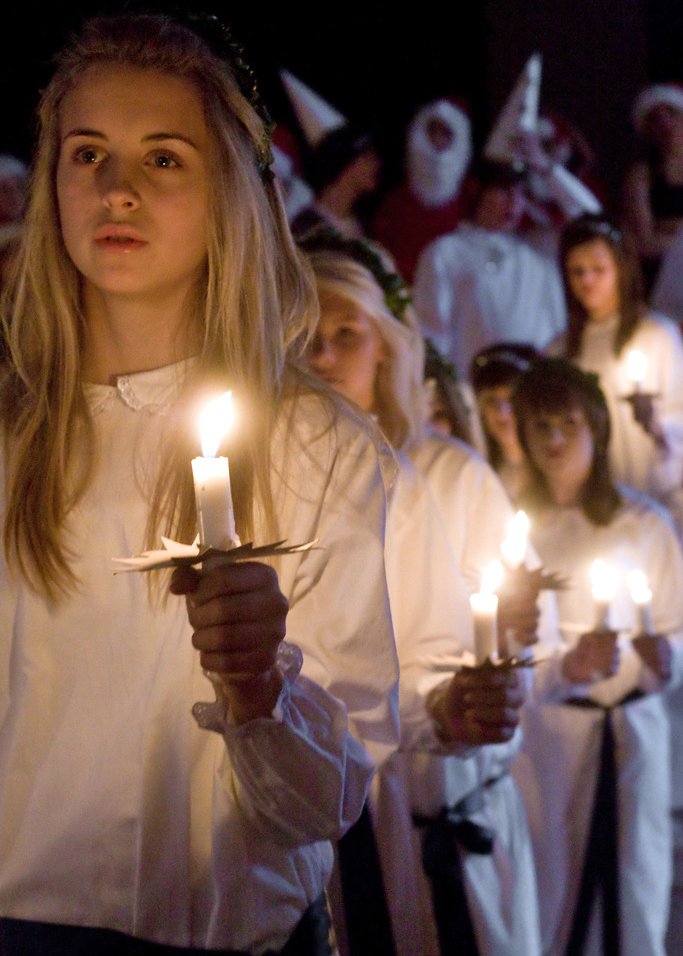 🇸🇪 Stockholm, Sweden and 4 moreSaint Lucy's Day
A December festival of light and song held across Scandinavia and Italy to honour a Christian martyr.Festival · Breakfast
🇸🇪 Stockholm, Sweden and 4 moreSaint Lucy's Day
A December festival of light and song held across Scandinavia and Italy to honour a Christian martyr.Festival · Breakfast
 🇳🇴 Oslo, Norway and 3 moreConstitution DaySyttende mai
A national public holiday in Norway marked by children's parades, flags, and traditional food.Festival · Tea-time and snacking customs
🇳🇴 Norway and 2 moreJoik
A Sámi song that evokes a person, animal or place instead of telling about themPerformance
🇳🇴 Oslo, Norway and 3 moreConstitution DaySyttende mai
A national public holiday in Norway marked by children's parades, flags, and traditional food.Festival · Tea-time and snacking customs
🇳🇴 Norway and 2 moreJoik
A Sámi song that evokes a person, animal or place instead of telling about themPerformance
 🇩🇪 Germany and 5 moreWhit Monday
The Christian feast and public holiday held on the day after PentecostSpiritual
🇩🇪 Germany and 5 moreWhit Monday
The Christian feast and public holiday held on the day after PentecostSpiritual
 🇩🇰 Copenhagen, Denmark and 4 moreRisalamande
A chilled Danish Christmas rice dessert with cream, chopped almonds and cherry sauceTable custom · Sweets given and shared
🇩🇰 Copenhagen, Denmark and 4 moreRisalamande
A chilled Danish Christmas rice dessert with cream, chopped almonds and cherry sauceTable custom · Sweets given and shared
 🇩🇰 Copenhagen, Denmark and 5 moreFastelavn
A pre-Lenten carnival in Northern Europe where children dress up, sing for treats, and break candy-filled barrels.Festival · Sweets given and shared
🇩🇰 Copenhagen, Denmark and 5 moreFastelavn
A pre-Lenten carnival in Northern Europe where children dress up, sing for treats, and break candy-filled barrels.Festival · Sweets given and shared
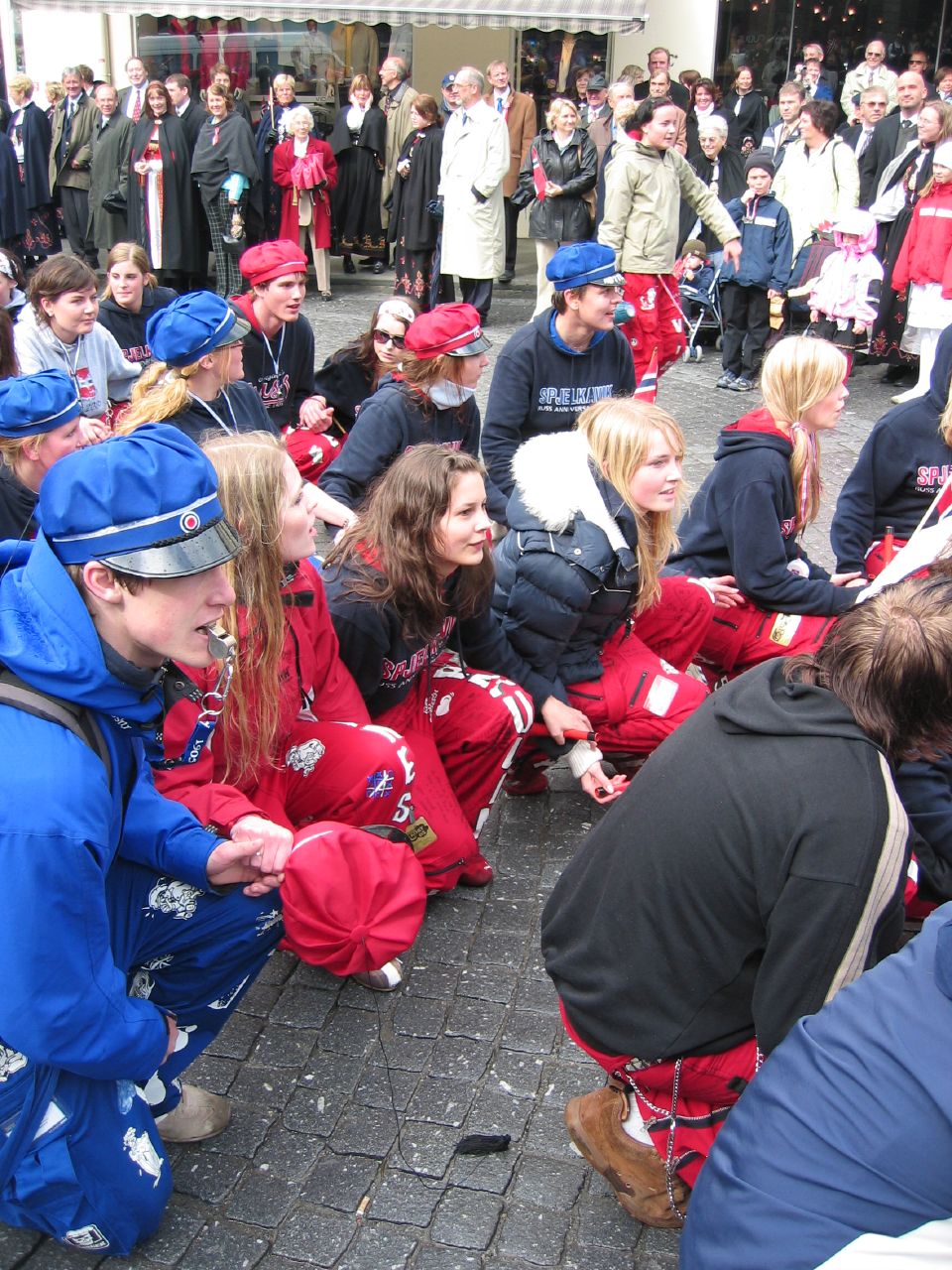 🇳🇴 Oslo, NorwayRussefeiring
A spring graduation rite of passage for Norwegian secondary school studentsRite of passage
🇳🇴 Oslo, NorwayRussefeiring
A spring graduation rite of passage for Norwegian secondary school studentsRite of passage
 🇳🇴 NorwayBunad
Norway's festive dress, tied to a home district and worn from weddings to 17 MayDress
🇳🇴 NorwayBunad
Norway's festive dress, tied to a home district and worn from weddings to 17 MayDress
 🇸🇪 Stockholm, Sweden and 2 moreSmorgasbordsmörgåsbord
A Swedish table of hot and cold dishes where guests serve themselvesTable custom · Lunch
🇸🇪 Stockholm, Sweden and 2 moreSmorgasbordsmörgåsbord
A Swedish table of hot and cold dishes where guests serve themselvesTable custom · Lunch
 🇨🇻 Boa Vista, Cape Verde and 5 moreMorna
Cape Verde's guitar-and-voice song, danced in pairs, listed by UNESCO in 2019Performance
🇨🇻 Boa Vista, Cape Verde and 5 moreMorna
Cape Verde's guitar-and-voice song, danced in pairs, listed by UNESCO in 2019Performance
 🇬🇧 United Kingdom and 4 moreSaffron bun
A golden, spiced yeast roll flavoured with saffron, baked for festive and holy daysTable custom · Tea-time and snacking customs
🇳🇴 NorwayJul
An eight-week Norwegian midwinter season of feasts, family gatherings, and gift-givingSeasonal · Lunch
🇬🇧 United Kingdom and 4 moreSaffron bun
A golden, spiced yeast roll flavoured with saffron, baked for festive and holy daysTable custom · Tea-time and snacking customs
🇳🇴 NorwayJul
An eight-week Norwegian midwinter season of feasts, family gatherings, and gift-givingSeasonal · Lunch
 🇳🇴 Norway and 2 moreJulebord
A Scandinavian Christmas banquet of traditional dishes, festive drinks and celebrationTable custom · Feasts and festival meals
🇳🇴 Norway and 2 moreJulebord
A Scandinavian Christmas banquet of traditional dishes, festive drinks and celebrationTable custom · Feasts and festival meals
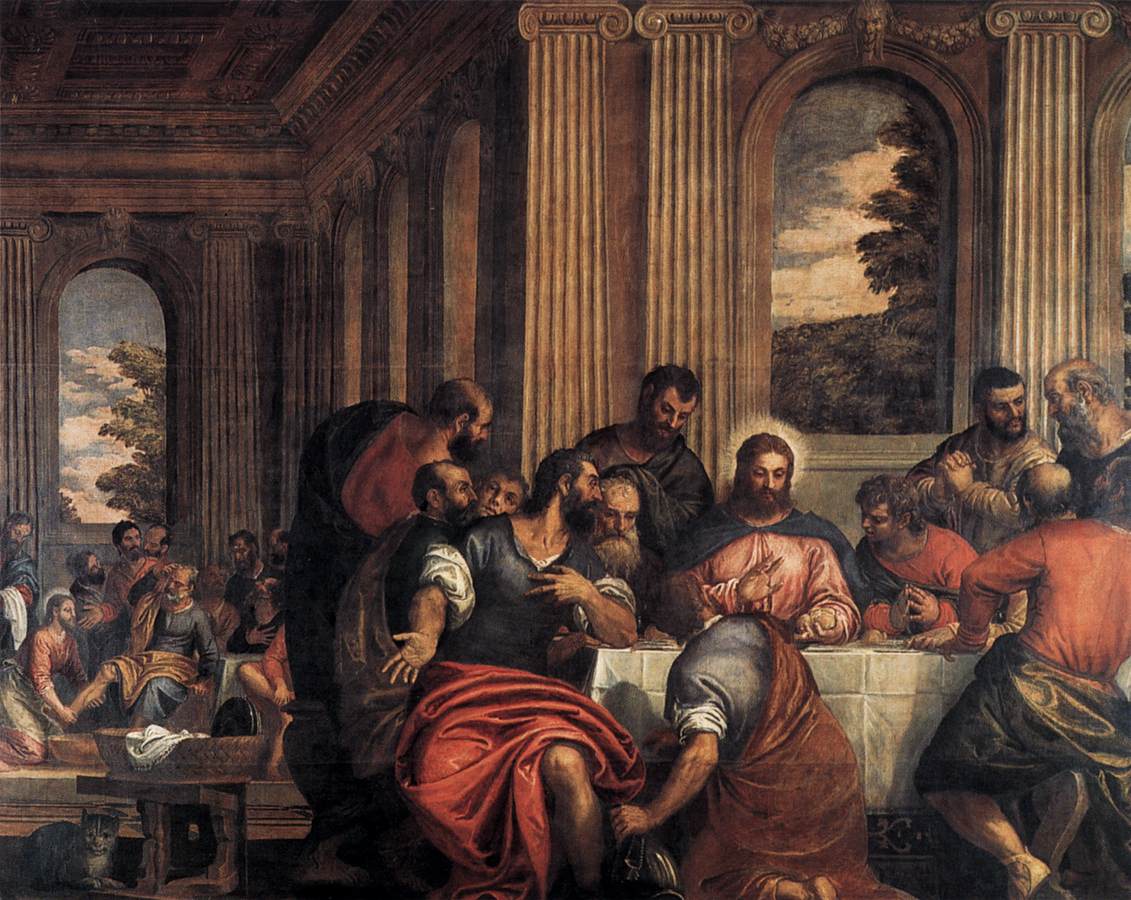 🇵🇭 Philippines and 5 moreMaundy ThursdayDies Cenae Domini
A Christian feast marking the start of Easter observances with foot washing and communion services.Spiritual
🇵🇭 Philippines and 5 moreMaundy ThursdayDies Cenae Domini
A Christian feast marking the start of Easter observances with foot washing and communion services.Spiritual
 🇮🇸 Iceland and 2 moreYuleġēol (Old English); jól (Old Norse)
The Germanic midwinter festival that Christmas grew out of, kept today by HeathensSpiritual
🇮🇸 Iceland and 2 moreYuleġēol (Old English); jól (Old Norse)
The Germanic midwinter festival that Christmas grew out of, kept today by HeathensSpiritual
 🇸🇪 Sweden and 3 moreCrayfish partykräftskiva
Boiled crayfish, snaps and paper lanterns at a late-summer party in Sweden and FinlandTable custom · Feasts and festival meals
🇸🇪 Sweden and 3 moreCrayfish partykräftskiva
Boiled crayfish, snaps and paper lanterns at a late-summer party in Sweden and FinlandTable custom · Feasts and festival meals
 🇩🇰 Denmark and 3 moreNissenisse (Danish, Norwegian); tomte (Swedish); tonttu (Finnish)
A small farm spirit of Nordic folklore, given porridge at midwinterFolklore
🇩🇰 Denmark and 3 moreNissenisse (Danish, Norwegian); tomte (Swedish); tonttu (Finnish)
A small farm spirit of Nordic folklore, given porridge at midwinterFolklore
 🇷🇺 Russia and 5 moreUshankaушанка
An ear-flapped fur hat from Russia, tied up or under the chin against the coldDress
🇷🇺 Russia and 5 moreUshankaушанка
An ear-flapped fur hat from Russia, tied up or under the chin against the coldDress
 🇬🇧 United Kingdom and 4 moreTowel Day
An annual worldwide celebration on 25 May honouring the author Douglas Adams.Festival
🇬🇧 United Kingdom and 4 moreTowel Day
An annual worldwide celebration on 25 May honouring the author Douglas Adams.Festival
 🇨🇳 Nanjing, China and 4 moreSingles' Day光棍节
A day for people without a partner that grew into the world's biggest shopping eventFestival
🇳🇴 NorwayEsbat
A Wiccan coven gathering held each month, most often when the moon is fullSpiritual
🇨🇳 Nanjing, China and 4 moreSingles' Day光棍节
A day for people without a partner that grew into the world's biggest shopping eventFestival
🇳🇴 NorwayEsbat
A Wiccan coven gathering held each month, most often when the moon is fullSpiritual
 🇩🇪 Germany and 5 moreSecular coming-of-age ceremony
A non-religious rite of passage for adolescents in Europe and North America, marking the transition to adulthood throughRite of passage
🇺🇸 New York, United States and 5 moreBundling
A traditional courtship practice where a couple shares a bed under supervision to ensure compatibility and accountabilitRite of passage
🇩🇪 Germany and 5 moreSecular coming-of-age ceremony
A non-religious rite of passage for adolescents in Europe and North America, marking the transition to adulthood throughRite of passage
🇺🇸 New York, United States and 5 moreBundling
A traditional courtship practice where a couple shares a bed under supervision to ensure compatibility and accountabilitRite of passage
 🇬🇧 United Kingdom and 3 moreSelkieselkie fowk
The seal shapeshifters of Scottish and northern island folkloreFolklore
🇬🇧 United Kingdom and 3 moreSelkieselkie fowk
The seal shapeshifters of Scottish and northern island folkloreFolklore
 🇬🇧 United Kingdom and 3 moreShielingÀirigh
Seasonal summer pasture living and traditional dairying in the Scottish hillsSeasonal
🇬🇧 United Kingdom and 3 moreShielingÀirigh
Seasonal summer pasture living and traditional dairying in the Scottish hillsSeasonal
 🇬🇧 United Kingdom and 5 moreBridesmaid
The companions and attendants who support a bride during a weddingRite of passage
🇬🇧 United Kingdom and 5 moreBridesmaid
The companions and attendants who support a bride during a weddingRite of passage
 🇳🇴 NorwayMárkomeannu
A Sámi music and cultural festival held in northern NorwayFestival
🇳🇴 NorwayMárkomeannu
A Sámi music and cultural festival held in northern NorwayFestival
 🇳🇴 Norway and 1 moreSølje
A silver brooch from Norway, worn with the bunad or on its ownDress
🇳🇴 Norway and 1 moreSølje
A silver brooch from Norway, worn with the bunad or on its ownDress
 🇮🇪 Ireland and 5 moreFairy ring
A natural ring of mushrooms formed by fungal growth, surrounded by folklore across Europe and beyond.Folklore
🇮🇪 Ireland and 5 moreFairy ring
A natural ring of mushrooms formed by fungal growth, surrounded by folklore across Europe and beyond.Folklore
Photo credits on this page
The small pictures above come from Wikimedia Commons under free licences. Some are cropped to fit.
- Bridesmaid: Photographer not credited; relative or work for hire of relative., CC BY-SA 4.0, source
- Saint Lucy's Day: Fredrik Magnusson, CC BY 2.0, source
- Constitution Day: evelinagustafsson@live.se, Public domain, source
- Advent calendar: Andrea Schaufler, CC BY 2.5, source
- Whit Monday: Eloquence, Public domain, source
- Fastelavn: Unknown author, Public domain, source
- Gákti: Thorguds, Public domain, source
- Risalamande: Lorie Shaull, CC BY-SA 4.0, source
- Russefeiring: Unknown author, CC BY 2.0, source
- Saffron bun: Nenniu, CC BY-SA 4.0, source
- Buekorps: Unknown author, CC BY-SA 2.5, source
- Hygge: Johan Wessman / News Oresund, CC BY 2.0, source
- Julebord: Holger.Ellgaard, CC BY-SA 3.0, source
- Holmenkollen Ski Festival: Ahhh25, CC BY-SA 3.0, source
- Maundy Thursday: Benedetto Caliari, Public domain, source
- Rite of passage: Rogier van der Weyden, Public domain, source
- Julebukking: Wolfgang Sauber, CC BY-SA 3.0, source
- Morna: Original uploader was Kotoviski at sv.wikipedia, CC BY-SA 3.0, source
- Smorgasbord: Jordan Klein, CC BY 2.0, source
- Bunad: Wolfmann, CC BY-SA 4.0, source
- Fairy ring: User:Mrs skippy, Public domain, source
- Sølje: Foto Anne-Lise Reinsfelt / Norsk Folkemuseum., CC BY-SA 3.0, source
- Yule: Robert Chambers, Public domain, source
- Crayfish party: Holger.Ellgaard, CC BY-SA 4.0, source
- Nisse: AlphaZeta, CC0, source
- Ushanka: Eugene Zelenko, CC BY-SA 4.0, source
- Singles' Day: Chrionexfleckeri1350, CC BY-SA 4.0, source
- Márkomeannu: Chmee2, CC BY-SA 3.0, source
- Towel Day: Bischy174, CC BY-SA 4.0, source
- Secular coming-of-age ceremony: Karsten Davideit, CC BY-SA 3.0 de, source
- Shieling: Gordon Hatton, CC BY-SA 2.0, source
- Selkie: Carolyn Emerick, CC BY-SA 3.0, source