Spiritual and religiousSoutheast AsiaChristian
Maundy Thursday
In its own language: Dies Cenae Domini
A Christian feast marking the start of Easter observances with foot washing and communion services.
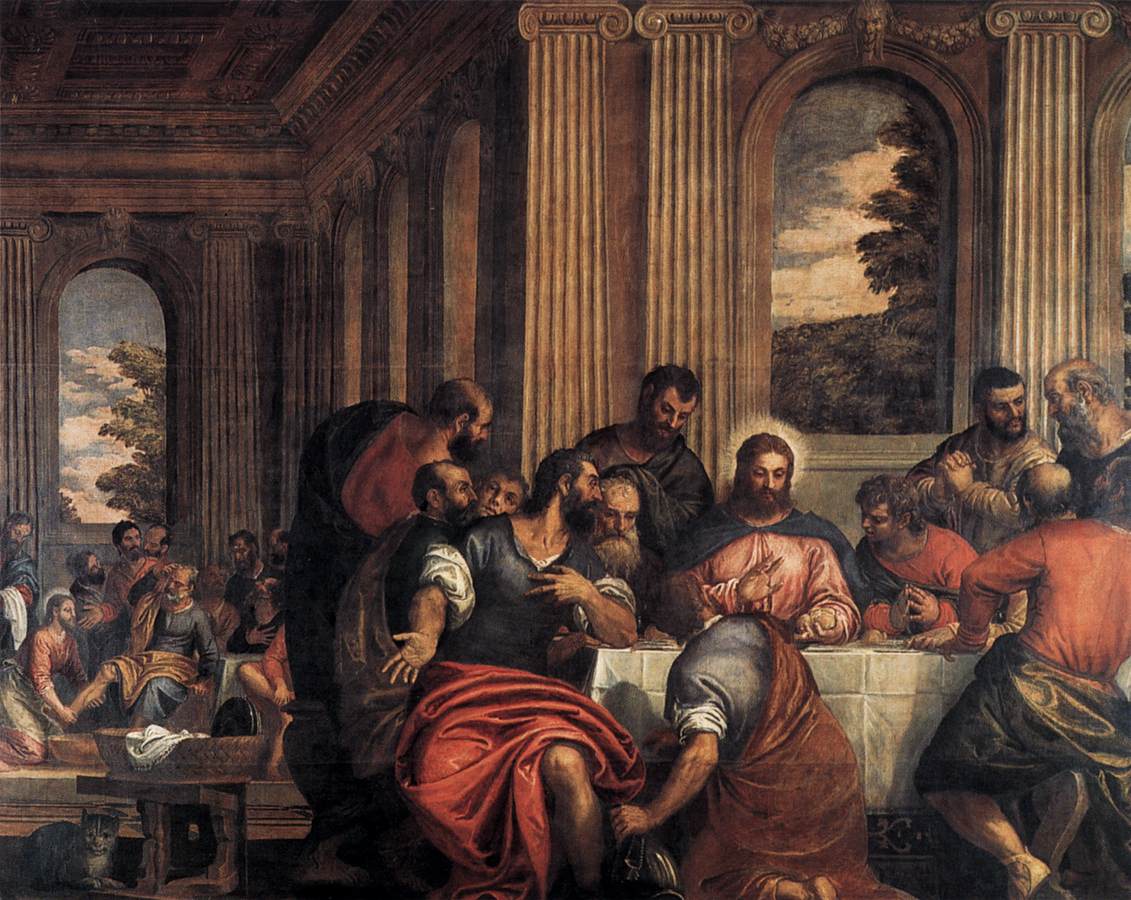
Christians keep Maundy Thursday to remember the Last Supper and the commandment to love one another. It falls on the fifth day of Holy Week, before Good Friday, and sets the stage for the Easter celebration across many nations.
When is Maundy Thursday kept?
Maundy Thursday is kept on the Thursday before Easter Sunday.
Maundy Thursday marks the beginning of the Paschal Triduum in the Christian calendar. Believers gather to recall the final meal shared by Jesus and his Apostles. The day focuses on humility through foot washing and the institution of the Eucharist. It serves as a solemn bridge between the joy of Palm Sunday and the sorrow of Good Friday.
What the day means
The name comes from the Latin word mandatum, meaning commandment. This refers to the instruction Jesus gave to wash the feet of others and to love each other. The observance begins the three-day period that leads to Easter. Christians view this time as a journey into the heart of their faith, moving from celebration to mourning and finally to resurrection.
How it is kept
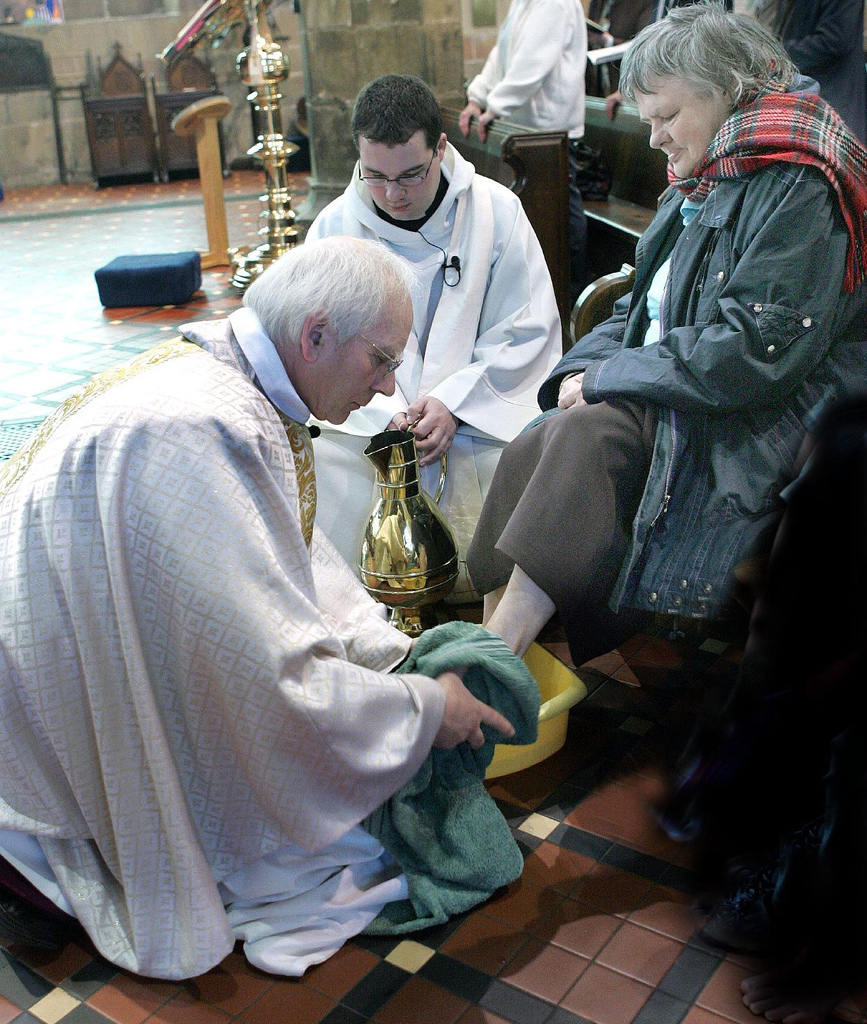
Many churches hold a Mass of the Lord's Supper in the evening. A priest or bishop may wash the feet of twelve people to show service. Some traditions strip the altars bare to symbolize abandonment. Bells fall silent until the Easter Vigil. In the Philippines and England, the day is a public holiday. People often attend special services rather than work during these hours of reflection.
Names and origins
Different groups use different titles for the day. Catholics often call it Holy Thursday, while Anglicans prefer Maundy Thursday. Eastern Orthodox churches refer to it as Great and Holy Thursday. The Nordic term Shere Thursday links to cleaning or brightness. The practice dates back to early church records from the second century, establishing a long tradition of remembrance.
Royal and civic rites
In the United Kingdom, the Monarch performs the Royal Maundy service. Senior citizens receive specially minted coins in red and white purses. This custom started under King Edward I. Historically, the sovereign also washed feet, a practice stopped after James II. The event rotates among churches in England, Wales, and Northern Ireland, blending religious duty with national ceremony.
How Maundy Thursday is kept
Christians attend evening services called the Mass of the Lord's Supper. Clergy may wash the feet of parishioners to demonstrate humility. Altars are stripped of decorations to reflect sorrow. Bells remain silent until Easter morning. In some countries, the day is a legal holiday allowing full participation in worship without work distractions.
When and where
It falls on the Thursday before Easter Sunday. The date changes every year because Easter depends on the lunar calendar. Western churches follow the Gregorian system, while Eastern churches often use the Julian calendar, leading to different dates.
The observance takes place in churches worldwide. It holds particular significance in the Philippines and the United Kingdom where it is an official public holiday. Nordic countries also maintain strong cultural ties to the day through specific naming conventions and local customs.
What Maundy Thursday means
The day represents service and love. Washing feet shows that leaders must serve others. Stripping altars reflects the betrayal and suffering of Jesus. The silence of bells creates a space for deep prayer. The entire sequence prepares believers for the hope of the resurrection that follows on Easter Sunday.


Questions people ask about Maundy Thursday
When is Maundy Thursday kept?
Maundy Thursday is kept on the Thursday before Easter Sunday.
What is Maundy Thursday?
It is a Christian feast day during Holy Week. It commemorates the Last Supper and the foot washing performed by Jesus. The name comes from the Latin word for commandment, highlighting the instruction to love one another.
Why is it a public holiday in some places?
Countries like the Philippines and the United Kingdom recognize it as a civic holiday. This allows people to attend religious services and participate in traditional ceremonies without the burden of daily work obligations.
What is the Royal Maundy service?
This is a ceremony in the UK where the Monarch gives coins to senior citizens. The number of recipients matches the sovereign's age. The tradition began centuries ago and combines royal duty with Christian charity and humility.
See also
 Holy Week in the PhilippinesAn eight-day observance of the Passion, death, and resurrection of Christ in the Philippines.
 Mother's DayA worldwide annual celebration dedicated to mothers, maternal bonds and family care
 Christmas EveThe evening before Christmas, marked by church services, family meals, and gift preparations across Christian cultures.
 Saint David's DayThe national feast day of Wales, marked with parades, poetry contests and daffodils
Good reading and sources
- Maundy Thursday on WikipediaEncyclopedia
- More photos on Wikimedia CommonsPhotos and video
- Wikidata recordOpen data
The facts on this page come from the Wikipedia article "Maundy Thursday", written by its contributors and used under the CC BY-SA 4.0 licence, and from its Wikidata record (CC0). EveryParampara rewrote the text in its own words, with AI assistance, and compares every page with the article to make sure no passage is copied. It may be reused under the same CC BY-SA 4.0 licence with a link back.
It may contain mistakes. Traditions differ from one family, village and community to the next, and the people who keep them know them best. If something is wrong, tell us. Last refreshed 2026-10-04.
More from the Philippines
All the traditions of the Philippines 🇵🇭 Manila, Philippines and 5 moreNovena
A nine-day Christian prayer tradition for petitions, feasts, or mourning.Spiritual
🇵🇭 Manila, Philippines and 5 moreNovena
A nine-day Christian prayer tradition for petitions, feasts, or mourning.Spiritual
 🇵🇸 Jerusalem, Palestine and 2 moreStations of the CrossVia Crucis
A Christian prayer journey following fourteen moments of the Passion of JesusSpiritual
🇵🇭 Manila, PhilippinesHoly Week in the PhilippinesMahal na Araw
An eight-day observance of the Passion, death, and resurrection of Christ in the Philippines.Spiritual
🇵🇸 Jerusalem, Palestine and 2 moreStations of the CrossVia Crucis
A Christian prayer journey following fourteen moments of the Passion of JesusSpiritual
🇵🇭 Manila, PhilippinesHoly Week in the PhilippinesMahal na Araw
An eight-day observance of the Passion, death, and resurrection of Christ in the Philippines.Spiritual
 🇮🇹 Italy and 2 moreFeast of Saint Thomas Aquinas
An annual Christian feast day honouring the medieval theologian Saint Thomas AquinasSpiritual
🇮🇹 Italy and 2 moreFeast of Saint Thomas Aquinas
An annual Christian feast day honouring the medieval theologian Saint Thomas AquinasSpiritual
The same idea elsewhere
Pilgrimage compared
🇺🇸 United States and 5 moreMother's Day
A worldwide annual celebration dedicated to mothers, maternal bonds and family careHome
 🇮🇱 Jerusalem, IsraelPassoverפסח
A Jewish spring festival celebrating freedom from slavery with ritual mealsSpiritual · Dinner
🇵🇱 Poland and 5 moreChristmas Eve
The evening before Christmas, marked by church services, family meals, and gift preparations across Christian cultures.Festival · Dinner
🇮🇱 Jerusalem, IsraelPassoverפסח
A Jewish spring festival celebrating freedom from slavery with ritual mealsSpiritual · Dinner
🇵🇱 Poland and 5 moreChristmas Eve
The evening before Christmas, marked by church services, family meals, and gift preparations across Christian cultures.Festival · Dinner
 🇮🇱 Jerusalem, IsraelSukkotסוכות
A seven-day autumn Jewish festival of temporary booths, harvest prayers and hospitalitySpiritual
🇮🇱 Jerusalem, IsraelSukkotסוכות
A seven-day autumn Jewish festival of temporary booths, harvest prayers and hospitalitySpiritual