Spiritual and religiousCentral Asia and the CaucasusChristian
Feast of the Transfiguration
In its own language: Պայծառակերպութիւն
A Christian holy day marking the revelation of Christ's divine glory on Mount Tabor

A major Christian holy day commemorating the transfiguration of Jesus before his disciples on a mountain. Observed across Eastern Orthodox, Catholic, Anglican, Oriental, and Protestant traditions, the feast features festive liturgies, light vigils, and the blessing of seasonal fruits.
When is Feast of the Transfiguration marked?
Feast of the Transfiguration is kept as part of Vardavar, which is on Sunday, 4 July 2027.
The Feast of the Transfiguration is a major Christian holy day that commemorates the moment Jesus revealed his divine glory to his disciples on a mountain. Observed across Eastern Orthodox, Catholic, Anglican, Oriental Orthodox, and Protestant traditions, the feast celebrates the fulfillment of scripture. Worshippers gather for festive liturgies, light vigils, and rituals such as the blessing of seasonal fruits.
Origins and history
The holy day may trace back to the dedication of three ancient basilicas on Mount Tabor. Liturgical records show varied observances established by the ninth century. In western Europe, Pope Callixtus the Third made the feast universal across the Roman rite in the fifteenth century. This papal decree commemorated the lifting of the siege of Belgrade in 1456, when news of the victory over Ottoman forces reached Rome on the sixth of August. Over subsequent centuries, Anglican and reformed prayer books gradually reintroduced readings for the day.
Eastern liturgical customs
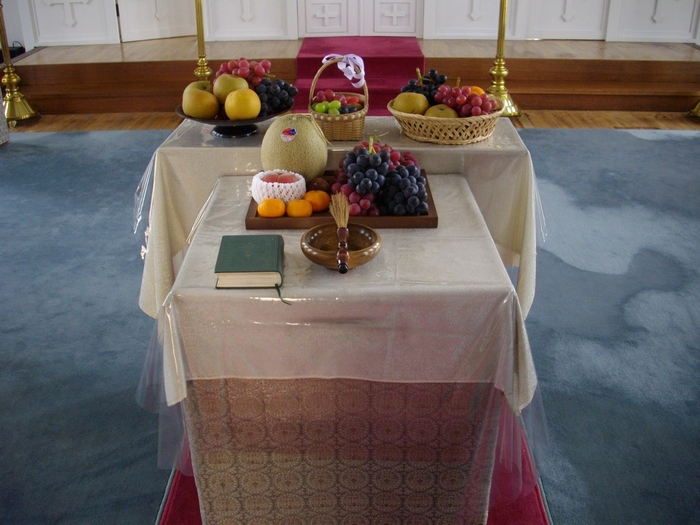
In Byzantine Catholic and Eastern Orthodox traditions, the celebration counts among the twelve Great Feasts of the church year. Observances begin on the eve with an All-Night Vigil. Because the feast falls during the strict Dormition fast, dietary rules soften to permit the eating of fish, olive oil, and wine. At the end of the Divine Liturgy, congregants bring freshly harvested grapes to the altar to receive a blessing. Where vineyards do not grow, worshippers present apples or other garden fruits instead.
Variations across churches
The Armenian Apostolic Church celebrates the occasion on the fourteenth Sunday following Easter, blending church rites with the traditional water festival known as Vardavar. In the Coptic Orthodox calendar, the day falls during Saint Mary's Fast on the thirteenth of Mesri and is sung in a joyful musical mode. Ethiopian Christians link the date to the Buhe ceremony. Meanwhile, many North American Lutheran and Presbyterian congregations observe Transfiguration Sunday on the final Sunday before Ash Wednesday.
Theological meaning
Christian theology views the transfiguration as an encounter with the divine Trinity, where the Father spoke, the Son shone with uncreated light, and the Holy Spirit appeared as a cloud. Eastern Christian thinkers refer to this radiance as the Tabor Light. Old Catholic and Orthodox traditions teach that the event displays humanity in its pure, radiant state united with God. In the Catholic rosary, Pope John Paul the Second designated the scene as one of the luminous mysteries.
How Feast of the Transfiguration is kept
Worshippers attend special church services, often starting with an All-Night Vigil the evening before in Eastern rites. Priests celebrate the festive liturgy, which supersedes regular Sunday readings if the dates coincide. In Byzantine parishes, people bring baskets of grapes or apples to the sanctuary for the blessing of the first fruits. Fasting restrictions are briefly relaxed to allow meals with fish, wine, and oil. In Armenia, the day includes joyous outdoor water games, while Ethiopian congregations hold the Buhe ceremony.
When and where
Most Catholic, Anglican, and Revised Julian Orthodox churches keep the feast on 6 August. Parishes following the older Julian calendar mark it on 19 August in the civil calendar. The Armenian Church celebrates it on the fourteenth Sunday after Easter, while some Lutheran and Presbyterian bodies observe it on the Sunday before Ash Wednesday.
The feast is observed across the globe wherever Christian congregations worship, including Europe, the Middle East, North America, and Africa. It holds deep community roots among Eastern Orthodox and Eastern Catholic believers, as well as Armenian, Coptic, and Ethiopian Orthodox churches.
What Feast of the Transfiguration means
The holy day represents the revelation of Christ as divine and the fulfillment of the law and the prophets. In Eastern theology, it is considered a manifestation of the Trinity, termed a small epiphany. The light shown on the mountain reveals human nature restored in divine radiance and offers hope of spiritual transformation. The blessing of fruit symbolizes thanksgiving for creation.

Days Feast of the Transfiguration is marked
Questions people ask about Feast of the Transfiguration
When is Feast of the Transfiguration marked?
Feast of the Transfiguration is kept as part of Vardavar, which is on Sunday, 4 July 2027.
What is the Feast of the Transfiguration?
It is a major Christian holy day that commemorates the moment Jesus was revealed in divine glory alongside Moses and Elijah before his disciples on a mountain.
Why are grapes blessed on this day?
In Eastern Orthodox and Byzantine Catholic churches, blessing grapes after the Divine Liturgy marks the offering of the year's first fruits to God in thanksgiving.
What is the connection to the siege of Belgrade?
In 1456, Hungarian troops repulsed an Ottoman army at Belgrade. Pope Callixtus the Third extended the feast across the Roman Church after victory news arrived on 6 August.
See also
 Holy SaturdayThe closing day of Holy Week, a Saturday of waiting, fasting and vigil before Easter
 Dormition of the Mother of GodA major feast in Eastern Christianity marking the death and heavenly ascent of Mary.Cenobitic monasticismA communal way of monastic life where monks live, pray, and follow a shared rule
 Sun DanceA days-long dance of fasting and sacrifice among the Plains peoples
Good reading and sources
- Encyclopaedia BritannicaArticle
- The Point of Armenia's Splashy Holiday Is Getting WetSmithsonian Magazine, Article
- The Point of Armenia's Splashy Holiday Is Getting WetSmithsonian Magazine, Article
- Feast of the Transfiguration on WikipediaEncyclopedia
- More photos on Wikimedia CommonsPhotos and video
- Wikidata recordOpen data
The facts on this page come from the Wikipedia article "Feast of the Transfiguration", written by its contributors and used under the CC BY-SA 4.0 licence, and from its Wikidata record (CC0). EveryParampara rewrote the text in its own words, with AI assistance, and compares every page with the article to make sure no passage is copied. It may be reused under the same CC BY-SA 4.0 licence with a link back.
It may contain mistakes. Traditions differ from one family, village and community to the next, and the people who keep them know them best. If something is wrong, tell us. Last refreshed 2026-10-06.
More from Armenia
All the traditions of Armenia 🇪🇹 Ethiopia and 5 moreNativity Fast
A forty-day Christian period of abstinence and prayer observed in preparation for Christmas.Spiritual
🇪🇬 Alexandria, Egypt and 5 moreCenobitic monasticism
A communal way of monastic life where monks live, pray, and follow a shared ruleSpiritual · Fasting and breaking the fast
🇪🇹 Ethiopia and 5 moreNativity Fast
A forty-day Christian period of abstinence and prayer observed in preparation for Christmas.Spiritual
🇪🇬 Alexandria, Egypt and 5 moreCenobitic monasticism
A communal way of monastic life where monks live, pray, and follow a shared ruleSpiritual · Fasting and breaking the fast
 🇷🇺 Russia and 5 moreBeheading of John the Baptist
A Christian holy day of strict fasting that marks the death of John the BaptistSpiritual · Fasting and breaking the fast
🇷🇺 Russia and 5 moreBeheading of John the Baptist
A Christian holy day of strict fasting that marks the death of John the BaptistSpiritual · Fasting and breaking the fast
 🇮🇹 Rome, Italy and 4 moreMarian feast days
Holy days across the liturgical year celebrating the life and veneration of Mary.Spiritual
🇮🇹 Rome, Italy and 4 moreMarian feast days
Holy days across the liturgical year celebrating the life and veneration of Mary.Spiritual
The same idea elsewhere
Harvest and thanksgiving compared 🇮🇳 Ayodhya, India and 7 moreDiwaliदीपावली (Dīpāvalī)
A five-day festival of lights celebrated across India and its diaspora to mark the victory of light over darkness.Festival · Feasts and festival meals
🇮🇳 Ayodhya, India and 7 moreDiwaliदीपावली (Dīpāvalī)
A five-day festival of lights celebrated across India and its diaspora to mark the victory of light over darkness.Festival · Feasts and festival meals
 🇷🇺 Russia and 2 moreMaslenitsaМасленица
A seven-day Eastern Slavic festival of pancakes and bonfires marking the end of winter before Lent.Festival · Breakfast
🇷🇺 Russia and 2 moreMaslenitsaМасленица
A seven-day Eastern Slavic festival of pancakes and bonfires marking the end of winter before Lent.Festival · Breakfast
 🇩🇪 Germany and 7 moreSt. Martin's DayMartinstag
A November feast of lantern walks, bonfires, roast goose and new wineSpiritual
🇩🇪 Germany and 7 moreSt. Martin's DayMartinstag
A November feast of lantern walks, bonfires, roast goose and new wineSpiritual
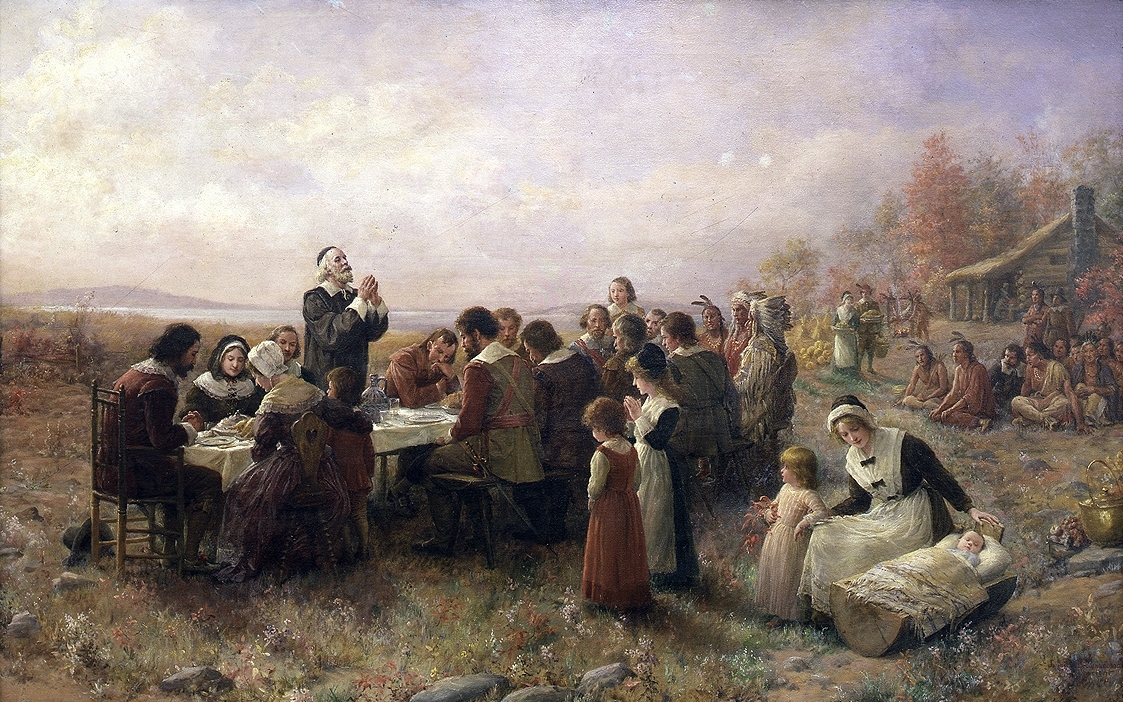 🇺🇸 Washington, United StatesThanksgiving
An annual American holiday of gratitude, family gatherings and an autumn harvest feastFestival · Dinner
🇺🇸 Washington, United StatesThanksgiving
An annual American holiday of gratitude, family gatherings and an autumn harvest feastFestival · Dinner