Festivals and celebrationsEuropeChristianPagan and ancient
Festa de São João do Porto
Porto's midsummer festival of street feasts, fireworks and playful hammer taps

Festa de São João do Porto is an annual midsummer festival celebrated across the city of Porto in northern Portugal. Honouring Saint John the Baptist alongside ancient solstice rites, crowds gather on 23 June for outdoor sardine feasts, bonfires, fireworks and long night-time walks to the ocean.
When is Festa de São João do Porto kept?
Festa de São João do Porto is kept on annually on the night of 23 June.
Festa de São João do Porto is an annual midsummer festival celebrated across the city of Porto in northern Portugal on the night of 23 June. Combining tribute to Saint John the Baptist with ancient sun customs, the gathering brings thousands into the streets. People celebrate from afternoon until dawn with music, open-air grills, bonfires, dancing, and light-hearted hammer taps shared among passing revellers.
Playful street traditions
As revellers wander through the packed streets, they take part in an unusual greeting ritual. People lightly strike passersby on the head using squeaky plastic hammers or stalks of flowering garlic. This playful gesture descends from pre-Christian courtship practices. Across neighbourhood squares, sound systems play music for spontaneous dancing, while younger participants jump over glowing street bonfires. Others launch delicate paper balloons, warmed and lifted into the night sky by small flames beneath them.
Food and midnight skies
Street-side grills send aromas across every district as vendors and families prepare simple outdoor feasts. Barbecued sardines, hearty servings of caldo verde and roasted meats are eaten alongside cups of local wine. When midnight arrives, music pauses as attention turns overhead for a major pyrotechnic and multimedia show above the Douro. This display represents ancient reverence for the midsummer sun, lighting the sky before the official program ends and informal night-time revelry resumes.
The coastal pilgrimage
Once midnight fireworks conclude, the gathering does not wind down. Thousands of revellers embark on a long nocturnal walk, moving away from historic riverside quarters like Ribeira and São Nicolau. Following the waterfront out to Foz do Douro, Nevogilde and Matosinhos, partygoers stay awake until the break of day. Gathered along the shoreline, they wait to welcome the morning sun over the Atlantic, with some taking a traditional swim in the sea waters.
History and sacred roots
Porto has marked this festival for more than six hundred years. By the nineteenth century, the feast had developed into the most significant annual event on the city calendar. Although dedicated to Saint John the Baptist, the night continuously blends church devotion with seasonal solstice practices. It remains a distinctively local gathering, where community feasts, outdoor music and long-standing folk rituals bring neighbours together across generations.
How Festa de São João do Porto is kept
Celebrations begin early in the afternoon of 23 June as crowds gather across Porto's historic districts. Revellers greet strangers by tapping them on the head with soft plastic hammers or brushing them with pungent garlic flowers. Open-air stalls grill sardines and meat while music plays. At midnight, everyone pauses to watch an elaborate firework display over the river. After the official show ends, many walk through the night toward the Atlantic coast, where they watch the sunrise and occasionally take a dip in the ocean.
When and where
The festival takes place annually on Saint John's Eve, falling on the afternoon and night of 23 June. Festivities carry on non-stop through the night until the morning of 24 June.
The celebration fills the city of Porto in northern Portugal, concentrating in old riverside neighbourhoods such as Ribeira and São Nicolau before revellers wander outward along the river to Foz do Douro, Nevogilde and nearby Matosinhos.
What Festa de São João do Porto means
The celebration intertwines Christian devotion to Saint John the Baptist with ancient pagan midsummer rites. Fire plays a central symbolic role, seen in the midnight fireworks, soaring hot-air balloons and bonfires that honour the power of the sun. The playful tapping of garlic flowers and hammers preserves older courtship rituals that marked the summer solstice.
Questions people ask about Festa de São João do Porto
When is Festa de São João do Porto kept?
Festa de São João do Porto is kept on annually on the night of 23 June.
What is Festa de São João do Porto?
It is an annual midsummer street festival held in Porto, Portugal. The event merges Catholic reverence for Saint John the Baptist with historic pagan solstice rituals, featuring outdoor dining, music and large street gatherings.
Why do revellers hit each other with plastic hammers?
Tapping passersby on the head with soft plastic hammers or stalks of flowering garlic is a lighthearted custom that developed from ancient midsummer courtship rituals.
What happens at midnight during the festival?
Partygoers pause to watch a major midnight fireworks show over the city sky. The pyrotechnics honour the sun and mark the end of formal events, after which street celebrations continue until dawn.
See also
 Processional giantsTowering costumed figures carried through town streets during communal festivals
 ChristmasA festival of Jesus's birth, kept on 25 December with gifts, lights and shared meals
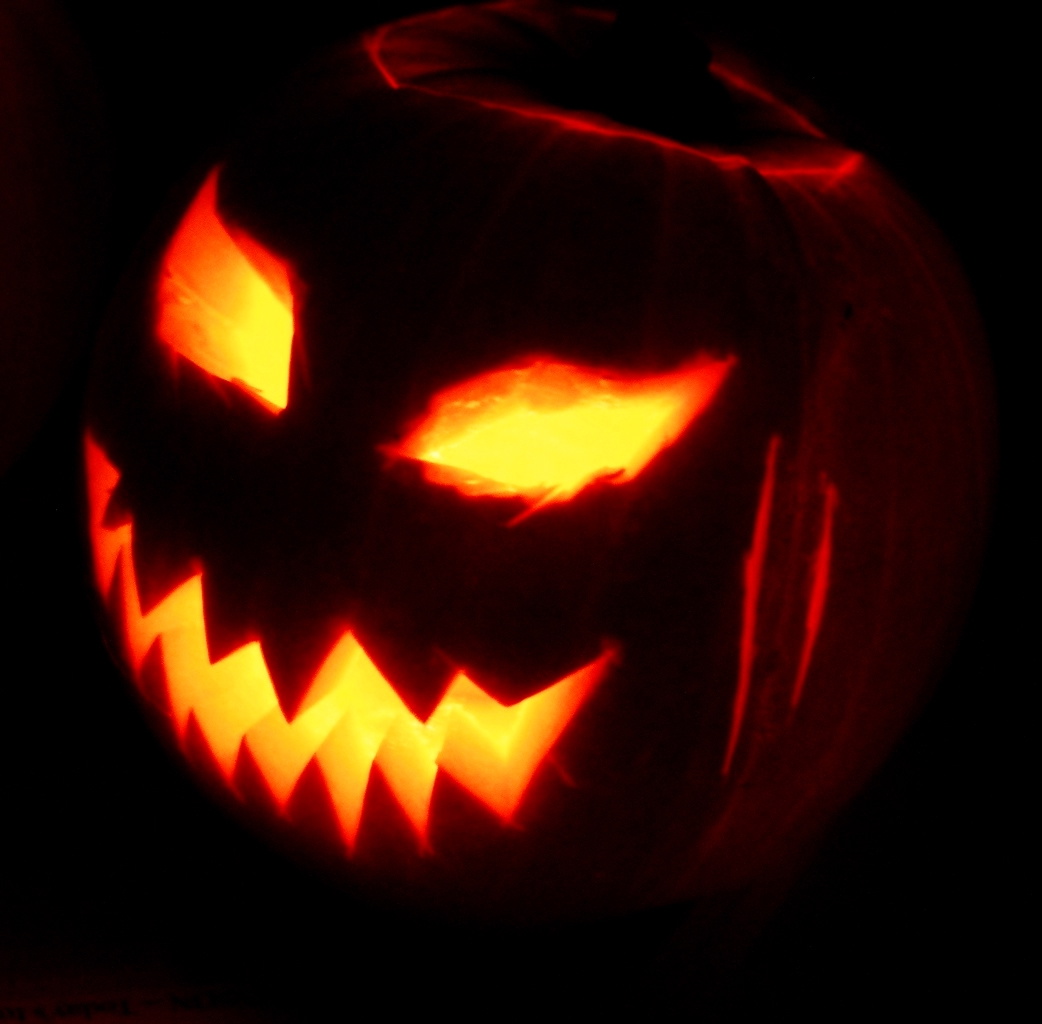 HalloweenAn annual observance on 31 October marking the eve of All Saints' Day, rooted in Christian tradition and Celtic heritage
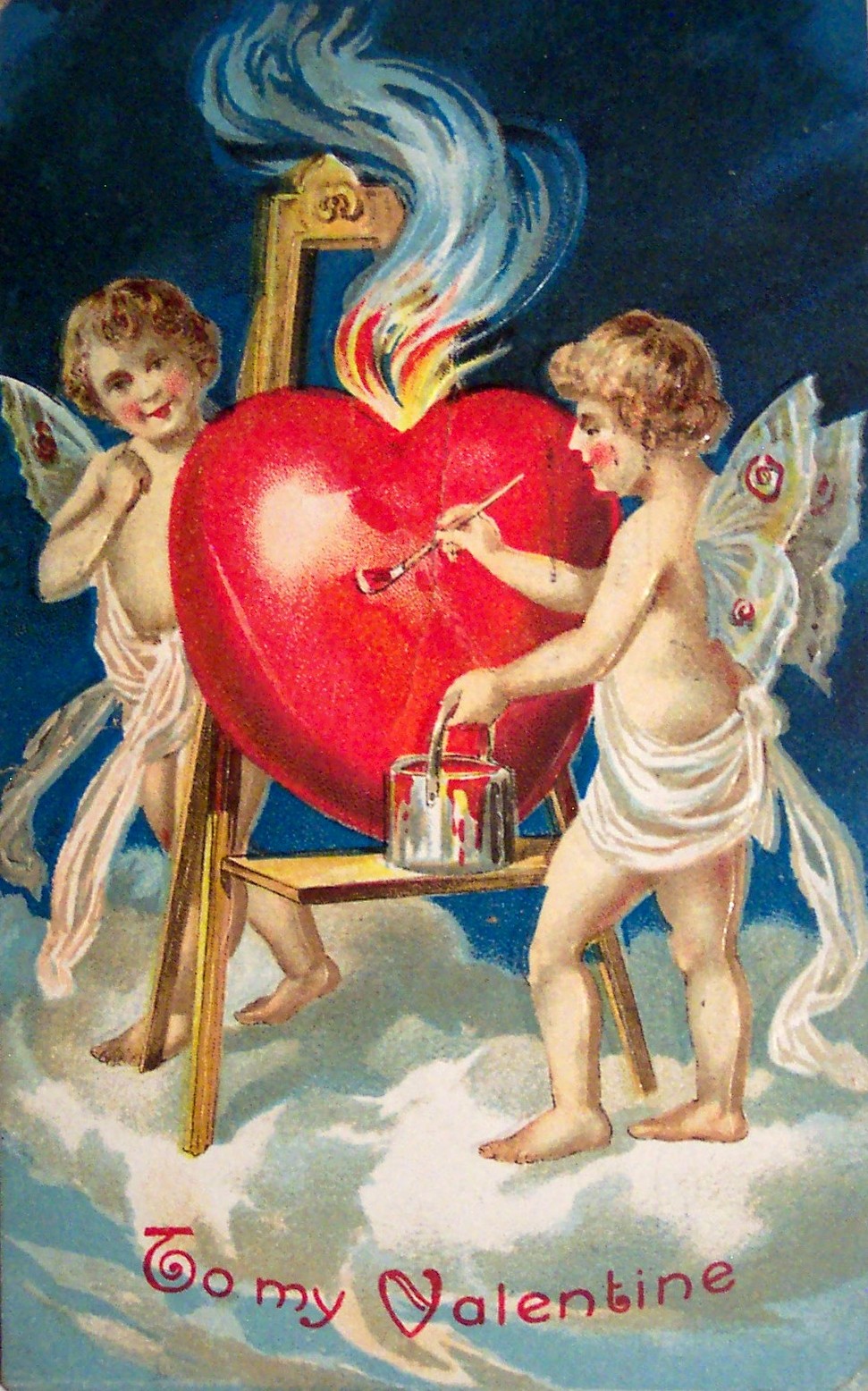 Valentine's DayA Christian feast day and cultural celebration of love kept on February 14 in many countries.
Good reading and sources
- Festa de São João do Porto on WikipediaEncyclopedia
- More photos on Wikimedia CommonsPhotos and video
- Wikidata recordOpen data
The facts on this page come from the Wikipedia article "Festa de São João do Porto", written by its contributors and used under the CC BY-SA 4.0 licence, and from its Wikidata record (CC0). EveryParampara rewrote the text in its own words, with AI assistance, and compares every page with the article to make sure no passage is copied. It may be reused under the same CC BY-SA 4.0 licence with a link back.
It may contain mistakes. Traditions differ from one family, village and community to the next, and the people who keep them know them best. If something is wrong, tell us. Last refreshed 2026-10-04.
More from Portugal
All the traditions of Portugal 🇵🇹 Lisbon, PortugalMarchas Populares
Neighbourhood teams march, dance and sing through Lisbon's June nights for St AnthonyFestival · Feasts and festival meals
🇵🇹 Lisbon, PortugalMarchas Populares
Neighbourhood teams march, dance and sing through Lisbon's June nights for St AnthonyFestival · Feasts and festival meals
 🇪🇸 Pamplona, Spain and 3 moreRunning of the bullsencierro
Runners sprint ahead of loose bulls through barricaded town streets in summerFestival
🇪🇸 Pamplona, Spain and 5 moreProcessional giants
Towering costumed figures carried through town streets during communal festivalsFestival
🇪🇸 Pamplona, Spain and 3 moreRunning of the bullsencierro
Runners sprint ahead of loose bulls through barricaded town streets in summerFestival
🇪🇸 Pamplona, Spain and 5 moreProcessional giants
Towering costumed figures carried through town streets during communal festivalsFestival
 🇪🇸 Barcelona, Spain and 4 moreCaganerEl Caganer
A defecating figurine placed in Catalan nativity scenes to bring good luck and fertilize the earth.Festival
🇪🇸 Barcelona, Spain and 4 moreCaganerEl Caganer
A defecating figurine placed in Catalan nativity scenes to bring good luck and fertilize the earth.Festival
The same idea elsewhere
All of this kind 🇹🇷 Turkey and 5 moreEid al-Fitrعيد الفطر
The feast that ends Ramadan, opened with morning prayers, sweets and visits homeFestival · Feasts and festival meals
🇹🇷 Turkey and 5 moreEid al-Fitrعيد الفطر
The feast that ends Ramadan, opened with morning prayers, sweets and visits homeFestival · Feasts and festival meals
 🇮🇳 Ayodhya, India and 7 moreDiwaliदीपावली (Dīpāvalī)
A five-day festival of lights celebrated across India and its diaspora to mark the victory of light over darkness.Festival · Feasts and festival meals
🇮🇳 Ayodhya, India and 7 moreDiwaliदीपावली (Dīpāvalī)
A five-day festival of lights celebrated across India and its diaspora to mark the victory of light over darkness.Festival · Feasts and festival meals
 🇮🇱 Jerusalem, Israel and 1 moreHanukkahחֲנֻכָּה
An eight-day Jewish festival marking the rededication of the Second Temple in Jerusalem and the miracle of a single day'Festival
🇮🇱 Jerusalem, Israel and 1 moreHanukkahחֲנֻכָּה
An eight-day Jewish festival marking the rededication of the Second Temple in Jerusalem and the miracle of a single day'Festival
 🇪🇬 Egypt and 5 moreMawlidمولد (Mawlid)
An annual festival marking the birth of the Prophet Muhammad, marked by poetry, processions and feasts.Festival · Feasts and festival meals
🇪🇬 Egypt and 5 moreMawlidمولد (Mawlid)
An annual festival marking the birth of the Prophet Muhammad, marked by poetry, processions and feasts.Festival · Feasts and festival meals