Music, dance and storytellingEurope
Flyting
A ritual contest of poetic insults exchanged between two parties in verse.
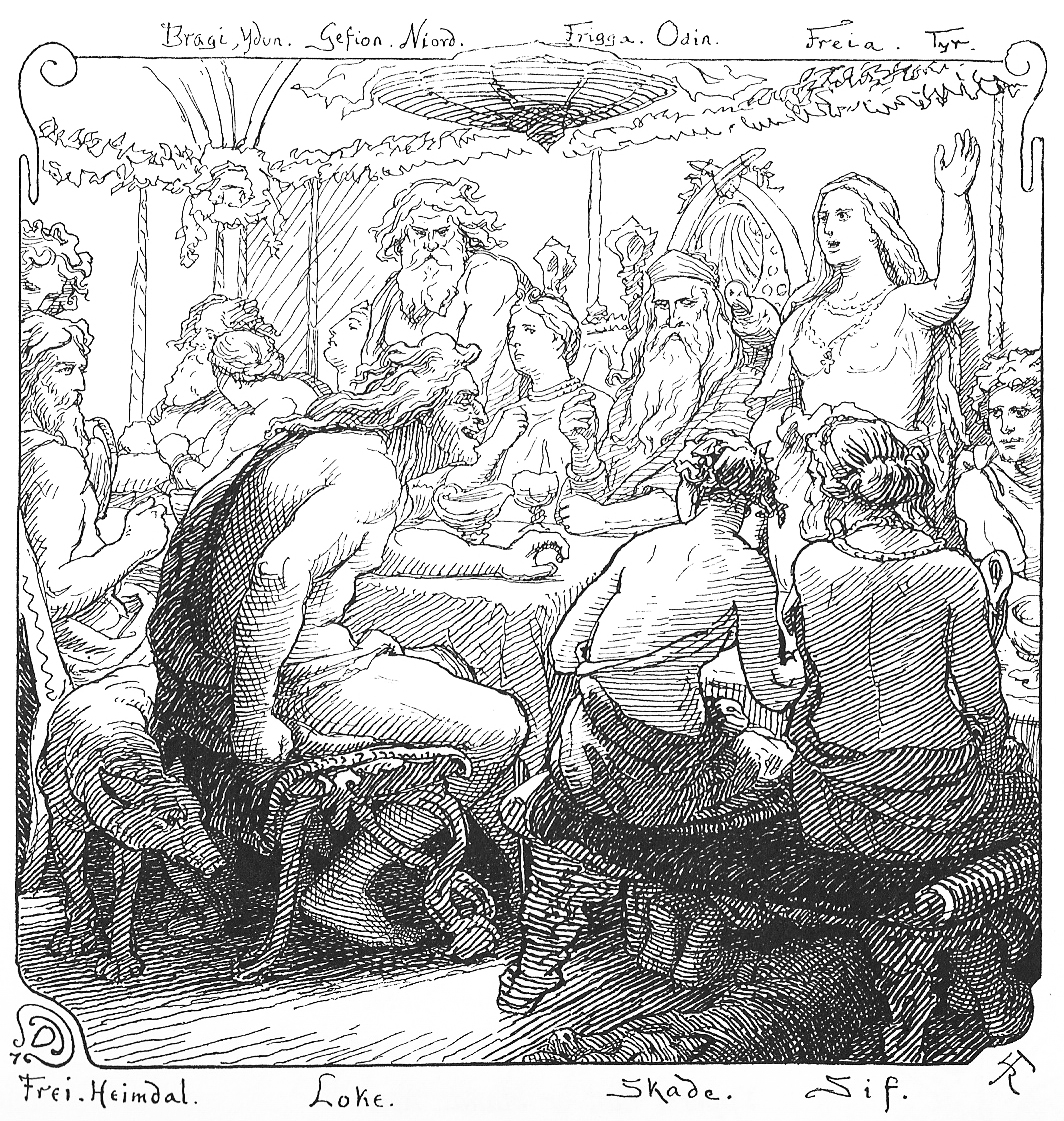
Flyting is a traditional verbal duel where participants trade crafted insults, often in verse. It was practiced across Northern Europe from the early medieval period through the sixteenth century. The custom served as entertainment and a form of social combat among poets and communities.
When is Flyting kept?
Flyting is kept during feasts or public gatherings.
Flyting is a structured exchange of insults performed as poetry. Participants aim to outwit each other with sharp wit and creative abuse. This tradition thrived in Scotland and other northern European cultures for several centuries. It functioned as both high art and public entertainment.
Origins and history
The term derives from Old English meaning to quarrel. It appears in literature from the fifth century onward. Norse myths feature gods engaging in these verbal duels. The Anglo-Saxon poem Beowulf contains a famous example between warriors. In Scotland, the practice became formalized during the fifteenth and sixteenth centuries. Royal courts encouraged poets to compete in front of kings.
How it is kept
Two opponents stand before an audience and trade verses. The language becomes increasingly provocative and sexual. Judges decide the winner based on crowd reaction and poetic skill. Winners traditionally drank a large cup of beer or mead. The loser was then invited to drink alongside them. This ritual drinking sealed the contest and restored social harmony after the heated exchange.
Similar traditions
Comparable customs exist across many cultures. Romanian strigături and Croatian bećarac involve rhyming couplets between groups. Arabic poetry features naqā’iḍ, a form of competitive verse. Japanese Haikai includes competitive elements. Modern freestyle rap battles share the same structure. These practices all use insult as a creative and social tool rather than simple aggression.
How Flyting is kept
Two poets face each other before an audience. They deliver verses filled with creative insults and accusations. The crowd judges the quality of the wit and rhythm. The victor drinks a ceremonial cup of ale or mead. The defeated party joins in the drink to end the dispute. This ritual transforms conflict into shared entertainment.
When and where
It occurred during feasting halls and court gatherings. The peak period was the fifteenth and sixteenth centuries in Scotland. Earlier examples appear in medieval Norse and Anglo-Saxon texts.
The tradition is strongest in Scotland and Ireland. It also appears in Norse sagas and English medieval poetry. Similar forms exist in Central Europe and the Middle East.
What Flyting means
Flyting demonstrates mastery of language and quick thinking. It allows communities to process conflict through art. The ritual transforms personal attacks into public performance. Drinking together afterward signifies that the insult remains within bounds of respect.
Questions people ask about Flyting
When is Flyting kept?
Flyting is kept during feasts or public gatherings.
What is flyting?
Flyting is a ritual contest of insults exchanged in verse. Two parties trade provocative poems to demonstrate wit. The audience decides the winner based on poetic skill and crowd reaction.
Where did flyting originate?
It originated in Northern Europe, particularly among Scots and Celts. Examples appear in Norse mythology and Anglo-Saxon literature. The practice flourished in Scottish courts during the fifteenth and sixteenth centuries.
Who participated in flyting?
Professional poets known as makars competed in royal courts. Historical figures and mythological gods also engaged in these exchanges. Audiences included nobility and commoners who enjoyed the verbal display.
See also
 KvæðiLong narrative ballads sung during traditional chain dances in the Faroe Islands
 Morris danceA rhythmic English folk dance performed in costume with bells, sticks and handkerchiefs
 Christmas carolFestive songs and hymns sung during the Christmas season and door to door
 SteelpanA tuned percussion tradition forged from industrial steel containers in Trinidad
Good reading and sources
- Flyting on WikipediaEncyclopedia
- More photos on Wikimedia CommonsPhotos and video
- Wikidata recordOpen data
The facts on this page come from the Wikipedia article "Flyting", written by its contributors and used under the CC BY-SA 4.0 licence, and from its Wikidata record (CC0). EveryParampara rewrote the text in its own words, with AI assistance, and compares every page with the article to make sure no passage is copied. It may be reused under the same CC BY-SA 4.0 licence with a link back.
It may contain mistakes. Traditions differ from one family, village and community to the next, and the people who keep them know them best. If something is wrong, tell us. Last refreshed 2026-10-06.
More from the United Kingdom
All the traditions of the United Kingdom
🇹🇹 Trinidad and Tobago and 3 moreSteelpan
A tuned percussion tradition forged from industrial steel containers in TrinidadPerformance
🇬🇧 United Kingdom and 5 moreMorris dance
A rhythmic English folk dance performed in costume with bells, sticks and handkerchiefsPerformance
🇬🇧 United Kingdom and 5 moreChristmas carol
Festive songs and hymns sung during the Christmas season and door to doorPerformance
🇬🇧 Newcastle upon Tyne, United Kingdom and 5 moreRapper sword
A fast-paced five-person sword dance from the coalfields of North East England, kept alive by teams worldwide.Performance
The same idea elsewhere
All of this kind 🇹🇷 Kayseri, Turkey and 4 moreHalay
A traditional line and circle folk dance kept across Turkey, Azerbaijan, Armenia, Iran, and Syria.Performance
🇹🇷 Kayseri, Turkey and 4 moreHalay
A traditional line and circle folk dance kept across Turkey, Azerbaijan, Armenia, Iran, and Syria.Performance
 🇳🇿 Auckland, New ZealandPoi
A Māori performing art of swinging tethered weights in rhythmical patterns.Performance
🇳🇿 Auckland, New ZealandPoi
A Māori performing art of swinging tethered weights in rhythmical patterns.Performance
 🇵🇭 Philippines and 1 morePangalay
A traditional fingernail dance of the Tausūg and Bajau peoples in the Sulu Archipelago and Sabah.Performance
🇵🇭 Philippines and 1 morePangalay
A traditional fingernail dance of the Tausūg and Bajau peoples in the Sulu Archipelago and Sabah.Performance