🇮🇸 Traditions of Iceland
19 traditions from Iceland, best known first, across 4 cities and towns.
Icelandic traditions reflect a deep tie to early Norse roots, sustained by storytelling, maritime customs, and preservation skills honed through severe northern seasons. Shared meals, winter gatherings, and seasonal celebrations keep ancient crafts and community independence central to daily life.
Everyday customs in Iceland balance historical Norse practices with a distinct spirit of community independence. Life across the island centres on seasonal shifts, spoken storytelling, and coastal ties. From winter feasts of preserved fare to spring celebrations marking the arrival of warmer months, gatherings highlight local resourcefulness. Families preserve linguistic ties to early Norse literature, while community celebrations honour seafarers, seasonal changes, and centuries of distinct domestic craftsmanship.
The turning year
Icelanders observe several distinct milestones across the seasons. In the middle of winter, during the historical month of Þorri, communities gather for Þorrablót feasts to share traditional foods. As spring approaches, the calendar welcomes Sumardagurinn fyrsti, an observance marking the initial day of summer. In June, towns host Sjómannadagurinn, a dedicated festival paying tribute to the nation's seafarers and fishing past. Summer also brings the annual National Day, which celebrates the establishment of the republic in 1944. Modern culinary gatherings, such as the Food and Fun competition, invite contemporary chefs to create new dishes using homegrown provisions alongside these enduring annual festivities.
The traditional table
Traditional cooking reflects historical techniques developed to keep provisions edible through harsh weather. Preservation relied on smoking, drying, and pickling in sour whey or brine. During midwinter, diners enjoy þorramatur, a feast of cured delicacies including singed sheep heads, cured shark, liver sausages, and pickled ram testicles, accompanied by sweet dark rye bread and caraway-flavoured brennivín. Everyday staples include smoked lamb, dried haddock, gravlax, and skyr, an ancient cultured skim milk product. Pastries such as fried kleinur, holiday leaf bread, and cream buns also appear at gatherings. While modern dining embraces fresh regional seafood and garden produce, traditional cured items remain central during festive occasions.
Stories and language
Literary pursuits hold an essential place in national life, supported by exceptionally high literacy rates. Early medieval literature, preserved in the prose sagas and poetic Eddas, documented family conflicts, early settlements, and Norse mythology. Authors such as Snorri Sturluson shaped historical prose, while later writers like Hallgrímur Pétursson created enduring religious hymns. Because modern speech remains closely related to Old Norse, contemporary readers can still understand medieval accounts. Storytelling endures through active publishing, theatres, and modern authors, including Nobel laureate Halldór Laxness. This linguistic continuity reinforces a widespread cultural dedication to safeguarding original speech, folklore, and classic written works across generations.
Craft and shelter
Material culture developed directly from the resources available across the island landscape. Because native timber was scarce, early builders adapted Viking longhouses into grass-roofed turf dwellings, using stacked sod for insulated walls with central hearth rooms. These turf structures sheltered households into the twentieth century. Handcrafted traditions focused on practical home arts, especially wool weaving, intricate silversmithing, and decorative wood carving. Secular visual arts emerged in the nineteenth and twentieth centuries, with painters and sculptors depicting local landscapes and rural routines. Today, specialized associations support printmakers, visual artists, and folk dance ensembles that maintain historical movements and music.
Naming and social bonds
Family structures and social customs emphasise individual independence and strict equality. Instead of inheriting family surnames, most people use patronymic or matronymic naming systems, with children taking their father's or mother's first name. Consequently, women retain their birth names throughout marriage. Modern legal frameworks reflect these values, granting comprehensive civil union, marriage, and adoption rights to same-sex couples, as well as strict protections against physical and emotional harm for children. Communal life values self-reliance alongside shared civic welfare. Remnants of pre-Christian Norse beliefs still linger quietly in cultural memory, sitting comfortably alongside modern Nordic ideals of equality and communal support.
The facts in this overview come from the Wikipedia article "Culture of Iceland", written by its contributors and used under the CC BY-SA 4.0 licence. EveryParampara rewrote the text in its own words, with AI assistance, and compares every page with the article to make sure no passage is copied. It may be reused under the same CC BY-SA 4.0 licence with a link back.
The table in Iceland
Foods and drinks by the moment they belong to.
Cities, towns and villages of Iceland
 🇮🇸 IcelandKvæði
Long narrative ballads sung during traditional chain dances in the Faroe IslandsPerformance
🇮🇸 IcelandKvæði
Long narrative ballads sung during traditional chain dances in the Faroe IslandsPerformance
 🇩🇪 Germany and 5 moreAdvent calendarAdventskalender
A daily countdown to Christmas using doors, images, or small gifts.Festival
🇩🇪 Germany and 5 moreAdvent calendarAdventskalender
A daily countdown to Christmas using doors, images, or small gifts.Festival
 🇩🇰 Copenhagen, Denmark and 5 moreFastelavn
A pre-Lenten carnival in Northern Europe where children dress up, sing for treats, and break candy-filled barrels.Festival · Sweets given and shared
🇩🇰 Copenhagen, Denmark and 5 moreFastelavn
A pre-Lenten carnival in Northern Europe where children dress up, sing for treats, and break candy-filled barrels.Festival · Sweets given and shared
 🇩🇰 Copenhagen, Denmark and 4 moreRisalamande
A chilled Danish Christmas rice dessert with cream, chopped almonds and cherry sauceTable custom · Sweets given and shared
🇩🇰 Copenhagen, Denmark and 4 moreRisalamande
A chilled Danish Christmas rice dessert with cream, chopped almonds and cherry sauceTable custom · Sweets given and shared
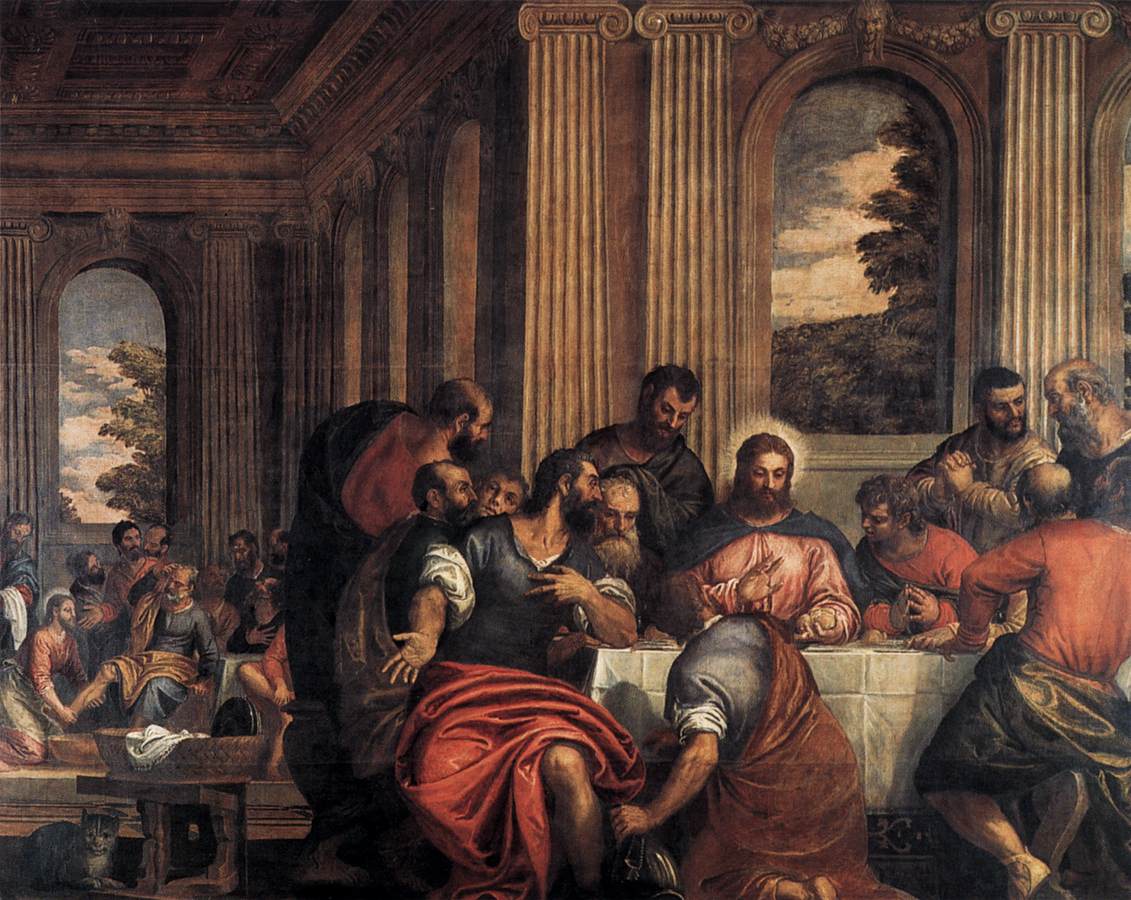 🇵🇭 Philippines and 5 moreMaundy ThursdayDies Cenae Domini
A Christian feast marking the start of Easter observances with foot washing and communion services.Spiritual
🇵🇭 Philippines and 5 moreMaundy ThursdayDies Cenae Domini
A Christian feast marking the start of Easter observances with foot washing and communion services.Spiritual
 🇮🇸 Iceland and 2 moreYuleġēol (Old English); jól (Old Norse)
The Germanic midwinter festival that Christmas grew out of, kept today by HeathensSpiritual
🇮🇸 Iceland and 2 moreYuleġēol (Old English); jól (Old Norse)
The Germanic midwinter festival that Christmas grew out of, kept today by HeathensSpiritual
 🇮🇸 Vestmannaeyjar, IcelandÞjóðhátíð
An annual outdoor island festival of concerts, bonfires and hillside singing in IcelandFestival
🇮🇸 Vestmannaeyjar, IcelandÞjóðhátíð
An annual outdoor island festival of concerts, bonfires and hillside singing in IcelandFestival
 🇮🇸 IcelandYule LadsJólasveinarnir
Thirteen mischievous brothers who visit Icelandic homes in the nights leading to Yule.Folklore
🇮🇸 IcelandÞorrablót
An Icelandic midwinter feast of dinner, speeches and poetryFestival · Dinner
🇮🇸 IcelandIcelandic National DayÞjóðhátíðardagurinn
Iceland's national day, 17 June, marking the founding of the republic in 1944Ceremony
🇮🇸 IcelandYule LadsJólasveinarnir
Thirteen mischievous brothers who visit Icelandic homes in the nights leading to Yule.Folklore
🇮🇸 IcelandÞorrablót
An Icelandic midwinter feast of dinner, speeches and poetryFestival · Dinner
🇮🇸 IcelandIcelandic National DayÞjóðhátíðardagurinn
Iceland's national day, 17 June, marking the founding of the republic in 1944Ceremony
 🇮🇸 IcelandFirst Day of Summersumardagurinn fyrsti
Iceland's holiday on the first Thursday after 18 April, opening the old calendar's summerSeasonal
🇮🇸 IcelandFirst Day of Summersumardagurinn fyrsti
Iceland's holiday on the first Thursday after 18 April, opening the old calendar's summerSeasonal
 🇩🇪 Germany and 5 moreSecular coming-of-age ceremony
A non-religious rite of passage for adolescents in Europe and North America, marking the transition to adulthood throughRite of passage
🇩🇪 Germany and 5 moreSecular coming-of-age ceremony
A non-religious rite of passage for adolescents in Europe and North America, marking the transition to adulthood throughRite of passage
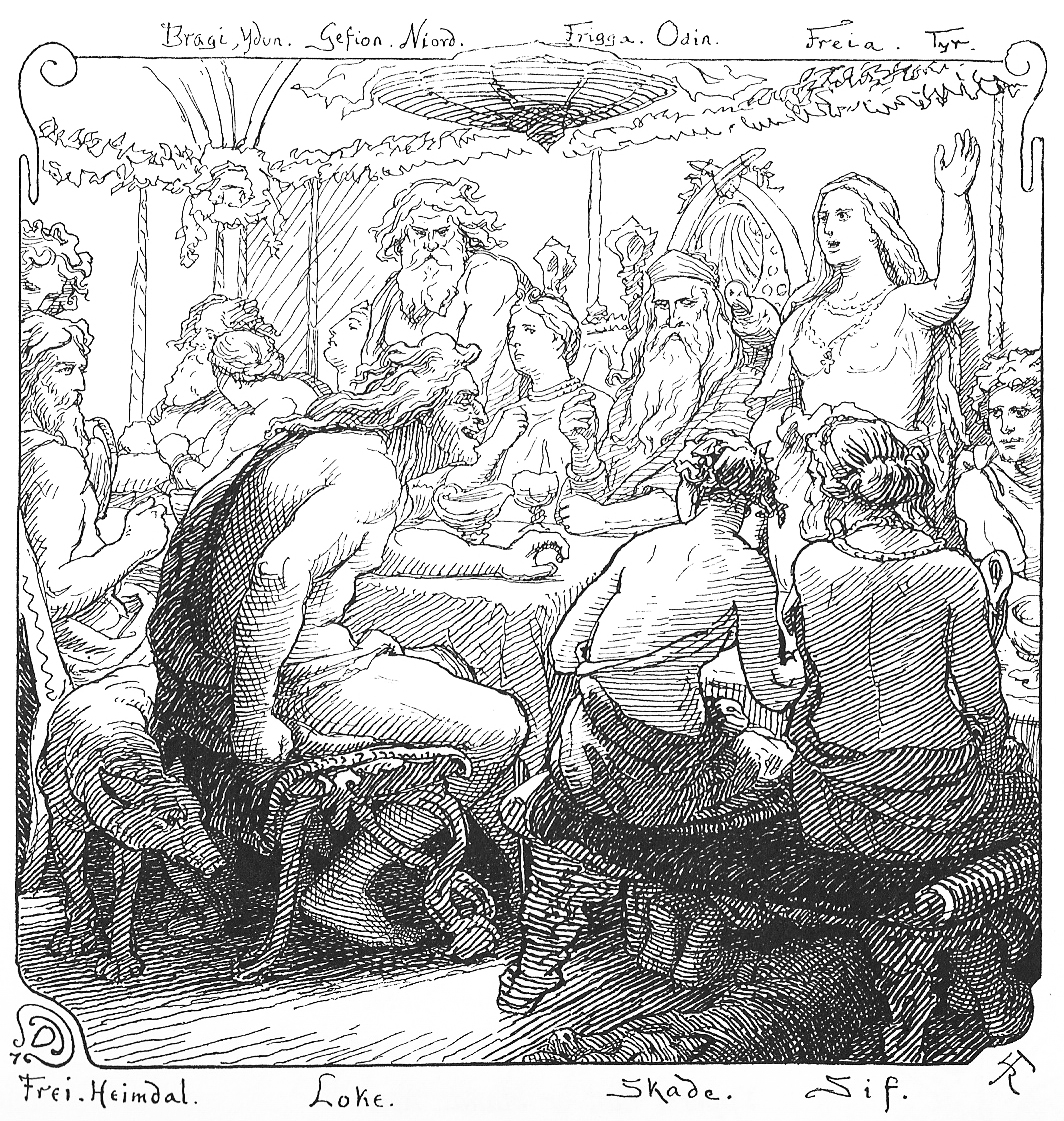 🇬🇧 United Kingdom and 3 moreFlyting
A ritual contest of poetic insults exchanged between two parties in verse.Performance
🇬🇧 United Kingdom and 3 moreFlyting
A ritual contest of poetic insults exchanged between two parties in verse.Performance
 🇮🇸 IcelandChristmas in IcelandJól
A winter festival of mountain folklore, family feasts and thirteen mischievous visitorsFestival · Dinner
🇮🇸 IcelandChristmas in IcelandJól
A winter festival of mountain folklore, family feasts and thirteen mischievous visitorsFestival · Dinner
 🇮🇸 Reykjavík, IcelandIceland Noir
An annual November literature and storytelling festival held in central ReykjavíkPerformance
🇮🇸 Reykjavík, IcelandIceland Noir
An annual November literature and storytelling festival held in central ReykjavíkPerformance
 🇮🇸 Reykjavík, IcelandReykjavík PrideHinsegin dagar í Reykjavík
An annual festival and parade celebrating LGBT+ rights and visibility in IcelandFestival
🇮🇸 Reykjavík, IcelandReykjavík PrideHinsegin dagar í Reykjavík
An annual festival and parade celebrating LGBT+ rights and visibility in IcelandFestival
 🇬🇧 United Kingdom and 3 moreShielingÀirigh
Seasonal summer pasture living and traditional dairying in the Scottish hillsSeasonal
🇬🇧 United Kingdom and 3 moreShielingÀirigh
Seasonal summer pasture living and traditional dairying in the Scottish hillsSeasonal
 🇬🇧 United Kingdom and 3 moreSelkieselkie fowk
The seal shapeshifters of Scottish and northern island folkloreFolklore
🇮🇸 IcelandIcelandic weddings
A blend of church rites and long feasts, where guests sit by family lines and gifts are saved for the morning.Rite of passage · Dinner
🇬🇧 United Kingdom and 3 moreSelkieselkie fowk
The seal shapeshifters of Scottish and northern island folkloreFolklore
🇮🇸 IcelandIcelandic weddings
A blend of church rites and long feasts, where guests sit by family lines and gifts are saved for the morning.Rite of passage · Dinner
Photo credits on this page
The small pictures above come from Wikimedia Commons under free licences. Some are cropped to fit.
- Flyting: Lorenz Frølich, Public domain, source
- Advent calendar: Andrea Schaufler, CC BY 2.5, source
- Fastelavn: Unknown author, Public domain, source
- Risalamande: Lorie Shaull, CC BY-SA 4.0, source
- Þjóðhátíð: Drumstick21, CC BY-SA 4.0, source
- Yule Lads: Lusinemarg, CC BY-SA 4.0, source
- Maundy Thursday: Benedetto Caliari, Public domain, source
- Kvæði: Eileen Sandá, CC BY-SA 3.0, source
- Yule: Robert Chambers, Public domain, source
- Iceland Noir: TommyBee, CC0, source
- First Day of Summer: ArniGael, CC BY-SA 4.0, source
- Christmas in Iceland: Bryan Ledgard, CC BY 2.0, source
- Reykjavík Pride: Helgi Halldórsson, CC BY-SA 2.0, source
- Secular coming-of-age ceremony: Karsten Davideit, CC BY-SA 3.0 de, source
- Shieling: Gordon Hatton, CC BY-SA 2.0, source
- Selkie: Carolyn Emerick, CC BY-SA 3.0, source