🇭🇷 Traditions of Croatia
30 traditions from Croatia, best known first, across 24 cities and towns.
Croatia's traditions bridge Central European, Mediterranean, and Balkan customs, shaped by its inland plains and Adriatic shores. Regional kitchens define everyday life, balancing hearty continental dishes cooked with paprika and lard against coastal seafood seasoned with rosemary and olive oil. Local identity remains closely tied to communal meals, historic crafts, and gatherings.
Croatian life reflects a meeting of Mediterranean shores and continental plains. Centuries of Roman, Slavic, and Central European heritage shape the rhythms of the home and the table. Across distinct geographic regions, people preserve specific ways of preparing food, from inland farm dishes to Adriatic island fare. Sunday family gatherings, festive pastries, and outdoor cooking traditions keep communities connected to their local landscapes and ancestral ways.
Coastal and mainland cooking
Croatian cuisine divides sharply between the interior and the coast. In mainland areas, cooks draw on Slavic, Hungarian, Austrian, and Turkish influences, flavouring dishes with garlic, paprika, and black pepper, often using lard. Coastal kitchens rely on olive oil and herbs like rosemary, sage, bay leaf, and oregano, alongside citrus rind and warm spices. Peasant traditions throughout the country turn basic staples such as grains, dairy, meat, and vegetables into versatile dishes through roasting, stewing, and baking. Urban cooking introduces more complex preparations, while cured meats remain standard across every county.
Techniques of the hearth
Traditional cooking methods centre on direct heat and patient preparation. A signature technique is cooking under a peka, a metal dome covered with hot embers inside a stone oven, which braises lamb, veal, or octopus slowly in natural juices. Meats are also spit-roasted or grilled over open fire. Boiled preparations, called na lešo, yield gentle meals of meat or fish in broth. Thick vegetable stews known as varivo or čušpajz form everyday nutritious meals, finished with sour cream in northern counties or a drizzle of olive oil along the coast. Men often take charge of hearty meat stews in open-air settings.
Soups, pasta, and pies
Soups are central to Croatian dining and appear before almost every Sunday family dinner or formal occasion. Most begin with clear broths filled with thin noodles or semolina dumplings, though Dalmatia also serves a classic fish soup cooked with rice and carrots. Pasta remains especially popular on the coast, where simple noodles with tomato sauce serve as a daily staple. Regional savoury pastries showcase local produce: Soparnik is a thin Dalmatian flatbread filled with Swiss chard, while Viška pogača from Vis island encloses salted sardines. In the north, Zagorski štrukli bakes or boils layers of dough with cottage cheese and sour cream.
Cheeses of the regions
Distinct microclimates have fostered specialised cheeses across the country. The island of Pag is famous for its sheep milk cheese, Paški sir, while Krk produces its own island variety. Inland areas like Lika and Kordun make škripavac, a traditional squeaky farmers cheese, along with fresh curds. Further north, Međimurje produces cone-shaped turoš and Podravina makes prga. In Zagorje, a simple mixture of fresh cottage cheese and sour cream, known as sir i vrhnje, stands as a quintessential household dish, eaten with rustic breads or baked into sweet and savoury pastries like bučnica.
Language, script, and dress
Early Croatian identity formed through a synthesis of ancient Roman culture, early Slavic settlements, and medieval Christian statehood. The Glagolitic script, recorded on stone monuments such as the eleventh-century Baška tablet, preserved Church Slavonic and early Croatian liturgical texts alongside Latin. Traces of older Slavic beliefs linger in natural landmarks named after pre-Christian deities like Perun. In modern times, nineteenth-century cultural movements revived the vernacular language for public life through organisations like Matica hrvatska. Croatia also contributed to global clothing history as the place where the cravat, the ancestor of the modern necktie, first originated.
The facts in this overview come from the Wikipedia article "Culture of Croatia", written by its contributors and used under the CC BY-SA 4.0 licence. EveryParampara rewrote the text in its own words, with AI assistance, and compares every page with the article to make sure no passage is copied. It may be reused under the same CC BY-SA 4.0 licence with a link back.
The table in Croatia
Foods and drinks by the moment they belong to.
| Dinner | Serbian Christmas, Badnjak, Đurđevdan |
|---|---|
| Sweets given and shared | Licitar |
| Feasts and festival meals | Serbian Christmas, Đurđevdan |
| Fasting and breaking the fast | Serbian Christmas, Badnjak |
 🇪🇸 Valencia, Spain and 5 moreFeast of Corpus ChristiCorpus Domini
A Christian feast celebrating the presence of Christ in the bread and wine of the EucharistSpiritual
🇪🇸 Valencia, Spain and 5 moreFeast of Corpus ChristiCorpus Domini
A Christian feast celebrating the presence of Christ in the bread and wine of the EucharistSpiritual
 🇭🇷 Dubrovnik, CroatiaLinđo
A circle dance from Dubrovnik played to the lijerica, where a leader sets the rhythm and calls the steps.Performance
🇭🇷 Dubrovnik, CroatiaLinđo
A circle dance from Dubrovnik played to the lijerica, where a leader sets the rhythm and calls the steps.Performance
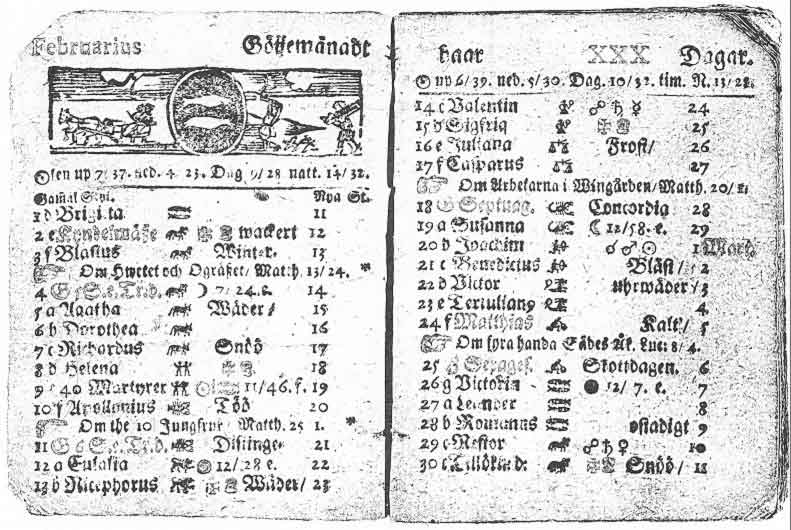 🇬🇷 Greece and 5 moreName day
A calendar tradition where people celebrate the feast day of the saint after whom they are named.Festival
🇬🇷 Greece and 5 moreName day
A calendar tradition where people celebrate the feast day of the saint after whom they are named.Festival
 🇦🇹 Vienna, Austria and 4 moreLipizzanerLipicanec
A gray riding horse breed and centuries-old tradition of classical dressage kept by the Spanish Riding School.Performance
🇦🇹 Vienna, Austria and 4 moreLipizzanerLipicanec
A gray riding horse breed and centuries-old tradition of classical dressage kept by the Spanish Riding School.Performance
 🇺🇦 Kyiv, Ukraine and 7 morePysankaписанка
A wax-resist egg decorating tradition kept by Slavic communities for Easter and spring renewal.Festival
🇺🇦 Kyiv, Ukraine and 7 morePysankaписанка
A wax-resist egg decorating tradition kept by Slavic communities for Easter and spring renewal.Festival
 🇭🇷 Sinj, CroatiaSinjska Alka
An annual jousting tournament in Sinj where galloping riders strike a hanging ringGame
🇭🇷 Sinj, CroatiaSinjska Alka
An annual jousting tournament in Sinj where galloping riders strike a hanging ringGame
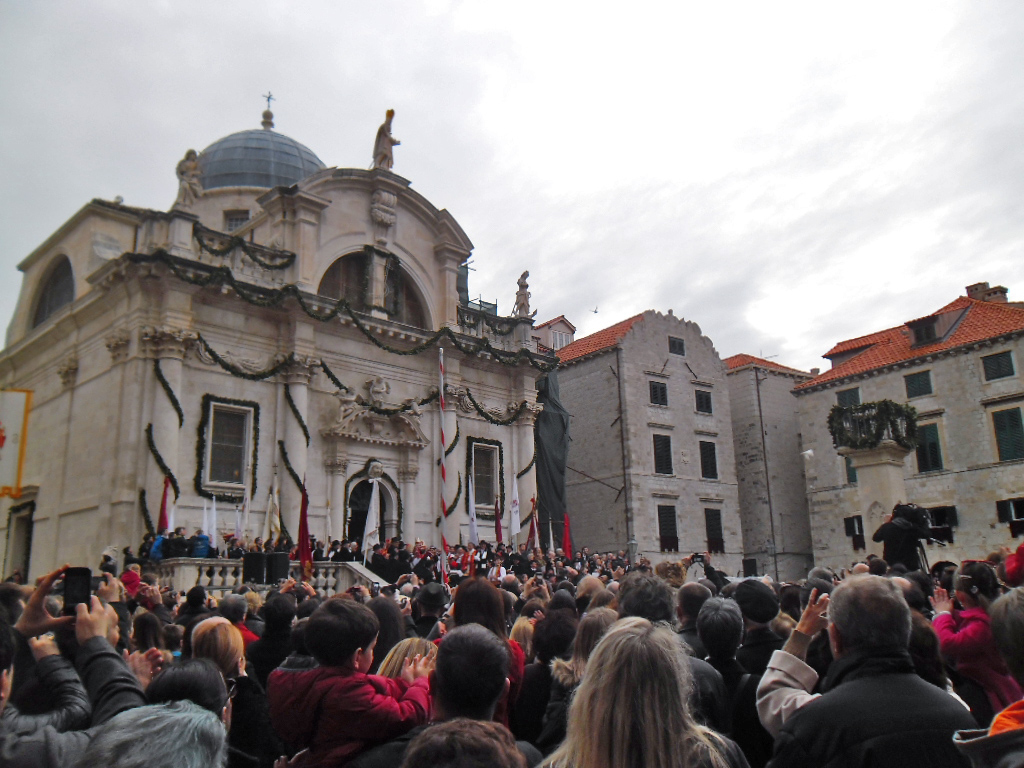 🇭🇷 Dubrovnik, Croatia and 1 moreFestivity of Saint BlaiseFesta Svetog Vlaha
An annual patron saint festival in Dubrovnik with processions, relics and dovesFestival
🇭🇷 Dubrovnik, Croatia and 1 moreFestivity of Saint BlaiseFesta Svetog Vlaha
An annual patron saint festival in Dubrovnik with processions, relics and dovesFestival
 🇺🇦 Ukraine and 7 moreKoliadaКоляда
A traditional winter caroling and solstice festival kept across Slavic EuropeFestival
🇺🇦 Ukraine and 7 moreKoliadaКоляда
A traditional winter caroling and solstice festival kept across Slavic EuropeFestival
 🇭🇷 Omiš, CroatiaKlapa
Unaccompanied harmony singing from Dalmatia, built by groups of friendsPerformance
🇭🇷 Omiš, CroatiaKlapa
Unaccompanied harmony singing from Dalmatia, built by groups of friendsPerformance
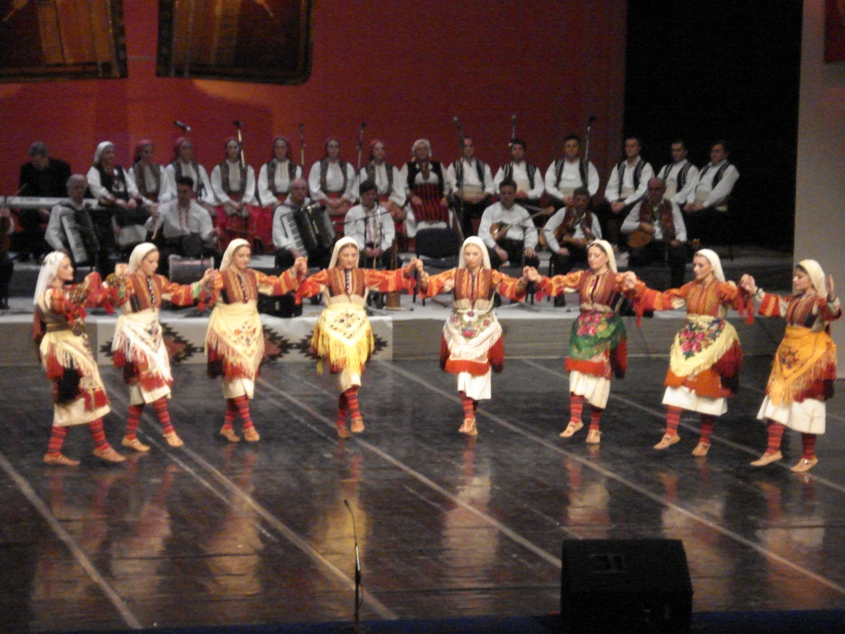 🇷🇴 Bucharest, Romania and 7 moreHorahoră (Romanian), хоро (Bulgarian), оро (Macedonian), הורה (Hebrew)
A circle dance from Southeast Europe, danced at weddings and festivalsPerformance
🇷🇴 Bucharest, Romania and 7 moreHorahoră (Romanian), хоро (Bulgarian), оро (Macedonian), הורה (Hebrew)
A circle dance from Southeast Europe, danced at weddings and festivalsPerformance
 🇵🇱 Poland and 5 moreZaduszkiZaduszki, Dzień Zaduszny
A Polish day of prayer for the dead on 2 November, kept with candles at the gravesSpiritual
🇵🇱 Poland and 5 moreZaduszkiZaduszki, Dzień Zaduszny
A Polish day of prayer for the dead on 2 November, kept with candles at the gravesSpiritual
 🇷🇸 Serbia and 3 moreKoloКоло
A South Slavic circle dance of linked hands, kept at weddings and gatheringsPerformance
🇷🇸 Serbia and 3 moreKoloКоло
A South Slavic circle dance of linked hands, kept at weddings and gatheringsPerformance
 🇭🇷 Dubrovnik, CroatiaDubrovnik Summer FestivalDubrovačke ljetne igre
An annual summer celebration of theatre, music and dance held in the historic streets of Dubrovnik.Festival
🇭🇷 Dubrovnik, CroatiaDubrovnik Summer FestivalDubrovačke ljetne igre
An annual summer celebration of theatre, music and dance held in the historic streets of Dubrovnik.Festival
 🇷🇸 Serbia and 5 moreSerbian ChristmasБожић
A three-day midwinter observance focused on oak logs, floor straw and family gatheringsSpiritual · Dinner
🇷🇸 Serbia and 5 moreSerbian ChristmasБожић
A three-day midwinter observance focused on oak logs, floor straw and family gatheringsSpiritual · Dinner
 🇭🇷 Zagreb, Croatia and 1 moreLicitarlicitarska srca
A hand-painted honey biscuit given as a gift at weddings and on Valentine's DayCraft · Sweets given and shared
🇭🇷 Zagreb, Croatia and 1 moreLicitarlicitarska srca
A hand-painted honey biscuit given as a gift at weddings and on Valentine's DayCraft · Sweets given and shared
 🇭🇷 CroatiaLacemaking in CroatiaČipkarstvo u Hrvatskoj
Hand-worked lace in three styles, kept in Croatian towns from the coast to the northCraft
🇭🇷 Konavle, Croatia and 2 moreOjkanje
A throat-shaking style of folk singing from Croatia's Dinaric highlandsPerformance
🇭🇷 CroatiaLacemaking in CroatiaČipkarstvo u Hrvatskoj
Hand-worked lace in three styles, kept in Croatian towns from the coast to the northCraft
🇭🇷 Konavle, Croatia and 2 moreOjkanje
A throat-shaking style of folk singing from Croatia's Dinaric highlandsPerformance
 🇦🇹 Austria and 5 moreKrampus
Saint Nicholas's horned companion, who comes for misbehaving children on 5 DecemberFolklore
🇦🇹 Austria and 5 moreKrampus
Saint Nicholas's horned companion, who comes for misbehaving children on 5 DecemberFolklore
 🇦🇱 Albania and 5 moreSworn virginburrnesha
A vow of chastity that lets a woman of the northern Balkans live as a manRite of passage
🇦🇱 Albania and 5 moreSworn virginburrnesha
A vow of chastity that lets a woman of the northern Balkans live as a manRite of passage
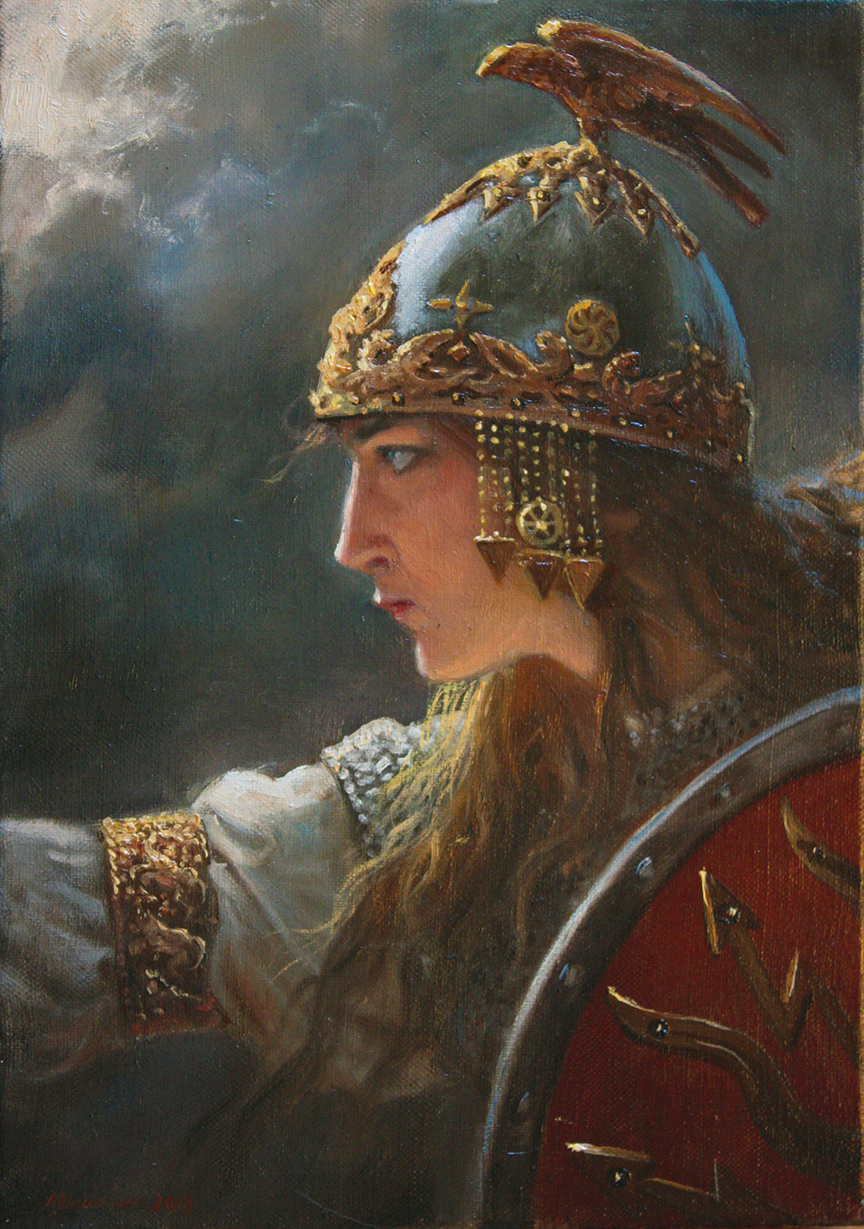 🇦🇱 Albania and 5 moreDodolaДодoла / Dodola
A Balkan rainmaking ritual where children dressed in greenery lead processions to call for summer showers.Festival
🇦🇱 Albania and 5 moreDodolaДодoла / Dodola
A Balkan rainmaking ritual where children dressed in greenery lead processions to call for summer showers.Festival
 🇩🇪 Germany and 1 moreTauroctonyταυροκτόνος
The sacred bull-slaying imagery at the heart of the ancient Roman Mithraic mysteriesSpiritual
🇦🇱 Gjirokastër, Albania and 5 moreDodola and Perperuna
A rainmaking ritual kept across Southeast Europe, where children dressed in greenery lead processions to call for summerSpiritual
🇩🇪 Germany and 1 moreTauroctonyταυροκτόνος
The sacred bull-slaying imagery at the heart of the ancient Roman Mithraic mysteriesSpiritual
🇦🇱 Gjirokastër, Albania and 5 moreDodola and Perperuna
A rainmaking ritual kept across Southeast Europe, where children dressed in greenery lead processions to call for summerSpiritual
 🇧🇦 Medjugorje, Bosnia and Herzegovina and 1 moreMedjugorje International Youth Festival
A six-day August gathering of Catholic youth in Medjugorje, Bosnia and HerzegovinaFestival
🇧🇦 Medjugorje, Bosnia and Herzegovina and 1 moreMedjugorje International Youth Festival
A six-day August gathering of Catholic youth in Medjugorje, Bosnia and HerzegovinaFestival
 🇵🇱 Poland and 6 morePolaznik
The first visitor to cross the threshold at Christmas, read as a sign of the year to comeFolklore
🇵🇱 Poland and 6 morePolaznik
The first visitor to cross the threshold at Christmas, read as a sign of the year to comeFolklore
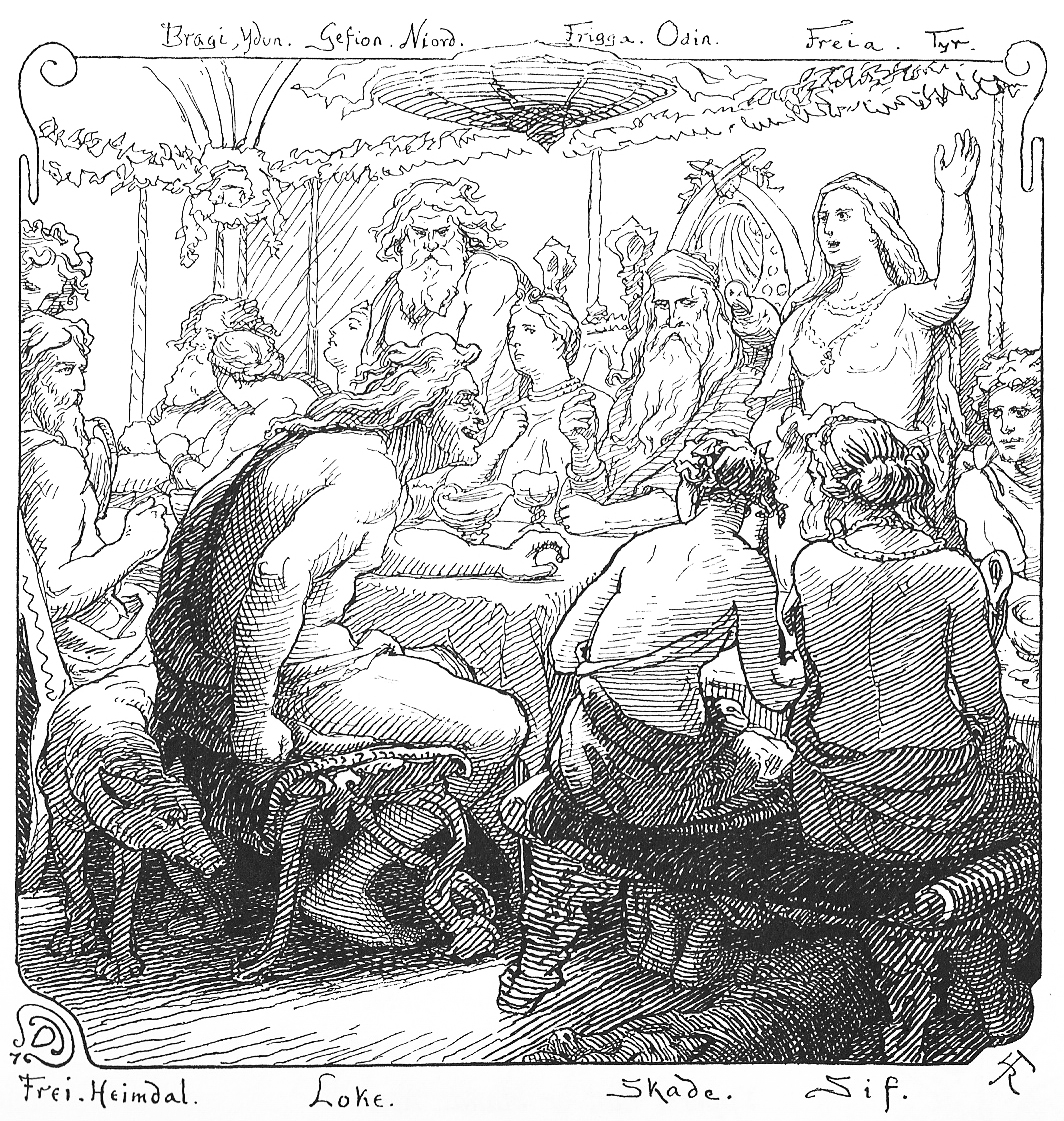 🇬🇧 United Kingdom and 3 moreFlyting
A ritual contest of poetic insults exchanged between two parties in verse.Performance
🇬🇧 United Kingdom and 3 moreFlyting
A ritual contest of poetic insults exchanged between two parties in verse.Performance
 🇭🇷 Marija Bistrica, CroatiaWooden toys of Hrvatsko ZagorjeDrvene igračke Hrvatskog zagorja
Hand-carved wooden toys from the Zagorje hills of Croatia, painted bright by the families who make themCraft
🇭🇷 Marija Bistrica, CroatiaWooden toys of Hrvatsko ZagorjeDrvene igračke Hrvatskog zagorja
Hand-carved wooden toys from the Zagorje hills of Croatia, painted bright by the families who make themCraft
 🇭🇷 Hvar, CroatiaZa križen
A night procession on Hvar island where six villages walk simultaneously to honor the cross.Spiritual
🇭🇷 Hvar, CroatiaZa križen
A night procession on Hvar island where six villages walk simultaneously to honor the cross.Spiritual
 🇷🇸 Belgrade, Serbia and 5 moreSerbian traditional clothingсрпска народна ношња (srpska narodna nošnja)
The regional folk attire of Serbs, featuring wool, linen, and leather, worn for celebrations and cultural identity.Dress
🇷🇸 Belgrade, Serbia and 5 moreSerbian traditional clothingсрпска народна ношња (srpska narodna nošnja)
The regional folk attire of Serbs, featuring wool, linen, and leather, worn for celebrations and cultural identity.Dress
 🇭🇷 CroatiaBadnjakBadnji dan
A Christmas Eve oak log burned in the hearth across Croatia to welcome the holiday.Festival · Fasting and breaking the fast
🇭🇷 CroatiaBadnjakBadnji dan
A Christmas Eve oak log burned in the hearth across Croatia to welcome the holiday.Festival · Fasting and breaking the fast
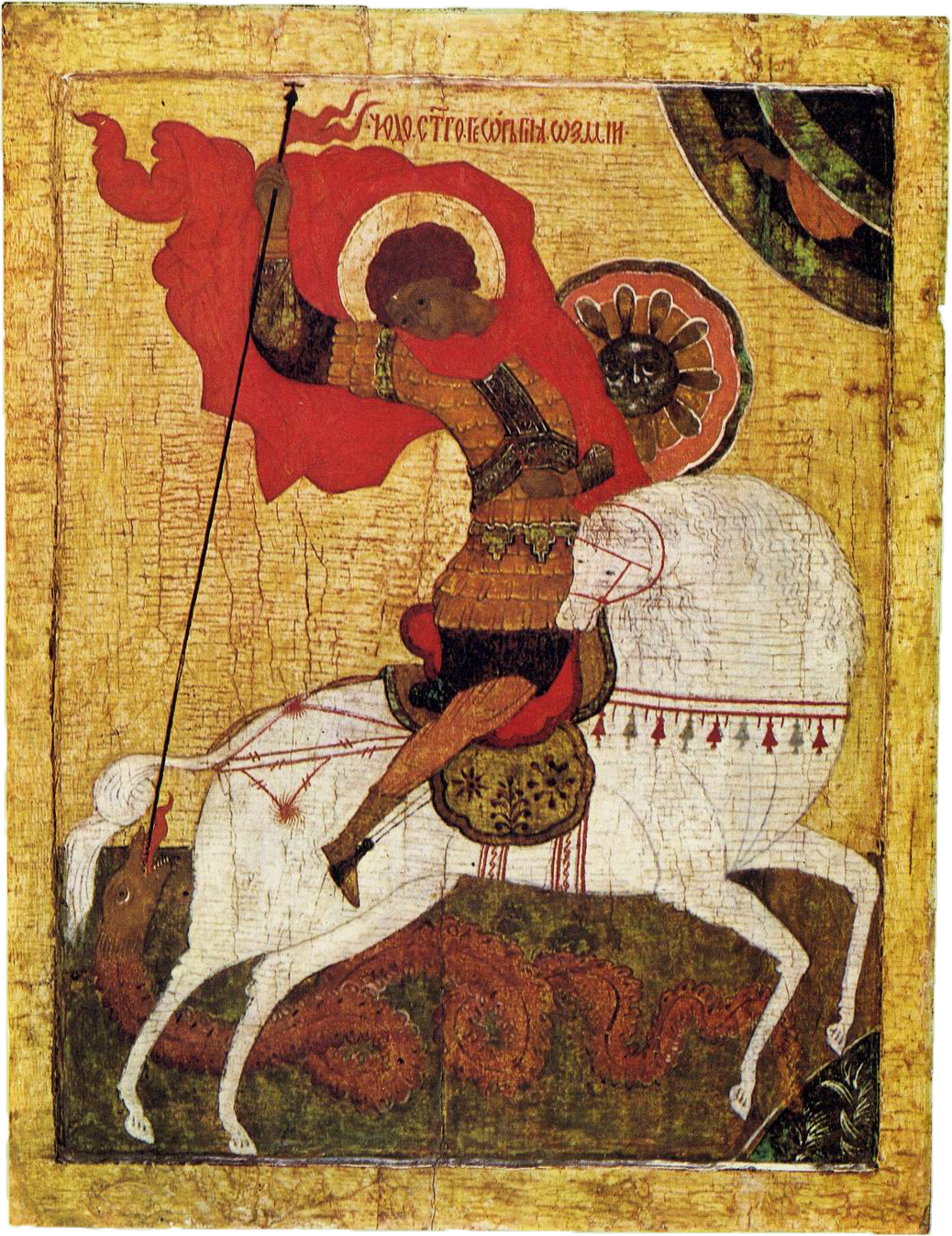 🇷🇸 Serbia and 5 moreĐurđevdanЂурђевдан
A spring festival and feast of Saint George kept across the Balkans and Eastern EuropeFestival · Feasts and festival meals
🇷🇸 Serbia and 5 moreĐurđevdanЂурђевдан
A spring festival and feast of Saint George kept across the Balkans and Eastern EuropeFestival · Feasts and festival meals
Photo credits on this page
The small pictures above come from Wikimedia Commons under free licences. Some are cropped to fit.
- Flyting: Lorenz Frølich, Public domain, source
- Lacemaking in Croatia: Unknown author, CC BY-SA 3.0 hr, source
- Đurđevdan: Anonymous Russian icon painter (before 1917) Public domain image (acco, Public domain, source
- Pysanka: Lubap, CC BY-SA 4.0, source
- Sinjska Alka: L. Carević, CC0, source
- Festivity of Saint Blaise: August Dominus, CC BY-SA 3.0, source
- Koliada: Konstantin Trutovsky, Public domain, source
- Feast of Corpus Christi: Fennec ., Public domain, source
- Dubrovnik Summer Festival: Roberta F., CC BY-SA 3.0, source
- Serbian Christmas: Petar Milošević, CC BY-SA 3.0, source
- Klapa: Albin Olsson, CC BY-SA 3.0, source
- Linđo: Sasa.mazinjanin, Public domain, source
- Name day: Sendker, Public domain, source
- Hora: Chajeshukarie ( talk ), Public domain, source
- Zaduszki: Ivan Mrkvička, CC BY-SA 4.0, source
- Kolo: Sasa.mazinjanin, Public domain, source
- Krampus: Naturpuur, CC BY-SA 4.0, source
- Licitar: Seanpu1, CC BY-SA 3.0, source
- Wooden toys of Hrvatsko Zagorje: Roberta., CC BY-SA 3.0, source
- Sworn virgin: Edith Durham, Public domain, source
- Polaznik: Carlton Alfred Smith, Public domain, source
- Medjugorje International Youth Festival: Piotr Frydecki, CC BY-SA 3.0, source
- Dodola: Andrey Shishkin, CC BY 3.0, source
- Tauroctony: Jastrow, Public domain, source
- Za križen: E.mil.mil, CC BY-SA 3.0, source
- Serbian traditional clothing: Kolega2357, CC BY-SA 4.0, source
- Badnjak: Vidonjac, CC BY 2.0, source
- Lipizzaner: Srdjan Živulovič, Attribution, source