Festivals and celebrationsSouth AsiaHindu
Gangaur
In its own language: गणगौर
A North Indian spring festival honouring Shiva and Gauri with clay idols and processions

Gangaur is a spring festival observed by Hindu women in Rajasthan and across northern and western India during the month of Chaitra. Over sixteen to eighteen days, worshippers honour the goddess Gauri and Lord Shiva with fasting, painted clay figures, and festive processions.
When is Gangaur marked?
Gangaur is kept as part of Holi, which runs from 22 to 23 March 2027.
Gangaur is an annual Hindu festival observed across Rajasthan and neighbouring regions of India. Held during the month of Chaitra, it marks the arrival of spring and celebrates marriage, harvest, and family welfare. Women lead the observances in honour of the goddess Gauri, an epithet of Parvati, and her consort Shiva, seeking marital longevity, fertility, or a good match through daily prayers, painted idols, and street processions.
The story of Gauri
According to tradition, the festival traces its origin to a journey made by Shiva, Parvati, and the sage Narada. When poor village women offered what simple water and flowers they possessed, Parvati blessed them with lasting marriages by sprinkling holy nectar from her hand. When wealthy women arrived later with fine banquets, the goddess cut her own finger to provide them with the same divine blessing. Parvati then made a sand lingam by a river to worship Shiva, who promised that any woman honouring them on the third lunar day of Chaitra would receive lasting conjugal fortune.
Making and dressing idols
Preparations center on images of Shiva, known locally as Isar, and Parvati, called Gauri. Families fashion these sacred figures out of clay, or commission wooden idols that traditional painters known as matherans repaint every spring. Unlike idols used during the Teej festival, Gangaur figures do not carry a canopy. Women adorn their hands and feet with intricate patterns using myrtle paste, known as mehndi. In the closing days of the festival, worshippers dress both statues in fine new garments and elaborate ornaments, making them appear like living beings for the coming ceremonies.
Pots, songs and processions
Starting on the seventh evening after Holi, young unmarried girls carry ghudlias, which are pierced clay pots holding burning lamps, on their heads. They walk through neighbourhoods singing traditional songs and collecting gifts of coins, ghee, jaggery, sweets, and cooking oil. During the final afternoons, married women carry the dressed idols on their heads in grand public processions toward wells, stepwells, or lakes. Accompanied by music and folk performers, these marches recreate Gauri departing for her husband's home, ending with the immersion of the clay images into the water.
City traditions
Festivities display distinct local character across different towns. In Jaipur, crowds gather to watch a royal procession move from the City Palace through busy bazaars and the Chaugan stadium to Talkatora. Townspeople mark the occasion by sharing ghevar, a special sweet dish offered to friends and family. In Udaipur, celebrations center on Gangaur Ghat along Lake Pichola. Processions featuring antique palanquins, bullock carts, and chariots wind through city lanes, accompanied by folk artists, before bringing the figures of Isar and Gauri to the water for their final farewell.
How Gangaur is kept
The festival opens right after Holi and lasts sixteen days, though newly married women observe eighteen. Unmarried girls observe a daily fast, eating only a single meal each day. In the evenings, girls carry pierced clay pots with lamps on their heads, collecting food and coins for a final feast. Women apply henna designs to their hands and feet and worship clay or painted wooden figures of Shiva and Gauri. On the last three days, dressed images are carried in afternoon processions to gardens or water bodies, where they receive water offerings before being immersed in tanks, wells, or lakes.
When and where
The observance begins on the first day of Chaitra, immediately following the festival of Holi, and concludes on the third day of the bright fortnight (shukla paksha). This period falls in March or April of the Gregorian calendar.
Gangaur is celebrated most prominently throughout Rajasthan, as well as in the Fazilka district of Punjab, Haryana, parts of Madhya Pradesh, Uttar Pradesh, Gujarat, and West Bengal. Related regional observances occur in Maharashtra, Karnataka, Telangana, and Andhra Pradesh.
What Gangaur means
Gangaur represents the blessing of marital devotion, fertility, and the return of spring. Unmarried women pray to Gauri for a virtuous husband, while married women seek health, prosperity, and longevity for their spouses. The name itself reflects the divine couple: Gana refers to Shiva, while Gauri is his consort Parvati, symbolizing united devotion and life-giving abundance.


Days Gangaur is marked
Questions people ask about Gangaur
When is Gangaur marked?
Gangaur is kept as part of Holi, which runs from 22 to 23 March 2027.
What is Gangaur?
Gangaur is a Hindu spring festival devoted to Lord Shiva and the goddess Gauri (Parvati). It is celebrated by women who seek marital happiness, long life for their husbands, or a good spouse through prayer, fasting, and processions.
Where is Gangaur celebrated?
It is widely celebrated across Rajasthan, along with Haryana, the Fazilka area of Punjab, Madhya Pradesh, Uttar Pradesh, and parts of Gujarat and West Bengal.
What is a ghudlia?
A ghudlia is an earthen pot pierced with holes that holds a lit lamp. Unmarried girls carry them on their heads while singing songs and collecting gifts of food and coins in the evenings.
See also
 NowruzThe Iranian new year at the March equinox, kept with fire, greenery and picnics
 HoliA spring festival of colours and bonfires that marks the end of winter and the triumph of good over evil.
 NavaratriA nine-night Hindu festival honoring the goddess Durga and her nine forms through prayer, fasting, and dance.
 Rama NavamiA Hindu spring festival marking the birth of Rama with prayer, fasting and processions
Good reading and sources
- Gangaur on WikipediaEncyclopedia
- More photos on Wikimedia CommonsPhotos and video
- Wikidata recordOpen data
The facts on this page come from the Wikipedia article "Gangaur", written by its contributors and used under the CC BY-SA 4.0 licence, and from its Wikidata record (CC0). EveryParampara rewrote the text in its own words, with AI assistance, and compares every page with the article to make sure no passage is copied. It may be reused under the same CC BY-SA 4.0 licence with a link back.
It may contain mistakes. Traditions differ from one family, village and community to the next, and the people who keep them know them best. If something is wrong, tell us. Last refreshed 2026-10-04.
More from India
All the traditions of India 🇮🇳 Ayodhya, India and 7 moreDiwaliदीपावली (Dīpāvalī)
A five-day festival of lights celebrated across India and its diaspora to mark the victory of light over darkness.Festival · Feasts and festival meals
🇮🇳 Mathura, India and 5 moreHoliहोली (Hindi)
A spring festival of colours and bonfires that marks the end of winter and the triumph of good over evil.Festival
🇮🇳 Kolkata, India and 5 moreNavaratriनवरात्रि (Navarātri)
A nine-night Hindu festival honoring the goddess Durga and her nine forms through prayer, fasting, and dance.Festival · Fasting and breaking the fast
🇮🇳 Ayodhya, India and 7 moreDiwaliदीपावली (Dīpāvalī)
A five-day festival of lights celebrated across India and its diaspora to mark the victory of light over darkness.Festival · Feasts and festival meals
🇮🇳 Mathura, India and 5 moreHoliहोली (Hindi)
A spring festival of colours and bonfires that marks the end of winter and the triumph of good over evil.Festival
🇮🇳 Kolkata, India and 5 moreNavaratriनवरात्रि (Navarātri)
A nine-night Hindu festival honoring the goddess Durga and her nine forms through prayer, fasting, and dance.Festival · Fasting and breaking the fast
 🇮🇳 India and 3 moreMaha Shivaratriमहाशिवरात्रि
A Hindu night of fasting and vigil dedicated to Shiva, marking his divine union with Parvati.Festival
🇮🇳 India and 3 moreMaha Shivaratriमहाशिवरात्रि
A Hindu night of fasting and vigil dedicated to Shiva, marking his divine union with Parvati.Festival
The same idea elsewhere
Spring and renewal compared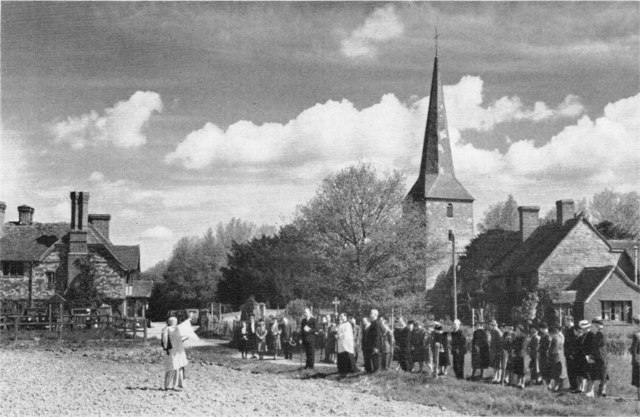 🇬🇧 United Kingdom and 3 moreRogation days
Springtime Christian days of prayer, fasting, and parish boundary walks.Spiritual · Fasting and breaking the fast
🇬🇧 United Kingdom and 3 moreRogation days
Springtime Christian days of prayer, fasting, and parish boundary walks.Spiritual · Fasting and breaking the fast
 🇮🇪 Ireland and 2 moreEmber daysQuatuor Tempora
A quarterly Western Christian rhythm of fasting, prayer and seasonal thanksgivingSeasonal · Fasting and breaking the fast
🇮🇪 Ireland and 2 moreEmber daysQuatuor Tempora
A quarterly Western Christian rhythm of fasting, prayer and seasonal thanksgivingSeasonal · Fasting and breaking the fast
 🇮🇱 Jerusalem, IsraelPassoverפסח
A Jewish spring festival celebrating freedom from slavery with ritual mealsSpiritual · Dinner
🇮🇱 Jerusalem, IsraelPassoverפסח
A Jewish spring festival celebrating freedom from slavery with ritual mealsSpiritual · Dinner
 🇹🇱 Timor-LesteUma Lulik
Sacred ancestral clan houses and ritual shrines in East TimorSpiritual
🇹🇱 Timor-LesteUma Lulik
Sacred ancestral clan houses and ritual shrines in East TimorSpiritual