Dress and adornmentSub-Saharan Africa
Gomesi
A floor-length, brightly coloured dress tied with a sash, worn by women in Uganda

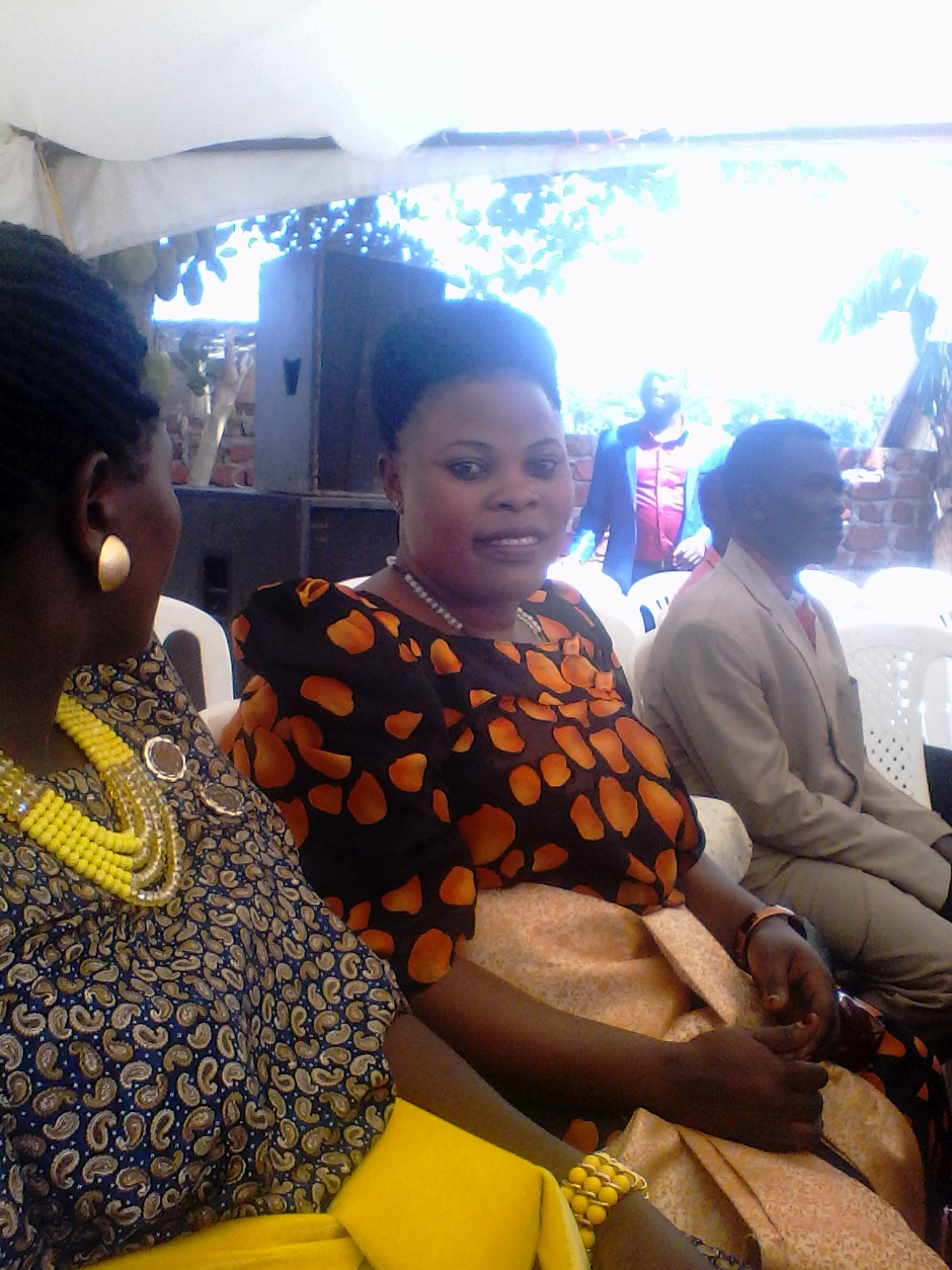
The gomesi is a floor-length, brightly coloured dress worn by women in Uganda, and the customary dress of Baganda and Basoga women. Tied with a sash below the waist, it is everyday wear in rural areas and worn in towns for weddings, funerals, church functions and national events.
When is Gomesi kept?
Gomesi is kept on worn through the year, daily in rural areas and on special occasions in towns.
The gomesi is a floor-length dress worn by women in Uganda. Brightly coloured, with a square neck and short puffed sleeves, it is the customary dress of Baganda and Basoga women and is tied at the waist with a sash. It takes its name from a Goan designer who brought it to Uganda in 1905, and it became widely worn after a royal coronation in 1914.
What it is
The gomesi is a dress that reaches the floor. It is cut with a square neckline, short sleeves that are puffed at the shoulder, and two buttons on the left side of the neck. It is the customary garment for women of Buganda and Busoga, and people in Uganda often call it the traditional dress of Baganda and Basoga women. Men in the same communities wear the kanzu instead. The gomesi is not a single fixed design. Colour, cloth and trim vary widely, and it can be dressed up or worn casually, which is one reason it has stayed in use for more than a century.
Origins and history
The best scholarship traces the gomesi to 1905, when a Goan designer named Caetano Gomes, then living in Uganda, introduced the dress. Uganda was a British Protectorate at the time. It spread slowly at first: wide use came only after the wife of Daudi Cwa II, the Kabaka, or king, of Buganda, wore it to his official coronation in 1914. He was 18 then and had been kabaka since he was a baby. Some accounts trace the garment to Lubugo, an older Ugandan style of clothing said to date from around 600 AD. Since the 1960s the gomesi has passed through four broad stages, changing cloth and decoration: bark-cloth first, then cotton, then Khadi, and most recently kikooyi.
Cloth and cut
A gomesi is usually made from silk, cotton, satin, polyester or linen, and silk is counted the most costly of these. Cloth is often brightly coloured, and shoulder pads are common. An undergarment called a kikooyi, or kanga, is tied beneath the dress so the fabric does not cling to the body. The sash that goes over it, the kitambaala, is a strip of cloth about three to four metres long; it sits below the waist, across the hips, and both holds the outfit together and shapes the wearer's figure. A carefully made gomesi can take as much as six metres of cloth. Lighter fabrics are chosen for casual versions.
Wearing it today
In villages the gomesi is ordinary dress, worn as people go about the day. In towns and cities it comes out for special days: funerals, weddings, church functions, betrothals, national ceremonies and gatherings where dignitaries are present. It has a firm place in the Kwanjula, the introduction ceremony before a wedding, where the women of the groom's family are expected to appear in gomesi. Because the dress works for both formal and everyday wear, and because its cloth and colour can change with taste, it has stayed in use in Uganda.
How Gomesi is kept
A woman starts with the kikooyi or kanga, tied under the dress so the outer cloth stays away from the body. The gomesi itself goes on over it. Its square neckline and short puffed sleeves are part of the cut, and two buttons fasten on the left of the neck. Then the kitambaala sash is wrapped below the waist and over the hips and tucked to hold the whole outfit in place. Shoulder pads give the shoulders their shape. The cloth is measured to the wearer: three to four metres for the sash, and up to six metres for a carefully made dress.
When and where
The gomesi belongs to no fixed date. It is worn through the year, daily in rural areas and on chosen days in cities: funerals, weddings, betrothals, church functions and national occasions. It is expected wear for women of the groom's family at the Kwanjula, the introduction ceremony held before a wedding.
The gomesi is worn in Uganda, above all in Buganda and Busoga, whose women count it as their customary dress. Rural areas see it most often, as everyday clothing; towns and cities see it on special days. It also appears at national events, where dignitaries are present, and at family weddings and funerals.
What Gomesi means
For Baganda and Basoga families, the gomesi marks respect and belonging. A woman in gomesi is dressed for an important moment, whether that is a funeral, a church service or her family's introduction ceremony. At the Kwanjula the sight of the groom's female relatives all in gomesi shows that the two families have come together properly. The dress carries a public meaning too: it is the women's costume used most in Buganda and Busoga, and it is worn when the country receives visitors of rank.
Questions people ask about Gomesi
When is Gomesi kept?
Gomesi is kept on worn through the year, daily in rural areas and on special occasions in towns.
What is a gomesi?
A gomesi is a floor-length, brightly coloured dress worn by women in Uganda. It has a square neckline, short puffed sleeves and two buttons on the left of the neck, and it is tied with a sash below the waist. It is the customary dress of Baganda and Basoga women.
Who introduced it?
The best scholarship points to 1905 and a Goan designer, Caetano Gomes, who was living in Uganda when it was a British Protectorate. The dress came into wide use after the wife of Kabaka Daudi Cwa II of Buganda wore it at his official coronation in 1914.
What is the sash called?
The sash is the kitambaala in Luganda. It is a strip of cloth about three to four metres long, tied below the waist and over the hips. Underneath, a kikooyi or kanga is tied first so the main fabric does not stick to the body.
Is it always made from the same cloth?
No. Gomesi are made in silk, cotton, satin, polyester and linen, and silk is the most expensive. The design has changed over time: bark-cloth first, then cotton from the 1960s, Khadi by the 1970s, and kikooyi most recently. Colour and decoration vary widely.
See also
 KitengeA printed cloth tied at the waist or chest, worn as a wrap, head cover or baby slingKwanjulaA formal marriage introduction ritual of the Baganda people in Uganda, where families meet to exchange gifts and seek bl
 BarkclothCloth beaten from tree bark across Africa, Asia and the Pacific
 ʻIe tōgaPrecious woven mats exchanged in Samoan ceremonies to honor family ties and chiefly status.
Good reading and sources
- Gomesi on WikipediaEncyclopedia
- More photos on Wikimedia CommonsPhotos and video
- Wikidata recordOpen data
The facts on this page come from the Wikipedia article "Gomesi", written by its contributors and used under the CC BY-SA 4.0 licence, and from its Wikidata record (CC0). EveryParampara rewrote the text in its own words, with AI assistance, and compares every page with the article to make sure no passage is copied. It may be reused under the same CC BY-SA 4.0 licence with a link back.
It may contain mistakes. Traditions differ from one family, village and community to the next, and the people who keep them know them best. If something is wrong, tell us. Last refreshed 2026-10-05.
More from Uganda
All the traditions of Uganda
🇰🇪 Kenya and 5 moreKitenge
A printed cloth tied at the waist or chest, worn as a wrap, head cover or baby slingDress
🇺🇬 Uganda and 4 moreBarkcloth
Cloth beaten from tree bark across Africa, Asia and the PacificCraft
🇺🇬 UgandaKwanjula
A formal marriage introduction ritual of the Baganda people in Uganda, where families meet to exchange gifts and seek blRite of passage
🇺🇬 UgandaEkisaakaate
A Buganda youth retreat teaching traditional manners, crafts and life skillsEtiquette
The same idea elsewhere
Weddings compared 🇮🇩 Bali, Indonesia and 5 moreIkat
A resist-dyeing craft from Southeast Asia, where yarns are tied and dyed before weavingCraft
🇮🇩 Bali, Indonesia and 5 moreIkat
A resist-dyeing craft from Southeast Asia, where yarns are tied and dyed before weavingCraft
 🇹🇴 Tonga and 1 moreTaʻovala
A waist mat worn in Tonga for weddings, funerals and formal daysDress
🇹🇴 Tonga and 1 moreTaʻovala
A waist mat worn in Tonga for weddings, funerals and formal daysDress
 🇨🇳 ChinaKowtow叩頭
A traditional Chinese prostration of deep respect by kneeling and bowing to the groundEtiquette
🇨🇳 ChinaKowtow叩頭
A traditional Chinese prostration of deep respect by kneeling and bowing to the groundEtiquette
 🇳🇵 Nepal and 1 moreDhaka topiढाका टोपी
A patterned cotton cap worn across Nepal as part of the national dressDress
🇳🇵 Nepal and 1 moreDhaka topiढाका टोपी
A patterned cotton cap worn across Nepal as part of the national dressDress