Royal, civic and national ceremonySub-Saharan Africa
Kgotla
A village meeting and customary court in Botswana, led by the chief

The kgotla is a public meeting, community council and customary court of a village in Botswana, also found in rural parts of Lesotho and South Africa. A chief or headman leads it, everyone gets a full hearing without interruption, and decisions are reached by consensus.
When is Kgotla kept?
Kgotla is kept on called as needed by the chief or headman, so it can fall on any day.
A kgotla is a village gathering where a community in Botswana settles its business, and it is also the name of the ground where people meet. A chief or headman leads; the people speak in turn; agreement, not a vote, decides the outcome. The same word covers a customary court, and the habit of hearing everyone out reaches far beyond the village.
What it is
A kgotla is the public meeting of a Botswana village. It also works as a community council and as a customary court where disputes and offences are heard. A chief or a headman presides, and the headmen attached to him act as advisers. The word does double duty: it names the gathering and the ground where the gathering happens. A kgotla can be called to talk about anything that concerns the village, and the people who attend are not there to watch. They are there to speak, to listen and to settle the matter together.
How it is run
Order matters. One person speaks at a time, and no one is allowed to cut across a speaker: the custom is that each voice gets its full turn before the next begins. Headmen advise the chief as the discussion moves along. When everyone has been heard, the meeting works toward a single agreed position. Decisions are not put to a vote; they are reached by consensus. In many villages men stay at the kgotla through the day, and they can be sent out to fetch people who have failed to answer for a legal matter.
The meeting place
Kgotla also means the spot where the meeting is held. What that looks like varies. Some villages have only a handful of seats set up in the open; others keep a fixed ground with shelter over the seated area. Either way, the place carries the name. In Botswana English the word is a borrowing from Setswana, the local language, in which it refers to a court. The same borrowing travelled into South African English, where lekgotla names a meeting that the government calls to plan its strategy.
Beyond the village
The habit of letting each person finish before the next one starts has spread past the village ground. It turns up away from home as well, in a debate on a bill or in a briefing to staff. Botswana's own account of its political history gives this long practice of open discussion a central place, and the country presents itself as a democracy of unusual age. However that claim is judged, the kgotla remains the model many people in the country have in mind when they talk about how public business should be conducted.
How Kgotla is kept
A chief or headman opens the meeting. Headmen serve as his advisers. Anyone with something to contribute speaks, and no one talks over another: each person is allowed to finish before the next starts. Discussion goes on until the group settles on one position, since decisions are made by agreement rather than by counting votes. In many villages men are present at the kgotla through the day and may be sent to bring in people who have ignored the law.
When and where
There is no fixed date. A kgotla is held when the village or its leaders need to talk something through, so it can fall on any day of the year. Meetings take place at the kgotla ground, where men are often found during daylight hours, waiting to be called on business.
Kgotla are part of village life in Botswana, and the same institution is found in rural Lesotho and rural South Africa. In Botswana it is the customary setting for community business and for hearing cases. In South Africa the related term lekgotla is used for a government meeting called to plan strategy.
What Kgotla means
For the people who keep it, the kgotla is about being heard. Standing does not silence a speaker, and the result belongs to the group rather than to the leader alone. Botswana's account of its own political history leans on this patient, open way of talking matters through.
Questions people ask about Kgotla
When is Kgotla kept?
Kgotla is kept on called as needed by the chief or headman, so it can fall on any day.
What is a kgotla?
It is a public meeting and community council of a village in Botswana, and it also serves as a traditional court. The same word names the place where people gather. A chief or headman leads, and the community settles its business by agreement.
Who takes part?
A chief or a headman heads the meeting, with headmen acting as advisers. Everyone in the community may speak. In many villages men spend the day at the kgotla and are sent to call in people who have not answered for breaking the law.
How does a kgotla reach a decision?
By agreement rather than by voting. Each speaker is heard to the end, and nobody is allowed to break in. The discussion continues until those present settle on one position that the community can accept.
Where is the kgotla kept?
In Botswana villages, and in rural parts of Lesotho and South Africa. In South Africa the related word lekgotla is used for a government meeting called to plan strategy. The word itself entered both Botswana and South African English from Setswana, where it means court.
See also
 Bastille DayFrance's national day marking the storming of the Bastille and the unity of the people on 14 July.
 Heritage DayA nationwide South African public holiday honouring the country's diverse cultures
 IndlamuA Zulu war dance of two warriors in pelts, matched move for move and stamped on the beat
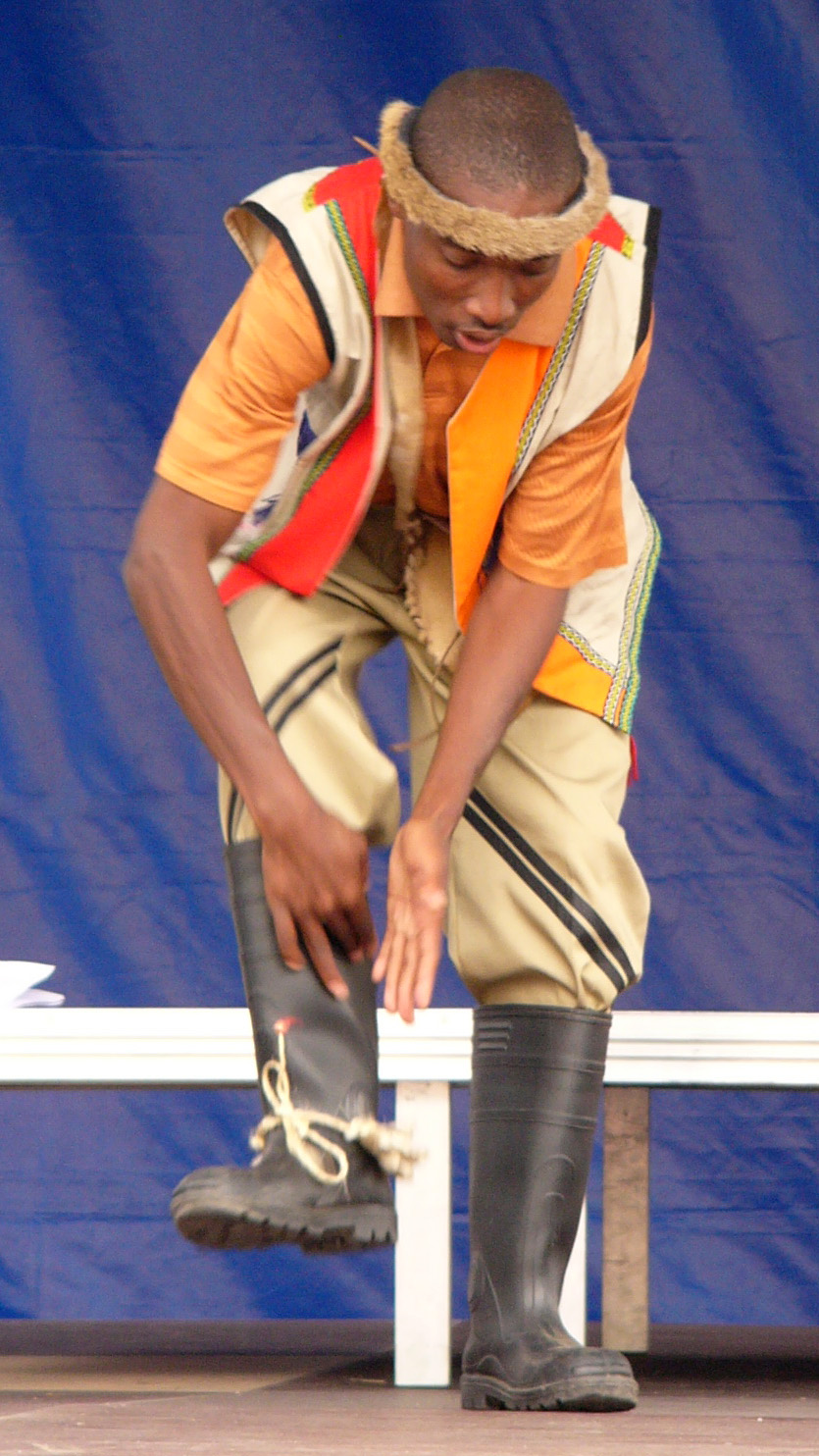 Gumboot danceA percussive South African dance born in the mines, performed in Wellington boots to communicate and celebrate.
Good reading and sources
The facts on this page come from the Wikipedia article "Kgotla", written by its contributors and used under the CC BY-SA 4.0 licence, and from its Wikidata record (CC0). EveryParampara rewrote the text in its own words, with AI assistance, and compares every page with the article to make sure no passage is copied. It may be reused under the same CC BY-SA 4.0 licence with a link back.
It may contain mistakes. Traditions differ from one family, village and community to the next, and the people who keep them know them best. If something is wrong, tell us. Last refreshed 2026-10-05.
More from Botswana
All the traditions of Botswana 🇿🇦 South Africa and 5 moreSouthern African traditional healing
Ancestral divination, herbal muthi, and spiritual care across Southern AfricaSpiritual
🇧🇼 BotswanaBogwera and bojale
Tswana coming-of-age initiation for boys and girls, held over several monthsRite of passage
🇿🇦 South Africa and 5 moreSouthern African traditional healing
Ancestral divination, herbal muthi, and spiritual care across Southern AfricaSpiritual
🇧🇼 BotswanaBogwera and bojale
Tswana coming-of-age initiation for boys and girls, held over several monthsRite of passage
 🇧🇼 D'Kar, BotswanaKuru Dance and Music Festival
A gathering of San communities in Botswana to share songs, stories and sacred dancesPerformance
🇧🇼 D'Kar, BotswanaKuru Dance and Music Festival
A gathering of San communities in Botswana to share songs, stories and sacred dancesPerformance
 🇧🇼 Molepolole, BotswanaDithubaruba Cultural Festival
An annual gathering in Botswana that celebrates the customs, music, and history of the Bakwena people.Festival
🇧🇼 Molepolole, BotswanaDithubaruba Cultural Festival
An annual gathering in Botswana that celebrates the customs, music, and history of the Bakwena people.Festival
The same idea elsewhere
All of this kind 🇺🇸 Philadelphia, United States and 1 moreIndependence Day
The United States' national day of parades, barbecues and fireworks, kept each July 4Ceremony
🇺🇸 Philadelphia, United States and 1 moreIndependence Day
The United States' national day of parades, barbecues and fireworks, kept each July 4Ceremony
 🇮🇳 Kolkata, IndiaJana Gana Mana
India's national anthem, from a Bengali hymn of 1911, sung at civic occasionsCeremony
🇮🇳 Kolkata, IndiaJana Gana Mana
India's national anthem, from a Bengali hymn of 1911, sung at civic occasionsCeremony
 🇺🇸 Washington, United StatesState of the Union address
The US president's yearly report to Congress and the nation, given in the House chamberCeremony
🇺🇸 Washington, United StatesState of the Union address
The US president's yearly report to Congress and the nation, given in the House chamberCeremony
 🇺🇸 United StatesTalking stick
A carved staff that shows who may speak at a Northwest Coast gatheringCeremony
🇺🇸 United StatesTalking stick
A carved staff that shows who may speak at a Northwest Coast gatheringCeremony