Royal, civic and national ceremonySub-Saharan AfricaSecular and civic
Heritage Day
In its own language: Erfenisdag
A nationwide South African public holiday honouring the country's diverse cultures

Observed annually on 24 September, Heritage Day is a South African national holiday dedicated to the varied traditions of its people. Communities mark the occasion across the country with outdoor braais, historical reenactments, and displays of customary attire and dance.
When is Heritage Day in 2027?
Heritage Day 2027 is on Friday, 24 September 2027. Other years: 2026, Thursday, 24 September 2026; 2028, Sunday, 24 September 2028.
Heritage Day is an annual South African public holiday celebrated on 24 September. Established in the mid-1990s, the holiday invites citizens to recognise and honour the wide variety of cultural backgrounds, customs, and languages that form the nation. Across the country, people mark the day with communal meals, traditional clothing, historical commemorations, and gatherings with family and neighbours.
Origins and compromise
Before becoming a national holiday, 24 September was observed in KwaZulu-Natal as Shaka Day. The date commemorated King Shaka, who brought together separate Nguni clans during the early nineteenth century to establish the Zulu nation. When post-apartheid lawmakers drafted the 1994 public holidays legislation, the date was initially left out. The Inkatha Freedom Party, representing many Zulu citizens, raised objections to the omission. To resolve the dispute, the African National Congress and parliament agreed to establish a broader holiday named Heritage Day. The new observance officially began on 24 September 1995.
How it is observed
People celebrate across South Africa through cultural showcases, community gatherings, and social meals. Many citizens prepare braais, which are open-fire barbecues shared among family and friends. Cultural dress plays a visible role, such as VhaVenda women performing dances while wearing customary regalia. Public speeches and municipal gatherings take place in various towns. In Gugulethu, commemorative events have included addresses along local historical trails, while Hout Bay hosts military reenactments and formal parades. If the holiday happens to fall on a Sunday, workers and schools receive the subsequent Monday as a paid day off.
Cultural meaning
The observance centres on celebrating South Africa's diverse population, often referred to as the rainbow nation. Rather than highlighting a single tradition, the holiday acknowledges how every community contributes to the shared fabric of the country. At the Shaka Memorial, gatherings continue to remember historical leadership, while nationwide events encourage individuals of all backgrounds to express pride in their personal roots. By focusing on mutual respect and shared belonging, the day promotes unity among people from different language groups, regions, and social traditions.
How Heritage Day is kept
People celebrate across South Africa by wearing traditional clothing, preparing outdoor barbecue meals known as braais, and attending community events. In KwaZulu-Natal, crowds gather at the Shaka Memorial to honour the Zulu king. Elsewhere, towns organise historical walks, military parades, and musical performances, including traditional dancing. Families and neighbours spend the day together sharing food, while government leaders and civic groups host public commemorative ceremonies.
When and where
Heritage Day falls on 24 September every year. Whenever the calendar date lands on a Sunday, the statutory public holiday shifts to the following Monday, giving workers and students a long weekend.
The holiday is observed across all provinces of South Africa. Celebrations take place in private backyards, public parks, historic routes like the Gugulethu Heritage trail, and coastal settlements such as Hout Bay.
What Heritage Day means
Heritage Day represents the shared identity of South Africa's multicultural society. It acknowledges the distinct backgrounds of all citizens while fostering unity within the broader nation. By honouring historical figures alongside everyday customs, the day reflects how varied traditions contribute to building a cohesive, democratic country.
On the table
- Braai
Days Heritage Day is marked
Heritage Day dates: 2026, 2027, 2028
| Year | Heritage Day date |
|---|---|
| 2026 | Thursday, 24 September 2026 |
| 2027 | Friday, 24 September 2027 |
| 2028 | Sunday, 24 September 2028 |
Questions people ask about Heritage Day
When is Heritage Day in 2027?
Heritage Day 2027 is on Friday, 24 September 2027. Other years: 2026, Thursday, 24 September 2026; 2028, Sunday, 24 September 2028.
What is Heritage Day?
Heritage Day is an official South African public holiday that honours the diverse cultural backgrounds, customs, and traditions of all people living in the country.
How did the holiday begin?
It developed from Shaka Day, a KwaZulu-Natal commemoration honouring the Zulu king. When parliament omitted the date in 1994, political negotiations led to creating an inclusive national holiday in 1995.
How do South Africans celebrate the day?
Citizens mark the day by hosting outdoor braai barbecues, dressing in traditional cultural garments, performing dances, and attending memorial gatherings, community walks, or historical parades.
See also
 Bastille DayFrance's national day marking the storming of the Bastille and the unity of the people on 14 July.
 ChristmasA festival of Jesus's birth, kept on 25 December with gifts, lights and shared meals
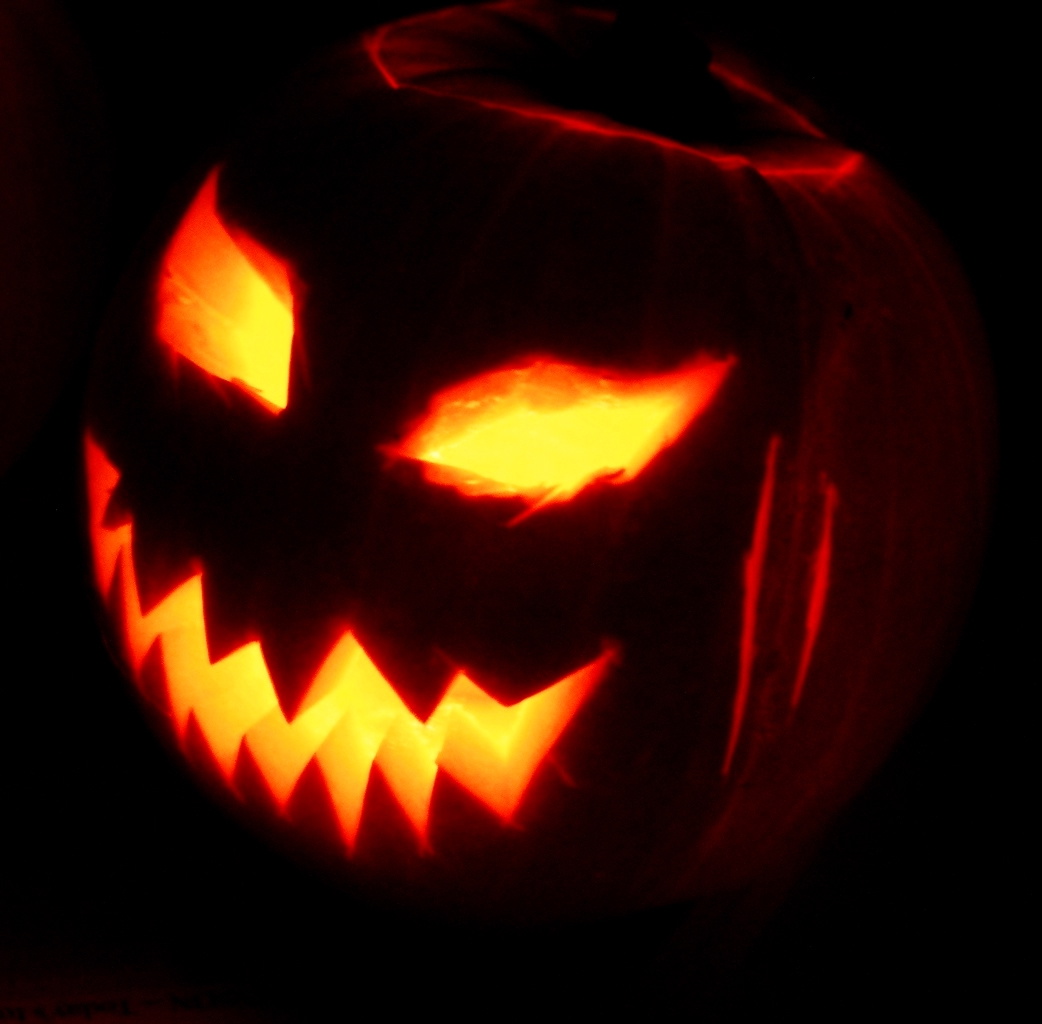 HalloweenAn annual observance on 31 October marking the eve of All Saints' Day, rooted in Christian tradition and Celtic heritage
 Eid al-FitrThe feast that ends Ramadan, opened with morning prayers, sweets and visits home
Good reading and sources
- Heritage Day (South Africa) on WikipediaEncyclopedia
- More photos on Wikimedia CommonsPhotos and video
- Wikidata recordOpen data
The facts on this page come from the Wikipedia article "Heritage Day (South Africa)", written by its contributors and used under the CC BY-SA 4.0 licence, and from its Wikidata record (CC0). EveryParampara rewrote the text in its own words, with AI assistance, and compares every page with the article to make sure no passage is copied. It may be reused under the same CC BY-SA 4.0 licence with a link back.
It may contain mistakes. Traditions differ from one family, village and community to the next, and the people who keep them know them best. If something is wrong, tell us. Last refreshed 2026-10-04.
More from South Africa
All the traditions of South Africa 🇧🇼 Botswana and 2 moreKgotla
A village meeting and customary court in Botswana, led by the chiefCeremony
🇧🇼 Botswana and 2 moreKgotla
A village meeting and customary court in Botswana, led by the chiefCeremony
 🇮🇳 India and 4 moreYouth Day
A commemorative holiday honoring young people and youth movements worldwideCeremony
🇮🇳 India and 4 moreYouth Day
A commemorative holiday honoring young people and youth movements worldwideCeremony
 🇿🇦 Pretoria, South AfricaNational Women's Day
South Africa's public holiday on 9 August, remembering the women who marched in 1956Ceremony
🇿🇦 Pretoria, South AfricaNational Women's Day
South Africa's public holiday on 9 August, remembering the women who marched in 1956Ceremony
 🇺🇸 United States and 5 moreArmed Forces Day
A civic holiday honouring national military services, their history and active personnelCeremony
🇺🇸 United States and 5 moreArmed Forces Day
A civic holiday honouring national military services, their history and active personnelCeremony
The same idea elsewhere
Remembering the ancestors compared 🇨🇳 Puyang, ChinaFeng shui風水
The Chinese spatial practice of aligning homes and graves with natural energyFolklore
🇨🇳 Puyang, ChinaFeng shui風水
The Chinese spatial practice of aligning homes and graves with natural energyFolklore
 🇲🇲 Bagan, MyanmarNat worshipနတ်
Veneration of guardian spirits and nature deities alongside Buddhism in MyanmarSpiritual
🇲🇲 Bagan, MyanmarNat worshipနတ်
Veneration of guardian spirits and nature deities alongside Buddhism in MyanmarSpiritual
 🇵🇪 Cusco, Peru and 4 moreIntiinti (Quechua)
The Inca sun deity, honoured with temples, offerings and the June festival Inti RaymiSpiritual
🇵🇪 Cusco, Peru and 4 moreIntiinti (Quechua)
The Inca sun deity, honoured with temples, offerings and the June festival Inti RaymiSpiritual
 🇧🇷 Recife, Brazil and 1 moreMaracatu
A set of Afro-Brazilian performance traditions from Pernambuco and Ceará featuring drumming, dance, and royal pageantry.Performance
🇧🇷 Recife, Brazil and 1 moreMaracatu
A set of Afro-Brazilian performance traditions from Pernambuco and Ceará featuring drumming, dance, and royal pageantry.Performance