Music, dance and storytellingSub-Saharan AfricaIndigenous and traditional
Kuru Dance and Music Festival
A gathering of San communities in Botswana to share songs, stories and sacred dances

Held every August under the full moon in D'Kar, Botswana, this gathering brings San groups together to share ancestral dances and cultural knowledge. Performers enact traditional hunts, transition rites and nightly trance rituals around a fire to heal the community.
When is Kuru Dance and Music Festival kept?
Kuru Dance and Music Festival is kept on annually in August during the full moon.
The Kuru Dance and Music Festival brings together Khoisan groups in western Botswana to maintain and honour their heritage. Founded in 1997 at the village of D'Kar, the gathering takes place each August when the moon is full. Through staged hunts, coming-of-age enactments and nightly trance healing rituals, participants share cultural knowledge, strengthen ties across communities, and affirm the central place of song and movement in San life.
Origins and community leadership
The gathering was established in 1997 in D'Kar, situated within the Ghanzi District, specifically among the Naro San. It arose as part of a wider cultural initiative designed to build local pride and preserve indigenous heritage. Leadership rests with the Kuru Development Trust, founded in 1986, which is overseen mostly by village representatives alongside partners originally linked to Dutch church bodies. Working with regional indigenous advocacy networks, the trust uses the event to foster cultural continuity and support economic self-reliance. Public agencies and commercial partners in Botswana provide backing to sustain these cultural and community development goals.
Dramatising the hunt
Hunting and foraging dances reflect the historical subsistence practices that define San identity. Women seat themselves in a curved row, supplying steady percussion, singing and clapping. Men enact the pursuit of game, such as the gemsbok, miming the reading of animal tracks, the release of poisoned arrows, and the final strike. Dances also commemorate personal milestones, such as a young hunter taking his first antelope. In traditional initiation rites, a youth would spend time in seclusion before receiving symbolic cuts on his arms treated with eland fat. The performance concludes with celebratory footwork as participants stage the preparation of a feast.
Puberty and passage rites
When a young woman reaches puberty and begins menstruation, tradition refers to this change as the eland illness. Because the eland represents good health, fertility and female grace, the community marks the transition with special ceremonies. The initiate stays in seclusion, her body painted with a paste of red ochre, charcoal, wood ash, animal fat and plant dyes. Dancers perform playful, flirtatious routines to welcome her into womanhood. During these courtship dances, male performers mimic the behaviour of mature eland bulls, mock-grimacing and imitating mating displays to celebrate adulthood and future marriage.
Trance and night healing
As evening falls, the gathering turns toward sacred healing. San tradition considers nightfall a sacred time when spiritual forces are especially active. A central fire is kindled, surrounded by seated women singing and men dancing in unison. As the tempo builds, shamans enter an altered state to reach the realm of the ancestors and divine spirits. Dancers and healers may collapse from spiritual intensity. In this trance state, the healer places hands on the sick and on other participants, channelling spiritual power to draw away ailments and restore balance to the community.
How Kuru Dance and Music Festival is kept
Participants gather at D'Kar under the August full moon. During the day, groups present expressive dances illustrating their daily traditions and key life transitions. Women form seated semi-circles to sing, clap and provide rhythm, while men act out tracking, hunting and animal courtship. Youths and their milestones receive communal recognition through symbolic body painting and movement. At dusk, attention shifts to a communal fire for the trance dance. As singing intensifies, spiritual healers enter altered states, invoking ancestral spirits and laying hands upon community members to cure sickness.
When and where
The event takes place every year in August, scheduled specifically to align with the appearance of the full moon, a period considered spiritually meaningful in Khoisan tradition.
The festival takes place at the settlement of D'Kar, located in the Ghanzi District of western Botswana. It serves as a regional gathering point for Naro San and neighbouring groups.
What Kuru Dance and Music Festival means
For San participants, dance bridges everyday survival and the sacred world. The eland stands for female fertility, vitality and maturity, mirrored in coming-of-age ceremonies. Hunting movements honour the animals and the natural environment that sustain life. In the evening trance dance, movement becomes a vehicle to commune with ancestral spirits, allowing shamans to draw out illness and preserve the physical and spiritual wellness of the group.

Questions people ask about Kuru Dance and Music Festival
When is Kuru Dance and Music Festival kept?
Kuru Dance and Music Festival is kept on annually in August during the full moon.
What is the Kuru Dance and Music Festival?
It is an annual cultural meeting in Botswana where San and Khoisan communities come together to preserve and showcase their heritage through traditional music, theatrical dances and communal healing ceremonies.
Where and when does the festival happen?
The event is hosted every August to coincide with the full moon. It takes place at D'Kar, a village located in the Ghanzi District of Botswana.
What types of dances are showcased?
Performances include hunting narratives tracking game, courtship and puberty dances honouring the eland, and night-time trance dances where spiritual leaders lay hands on the sick to offer healing.
Who organises the festival?
The Kuru Cultural Center and the Kuru Development Trust organise the gathering, supported by community development bodies, regional indigenous networks, the government of Botswana, and corporate sponsors.
See also
 Southern African traditional healingAncestral divination, herbal muthi, and spiritual care across Southern Africa
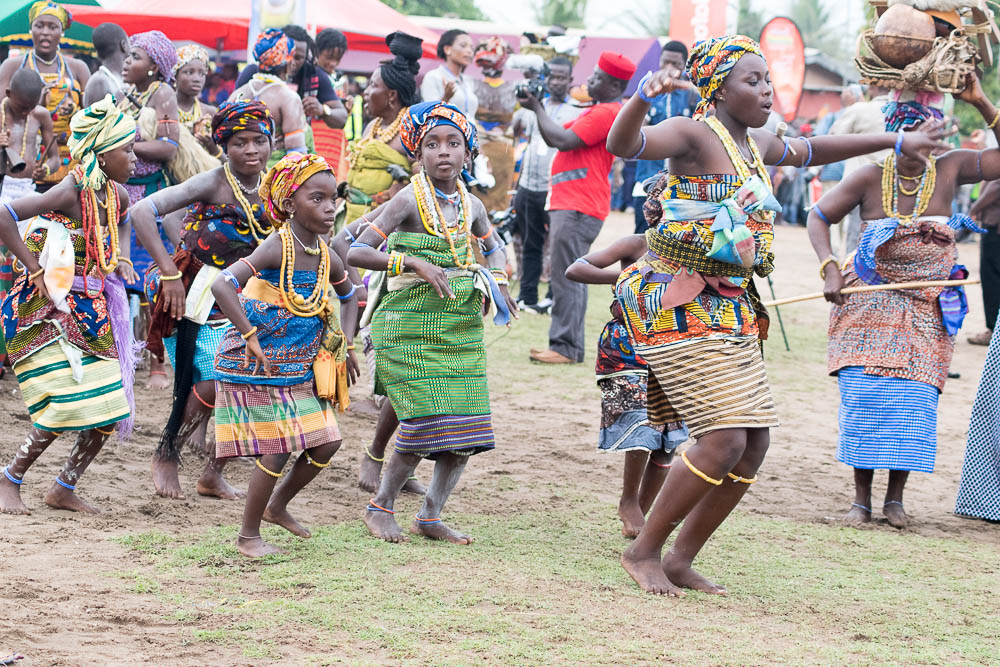 AgbadzaAn Ewe music and dance, born of war songs and kept for funerals, weddings and festivals
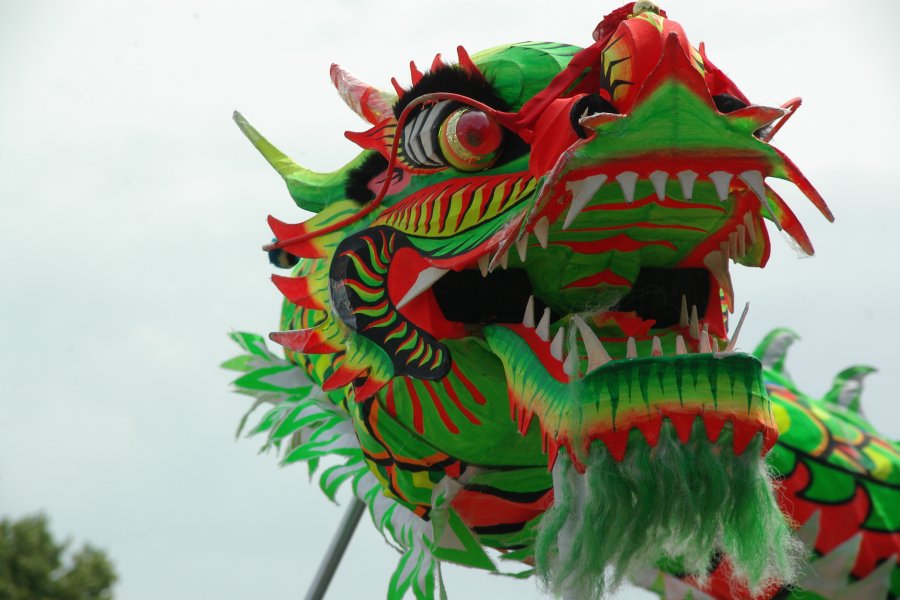 Dragon danceA long dragon puppet on poles, danced by a team at Chinese New Year and other festivals
 GriotWest Africa's hereditary keepers of spoken history, praise and music
Good reading and sources
The facts on this page come from the Wikipedia article "Kuru Dance and Music Festival", written by its contributors and used under the CC BY-SA 4.0 licence, and from its Wikidata record (CC0). EveryParampara rewrote the text in its own words, with AI assistance, and compares every page with the article to make sure no passage is copied. It may be reused under the same CC BY-SA 4.0 licence with a link back.
It may contain mistakes. Traditions differ from one family, village and community to the next, and the people who keep them know them best. If something is wrong, tell us. Last refreshed 2026-10-05.
More from Botswana
All the traditions of Botswana
🇿🇦 South Africa and 5 moreSouthern African traditional healing
Ancestral divination, herbal muthi, and spiritual care across Southern AfricaSpiritual
🇧🇼 BotswanaBogwera and bojale
Tswana coming-of-age initiation for boys and girls, held over several monthsRite of passage
 🇧🇼 Botswana and 2 moreKgotla
A village meeting and customary court in Botswana, led by the chiefCeremony
🇧🇼 Botswana and 2 moreKgotla
A village meeting and customary court in Botswana, led by the chiefCeremony
 🇧🇼 Molepolole, BotswanaDithubaruba Cultural Festival
An annual gathering in Botswana that celebrates the customs, music, and history of the Bakwena people.Festival
🇧🇼 Molepolole, BotswanaDithubaruba Cultural Festival
An annual gathering in Botswana that celebrates the customs, music, and history of the Bakwena people.Festival
The same idea elsewhere
Healing, luck and protection compared 🇪🇬 Egypt and 5 moreTraditional tattooing
The ancient custom of marking the skin for protection, healing, status and sacred ritesDress
🇪🇬 Egypt and 5 moreTraditional tattooing
The ancient custom of marking the skin for protection, healing, status and sacred ritesDress
 🇵🇭 Cebu, PhilippinesBatok
Indigenous Filipino tattooing, once worn as dress, rank and a rite of passageCraft
🇵🇭 Cebu, PhilippinesBatok
Indigenous Filipino tattooing, once worn as dress, rank and a rite of passageCraft
 🇮🇳 India and 2 morePujaपूजा (pūjā)
Hindu worship: light, flowers and food offered to a deity or a guestSpiritual
🇮🇳 India and 2 morePujaपूजा (pūjā)
Hindu worship: light, flowers and food offered to a deity or a guestSpiritual
 🇮🇳 India and 4 moreWater lantern
Small lamps floated on water to honour the dead and ask for good fortuneFestival
🇮🇳 India and 4 moreWater lantern
Small lamps floated on water to honour the dead and ask for good fortuneFestival