Seasons, harvest and the calendarMiddle East
Khareef
In its own language: خَرِيْف
The monsoon season of Dhofar and Al Mahrah, welcomed with a festival in Salalah
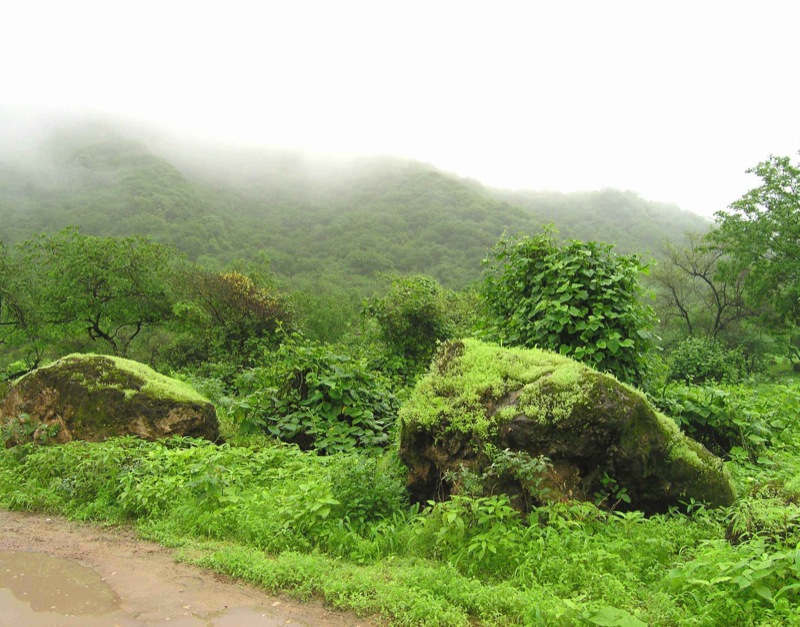
Khareef is the local name for the southeastern monsoon and also the word for autumn in parts of the Arabian Peninsula and Sudan. From about June to early September, fog and rain settle on Dhofar and Al Mahrah, and Salalah depends on the season for water. A yearly festival in Salalah marks it.
When is Khareef kept?
Khareef is kept each year from roughly June until early September, during the monsoon.
Khareef is the word used in Oman and neighbouring countries for the southeastern monsoon, and it is also their word for autumn. The damp winds bring fog and rain to the coast of the Arabian Sea, and towns such as Salalah depend on the season for their water. An annual festival in Salalah celebrates it and brings visitors.
What it is
Khareef is a colloquial Arabic word, and its plain meaning is autumn. Along the southern coast of the Arabian Peninsula and in Sudan the same word is the everyday name for the southeastern monsoon, the damp wind that arrives in the middle of the year. It is not a formal or religious term. People use it for both the wind and the weeks it governs. Where the moisture meets the land, the air thickens and cloud forms.
How it forms
The mechanism is a simple one. During the middle months of the year, water near the shore of the Arabian Sea turns cold. Upwelling lifts deeper water to the surface and holds it in the low to mid twenties Celsius, while further out to sea the surface stays in the high twenties. Air that has travelled across the central Arabian Sea is full of moisture. When it blows onshore and passes above the cooler water, it is chilled. The vapour then condenses, and the result is fog and rain over the coast.
Rain and water
The season reaches Dhofar Governorate in Oman and Al Mahrah Governorate in Yemen, and it lasts from roughly June to the start of September. Salalah, the main town of Dhofar, draws its water supply from the khareef, so these wet weeks matter for everyday life and not only for the look of the land. The meeting of cool sea and damp air also produces a habitat along the coast that the sources call the Arabian Peninsula coastal fog desert.
The festival
Salalah holds a Khareef festival each year while the monsoon is on. The festival takes the season itself as its subject and celebrates the arrival of the fog and rain. It has become something that draws visitors from outside the region, and reporting on the season counts the tourists it brings. The sources used here do not describe the programme, the exact dates inside the season, or the people who run it.
How Khareef is kept
The khareef is not a ceremony with a fixed order of events. It is a season that arrives: cold water rises near the shore, damp air blows in from the sea, and fog and rain settle over the coast. Residents of Dhofar and Al Mahrah live through the wet weeks, and Salalah takes its water from them. The one organised observance the sources describe is the annual festival in Salalah, held while the monsoon is on to celebrate the season and to welcome visitors.
When and where
The season falls in the middle of the year. The sources place it between roughly June and early September. It is tied to the monsoon winds and to the cold water they cross, rather than to a date on a calendar, and the towns on the coast meet it each year as it comes.
Khareef belongs to the southern coast of the Arabian Peninsula and to Sudan, where the same word is in use. The rains themselves reach Dhofar Governorate in Oman and Al Mahrah Governorate in Yemen. Salalah, in Dhofar, is the town most closely tied to it: it holds the festival and it depends on the season for water.
What Khareef means
For the people of the coast, the khareef means water. It fills the supply that Salalah draws on and it brings a habitat of its own to the shore for a few months each year. The word also means autumn, and the season carries that sense of a turning point in the year. The festival in Salalah turns the meaning outward, inviting visitors to see the fog and rain for themselves.
Questions people ask about Khareef
When is Khareef kept?
Khareef is kept each year from roughly June until early September, during the monsoon.
What is the khareef?
It is a colloquial Arabic word meaning autumn, and in Oman, Yemen, Saudi Arabia and Sudan it also names the southeastern monsoon. The season brings damp air, fog and rain to the coast during the middle months of the year.
Where is it felt?
The rains reach Dhofar Governorate in Oman and Al Mahrah Governorate in Yemen, along the southern coast of the Arabian Peninsula. Salalah is the town most associated with it, both for its water supply and for the festival held there.
Is there a festival?
Yes. Salalah holds a Khareef festival every year to celebrate the monsoon, and it draws visitors from outside the region. The sources used here do not give its programme, its precise dates or its organisers.
Why does the coast get fog and rain while the sea is cold?
Water near the shore rises from below and keeps the surface in the low to mid twenties Celsius, while further out the sea is warmer. Air carrying moisture from the central Arabian Sea is chilled as it passes over the cooler water, and fog and rain form.
See also
 Eid al-FitrThe feast that ends Ramadan, opened with morning prayers, sweets and visits homeFann at-TanburaA Gulf song and dance of drums and tanbura, born in healing, now staged
 TzitzitKnotted ritual fringes worn on a four-cornered garment, a reminder of the commandments
 ArdahA traditional Arabian group dance of facing lines, drums, poetry, and swords
Good reading and sources
- Khareef on WikipediaEncyclopedia
- More photos on Wikimedia CommonsPhotos and video
- Wikidata recordOpen data
The facts on this page come from the Wikipedia article "Khareef", written by its contributors and used under the CC BY-SA 4.0 licence, and from its Wikidata record (CC0). EveryParampara rewrote the text in its own words, with AI assistance, and compares every page with the article to make sure no passage is copied. It may be reused under the same CC BY-SA 4.0 licence with a link back.
It may contain mistakes. Traditions differ from one family, village and community to the next, and the people who keep them know them best. If something is wrong, tell us. Last refreshed 2026-10-05.
More from Oman
All the traditions of Oman 🇸🇦 Riyadh, Saudi Arabia and 4 moreMajlis
A traditional sitting room and community assembly for hospitality and civic counselEtiquette
🇸🇦 Riyadh, Saudi Arabia and 4 moreMajlis
A traditional sitting room and community assembly for hospitality and civic counselEtiquette
 🇹🇿 Zanzibar City, Tanzania and 2 moreSwahili doorMlango wa Kiswahili
A carved wooden entrance from the East African coast, adorned with metal studs and intricate motifs.Craft
🇹🇿 Zanzibar City, Tanzania and 2 moreSwahili doorMlango wa Kiswahili
A carved wooden entrance from the East African coast, adorned with metal studs and intricate motifs.Craft
 🇦🇪 United Arab Emirates and 1 moreYowlahاليولة (al-yawlah)
A traditional stick and sword dance of the UAE and Oman, performed at weddings and celebrations.Performance
🇧🇭 Bahrain and 3 moreFann at-Tanburaفن الطنبورة
A Gulf song and dance of drums and tanbura, born in healing, now stagedPerformance
🇦🇪 United Arab Emirates and 1 moreYowlahاليولة (al-yawlah)
A traditional stick and sword dance of the UAE and Oman, performed at weddings and celebrations.Performance
🇧🇭 Bahrain and 3 moreFann at-Tanburaفن الطنبورة
A Gulf song and dance of drums and tanbura, born in healing, now stagedPerformance
The same idea elsewhere
All of this kind 🇯🇵 JapanKadomatsu門松
A Japanese New Year gateway decoration of pine and bamboo where a visiting deity can restSeasonal
🇯🇵 JapanKadomatsu門松
A Japanese New Year gateway decoration of pine and bamboo where a visiting deity can restSeasonal
 🇮🇳 IndiaIndian national calendar
India's official civil solar calendar, designed to bring unity to timekeepingSeasonal
🇹🇭 ThailandThai solar calendarปฏิทินสุริยคติไทย
The official solar calendar of Thailand, numbered in the Buddhist EraSeasonal
🇮🇳 IndiaIndian national calendar
India's official civil solar calendar, designed to bring unity to timekeepingSeasonal
🇹🇭 ThailandThai solar calendarปฏิทินสุริยคติไทย
The official solar calendar of Thailand, numbered in the Buddhist EraSeasonal
 🇲🇲 Yangon, MyanmarThadingyutသီတင်းကျွတ်
A Burmese celebration and calendar month marking the completion of Buddhist Lent.Seasonal
🇲🇲 Yangon, MyanmarThadingyutသီတင်းကျွတ်
A Burmese celebration and calendar month marking the completion of Buddhist Lent.Seasonal