🇾🇪 Traditions of Yemen
16 traditions from Yemen, best known first, across 5 cities and towns.
Yemeni traditions center on communal hospitality, distinct regional cooking, and an enduring legacy of spoken verse. Daily life is marked by afternoon social gatherings, flatbreads served with fenugreek-topped stews, and traditional musical poetry.
Yemen's living culture is shaped by its distinctive geographic position and a deep commitment to community gatherings. Shared meals rely on warm flatbreads used to scoop bubbling stews, while afternoons bring friends together for qat sessions and conversation. From poetic songs celebrated in Sanaa to a long tradition of stage drama and storytelling, creative expression remains central to daily life. Outdoor life spans football pitches, rugged mountain trails, and the coastal waters of Socotra.
The table and breads
Yemeni cooking centers on flatbreads and hearty stews. The national specialty, saltah, combines a meat broth base with frothed fenugreek and sahawiq, a crushed salsa of chilies, garlic, and tomatoes. Diners scoop up saltah, shakshouka, and meat curries with freshly baked breads like spongy lahooh or thick malooga. Chicken, mutton, and goat appear far more frequently than beef, while coastal communities prepare fish. Sweet treats like bint al-sahn are drizzled with honey, and warm meals are washed down with spiced black tea, iced raisin drinks, or qishr, an aromatic brew made from dried coffee husks.
The afternoon gathering
Chewing leaves from the qat shrub forms a daily ritual across the country. In the afternoons, people put on traditional clothes and gather to chew the mildly stimulating leaves together. These sessions are important social and professional spaces where neighbors converse, friends relax, and colleagues discuss business agreements. The gatherings help facilitate communal decision-making. After chewing, hosts often serve shahi haleeb, a warm sweetened milk tea, allowing the afternoon to transition into evening conversation. While deeply woven into local working and social life, visitors are never pressured to take part in chewing.
Song and storytelling
Spoken verse and musical traditions hold deep reverence in Yemeni life. Oral poetry, folk songs, and storytelling have flourished for centuries across the mainland and offshore islands like Socotra. The capital is celebrated for al-Ghina al-San'ani, a refined style of poetic song recognized internationally by UNESCO. Women have long been central to this poetic history, dating from early figures like Fatima al-Suqutriyya to later classical writers. In print, Yemeni writers have created novels and plays that explore exile, migration, and the historic cultural relationships between different communities, including the country's former Jewish population.
Drama on the stage
Yemeni theatrical performance has roots extending back to the early twentieth century, when the port city of Aden became a center for dramatic arts. Today, both amateur actors and state-backed ensembles present plays across major cities. Playwrights frequently transform popular novels and classic poems into stage productions, while also performing translated works from famous Arab and international writers. In Sanaa, community theatre festivals regularly mark World Theatre Day, bringing together performers and audiences to see original dramas that reflect contemporary life, moral dilemmas, and social history.
Recreation and sport
Daily recreation in Yemen often centers on football, which is the nation's most widely followed sport. Neighborhoods and clubs follow both domestic and regional competitions with great enthusiasm. Beyond the football pitch, the dramatic landscape shapes outdoor activities. Trekkers and climbers take to high peaks in the Sarawat range and around Jabal An-Nabi Shu'ayb. Along the coastlines and the beaches of Socotra island, people engage in swimming, sailing, and scuba diving, taking advantage of the surrounding waters and renowned surf breaks.
The facts in this overview come from the Wikipedia article "Culture of Yemen", written by its contributors and used under the CC BY-SA 4.0 licence. EveryParampara rewrote the text in its own words, with AI assistance, and compares every page with the article to make sure no passage is copied. It may be reused under the same CC BY-SA 4.0 licence with a link back.
The table in Yemen
Foods and drinks by the moment they belong to.
| Tea-time and snacking customs | Coffee culture |
|---|---|
| Tea, coffee and drinking ceremonies | Arabic coffee, Coffee culture |
Cities, towns and villages of Yemen
 🇸🇦 Riyadh, Saudi Arabia and 4 moreMajlis
A traditional sitting room and community assembly for hospitality and civic counselEtiquette
🇸🇦 Riyadh, Saudi Arabia and 4 moreMajlis
A traditional sitting room and community assembly for hospitality and civic counselEtiquette
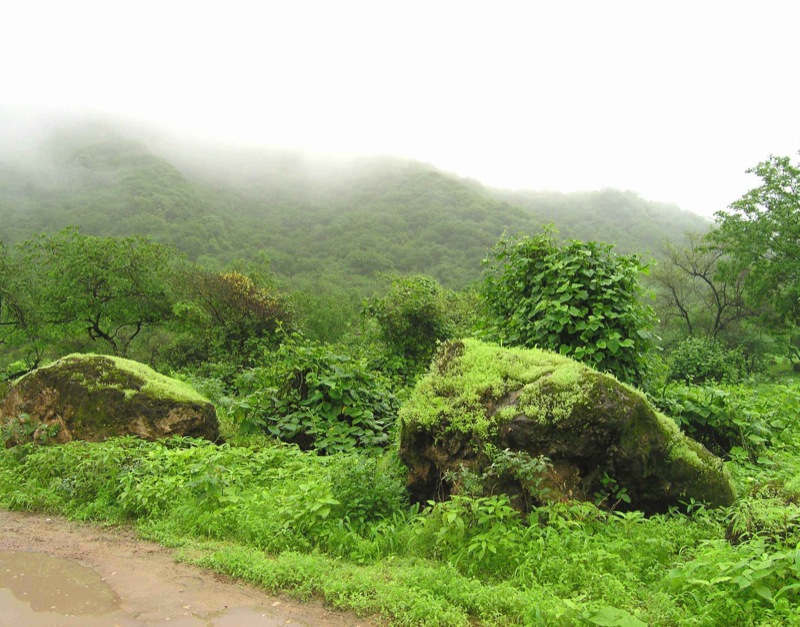 🇴🇲 Salalah, Oman and 3 moreKhareefخَرِيْف
The monsoon season of Dhofar and Al Mahrah, welcomed with a festival in SalalahSeasonal
🇴🇲 Salalah, Oman and 3 moreKhareefخَرِيْف
The monsoon season of Dhofar and Al Mahrah, welcomed with a festival in SalalahSeasonal
 🇮🇱 Israel and 1 moreTzitzitצִיצִית
Knotted ritual fringes worn on a four-cornered garment, a reminder of the commandmentsDress
🇮🇱 Israel and 1 moreTzitzitצִיצִית
Knotted ritual fringes worn on a four-cornered garment, a reminder of the commandmentsDress
 🇮🇱 Israel and 5 moreKaddishקַדִּישׁ
A Jewish hymn of sanctification recited during prayer services and mourning rituals.Spiritual
🇮🇱 Israel and 5 moreKaddishקַדִּישׁ
A Jewish hymn of sanctification recited during prayer services and mourning rituals.Spiritual
 🇾🇪 Mokha, Yemen and 7 moreArabic coffeeqahwa (Arabic: قهوة)
A bitter, spiced brew served as a gesture of hospitality across the Arab world.Table custom · Tea, coffee and drinking ceremonies
🇾🇪 Mokha, Yemen and 7 moreArabic coffeeqahwa (Arabic: قهوة)
A bitter, spiced brew served as a gesture of hospitality across the Arab world.Table custom · Tea, coffee and drinking ceremonies
 🇮🇷 Iran and 5 moreEid al-Ghadirعید الغدیر
A Shia Muslim festival of prayer, gifts and shared meals, kept on 18 Dhu al-HijjahSpiritual
🇮🇷 Iran and 5 moreEid al-Ghadirعید الغدیر
A Shia Muslim festival of prayer, gifts and shared meals, kept on 18 Dhu al-HijjahSpiritual
 🇾🇪 Hadhramaut, Yemen and 1 moreJambiyaجنبية
A short curved dagger worn at the waist by Yemeni men, its handle a sign of statusDress
🇾🇪 Hadhramaut, Yemen and 1 moreJambiyaجنبية
A short curved dagger worn at the waist by Yemeni men, its handle a sign of statusDress
 🇮🇳 India and 4 moreProstration
Bowing the whole body to the ground, in prayer and as a sign of respectSpiritual
🇮🇳 India and 4 moreProstration
Bowing the whole body to the ground, in prayer and as a sign of respectSpiritual
 🇮🇱 Israel and 4 moreTorah readingקריאת התורה
The public reading of the Torah scroll in synagogue, chanted to a special tuneSpiritual
🇮🇱 Israel and 4 moreTorah readingקריאת התורה
The public reading of the Torah scroll in synagogue, chanted to a special tuneSpiritual
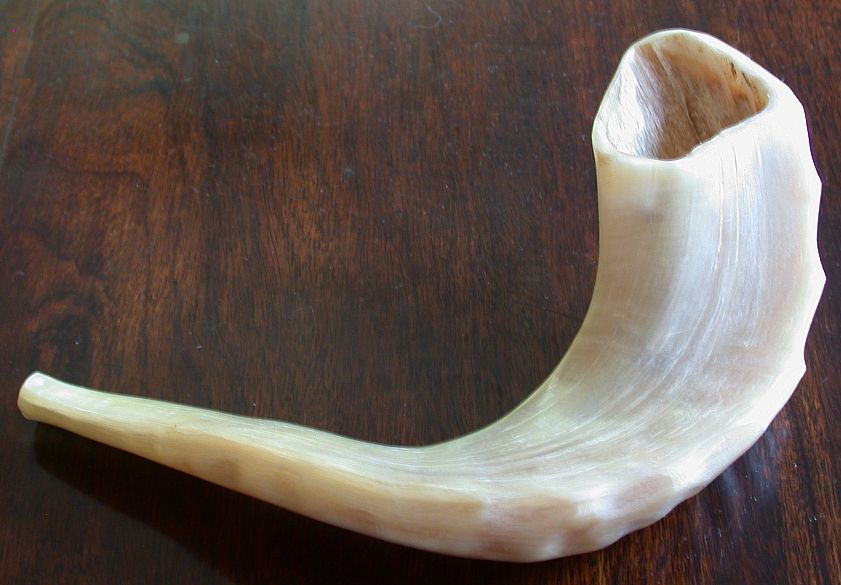 🇮🇱 Jerusalem, Israel and 1 moreShofarשׁוֹפָר
A ram's horn blown in synagogue to mark the Jewish new year and the end of Yom KippurSpiritual
🇮🇱 Jerusalem, Israel and 1 moreShofarשׁוֹפָר
A ram's horn blown in synagogue to mark the Jewish new year and the end of Yom KippurSpiritual
 🇹🇷 Turkey and 5 moreCoffee culture
The habits and etiquette of drinking coffee, and the cafés built around itTable custom · Tea, coffee and drinking ceremonies
🇹🇷 Turkey and 5 moreCoffee culture
The habits and etiquette of drinking coffee, and the cafés built around itTable custom · Tea, coffee and drinking ceremonies
 🇮🇱 Israel and 3 moreKashrutכַּשְׁרוּת (Hebrew)
The Jewish dietary laws: what may be eaten, and how it is preparedTable custom
🇮🇱 Israel and 3 moreKashrutכַּשְׁרוּת (Hebrew)
The Jewish dietary laws: what may be eaten, and how it is preparedTable custom
 🇮🇱 Israel and 1 moreIsru Chagאסרו חג
A minor Jewish observance extending the joy and sanctity of major pilgrimage holidaysSpiritual
🇮🇱 Israel and 1 moreIsru Chagאסרו חג
A minor Jewish observance extending the joy and sanctity of major pilgrimage holidaysSpiritual
 🇮🇱 Jerusalem, Israel and 2 moreDough offeringHafrashat challah
A Jewish ritual where a portion of bread dough is set aside for a priest.Spiritual
🇮🇱 Jerusalem, Israel and 2 moreDough offeringHafrashat challah
A Jewish ritual where a portion of bread dough is set aside for a priest.Spiritual
 🇾🇪 YemenConfession in Judaismוִדּוּי (vīddūy)
Admitting sin before God, in daily prayer, on Yom Kippur and at the end of lifeSpiritual
🇾🇪 YemenConfession in Judaismוִדּוּי (vīddūy)
Admitting sin before God, in daily prayer, on Yom Kippur and at the end of lifeSpiritual
 🇩🇿 Algeria and 4 moreFoutaفوطة
A thin patterned cotton or linen cloth, worn as a wrap at the baths and as dressDress
🇩🇿 Algeria and 4 moreFoutaفوطة
A thin patterned cotton or linen cloth, worn as a wrap at the baths and as dressDress
Photo credits on this page
The small pictures above come from Wikimedia Commons under free licences. Some are cropped to fit.
- Jambiya: Bernard Gagnon, CC BY-SA 3.0, source
- Prostration: Meghan Breeze, CC BY-SA 4.0, source
- Tzitzit: DRosenbach at English Wikipedia, Public domain, source
- Khareef: May Paulose, CC BY 2.0, source
- Majlis: Abū Zayd ibn Muḥammad ibn Abī Zayd, CC0, source
- Arabic coffee: Canbel, CC BY-SA 4.0, source
- Kaddish: Jwh, CC BY-SA 3.0 lu, source
- Torah reading: Sagie Maoz, CC BY-SA 2.0, source
- Confession in Judaism: Nathan [ben Samson] of Mezhyrich, Public domain, source
- High Holy Days: Unknown author, CC BY-SA 2.5, source
- Fouta: Emmanuel.boutet authorized by Bohemeria [1], CC BY-SA 3.0, source
- Eid al-Ghadir: khamenei.ir, CC BY 4.0, source
- Coffee culture: The original uploader was Hajor at English Wikipedia ., CC BY 3.0 br, source
- Kashrut: Daniel Ventura, CC BY-SA 3.0, source
- Isru Chag: Jim Padgett, CC BY-SA 3.0, source
- Dough offering: Unknown author, CC BY-SA 3.0, source