Music, dance and storytellingMiddle East
Fann at-Tanbura
In its own language: فن الطنبورة
A Gulf song and dance of drums and tanbura, born in healing, now staged
Fann at-Tanbura is a music and dance tradition of the Arab states of the Persian Gulf, strongest in Bahrain, Kuwait and Oman. Men and women sing and dance together to the tanbura, drums and the manjur, an apron strung with goat hooves, and it began in healing practice tied to the Zār ritual.
Fann at-Tanbura is a music and dance tradition of the Persian Gulf. Its home is in the Arab states along that coast, above all Bahrain, Kuwait and Oman, where men and women sing and dance together. The tanbura holds the centre of the sound, with drums and the manjur beside it. The tradition is closely associated with the Zār ritual, and it began in healing practice.
What it is
Fann at-Tanbura is a music and dance tradition of the Arab states of the Persian Gulf. Bahrain, Kuwait and Oman are named as its main homes, and the genre is often shortened to Tanbura, after the instrument that leads it. Singing and dancing sit together here, and men and women both take part. There is no line drawn between players and dancers: they form one group, and a piece is carried by voices, drumming and movement at once. Its name in Arabic is written فن الطنبورة, and the sources also spell it Fann aṭ-Ṭanbūra in English.
The instruments
The tanbura gives the genre its name and stands at the centre of the sound. Around it sit several drums, which carry the beat for the singing and the dancing. The third instrument named in the sources is the manjur, and it is the most unusual of the three. It is a kind of apron that a performer wraps around the waist, with a large number of goat hooves fixed to it. When the wearer moves, the hooves sound with the drums, so the clothing of the dance is also an instrument of it.
Healing roots
The tradition is tied to Zār, described in the sources as a spiritual ritual. Music of this kind was once used in healing, and those who took part sometimes fell into a trance. That is where it began. The sources are clear that this use lies in the past: in modern times it is more often a musical performance. The older purpose has not been dropped from the story, though. It is part of why the genre is treated as more than entertainment, and it shapes the way the drumming and the dancing are understood by the people who keep them.
Today and change
Today the genre is usually met as a performance rather than as a cure. Groups play for audiences, and filmed performances travel beyond the places where the music began. A Tanbura group from Sharjah, in the United Arab Emirates, is one example the sources point to. Bahrain, Kuwait and Oman stay the countries most closely tied to it. The sources also point to the Oman Centre for Traditional Music. Even so, the older purpose is remembered, and the singing, the dancing and the instruments are the same ones that belonged to it.
How Fann at-Tanbura is kept
Men and women take part together. The tanbura leads, and several drums and the manjur, an apron of goat hooves worn at the waist, sound alongside it. Singers and dancers move as one group rather than in separate roles. In the older, healing setting the music was played for someone who was unwell, and those taking part sometimes fell into a trance. That use has largely given way to performance: a group now plays and dances for an audience, at gatherings and in recordings, with the same instruments and the same shared singing.
When and where
Fann at-Tanbura belongs to the Arab states of the Persian Gulf. Bahrain, Kuwait and Oman are the countries named as its strongest homes. A Tanbura group from Sharjah, in the United Arab Emirates, appears in a filmed performance, so the tradition reaches that emirate too. The material names no single city or town as its birthplace.
What Fann at-Tanbura means
For the people who keep it, the music is not only entertainment. It came out of healing, and that older use gives it weight. The trance that could come over those taking part shows how far the ritual was thought to reach. The shared singing, with men and women joining, makes the group the unit rather than a single star performer. When it is performed today, it is presented as a Gulf tradition that its own communities choose to keep.
Questions people ask about Fann at-Tanbura
What is Fann at-Tanbura?
It is a music and dance tradition of the Arab states of the Persian Gulf, named after the tanbura, the instrument that leads it. Singing, drumming and dancing happen together, and men and women both take part. It is closely associated with the Zār spiritual ritual.
Where is it kept?
The sources name Bahrain, Kuwait and Oman as its main homes, all along the Persian Gulf. A Tanbura group from Sharjah, in the United Arab Emirates, is also documented in a filmed performance. No single city or town is given as its birthplace.
When is it performed?
The sources give no fixed day or season for it. In the past it belonged to healing practice; today it is more often staged as a musical performance, and it is not tied to a single date in the calendar.
What is the manjur?
The manjur is an instrument that is worn rather than held. It is a kind of apron that the performer wraps around the waist, with a large number of goat hooves fixed to it. As the wearer moves, the hooves sound along with the drums.
Is it a religious practice?
The sources tie it closely to the Zār spiritual ritual and say it was originally used in healing, with those taking part sometimes falling into a trance. They do not name a particular religion for it, and in modern times it is more often a musical performance.
See also
 BarongA sacred Balinese masked dance drama depicting the eternal struggle of good and evil
 Lion danceA dynamic ritual dance featuring costumed lions, drums and martial acrobatics
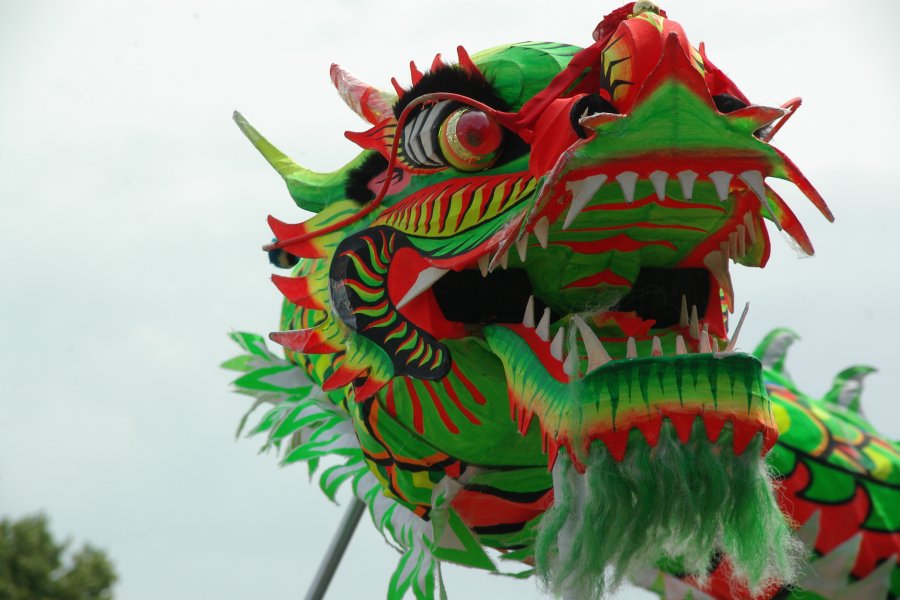 Dragon danceA long dragon puppet on poles, danced by a team at Chinese New Year and other festivals
 Gnawa musicA spiritual musical tradition of Morocco that blends West African rhythms with Islamic ritual to heal and connect commun
Good reading and sources
The facts on this page come from the Wikipedia article "Fann at-Tanbura", written by its contributors and used under the CC BY-SA 4.0 licence, and from its Wikidata record (CC0). EveryParampara rewrote the text in its own words, with AI assistance, and compares every page with the article to make sure no passage is copied. It may be reused under the same CC BY-SA 4.0 licence with a link back.
It may contain mistakes. Traditions differ from one family, village and community to the next, and the people who keep them know them best. If something is wrong, tell us. Last refreshed 2026-10-05.

The same idea elsewhere
Healing, luck and protection compared 🇩🇪 Germany and 5 moreChristmas tree
A decorated evergreen or artificial tree placed indoors to mark the Christmas season.Festival
🇩🇪 Germany and 5 moreChristmas tree
A decorated evergreen or artificial tree placed indoors to mark the Christmas season.Festival
 🇫🇷 France and 5 moreCandlemas
A Christian feast of candle blessings marking the end of the Christmas seasonSpiritual
🇫🇷 France and 5 moreCandlemas
A Christian feast of candle blessings marking the end of the Christmas seasonSpiritual
 🇺🇸 United States and 4 moreFriday the 13th
A Western folk superstition regarding the unluckiness of a Friday falling on the 13th.Folklore
🇺🇸 United States and 4 moreFriday the 13th
A Western folk superstition regarding the unluckiness of a Friday falling on the 13th.Folklore
 🇮🇪 Ireland and 2 moreJack-o'-lantern
A carved pumpkin lantern lit with a candle to brighten and protect Halloween nightsFolklore
🇮🇪 Ireland and 2 moreJack-o'-lantern
A carved pumpkin lantern lit with a candle to brighten and protect Halloween nightsFolklore