Festivals and celebrationsNorth America
Labour Day
A day honouring workers, kept on 1 May in most countries and on other dates elsewhere

Labour Day honours working people and the unions that won them shorter hours. It grew out of the eight-hour-day campaign and the 1886 strike in Chicago, and most countries now keep it on 1 May, while Canada and the United States hold theirs in September.
When is Labour Day marked?
Labour Day is kept as part of May Day and Labour Day, which is on Saturday, 1 May 2027.
Labour Day is a public holiday for working people, kept in many countries under names such as International Workers' Day or May Day. It grew out of the campaign for an eight-hour working day, and it remembers the 1886 strike in Chicago that ended in the Haymarket affair. Most places keep it on 1 May. Canada and the United States hold theirs on the first Monday of September.
What it marks
Labour Day sets aside a day for working people and for the unions that speak for them. The idea behind it is the eight-hour day: the argument that a working life should be divided into eight hours of work, eight of rest and eight of leisure. Supporters of that cause organised the first parades and picnics in the 1850s and 1860s, and their efforts turned the date into an annual fixture. In most countries the day now lines up with International Workers' Day, which remembers a general strike in Chicago in 1886 and the Haymarket affair that followed it.
Dates and calendars
The day is not fixed everywhere. Most countries keep it on 1 May, which is why it is often called May Day. Canada and the United States take the opening Monday of September instead, a date chosen by the unions of both countries. Australia spreads the holiday across the year: each state and territory sets its own Monday. New Zealand waits until the fourth Monday of October. Kazakhstan holds it on the final Sunday of September, and Japan folds it into Labor Thanksgiving Day on 23 November.
Marches and laws
Melbourne workers walked off building sites on 21 April 1856 and marched to Parliament House, winning an eight-hour day without losing pay. Queensland marked its own eight-hour victory from 1865, and the date moved to May Day about 1896. In Canada, a Toronto demonstration backing striking printers in 1872 helped bring in the Trade Union Act, which made unions legal. Peter J. McGuire, an American labour figure, took note of a Toronto celebration in 1882 and staged a march in New York City that September. Unions pressed Parliament, and Canada made the holiday law in 1894.
How the day is kept
Parades and speeches are the usual shape of the day. In Nassau, bands in bright uniforms and Junkanoo performers join unions and political parties in a procession that closes at the Southern Recreation Grounds, where officials speak. Kenya's gatherings bring song, dance and speeches from national leaders. Malaysian groups sometimes march or rally for workers' rights. Jamaica turned the occasion toward service: since 1972 the government has set a yearly theme and people take on community projects. Parades in Kingston were once banned after clashes, so the emphasis there moved to practical work.
Today and change
China lengthened its statutory break to two days, 1 and 2 May, in 2025, after more than a decade of a single day, and the State Council shifts nearby weekends to make a longer stretch. Hong Kong has kept 1 May as a holiday since 1999. India's first Labour Day was marked in Chennai in 1923. Bangladesh observes May Day, while garment workers' groups campaign for a separate safety day on 24 April in memory of the Rana Plaza collapse of 2013. In Kazakhstan the holiday was formally set up in late 2013.
How Labour Day is kept
Unions, workers and sometimes political parties organise the day. Morning parades and marches are common, with bands, banners and speeches afterwards. In several countries the national leadership gives an address, and medals or awards for long service are handed out. Elsewhere the day is quieter: picnics, family gatherings and cultural performances. Jamaica asks people to spend the day on community projects chosen around a yearly theme. Statutory holidays may be stretched by shifting nearby weekends, and in some places parades have given way to rallies or service work.
When and where
Most countries keep it on 1 May. Canada and the United States use the opening Monday of September. Australia's states and territories each fix their own Monday between March and October, and Christmas Island takes the fourth Monday of March. New Zealand marks the fourth Monday of October, Kazakhstan the last Sunday of September, and Japan 23 November.
It is kept across many countries. The strongest traditions sit in Canada and the United States in September, and on 1 May in Jamaica, Kenya, Malaysia, Bangladesh, India, China, Hong Kong, Macau and the Bahamas. Australia and New Zealand shape their own versions around the eight-hour day rather than 1 May.
What Labour Day means
For those who keep it, the day belongs to working people and to what unions have won for them. The eight-hour day stands for a fair division of a life between work, rest and free time. In Jamaica it also carries a break from colonial memory: Empire Day gave way to a date honouring the 1938 strikes. In Kazakhstan it is a moment to thank veterans of labour, and in Kenya and Malaysia it is a chance to press for better conditions.


Days Labour Day is marked
Questions people ask about Labour Day
When is Labour Day marked?
Labour Day is kept as part of May Day and Labour Day, which is on Saturday, 1 May 2027.
What is Labour Day?
It is a public holiday for workers and the labour movement. Most countries keep it on 1 May, the date of International Workers' Day, which remembers the 1886 general strike in Chicago and the Haymarket affair. Canada and the United States keep theirs on the opening Monday of September.
Why do many countries keep it on 1 May?
That date remembers the 1886 general strike in Chicago for an eight-hour workday, which ended in the Haymarket affair. Countries that link their holiday to International Workers' Day choose 1 May for that reason.
Why do Canada and the United States use September?
Union parades and festivals on the opening Monday of September were promoted in both countries after 1882. Canada passed legislation in 1894, and that Monday has been the date there, and in the United States, ever since.
Does everyone get a day off?
Many countries grant it as a paid public holiday, and the number of days varies. China's statutory break is two days, 1 and 2 May, since 2025. In Kazakhstan it always falls on a Sunday, so most people are free at the weekend anyway.
How is the day marked?
Usually with parades, marches, speeches and awards for workers. Some countries add music, dance and cultural events. Jamaica sets a theme each year and asks people to spend the day on community projects, an approach that began under Michael Manley in 1972.
See also
 ChristmasA festival of Jesus's birth, kept on 25 December with gifts, lights and shared meals
 HalloweenAn annual observance on 31 October marking the eve of All Saints' Day, rooted in Christian tradition and Celtic heritage
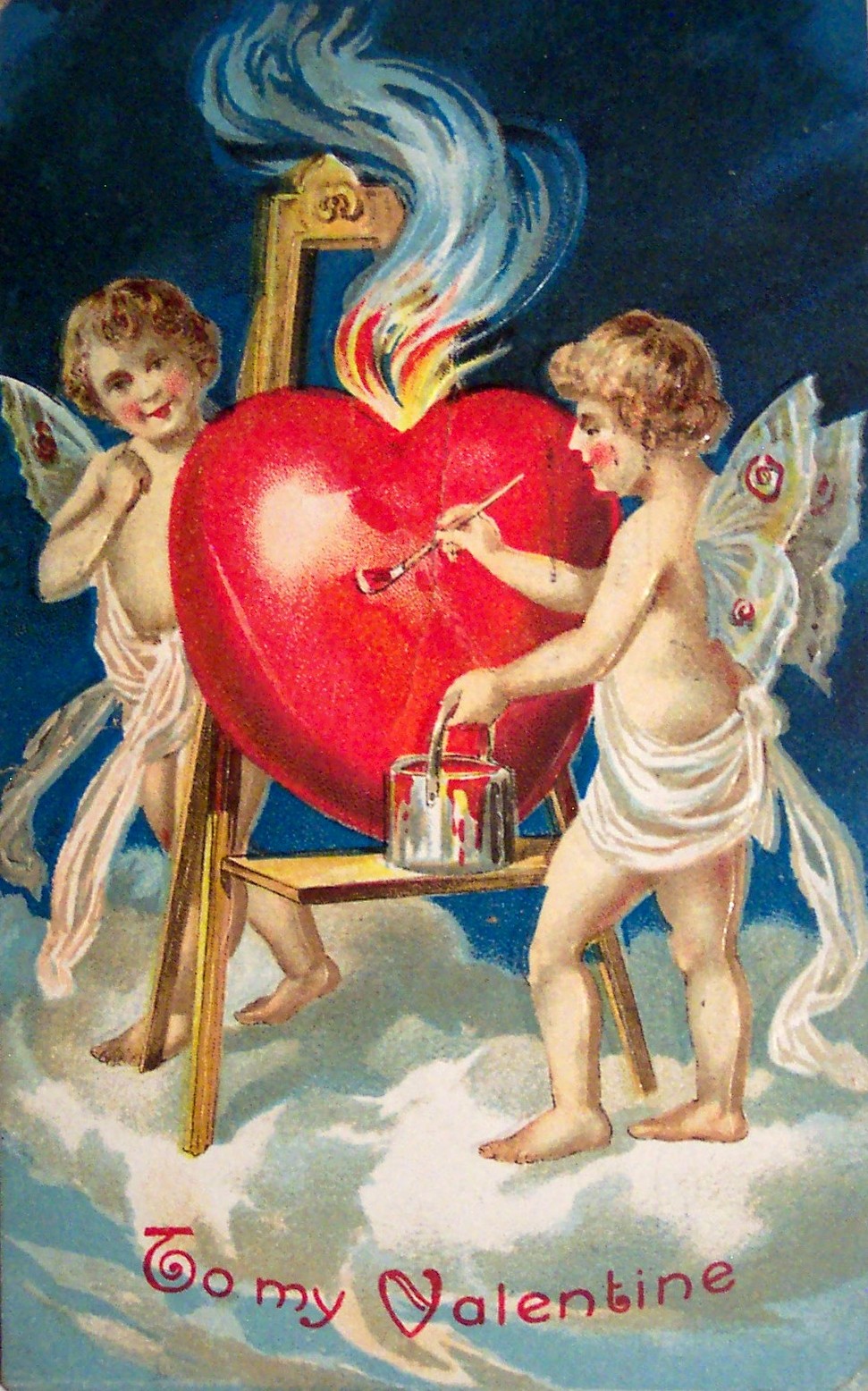 Valentine's DayA Christian feast day and cultural celebration of love kept on February 14 in many countries.
 HanukkahAn eight-day Jewish festival marking the rededication of the Second Temple in Jerusalem and the miracle of a single day'
Good reading and sources
- Encyclopaedia BritannicaArticle
- 1 Mayıs'ın Taksim'de kutlanması tartışmaları sürüyor: Meydan neden önemli?BBC, Article
- May Day 2026 explained: Why is Labour Day celebrated?The Hindu, Article
- 1 Mayıs'ın Taksim'de kutlanması tartışmaları sürüyor: Meydan neden önemli?BBC, Article
- May Day 2026 explained: Why is Labour Day celebrated?The Hindu, Article
- Labour Day on WikipediaEncyclopedia
- More photos on Wikimedia CommonsPhotos and video
- Wikidata recordOpen data
The facts on this page come from the Wikipedia article "Labour Day", written by its contributors and used under the CC BY-SA 4.0 licence, and from its Wikidata record (CC0). EveryParampara rewrote the text in its own words, with AI assistance, and compares every page with the article to make sure no passage is copied. It may be reused under the same CC BY-SA 4.0 licence with a link back.
It may contain mistakes. Traditions differ from one family, village and community to the next, and the people who keep them know them best. If something is wrong, tell us. Last refreshed 2026-10-05.
More from the United States
All the traditions of the United States
🇮🇹 Rome, Italy and 4 moreChristmas
A festival of Jesus's birth, kept on 25 December with gifts, lights and shared mealsFestival
🇮🇪 Ireland and 5 moreHalloween
An annual observance on 31 October marking the eve of All Saints' Day, rooted in Christian tradition and Celtic heritageFestival · Sweets given and shared
🇬🇧 United Kingdom and 4 moreValentine's Day
A Christian feast day and cultural celebration of love kept on February 14 in many countries.Festival
🇮🇱 Jerusalem, Israel and 1 moreHanukkahחֲנֻכָּה
An eight-day Jewish festival marking the rededication of the Second Temple in Jerusalem and the miracle of a single day'Festival
The same idea elsewhere
All of this kind 🇹🇷 Turkey and 5 moreEid al-Fitrعيد الفطر
The feast that ends Ramadan, opened with morning prayers, sweets and visits homeFestival · Feasts and festival meals
🇹🇷 Turkey and 5 moreEid al-Fitrعيد الفطر
The feast that ends Ramadan, opened with morning prayers, sweets and visits homeFestival · Feasts and festival meals
 🇩🇪 Germany and 5 moreChristmas tree
A decorated evergreen or artificial tree placed indoors to mark the Christmas season.Festival
🇩🇪 Germany and 5 moreChristmas tree
A decorated evergreen or artificial tree placed indoors to mark the Christmas season.Festival
 🇮🇳 Ayodhya, India and 7 moreDiwaliदीपावली (Dīpāvalī)
A five-day festival of lights celebrated across India and its diaspora to mark the victory of light over darkness.Festival · Feasts and festival meals
🇮🇳 Ayodhya, India and 7 moreDiwaliदीपावली (Dīpāvalī)
A five-day festival of lights celebrated across India and its diaspora to mark the victory of light over darkness.Festival · Feasts and festival meals
 🇪🇬 Egypt and 5 moreMawlidمولد (Mawlid)
An annual festival marking the birth of the Prophet Muhammad, marked by poetry, processions and feasts.Festival · Feasts and festival meals
🇪🇬 Egypt and 5 moreMawlidمولد (Mawlid)
An annual festival marking the birth of the Prophet Muhammad, marked by poetry, processions and feasts.Festival · Feasts and festival meals