Festivals and celebrationsSouth AsiaIndigenous and traditional
Lai Haraoba
In its own language: ꯂꯥꯏ ꯍꯔꯥꯎꯕ
A ritual dance and music festival kept by the Meitei people to please their deities.

Lai Haraoba is a classical theatrical dance and music festival celebrated annually by the Meitei people of Manipur. It honors the Umang Lai deities through sacred rituals led by priestesses and priests. The event mirrors the creation myth and strengthens community bonds across shrines in India and neighboring regions.
When is Lai Haraoba kept?
Lai Haraoba is kept on annually between February and June.
Lai Haraoba is a sacred festival of dance and music kept by the Meitei people of Manipur. It serves as a ritual enactment of the creation myth to please the Umang Lai deities. The event brings together communities at local shrines for prayers, offerings, and traditional performances that honor their spiritual heritage.
Origins and meaning
The name translates to the merrymaking or pleasing of the gods. Practitioners link it to the cry of hoi from the Meitei creation myth. This moment marks when the universe was revealed to existence. Folklore states the gods held the first ceremony on Koubru Hill so their descendants would imitate these rites. The festival reflects the culture of Manipur and shows the close ties between hill and plain peoples. It combines religious recitations with ancient social values.
Ritual structure
Priests and priestesses lead detailed ceremonies divided into three parts. The beginning opens the shrine doors and draws the deity down through water. The middle section features dances like Laiching Jagoi to bring the sacred presence into the space. Participants shout hoi together in antiphonal songs. The end marks the ascent of the god back to the heavens. Each shrine chooses its own dates, making the duration vary from three days to over a month.
Variations and types
Four main types exist within Meitei society. Kanglei Haraoba occurs in Imphal and honors Pakhangba. Moirang Haraoba takes place in the south and features the Khamba Thoibi dance. Chakpa Haraoba involves simpler hand movements and includes unique rituals like shooting the sun. Kakching Haraoba includes the hunting of eel ritual. Each village often maintains its own specific practices and hymns.
Dance and music
The festival is a classical theatrical form that gave rise to Manipuri dance. Performances are not just entertainment but essential ritual components. Maibis lead dances that symbolize the creation of the human body, birth, farming, and weaving. The pena fiddle provides the musical accompaniment without singing during key moments. Community members join in respectful dances to honor the deities throughout the celebration.
Modern recognition
Lai Haraoba is recognized as Meitei intangible cultural heritage. The government of Tripura declares it a state holiday under the name Meitei Lai Haraoba. Officials in Manipur seek recognition from UNESCO and the Sangeet Natak Akademi. The festival continues to be celebrated by the diaspora in Assam, Tripura, Bangladesh, and Myanmar, keeping the tradition alive across borders.
How Lai Haraoba is kept
Maibis and maibas lead the rituals at local shrines dedicated to Umang Lai deities. The ceremony begins by opening the shrine doors and fetching sacred objects from water sources. Priestesses perform dances that mimic the creation of the body and daily life activities. Communities gather to offer fruits, rice, and flowers while listening to pena fiddle music. The event concludes with the deities returning to the heavens after a period of communal worship.
When and where
It falls annually between February and June. Each shrine sets its own specific dates based on tradition rather than a fixed calendar.
It is strongest in Manipur, India, particularly in Imphal, Moirang, and Kakching. It is also kept by Meitei communities in Assam, Tripura, Bangladesh, and Myanmar.
What Lai Haraoba means
The festival enacts the creation myth and honors both male and female aspects of divinity. Rituals symbolize the birth of humanity, the building of homes, and the weaving of clothes. It reinforces the connection between the divine and the everyday lives of the Meitei people.


Questions people ask about Lai Haraoba
When is Lai Haraoba kept?
Lai Haraoba is kept on annually between February and June.
What is Lai Haraoba?
It is a classical ritualistic dance and music festival celebrated by the Meitei people. It aims to please the Umang Lai deities through sacred enactments of the creation myth.
Where is it kept?
It is predominantly celebrated in the Indian state of Manipur. It is also observed in places with Meitei diaspora populations such as Assam, Tripura, Bangladesh, and Myanmar.
Who leads the rituals?
Special practitioners called maibas (men) and maibis (women) lead the ceremonies. They guide the community through prayers, dances, and offerings to the deities.
See also
 DiwaliA five-day festival of lights celebrated across India and its diaspora to mark the victory of light over darkness.
 MawlidAn annual festival marking the birth of the Prophet Muhammad, marked by poetry, processions and feasts.
 HoliA spring festival of colours and bonfires that marks the end of winter and the triumph of good over evil.
 Water lanternSmall lamps floated on water to honour the dead and ask for good fortune
Good reading and sources
- Cultural Significance of the Lai HaraobaSahapedia, Article
- Cultural Significance of the Lai HaraobaSahapedia, Article
- Lai Haraoba on WikipediaEncyclopedia
- More photos on Wikimedia CommonsPhotos and video
- Wikidata recordOpen data
The facts on this page come from the Wikipedia article "Lai Haraoba", written by its contributors and used under the CC BY-SA 4.0 licence, and from its Wikidata record (CC0). EveryParampara rewrote the text in its own words, with AI assistance, and compares every page with the article to make sure no passage is copied. It may be reused under the same CC BY-SA 4.0 licence with a link back.
It may contain mistakes. Traditions differ from one family, village and community to the next, and the people who keep them know them best. If something is wrong, tell us. Last refreshed 2026-10-05.
More from India
All the traditions of India
🇮🇳 Ayodhya, India and 7 moreDiwaliदीपावली (Dīpāvalī)
A five-day festival of lights celebrated across India and its diaspora to mark the victory of light over darkness.Festival · Feasts and festival meals
🇮🇳 Mathura, India and 5 moreHoliहोली (Hindi)
A spring festival of colours and bonfires that marks the end of winter and the triumph of good over evil.Festival
🇮🇳 India and 4 moreWater lantern
Small lamps floated on water to honour the dead and ask for good fortuneFestival
 🇮🇳 Kolkata, India and 1 moreSindur Khelaসিঁদুর খেলা
A Bengali Hindu ritual where married women apply vermilion to each other on Vijayadashami.Festival
🇮🇳 Kolkata, India and 1 moreSindur Khelaসিঁদুর খেলা
A Bengali Hindu ritual where married women apply vermilion to each other on Vijayadashami.Festival
The same idea elsewhere
Remembering the ancestors compared 🇮🇱 Jerusalem, IsraelSukkotסוכות
A seven-day autumn Jewish festival of temporary booths, harvest prayers and hospitalitySpiritual
🇮🇱 Jerusalem, IsraelSukkotסוכות
A seven-day autumn Jewish festival of temporary booths, harvest prayers and hospitalitySpiritual
 🇯🇵 Kyoto, JapanTorii鳥居
A traditional Japanese gate marking the entrance to a Shinto shrine and separating the sacred from the mundane.Spiritual
🇯🇵 Kyoto, JapanTorii鳥居
A traditional Japanese gate marking the entrance to a Shinto shrine and separating the sacred from the mundane.Spiritual
 🇲🇲 Bagan, MyanmarNat worshipနတ်
Veneration of guardian spirits and nature deities alongside Buddhism in MyanmarSpiritual
🇲🇲 Bagan, MyanmarNat worshipနတ်
Veneration of guardian spirits and nature deities alongside Buddhism in MyanmarSpiritual
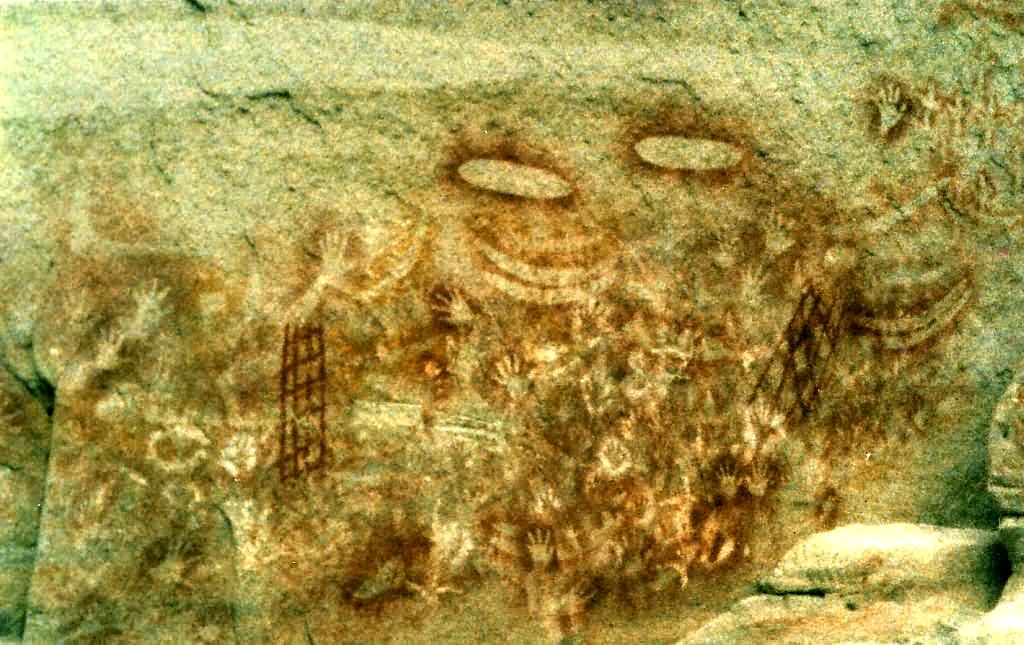 🇦🇺 AustraliaThe Dreaming
A living spiritual worldview and law connecting Aboriginal Australians to ancestors, land, and community.Spiritual
🇦🇺 AustraliaThe Dreaming
A living spiritual worldview and law connecting Aboriginal Australians to ancestors, land, and community.Spiritual