Spiritual and religiousEast AsiaShinto, Taoist and folk ChineseBuddhist
Torii
In its own language: 鳥居
A traditional Japanese gate marking the entrance to a Shinto shrine and separating the sacred from the mundane.

A torii is a traditional Japanese gate found at the entrance of Shinto shrines. It marks the transition from the ordinary world to the sacred space where kami reside. The oldest stone examples date to the 12th century, while wooden ones appear in records from the 10th century. They are often vermilion and black, though styles vary by region and shrine lineage.
When is Torii kept?
Torii is kept on year-round at shrines.
A torii is a traditional Japanese gate that marks the entrance to a Shinto shrine. It signals the boundary between the everyday world and the sacred ground where spirits called kami dwell. These structures appear in many styles, from simple ropes between posts to painted wood and stone. They have been part of Japanese religious life since at least the tenth century.
Purpose and meaning
The gate marks the entrance to a sacred space. It separates the mundane world from the holy ground where kami live. Passing under the torii helps visitors shift their focus and prepare to welcome the spirits. The structure has no doors, allowing free movement between the outside and the shrine grounds.
History and origins
Records mention torii as early as 922 CE. The oldest surviving stone gate dates to the 12th century. Scholars suggest the design may come from Indian ceremonial gates or Chinese arches. Another theory links the name to bird perches used in ancient rituals to connect with spirits and the dead.
Styles and construction
Gates fall into two main families: shinmei with straight lines and myojin with curved tops. Materials include wood, stone, and concrete. Colors vary from natural finishes to vermilion and black. Specific shrines have unique styles, like the Kasuga torii with its protruding beam or the Ise torii with its pentagonal lintel.
Modern uses
Torii stand at Shinto shrines, Buddhist temples, and imperial tombs. Donors often give gates to shrines, creating paths of thousands of structures. The symbol appears on maps and in non-religious contexts, representing Japan itself or appearing in overseas communities.
How Torii is kept
Torii gates are built and maintained at shrine entrances. Donors contribute funds to erect new gates, especially at shrines dedicated to Inari. Pilgrims walk under the structures to enter the sacred area. Styles are preserved according to shrine traditions, using specific shapes and colors passed down through history.
When and where
Torii are permanent features. Early records date to the 10th century. Stone examples survive from the 12th century. Wooden examples exist from the 16th century. They remain in use today.
Found throughout Japan at Shinto shrines. Concentrations exist at Fushimi Inari-taisha in Kyoto. They also appear at Buddhist temples and imperial sites. Overseas examples mark Japantowns.
What Torii means
The gate marks the boundary between the ordinary and the sacred. It welcomes kami and prepares visitors spiritually. The name may relate to entering or to ancient bird perches used in rituals connecting the living and the dead.


Questions people ask about Torii
When is Torii kept?
Torii is kept on year-round at shrines.
What does a torii look like?
It usually consists of two vertical pillars and one or two horizontal beams across the top. Colors range from natural wood to vermilion and black. Styles vary by region and shrine tradition.
Why are there so many torii at some shrines?
Successful businesspeople often donate torii to shrines dedicated to Inari, the spirit of fertility and industry. This creates rows of gates, such as those at Fushimi Inari-taisha in Kyoto.
Are torii only for Shinto shrines?
No. They also mark entrances to Buddhist temples, imperial tombs, and even Japantowns abroad. Historically, they were used in Buddhist ceremonies too.
See also
 PretaOfferings and rites for spirits enduring deep hunger across Asian traditions.
 Gozan no OkuribiFive giant bonfires lit across Kyoto's hills to bid farewell to ancestor spirits.
 HiganA Japanese Buddhist week of reflection and ancestor remembrance at the equinoxes
 HalloweenAn annual observance on 31 October marking the eve of All Saints' Day, rooted in Christian tradition and Celtic heritage
Good reading and sources
- Torii on WikipediaEncyclopedia
- More photos on Wikimedia CommonsPhotos and video
- Wikidata recordOpen data
The facts on this page come from the Wikipedia article "Torii", written by its contributors and used under the CC BY-SA 4.0 licence, and from its Wikidata record (CC0). EveryParampara rewrote the text in its own words, with AI assistance, and compares every page with the article to make sure no passage is copied. It may be reused under the same CC BY-SA 4.0 licence with a link back.
It may contain mistakes. Traditions differ from one family, village and community to the next, and the people who keep them know them best. If something is wrong, tell us. Last refreshed 2026-10-04.
More from Japan
All the traditions of Japan 🇯🇵 JapanEma絵馬
Small wooden plaques left at Japanese shrines and temples for prayers and wishes.Spiritual
🇯🇵 JapanEma絵馬
Small wooden plaques left at Japanese shrines and temples for prayers and wishes.Spiritual
 🇯🇵 JapanOmamori御守 (omamori)
Japanese protective amulets sold at shrines and temples for luck and safety.Spiritual
🇮🇳 India and 5 morePretaप्रेत
Offerings and rites for spirits enduring deep hunger across Asian traditions.Spiritual
🇯🇵 JapanOmamori御守 (omamori)
Japanese protective amulets sold at shrines and temples for luck and safety.Spiritual
🇮🇳 India and 5 morePretaप्रेत
Offerings and rites for spirits enduring deep hunger across Asian traditions.Spiritual
 🇯🇵 JapanShikoku Pilgrimage四国遍路
A long circuit of 88 temples on Japan's Shikoku island, kept by pilgrims called henroSpiritual
🇯🇵 JapanShikoku Pilgrimage四国遍路
A long circuit of 88 temples on Japan's Shikoku island, kept by pilgrims called henroSpiritual
The same idea elsewhere
Pilgrimage compared 🇮🇱 Jerusalem, IsraelSukkotסוכות
A seven-day autumn Jewish festival of temporary booths, harvest prayers and hospitalitySpiritual
🇮🇱 Jerusalem, IsraelSukkotסוכות
A seven-day autumn Jewish festival of temporary booths, harvest prayers and hospitalitySpiritual
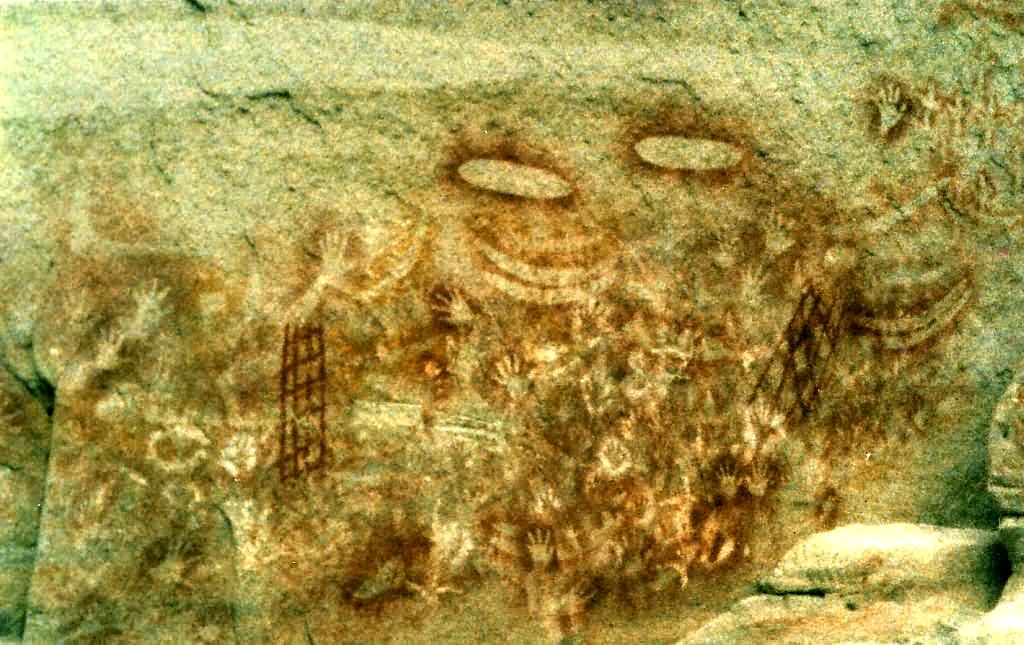 🇦🇺 AustraliaThe Dreaming
A living spiritual worldview and law connecting Aboriginal Australians to ancestors, land, and community.Spiritual
🇦🇺 AustraliaThe Dreaming
A living spiritual worldview and law connecting Aboriginal Australians to ancestors, land, and community.Spiritual
 🇲🇲 Bagan, MyanmarNat worshipနတ်
Veneration of guardian spirits and nature deities alongside Buddhism in MyanmarSpiritual
🇲🇲 Bagan, MyanmarNat worshipနတ်
Veneration of guardian spirits and nature deities alongside Buddhism in MyanmarSpiritual
 🇳🇬 Osogbo, NigeriaOsun-Osogbo FestivalOsun-Osogbo
An annual Yoruba festival of cleansing, procession and sacrifice to the river goddess Osun in Osogbo, Nigeria.Festival
🇳🇬 Osogbo, NigeriaOsun-Osogbo FestivalOsun-Osogbo
An annual Yoruba festival of cleansing, procession and sacrifice to the river goddess Osun in Osogbo, Nigeria.Festival