Lohepfhe
A handwoven black shawl with red and green bands, worn by Angami and Chakhesang Naga men as a marker of identity.
The Lohepfhe is a traditional shawl kept by the Angami Nagas and Chakhesang Nagas in the Naga Hills. Men wear this distinctive textile at weddings and formal gatherings. It serves as a key symbol of their cultural identity and ethnic heritage.
When is Lohepfhe kept?
Lohepfhe is kept at weddings, formal events, and cultural gatherings.
The Lohepfhe is a traditional shawl worn by the Angami and Chakhesang Naga communities. This garment acts as a primary marker of cultural identity for these groups. Men typically wear it during significant life events like weddings or formal cultural ceremonies. The textile is recognized for its unique weaving patterns and deep social significance within the region.
Description and appearance
The shawl features a black base color. Broad horizontal bands run across the fabric near the borders. These bands are traditionally red and green. Historically, yellow was also used in place of or alongside these colors. The visual contrast between the dark background and the bright bands makes the garment highly distinctive. It is one of the most recognizable textiles produced by these communities.
Materials and weaving process
Women usually weave the Lohepfhe on a backstrap loom, also known as a loin loom. The production method involves creating narrow strips of cloth. These strips are then stitched together to form the full shawl. Historically, artisans used hand-spun cotton dyed with natural pigments. Indigo provided the black color, while plant-based dyes created yellow hues. Modern versions may incorporate wool or acrylic yarn alongside cotton.
Cultural significance and use
This textile functions as an ethnic identifier for the Angami people. Wearing the Lohepfhe signals membership and pride in the community. Men don the shawl during weddings, which are central to social life. It is also appropriate attire for formal gatherings and cultural events. The garment connects the wearer to their ancestors and reinforces group cohesion through shared dress codes.
How Lohepfhe is kept
Women weave the shawl using traditional backstrap looms. They spin cotton and apply natural dyes to create the characteristic black, red, and green patterns. The woven strips are sewn together to complete the garment. Men then wear the finished Lohepfhe at weddings and formal cultural events. This practice maintains the textile's role as a vital symbol of Angami and Chakhesang identity.
When and where
It is worn at weddings, formal events, and cultural gatherings throughout the year.
The tradition belongs to the Angami and Chakhesang Naga communities in the Naga Hills.
What Lohepfhe means
The Lohepfhe serves as a strong marker of cultural identity for the Angami and Chakhesang peoples. Wearing it demonstrates ethnic pride and belonging. The specific colors and weaving style distinguish these groups from others. It links the wearer to their heritage and social standing within the community.
Questions people ask about Lohepfhe
When is Lohepfhe kept?
Lohepfhe is kept at weddings, formal events, and cultural gatherings.
Where is Lohepfhe kept?
Lohepfhe belongs to the traditions of India.
Who keeps Lohepfhe?
As our sources describe it, Lohepfhe is kept by Angami Nagas and Chakhesang Nagas. Many other communities and families now share it too.
See also
 PaithaniA handwoven silk sari from Maharashtra, with a squared border and a peacock pallu
 JambiyaA short curved dagger worn at the waist by Yemeni men, its handle a sign of status
 SherwaniA long buttoned coat for men, worn at weddings and state occasions in South Asia
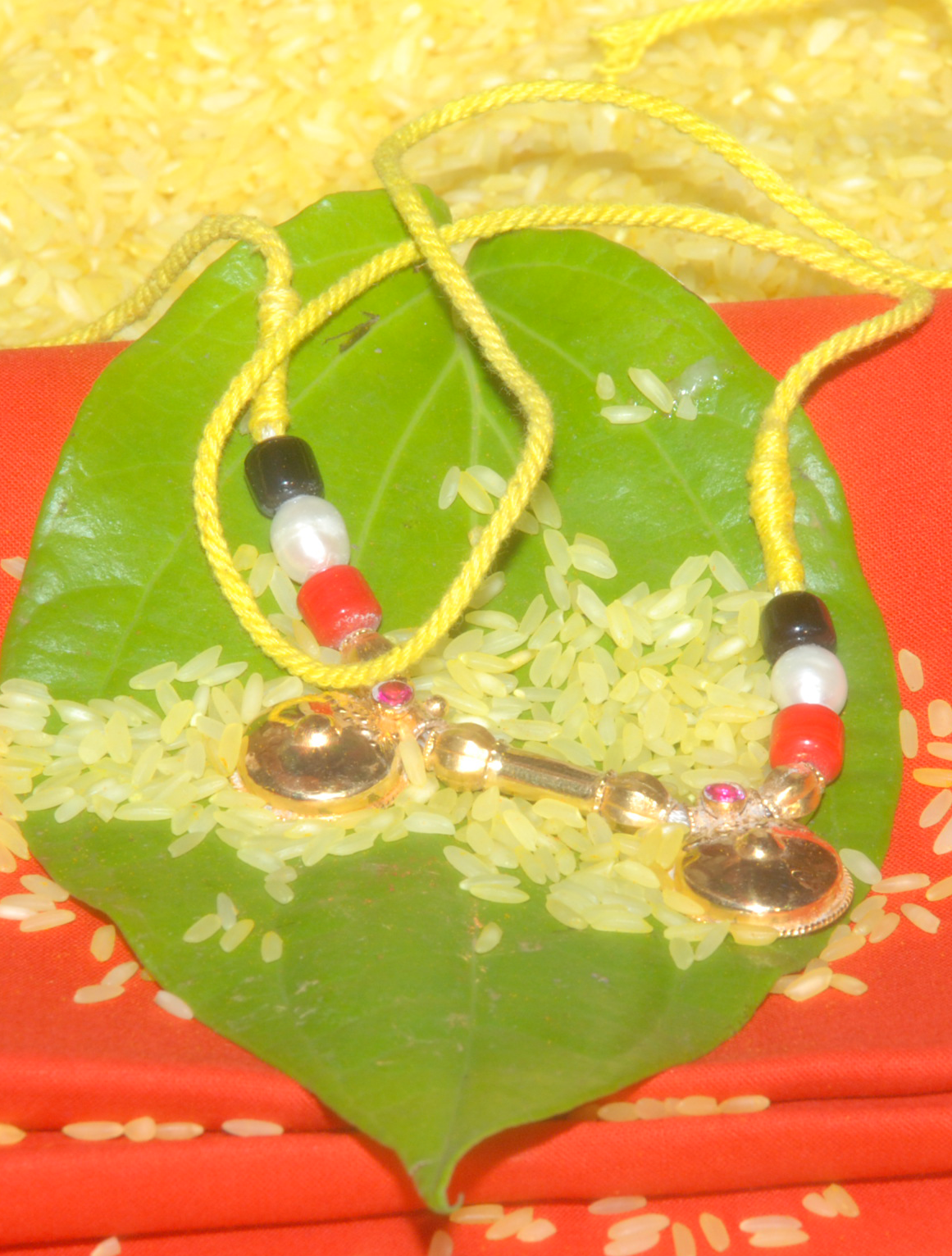 MangalasutraA necklace tied by the groom at a wedding, worn through married life
Good reading and sources
The facts on this page come from the Wikipedia article "Lohepfhe", written by its contributors and used under the CC BY-SA 4.0 licence, and from its Wikidata record (CC0). EveryParampara rewrote the text in its own words, with AI assistance, and compares every page with the article to make sure no passage is copied. It may be reused under the same CC BY-SA 4.0 licence with a link back.
It may contain mistakes. Traditions differ from one family, village and community to the next, and the people who keep them know them best. If something is wrong, tell us. Last refreshed 2026-10-06.
More from India
All the traditions of India
🇮🇳 Paithan, IndiaPaithani
A handwoven silk sari from Maharashtra, with a squared border and a peacock palluDress
🇾🇪 Hadhramaut, Yemen and 1 moreJambiyaجنبية
A short curved dagger worn at the waist by Yemeni men, its handle a sign of statusDress
🇮🇳 Lucknow, India and 3 moreSherwani
A long buttoned coat for men, worn at weddings and state occasions in South AsiaDress
🇮🇳 India and 2 moreMangalasutraमङ्गलसूत्रम् (maṅgalasūtram)
A necklace tied by the groom at a wedding, worn through married lifeDress
The same idea elsewhere
All of this kind 🇳🇴 Norway and 3 moreGákti
A traditional coat worn by the Sámi people across northern Scandinavia and Russia, signaling origin and status through cDress
🇳🇴 Norway and 3 moreGákti
A traditional coat worn by the Sámi people across northern Scandinavia and Russia, signaling origin and status through cDress
 🇮🇱 Israel and 1 moreTzitzitצִיצִית
Knotted ritual fringes worn on a four-cornered garment, a reminder of the commandmentsDress
🇮🇱 Israel and 1 moreTzitzitצִיצִית
Knotted ritual fringes worn on a four-cornered garment, a reminder of the commandmentsDress
 🇼🇸 Samoa and 1 moreʻIe tōga
Precious woven mats exchanged in Samoan ceremonies to honor family ties and chiefly status.Dress
🇼🇸 Samoa and 1 moreʻIe tōga
Precious woven mats exchanged in Samoan ceremonies to honor family ties and chiefly status.Dress
 🇪🇬 Egypt and 5 moreTraditional tattooing
The ancient custom of marking the skin for protection, healing, status and sacred ritesDress
🇪🇬 Egypt and 5 moreTraditional tattooing
The ancient custom of marking the skin for protection, healing, status and sacred ritesDress