Seasons, harvest and the calendarSouth AsiaHindu
Lunar phase
The moon's changing faces, and the days Hindu tradition marks by them

In Hindu practice the moon's phases are tracked, named and given religious meaning, with the new moon day, Amāvásyā, and the full moon day, Pūrṇimā, standing out, and each lunar month split into a bright fortnight and a dark one. Astrology also reads the tithi, the lunar day, of a person's birth.
When is Lunar phase marked?
Lunar phase is kept as part of Diwali, which runs from 8 to 12 November 2026.
In Hindu tradition the moon's changing appearance is not just something to watch. Its phases are named, counted and given religious meaning. Two stand out: Amāvásyā, the new moon day, and Pūrṇimā, the full moon day. Between them the month divides into a bright fortnight and a dark one, and every single day of that month has its own name, the tithi.
The four main phases
Hindu astrology and religious practice give the moon's phases a place of their own. Four of them are counted as principal: the new moon, the first quarter, the full moon and the last quarter, which is also called the third or final quarter. What separates them is the angle between the Moon and the Sun, measured from the Earth's centre, at nought, ninety, one hundred and eighty and two hundred and seventy degrees. Smaller shifts matter too. The tradition also notes how the moon's appearance changes within a single day, not only from one day to the next.
Bright and dark halves
Each lunar month here is built from two pakshas, or fortnights, of fourteen days each, sitting on either side of the full moon. The first is Shukla, the half in which the moon brightens. The second is Krishna, the half in which it darkens. The two quarter phases have a smaller part to play: they mark the midpoint of each fortnight and little more. The opening day of a paksha is called Pratipada, or sometimes Prathama. Since a month holds two fortnights, that first day comes round twice, usually as the first and the fifteenth day of the lunar month.
Two ways of counting months
Places that follow the pūrṇimānta māna calendar begin a lunar month on the day after the full moon. Under that reckoning, which is used across most of the Indian subcontinent, the new moon always lands somewhere in the middle of the month. Other places use the amānta māna calendar, which starts the month on the new moon day itself. There, Amāvásyā closes the lunar month instead of splitting it. So the same moon, seen on the same night, can be the middle of one calendar and the end of another.
The tithi day
Vedic timekeeping gives the lunar month its own set of days, the tithis. A tithi is described as the span of two faces of the moon, watched from the earth. Each tithi is one day of the lunar month. Hindu astrology treats it as significant, because it maps to the moment of birth. Two of these days carry their own names as well: Amāvásyā, the new moon day, and Pūrṇimā, the full moon day.
Festivals on the new moon
Amāvásyā is more than a marker in the sky. Many Hindu festivals are observed on the new moon day. The best known is Diwali, whose name means the festival of lights. Pūrṇimā, the full moon day, is also named in the tradition. Because regions count their months differently, a festival tied to a lunar day can fall at a different point in the sequence depending on where it is kept. For the people who follow these dates, the moon works as a calendar: its dark night is a day like any other, with its own name and place.
How Lunar phase is kept
Hindus who follow the lunar calendar watch the moon through the month. The new moon day, Amāvásyā, and the full moon day, Pūrṇimā, are named and observed. The first and last quarters are noted mainly because they sit at the middle of the two fortnights. The lunar month is divided into tithis, and astrologers read the tithi of a person's birth. Families and priests consult these dates when fixing festivals, and Diwali, the best known of them, is kept on Amāvásyā.
When and where
The dates follow the moon, so they drift against the solar year. A lunar month is made of two fortnights of fourteen days, one on either side of the full moon. Whether Amāvásyā sits in the middle of the month or at its end depends on the counting system a region keeps.
This belongs to India and the wider Indian subcontinent, where the lunisolar calendar sets the dates of festivals. The pūrṇimānta māna system, which opens the month after the full moon, is used across most of the Indian subcontinent. Some places instead keep the amānta māna system, opening the month at the new moon.
What Lunar phase means
Inside the practice, the moon's two halves are read as light growing and light fading, and the new moon is a turning point in the month while the full moon is its high point. Vedic astrology also ties the tithi of a birth to the person born then, so the phase at that moment is taken as meaningful rather than incidental.
Days Lunar phase is marked
Questions people ask about Lunar phase
When is Lunar phase marked?
Lunar phase is kept as part of Diwali, which runs from 8 to 12 November 2026.
What are the main lunar phases in Hindu practice?
Four are counted as principal: the new moon, the first quarter, the full moon and the last quarter, also called the third or final quarter. They are fixed by the angle between the Moon and the Sun, measured from the Earth's centre.
What are Amāvásyā and Pūrṇimā?
Amāvásyā is the new moon day and Pūrṇimā the full moon day. Both are named in Sanskrit and both are kept. Many festivals are held on Amāvásyā, and Diwali, the best known, is one of them.
What is a tithi?
A tithi is a day of the lunar month in Vedic timekeeping. It is described as the span of two faces of the moon as seen from the earth. Hindu astrology treats it as significant, because it maps to the moment of birth.
Where is this calendar followed?
It belongs to India and the wider Indian subcontinent. The pūrṇimānta māna calendar, which begins the month after the full moon, is used across most of the subcontinent, while the amānta māna calendar, beginning at the new moon, is kept in some places.
See also
 NowruzThe Iranian new year at the March equinox, kept with fire, greenery and picnics
 Indian national calendarIndia's official civil solar calendar, designed to bring unity to timekeeping
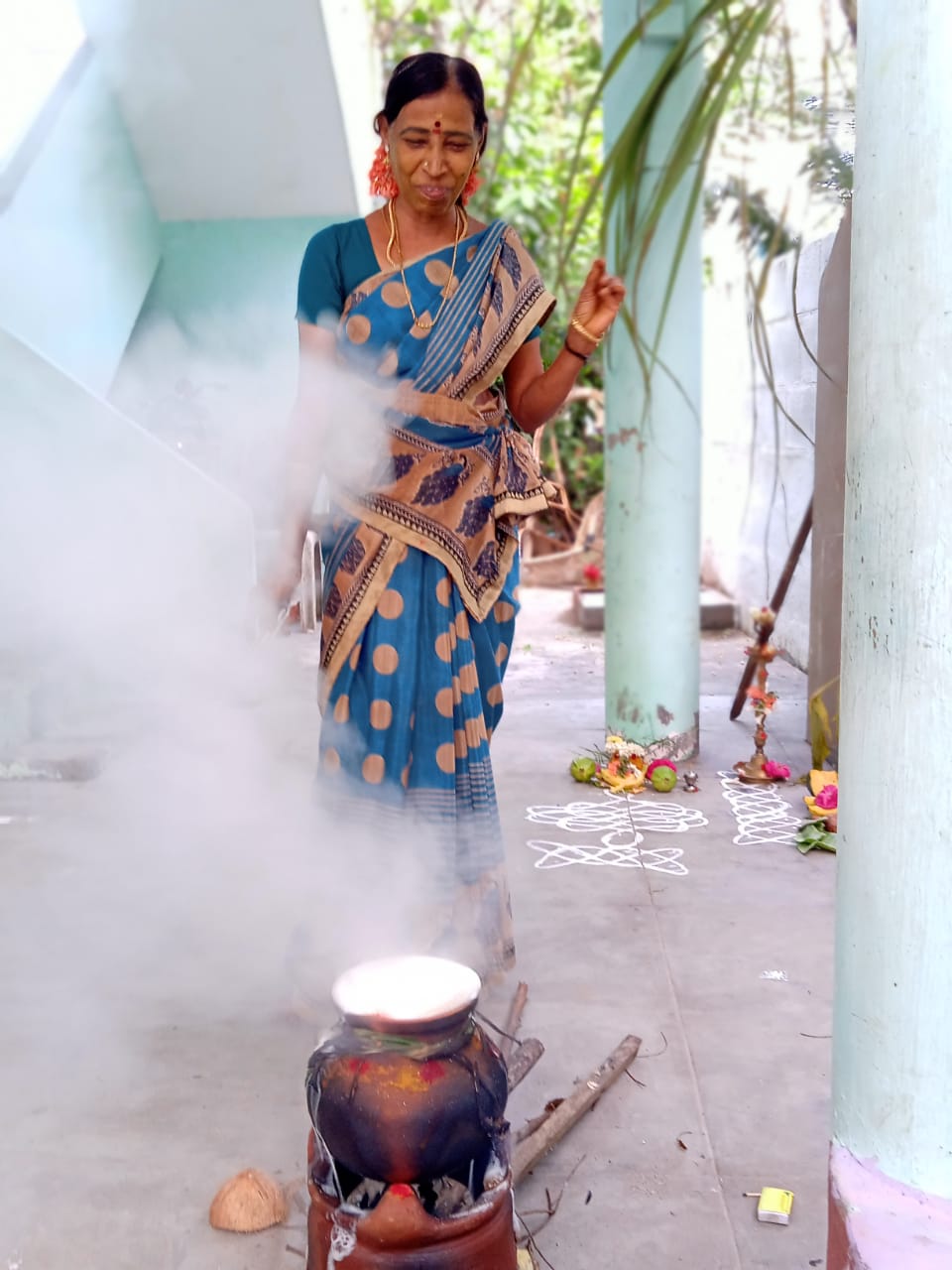 PongalThree or four days of boiling rice, garlanded cattle and thanks to the sun
 LosarThe Tibetan Buddhist New Year festival of renewal, offerings, and family feasts
Good reading and sources
The facts on this page come from the Wikipedia article "Lunar phase (Hinduism)", written by its contributors and used under the CC BY-SA 4.0 licence, and from its Wikidata record (CC0). EveryParampara rewrote the text in its own words, with AI assistance, and compares every page with the article to make sure no passage is copied. It may be reused under the same CC BY-SA 4.0 licence with a link back.
It may contain mistakes. Traditions differ from one family, village and community to the next, and the people who keep them know them best. If something is wrong, tell us. Last refreshed 2026-10-12.
More from India
All the traditions of India
🇮🇷 Iran and 21 moreNowruzنوروز
The Iranian new year at the March equinox, kept with fire, greenery and picnicsSeasonal
🇮🇳 IndiaIndian national calendar
India's official civil solar calendar, designed to bring unity to timekeepingSeasonal
🇮🇳 India and 5 morePongal
Three or four days of boiling rice, garlanded cattle and thanks to the sunSeasonal · Sweets given and shared
🇧🇹 Bhutan and 4 moreLosarལོ་གསར་
The Tibetan Buddhist New Year festival of renewal, offerings, and family feastsSeasonal · Feasts and festival meals
The same idea elsewhere
All of this kind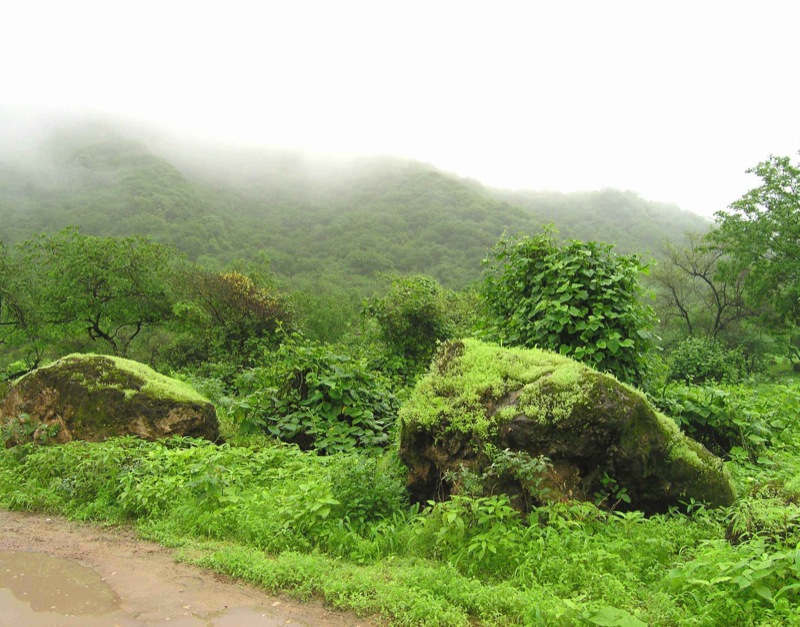 🇴🇲 Salalah, Oman and 3 moreKhareefخَرِيْف
The monsoon season of Dhofar and Al Mahrah, welcomed with a festival in SalalahSeasonal
🇴🇲 Salalah, Oman and 3 moreKhareefخَرِيْف
The monsoon season of Dhofar and Al Mahrah, welcomed with a festival in SalalahSeasonal
 🇯🇵 JapanKadomatsu門松
A Japanese New Year gateway decoration of pine and bamboo where a visiting deity can restSeasonal
🇹🇭 ThailandThai solar calendarปฏิทินสุริยคติไทย
The official solar calendar of Thailand, numbered in the Buddhist EraSeasonal
🇯🇵 JapanKadomatsu門松
A Japanese New Year gateway decoration of pine and bamboo where a visiting deity can restSeasonal
🇹🇭 ThailandThai solar calendarปฏิทินสุริยคติไทย
The official solar calendar of Thailand, numbered in the Buddhist EraSeasonal
 🇲🇲 Yangon, MyanmarThadingyutသီတင်းကျွတ်
A Burmese celebration and calendar month marking the completion of Buddhist Lent.Seasonal
🇲🇲 Yangon, MyanmarThadingyutသီတင်းကျွတ်
A Burmese celebration and calendar month marking the completion of Buddhist Lent.Seasonal