Festivals and celebrationsMiddle EastPagan and ancient
Maiuma
In its own language: Μαϊουμᾶς
An ancient nocturnal water festival held in May across the East Roman Empire, featuring aquatic displays and theatrical
The Maiuma was a Graeco-Syrian festival celebrated at night during the month of May. It honoured the deities Dionysus and Aphrodite through swimming, mime, and dance. The event was most prominent in Antioch but spread to other coastal cities in the East Roman Empire.
When is Maiuma kept?
Maiuma is kept during the month of May.
The Maiuma was an ancient festival that took place at night in late spring. People gathered by the water to celebrate Dionysus and Aphrodite. The event featured swimming, theatrical shows, and dancing. It was especially popular in the eastern part of the Roman Empire.
Origins and meaning
Scholars debate where this tradition began. Some believe the name comes from the Greek word for May, when the festival occurred. Others suggest it derives from Punic words meaning water carrying rites. This theory links the event to older Semitic traditions in the region. The festival likely started as a local custom before becoming widespread.
How it was kept
The main celebration happened every three years in Antioch. It lasted for thirty days and included public games. Performers acted out mimes and danced on stage. Many participants swam naked in the sea or pools. These aquatic displays were central to the experience. The festivities attracted large crowds who enjoyed the spectacle.
Spread and locations
The tradition moved beyond Syria to other cities. Places like Ostia and Constantinople held similar events. In some areas, the name became a common term for harbours. Archaeological sites in Israel and Jordan show where these gatherings took place. Local leaders often sponsored the celebrations in their towns.
Reactions and decline
Religious leaders criticized the festival for its licentious nature. Christian holy men and Jewish rabbis opposed the pagan rituals. They viewed the nude swimming and theatrical acts as immoral. Some Roman emperors tried to ban the event. Despite these efforts, the festival continued in various forms for centuries.
How Maiuma is kept
Participants gathered at night near bodies of water. They watched mime performances and dances on stages built close to the shore. Many people joined in swimming, often without clothing. The atmosphere was festive and loud. Local officials organized the events and provided funding.
When and where
It occurred in May. In Antioch, it was held every three years for thirty days. Other cities might have celebrated it annually or less frequently.
It originated in Syria around Antioch. It spread to cities in Egypt, Israel, and Jordan. Coastal towns and those with large pools hosted the events.
What Maiuma means
The festival honoured Dionysus and Aphrodite. It celebrated water and joy. Participants sought good fortune and pleasure. The rituals connected them to older Semitic traditions of water movement.
Questions people ask about Maiuma
When is Maiuma kept?
Maiuma is kept during the month of May.
What is the Maiuma?
It was an ancient nocturnal water festival. People celebrated Dionysus and Aphrodite with swimming and theatre. It was popular in the East Roman Empire during May.
Where did it start?
The festival began in Antioch, Syria. It later spread to other cities like Alexandria and Constantinople. Many coastal towns adopted similar celebrations.
Why was it controversial?
Religious leaders called it immoral. They disliked the nude swimming and pagan rituals. Some rulers tried to stop the festivities because of these concerns.
See also
 Eid al-FitrThe feast that ends Ramadan, opened with morning prayers, sweets and visits home
 HanukkahAn eight-day Jewish festival marking the rededication of the Second Temple in Jerusalem and the miracle of a single day'
 MawlidAn annual festival marking the birth of the Prophet Muhammad, marked by poetry, processions and feasts.
 AnnunciationA Christian feast marking the angel Gabriel's message to Mary about bearing Jesus, kept on 25 March.
Good reading and sources
The facts on this page come from the Wikipedia article "Maiuma (festival)", written by its contributors and used under the CC BY-SA 4.0 licence, and from its Wikidata record (CC0). EveryParampara rewrote the text in its own words, with AI assistance, and compares every page with the article to make sure no passage is copied. It may be reused under the same CC BY-SA 4.0 licence with a link back.
It may contain mistakes. Traditions differ from one family, village and community to the next, and the people who keep them know them best. If something is wrong, tell us. Last refreshed 2026-10-13.
More from Syria
All the traditions of Syria 🇹🇷 Turkey and 6 moreHıdırellez
A spring festival marking the meeting of two prophets, celebrated across Turkey and the Balkans.Festival · Feasts and festival meals
🇹🇷 Turkey and 6 moreHıdırellez
A spring festival marking the meeting of two prophets, celebrated across Turkey and the Balkans.Festival · Feasts and festival meals
 🇹🇷 Turkey and 5 moreNewrozنەورۆز
A Kurdish spring festival and new year celebration marked by bonfires, dance, and the lighting of fires.Festival
🇹🇷 Turkey and 5 moreNewrozنەورۆز
A Kurdish spring festival and new year celebration marked by bonfires, dance, and the lighting of fires.Festival
 🇱🇧 Beirut, Lebanon and 7 moreEid il-Burbaraعيد البربارة
A winter feast of costumes, sweet boiled wheat, and sprouting seeds across the LevantFestival · Feasts and festival meals
🇱🇧 Beirut, Lebanon and 7 moreEid il-Burbaraعيد البربارة
A winter feast of costumes, sweet boiled wheat, and sprouting seeds across the LevantFestival · Feasts and festival meals
The same idea elsewhere
All of this kind 🇮🇹 Rome, Italy and 4 moreChristmas
A festival of Jesus's birth, kept on 25 December with gifts, lights and shared mealsFestival
🇮🇹 Rome, Italy and 4 moreChristmas
A festival of Jesus's birth, kept on 25 December with gifts, lights and shared mealsFestival
 🇮🇪 Ireland and 5 moreHalloween
An annual observance on 31 October marking the eve of All Saints' Day, rooted in Christian tradition and Celtic heritageFestival · Sweets given and shared
🇮🇪 Ireland and 5 moreHalloween
An annual observance on 31 October marking the eve of All Saints' Day, rooted in Christian tradition and Celtic heritageFestival · Sweets given and shared
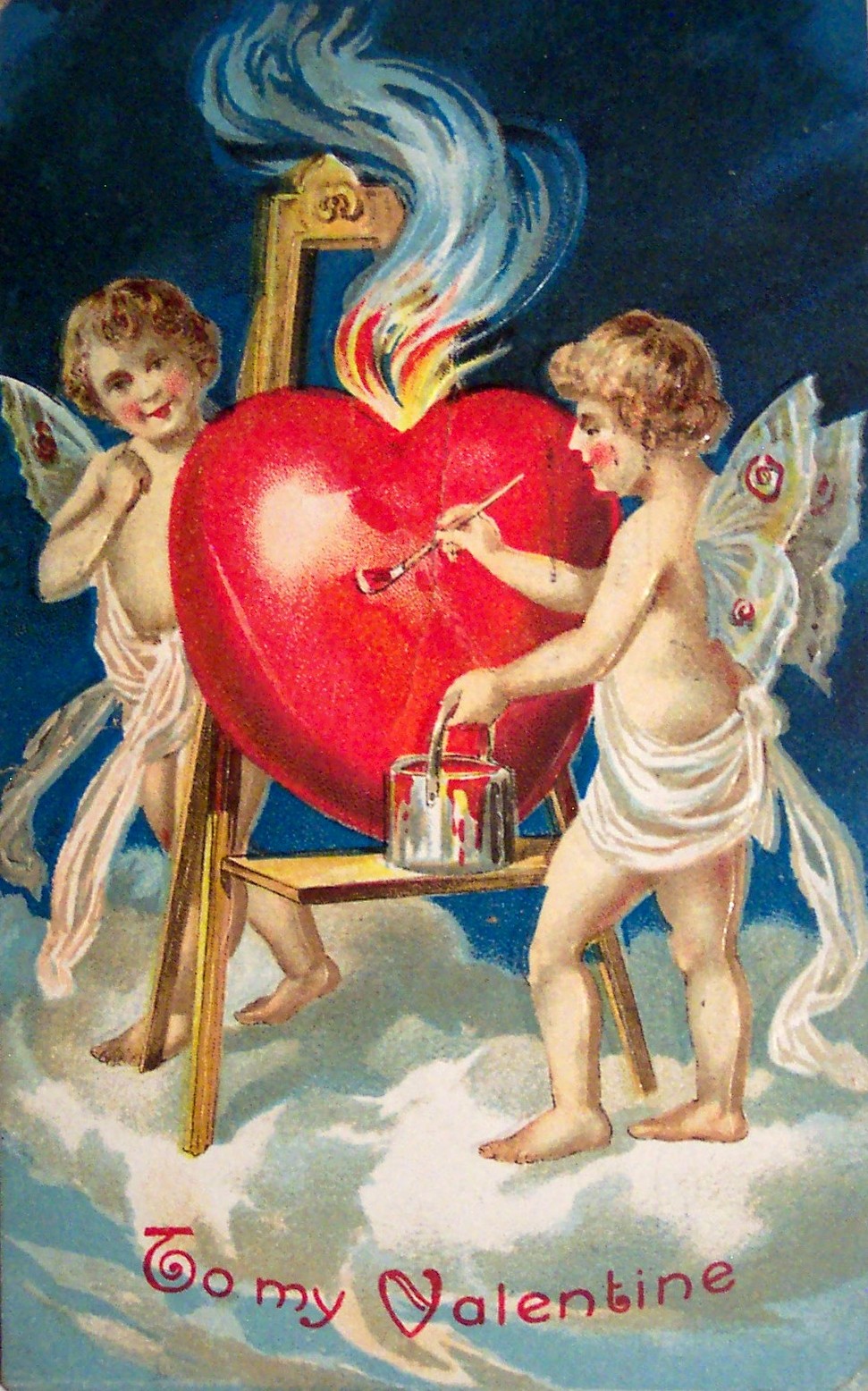 🇮🇹 Rome, Italy and 4 moreValentine's Day
A Christian feast day and cultural celebration of love kept on February 14 in many countries.Festival
🇮🇹 Rome, Italy and 4 moreValentine's Day
A Christian feast day and cultural celebration of love kept on February 14 in many countries.Festival
 🇩🇪 Germany and 5 moreChristmas tree
A decorated evergreen or artificial tree placed indoors to mark the Christmas season.Festival
🇩🇪 Germany and 5 moreChristmas tree
A decorated evergreen or artificial tree placed indoors to mark the Christmas season.Festival