🇸🇾 Traditions of Syria
36 traditions from Syria, best known first, across 4 cities and towns.
Syrian cultural life is grounded in shared music, expressive circle dances, and a deep literary heritage that spans centuries. Family life and community gatherings center around courtyard homes and festive celebrations like weddings. Ancient traditions of poetry and song continue alongside a recently redefined civic calendar.
Across Syria, communal gatherings bring together music, movement, and poetry. Weddings and festive days invite people to join in group dances, while classical melodies echo through urban centers. In older quarters of cities such as Damascus and Aleppo, domestic architecture preserves open courtyards cooled by spring fountains. Writers and poets hold an honored place in civic life, reflecting social realities through classical verse and modern prose. Public holidays mark national transitions alongside springtime celebrations.
Movement and celebration
Weddings serve as primary occasions for folk customs and dance. The dabkeh is the central celebratory dance, uniting participants in a moving chain or ring that shifts from right to left. A dance leader directs the line, turning back and forth between the group and onlookers. Celebrations also feature the arada, a traditional routine performed with swords, alongside the al-Samah dance and solo oriental styles. These collective performances turn family milestones into communal gatherings, where rhythm, synchronized steps, and physical dexterity express shared happiness.
Sound and melody
Syrian musical traditions range from urban classical compositions to rural melodies. Folk pieces rely on acoustic instruments such as the oud lute, the ney reed flute, and small handheld drums, usually played with minimal singing. In pastoral and desert areas, Bedouin performers favor the single-stringed rebab and the mizmar pipe. Urban centers maintain distinct artistic practices. Aleppo is celebrated for the muwashshah, a sung poetic style rooted in Andalusian heritage, while Damascus supports classical conservatories. Sacred vocal traditions endure as well, including early Christian hymns known as Syrian chant, which remain part of church worship.
Courtyards and living spaces
Historic domestic architecture in cities like Damascus and Aleppo focuses life inward. Old city houses are constructed around interior open courtyards featuring stone basins, natural spring water, fragrant citrus trees, climbing vines, and flowerbeds. This design provides privacy, shade, and fresh air away from busy streets. Grand residences, such as the eighteenth-century Azm Palace built for an Ottoman governor, divided domestic life into dedicated quarters. These included private family apartments containing domestic bathhouses, known as the harem, separate reception halls for visiting guests, and service spaces for household staff.
Poetry and prose
Writing occupies a vital space in cultural expression. Syria played an essential role in the nineteenth-century Arabic cultural revival, known as the nahda. In poetry, authors have moved between strict Abbasid-style verse, represented by Badawi al-Jabal, and the accessible, emotive lyricism of Nizar Qabbani, whose works addressed personal freedom and social conventions. Modern novelists turned to social realism following regional conflicts, creating politically engaged literature. Writers have also used historical novels, folklore filled with magical realism, and speculative fiction to reflect critically on contemporary circumstances.
Public holidays and memory
The national calendar combines historical commemorations with seasonal observances. Independence Day falls on 17 April, marking the departure of French military forces and the conclusion of the mandate period. Recent legal revisions updated the state holiday roster to reflect changing national identity. New additions include Newroz as an official public holiday, an 18 March observance honoring the Syrian uprising, and an 8 December holiday commemorating the end of the Assad government. Civil servants receive paid leave on these designated days of remembrance and civic celebration.
The facts in this overview come from the Wikipedia article "Culture of Syria", written by its contributors and used under the CC BY-SA 4.0 licence. EveryParampara rewrote the text in its own words, with AI assistance, and compares every page with the article to make sure no passage is copied. It may be reused under the same CC BY-SA 4.0 licence with a link back.
The table in Syria
Foods and drinks by the moment they belong to.
Cities, towns and villages of Syria
 🇪🇬 Egypt and 5 moreMizmarمزمار
A traditional double-reed instrument and drum ensemble for weddings and folk dancesPerformance
🇪🇬 Egypt and 5 moreMizmarمزمار
A traditional double-reed instrument and drum ensemble for weddings and folk dancesPerformance
 🇱🇧 Lebanon and 4 moreDabkeدبكة
A Levantine folk dance of linked lines and stomping steps, kept at weddings and community gatherings.Performance
🇪🇬 Egypt and 3 moreZaffaزفّة
A musical wedding procession common in Arab cultures, featuring music and dancing.Festival
🇱🇧 Lebanon and 4 moreDabkeدبكة
A Levantine folk dance of linked lines and stomping steps, kept at weddings and community gatherings.Performance
🇪🇬 Egypt and 3 moreZaffaزفّة
A musical wedding procession common in Arab cultures, featuring music and dancing.Festival
 🇮🇱 Jerusalem, Israel and 5 moreTisha B'Avתשעה באב
A solemn fast day in July or August to mourn the destruction of the Jerusalem Temples and other Jewish tragedies.Spiritual · Fasting and breaking the fast
🇮🇱 Jerusalem, Israel and 5 moreTisha B'Avתשעה באב
A solemn fast day in July or August to mourn the destruction of the Jerusalem Temples and other Jewish tragedies.Spiritual · Fasting and breaking the fast
 🇹🇷 Kayseri, Turkey and 4 moreHalay
A traditional line and circle folk dance kept across Turkey, Azerbaijan, Armenia, Iran, and Syria.Performance
🇹🇷 Kayseri, Turkey and 4 moreHalay
A traditional line and circle folk dance kept across Turkey, Azerbaijan, Armenia, Iran, and Syria.Performance
 🇱🇧 Lebanon and 5 moreZajalزجل
Half-sung Arabic poetry in colloquial speech, traded as a duel between improvising poetsPerformance
🇱🇧 Lebanon and 5 moreZajalزجل
Half-sung Arabic poetry in colloquial speech, traded as a duel between improvising poetsPerformance
 🇹🇷 Konya, Turkey and 4 moreMevlevi OrderMevlevilik
A Sufi tradition from Konya known for its whirling ceremony and devotion to Rumi's teachings.Spiritual
🇹🇷 Konya, Turkey and 4 moreMevlevi OrderMevlevilik
A Sufi tradition from Konya known for its whirling ceremony and devotion to Rumi's teachings.Spiritual
 🇮🇱 Jerusalem, Israel and 5 moreHoly FireἋγιον Φῶς
A fire ceremony in Jerusalem each year, kept by Orthodox Christians before EasterSpiritual
🇮🇱 Jerusalem, Israel and 5 moreHoly FireἋγιον Φῶς
A fire ceremony in Jerusalem each year, kept by Orthodox Christians before EasterSpiritual
 🇹🇷 Turkey and 6 moreHıdırellez
A spring festival marking the meeting of two prophets, celebrated across Turkey and the Balkans.Festival · Feasts and festival meals
🇹🇷 Turkey and 6 moreHıdırellez
A spring festival marking the meeting of two prophets, celebrated across Turkey and the Balkans.Festival · Feasts and festival meals
 🇹🇷 Bursa, Turkey and 5 moreKaragöz and Hacivat
A Turkish shadow play of two quarrelling friends, acted on a lit screen behind a curtainPerformance
🇹🇷 Bursa, Turkey and 5 moreKaragöz and Hacivat
A Turkish shadow play of two quarrelling friends, acted on a lit screen behind a curtainPerformance
 🇸🇾 Aleppo, SyriaQudud Halabiyaقدود حلبية
Syrian songs of love and longing, shaped in Aleppo and set to old melodiesPerformance
🇸🇾 Aleppo, SyriaQudud Halabiyaقدود حلبية
Syrian songs of love and longing, shaped in Aleppo and set to old melodiesPerformance
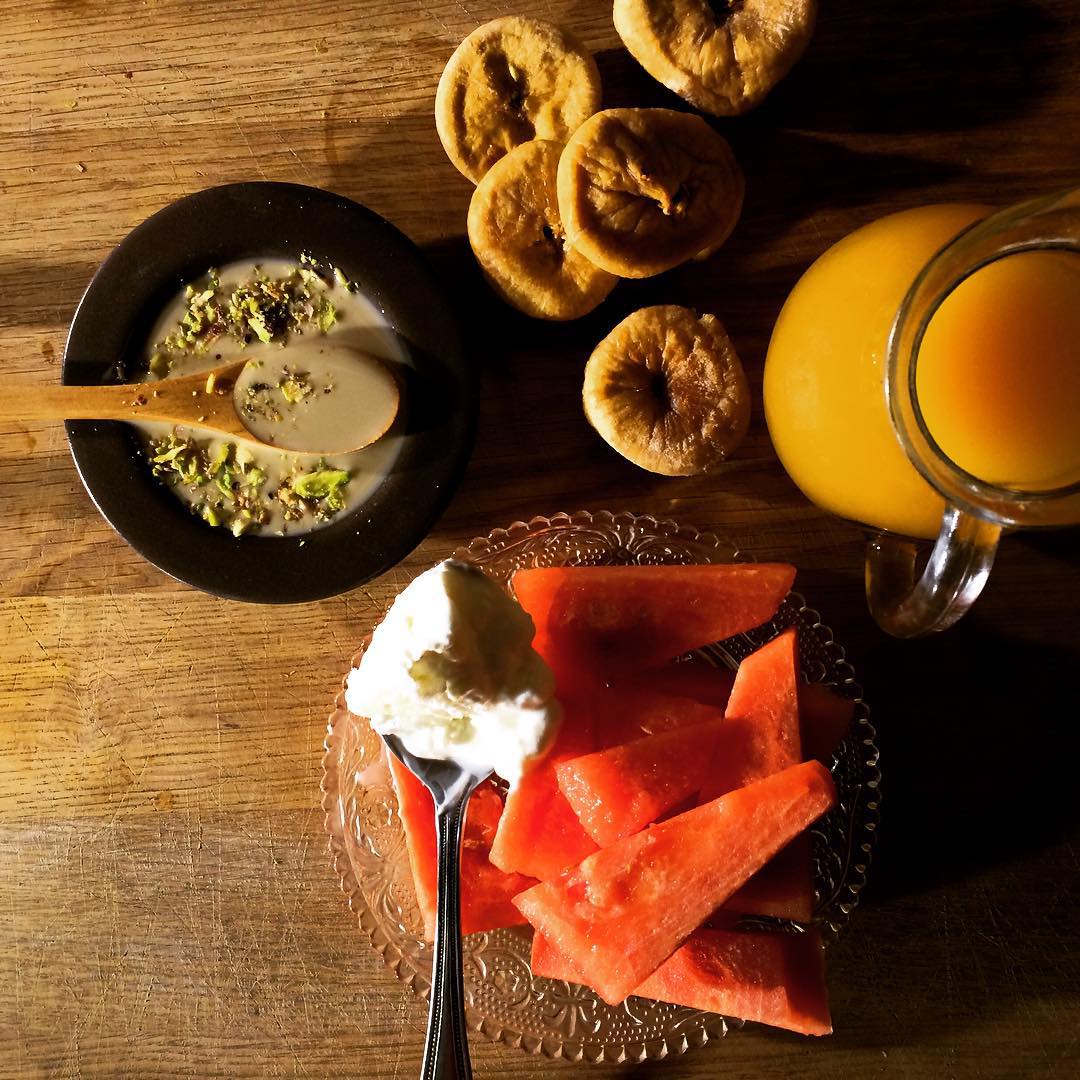 🇧🇩 Dhaka, Bangladesh and 5 moreSuhurسحور
The pre-dawn meal Muslims eat before a day of fasting in RamadanTable custom · Breakfast
🇧🇩 Dhaka, Bangladesh and 5 moreSuhurسحور
The pre-dawn meal Muslims eat before a day of fasting in RamadanTable custom · Breakfast
 🇪🇬 Egypt and 3 moreGreat LentΜεγάλη Τεσσαρακοστή
The forty-day fast before Easter, kept by Eastern Christians as a season of prayerSpiritual · Fasting and breaking the fast
🇪🇬 Egypt and 3 moreGreat LentΜεγάλη Τεσσαρακοστή
The forty-day fast before Easter, kept by Eastern Christians as a season of prayerSpiritual · Fasting and breaking the fast
 🇹🇷 Turkey and 5 moreNewrozنەورۆز
A Kurdish spring festival and new year celebration marked by bonfires, dance, and the lighting of fires.Festival
🇹🇷 Turkey and 5 moreNewrozنەورۆز
A Kurdish spring festival and new year celebration marked by bonfires, dance, and the lighting of fires.Festival
 🇸🇾 Aleppo, SyriaAleppo soapصابون غَار (ṣābūn ghar)
A hard olive-oil and laurel soap, hand-made in Aleppo and aged for monthsCraft
🇸🇾 Aleppo, SyriaAleppo soapصابون غَار (ṣābūn ghar)
A hard olive-oil and laurel soap, hand-made in Aleppo and aged for monthsCraft
 🇮🇹 Rome, Italy and 5 moreAll Souls' Day
A Christian observance on 2 November for prayer and remembrance of those who have died.Spiritual
🇮🇹 Rome, Italy and 5 moreAll Souls' Day
A Christian observance on 2 November for prayer and remembrance of those who have died.Spiritual
 🇮🇳 India and 4 moreProstration
Bowing the whole body to the ground, in prayer and as a sign of respectSpiritual
🇮🇳 India and 4 moreProstration
Bowing the whole body to the ground, in prayer and as a sign of respectSpiritual
 🇮🇶 Karbala, Iraq and 4 moreMuharramٱلْمُحَرَّم
The sacred opening month of the Islamic year, observed through remembrance and fastingSpiritual · Fasting and breaking the fast
🇮🇶 Karbala, Iraq and 4 moreMuharramٱلْمُحَرَّم
The sacred opening month of the Islamic year, observed through remembrance and fastingSpiritual · Fasting and breaking the fast
 🇱🇧 Beirut, Lebanon and 7 moreEid il-Burbaraعيد البربارة
A winter feast of costumes, sweet boiled wheat, and sprouting seeds across the LevantFestival · Feasts and festival meals
🇱🇧 Beirut, Lebanon and 7 moreEid il-Burbaraعيد البربارة
A winter feast of costumes, sweet boiled wheat, and sprouting seeds across the LevantFestival · Feasts and festival meals
 🇱🇧 Lebanon and 2 moreAnnunciationΟ Ευαγγελισμός της Θεοτόκου
A Christian feast marking the angel Gabriel's message to Mary about bearing Jesus, kept on 25 March.Festival
🇱🇧 Lebanon and 2 moreAnnunciationΟ Ευαγγελισμός της Θεοτόκου
A Christian feast marking the angel Gabriel's message to Mary about bearing Jesus, kept on 25 March.Festival
 🇮🇱 Israel and 5 moreHoly SaturdaySabbatum Sanctum
The closing day of Holy Week, a Saturday of waiting, fasting and vigil before EasterSpiritual
🇮🇱 Israel and 5 moreHoly SaturdaySabbatum Sanctum
The closing day of Holy Week, a Saturday of waiting, fasting and vigil before EasterSpiritual
 🇪🇬 Egypt and 4 moreOudعُود (ʿūd)
A fretless, pear-shaped Middle Eastern lute, plucked with a plectrum called a rishaPerformance
🇪🇬 Egypt and 4 moreOudعُود (ʿūd)
A fretless, pear-shaped Middle Eastern lute, plucked with a plectrum called a rishaPerformance
 🇷🇺 Moscow, Russia and 5 moreDormition of the Mother of God
A major feast in Eastern Christianity marking the death and heavenly ascent of Mary.Spiritual
🇷🇺 Moscow, Russia and 5 moreDormition of the Mother of God
A major feast in Eastern Christianity marking the death and heavenly ascent of Mary.Spiritual
 🇩🇪 Germany and 3 moreVisitation
A Christian feast commemorating Mary's journey to visit her cousin ElizabethSpiritual
🇩🇪 Germany and 3 moreVisitation
A Christian feast commemorating Mary's journey to visit her cousin ElizabethSpiritual
 🇮🇶 Kufa, Iraq and 5 moreArabic calligraphykhatt (خَطّ)
Artistic handwriting of the Arabic script, practiced as a sacred craft and a living visual tradition.Craft
🇮🇶 Kufa, Iraq and 5 moreArabic calligraphykhatt (خَطّ)
Artistic handwriting of the Arabic script, practiced as a sacred craft and a living visual tradition.Craft
 🇮🇹 Rome, Italy and 4 moreMarian feast days
Holy days across the liturgical year celebrating the life and veneration of Mary.Spiritual
🇮🇹 Rome, Italy and 4 moreMarian feast days
Holy days across the liturgical year celebrating the life and veneration of Mary.Spiritual
 🇮🇶 Karbala, Iraq and 5 moreMourning of Muharramعَزَاءُ ٱلْمُحَرَّمِ
Annual rites of grief and remembrance for Imam Husayn and his companionsSpiritual
🇮🇶 Karbala, Iraq and 5 moreMourning of Muharramعَزَاءُ ٱلْمُحَرَّمِ
Annual rites of grief and remembrance for Imam Husayn and his companionsSpiritual
 🇮🇶 Karbala, Iraq and 3 moreTasu'aتاسوعاء
A Shia day of remembrance before Ashura, honouring Abbas and the fallen at KarbalaSpiritual
🇮🇶 Karbala, Iraq and 3 moreTasu'aتاسوعاء
A Shia day of remembrance before Ashura, honouring Abbas and the fallen at KarbalaSpiritual
 🇮🇱 Israel and 5 moreZeved habatזֶבֶד הַבָּת
A Jewish naming ceremony for newborn girls, kept by Sephardi, Mizrahi and Ashkenazi communities.Rite of passage
🇮🇱 Israel and 5 moreZeved habatזֶבֶד הַבָּת
A Jewish naming ceremony for newborn girls, kept by Sephardi, Mizrahi and Ashkenazi communities.Rite of passage
 🇸🇾 Syria and 2 moreAd orientem
The Christian practice of facing eastward during personal prayer and communal liturgySpiritual
🇸🇾 Syria and 2 moreAd orientem
The Christian practice of facing eastward during personal prayer and communal liturgySpiritual
 🇸🇾 Syria and 6 moreKha b'Nisanܚܕ ܒܢܝܣܢ
A spring new year on 1 April, kept with parades, poems and dancing by AssyriansFestival
🇸🇾 Syria and 6 moreKha b'Nisanܚܕ ܒܢܝܣܢ
A spring new year on 1 April, kept with parades, poems and dancing by AssyriansFestival
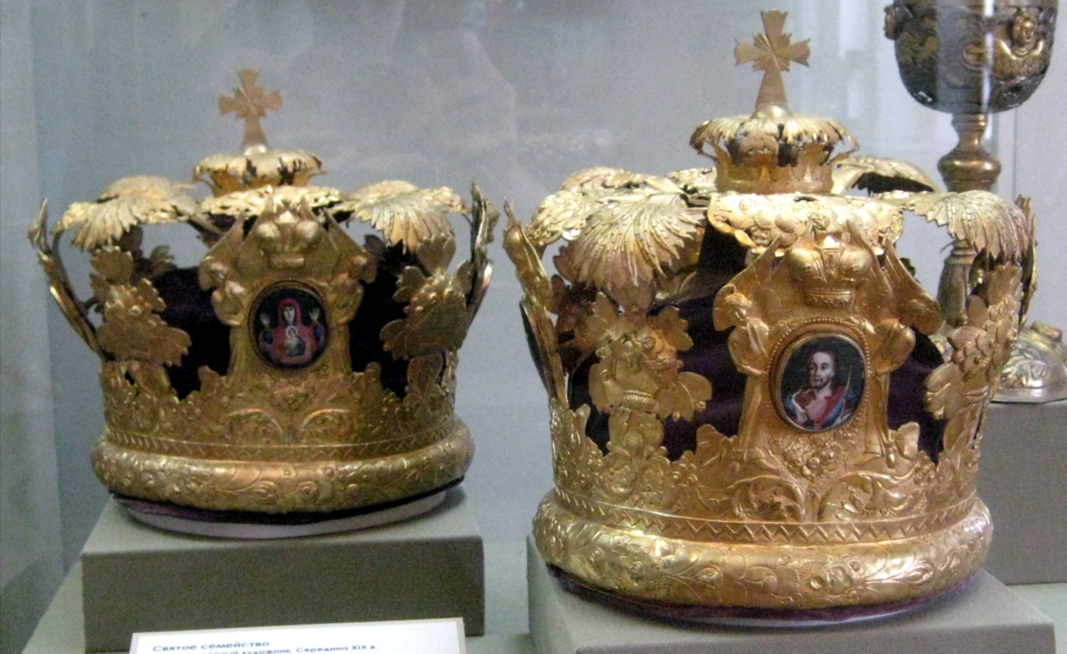 🇸🇾 Syria and 3 moreMystery of Crowning
A ritual where crowns are placed on the heads of the bride and groom during marriage in Eastern Christian churches.Rite of passage
🇵🇸 Jerusalem, Palestine and 1 moreThursday of the Deadخميس الأموات
A spring day of cemetery visits, prayer, and shared yellow breads across the LevantSpiritual · Sweets given and shared
🇸🇾 Syria and 3 moreMystery of Crowning
A ritual where crowns are placed on the heads of the bride and groom during marriage in Eastern Christian churches.Rite of passage
🇵🇸 Jerusalem, Palestine and 1 moreThursday of the Deadخميس الأموات
A spring day of cemetery visits, prayer, and shared yellow breads across the LevantSpiritual · Sweets given and shared
 🇮🇱 Jerusalem, Israel and 1 moreHoshana Rabbahהוֹשַׁעְנָא רַבָּה
The seventh and final day of Sukkot, marked by seven synagogue processions and night-long study.Festival · Dinner
🇸🇾 Syria and 1 moreThree Sundays of Commemoration
A Maronite Christian observance held on the three Sundays before Lent to remember the departed.Spiritual · Dinner
🇮🇱 Jerusalem, Israel and 1 moreHoshana Rabbahהוֹשַׁעְנָא רַבָּה
The seventh and final day of Sukkot, marked by seven synagogue processions and night-long study.Festival · Dinner
🇸🇾 Syria and 1 moreThree Sundays of Commemoration
A Maronite Christian observance held on the three Sundays before Lent to remember the departed.Spiritual · Dinner
 🇩🇿 Algeria and 4 moreFoutaفوطة
A thin patterned cotton or linen cloth, worn as a wrap at the baths and as dressDress
🇩🇿 Algeria and 4 moreFoutaفوطة
A thin patterned cotton or linen cloth, worn as a wrap at the baths and as dressDress
Photo credits on this page
The small pictures above come from Wikimedia Commons under free licences. Some are cropped to fit.
- Halay: Post of Moldova, Public domain, source
- Zajal: 13th century artist, Public domain, source
- Prostration: Meghan Breeze, CC BY-SA 4.0, source
- Hıdırellez: Правительство Республики Крым, CC BY 4.0, source
- Mevlevi Order: Georges Jansoone ( JoJan ), CC BY 3.0, source
- Muharram: Victor Armand Poirson, Public domain, source
- Holy Fire: William Holman Hunt, Public domain, source
- Eid il-Burbara: Durziil89, CC0, source
- All Souls' Day: William-Adolphe Bouguereau, Public domain, source
- Mizmar: dalbera, CC BY 2.0, source
- Dabke: Sarah Canbel, CC BY-SA 4.0, source
- Great Lent: Stalinsunnykvj, CC BY-SA 4.0, source
- Aleppo soap: Bernard Gagnon, CC BY-SA 3.0, source
- Tisha B'Av: shlomi kakon, CC BY 2.5, source
- Fouta: Emmanuel.boutet authorized by Bohemeria [1], CC BY-SA 3.0, source
- Qudud Halabiya: Thorsten Krienke, CC BY-SA 2.0, source
- Hoshana Rabbah: Unknown author, Public domain, source
- Suhur: Hussein Alazaat, CC BY 2.0, source
- Karagöz and Hacivat: Francesco Bini, CC BY-SA 4.0, source
- Newroz: Salar Arkan - سالار ارکان, CC BY-SA 4.0, source
- Oud: Creator:Manol (Emmanuel Venios), CC0, source
- Holy Saturday: Anonymous Unknown author, Public domain, source
- Dormition of the Mother of God: El Greco, Public domain, source
- Kha b'Nisan: Athrakado, CC BY-SA 4.0, source
- Annunciation: El Greco, Public domain, source
- Visitation: Giotto, Public domain, source
- Arabic calligraphy: Aieman Khimji, CC BY 2.0, source
- Marian feast days: © Ralph Hammann - Wikimedia Commons, CC BY-SA 4.0, source
- Tasu'a: Alirajabzadeh49, CC BY 4.0, source
- Mourning of Muharram: Naser Jafari, CC BY 4.0, source
- Zeved habat: I.am.a.qwerty, CC BY-SA 4.0, source
- Ad orientem: Joachim Specht, Public domain, source
- Mystery of Crowning: Shakko, CC BY-SA 3.0, source