Spiritual and religiousMiddle EastMuslim
Manasik
In its own language: مناسك
The complete set of Islamic pilgrimage rites performed in and around Mecca.

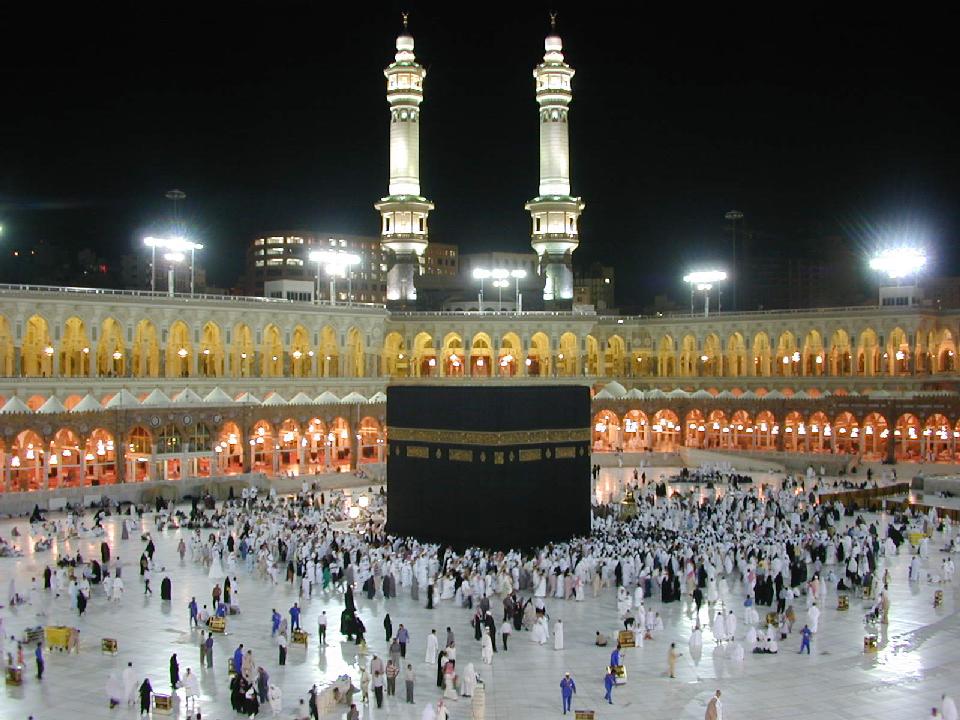
Manasik refers to the entire body of rituals required for Hajj and Umrah pilgrimages. These ceremonies take place in Mecca and its surrounding holy sites. The practice is a core part of Islamic law and guides believers through their sacred journey.
When is Manasik marked?
Manasik is kept as part of Hajj, which runs from 14 to 18 May 2027.
Manasik encompasses the full range of religious duties and ceremonial acts that Muslims must perform during their pilgrimage to Islam's holiest city. This system of rites structures the spiritual experience of Hajj and Umrah, ensuring that pilgrims follow established paths of worship.
What manasik means
The Arabic word manasik serves as the plural form of mansak or mansik. It functions as a nomen loci derived from nusuk, which originally pointed to a specific place of sacrifice. Over time, the term evolved to describe the complete collection of pilgrimage ceremonies rather than just a single location. The Qur'an uses this terminology to refer to the sacrificial rites and the broader framework of pilgrimage duties.
Scriptural roots
The concept appears early in Islamic scripture. Sura 2:196 mentions a sacrifice required if a pilgrim cuts their hair prematurely. Verses 2:34 and 2:67 of Sura 22 discuss sacrificial rites linked to Hajj. In Sura 2:128, Abraham asks God to show his offspring these rites. Sura 2:200 urges believers to remember the manasik of God as inherited from their ancestors. These passages establish the ritual foundation for the pilgrimage.
Historical development
Early experts like Abdullah ibn Umar provided guidance on performing Hajj and Umrah alternately. He served as a Mufti during the pilgrimage season, offering fatwa sessions upon the arrival of pilgrims. Qatada ibn Diama wrote one of the first monographic treatises on the subject in the eighth century. Later scholars expanded on this work, creating detailed manuals that pilgrims studied before traveling to Mecca.
Structure of the rites
The rituals include entering the state of consecration known as ihram at designated places. Pilgrims then enter Mecca and perform tawaf, circling the Kaaba. They run between the hills of Safa and Marwa. The journey continues to Mount Arafat for standing, followed by rules for Muzdalifah and Minā. Key acts involve throwing stones and completing final circumambulations. Violations require specific atonements.
How Manasik is kept
Pilgrims begin by studying the manasik texts to understand their obligations. They travel to Mecca and enter the state of ihram at specified boundaries. The sequence involves entering the holy city, performing tawaf around the Kaaba, and running between Safa and Marwa. Pilgrims then proceed to Mount Arafat for the central stand, move to Muzdalifah, and throw stones at Minā. The process concludes with farewell circulation and visiting Medina.
When and where
Hajj takes place annually during the month of Dhu al-Hijjah. Umrah has no fixed date and may be performed throughout the year. The timing for Hajj follows the Islamic lunar calendar.
The rites occur within and around Mecca in present-day Saudi Arabia. Specific locations include the Kaaba, Mount Arafat, Muzdalifah, and Minā. Pilgrims also visit Medina to pay respects to the Prophet.
What Manasik means
The manasik connect modern believers to the legacy of Abraham and other prophets. Performing these acts allows Muslims to commemorate divine commands inherited from their forebears. The rituals structure the spiritual journey, transforming physical movement into an act of devotion and obedience to God.
Days Manasik is marked
Questions people ask about Manasik
When is Manasik marked?
Manasik is kept as part of Hajj, which runs from 14 to 18 May 2027.
What is manasik?
Manasik refers to the complete set of rituals and ceremonies required for Islamic pilgrimage. It covers all duties for both Hajj and Umrah, guiding pilgrims through their sacred journey in Mecca.
Where do these rituals take place?
The rituals are conducted in and around Mecca, Saudi Arabia. Key sites include the Kaaba, Mount Arafat, Muzdalifah, and Minā. Some rites also involve visiting Medina.
How did the tradition develop?
Early companions of the Prophet provided oral guidance. Scholars like Qatada ibn Diama later wrote detailed treatises. These works formed the basis for the structured manuals used today.
See also
 IhramA sacred state and simple dress that Muslims enter for Hajj and Umrah
 Day of ArafahA holy day of prayer, repentance, and vigil on the second day of the Hajj pilgrimage
 Sa'eeThe ritual walk between the twin hills of Safa and Marwa during Islamic pilgrimageUmrahA pilgrimage to Mecca that Muslims may make at most times of year, unlike the Hajj
Good reading and sources
The facts on this page come from the Wikipedia article "Manasik", written by its contributors and used under the CC BY-SA 4.0 licence, and from its Wikidata record (CC0). EveryParampara rewrote the text in its own words, with AI assistance, and compares every page with the article to make sure no passage is copied. It may be reused under the same CC BY-SA 4.0 licence with a link back.
It may contain mistakes. Traditions differ from one family, village and community to the next, and the people who keep them know them best. If something is wrong, tell us. Last refreshed 2026-10-06.
More from Saudi Arabia
All the traditions of Saudi Arabia
🇸🇦 Mecca, Saudi ArabiaIhramإِحْرَام
A sacred state and simple dress that Muslims enter for Hajj and UmrahSpiritual
🇸🇦 Mecca, Saudi ArabiaUmrahعُمْرَة
A pilgrimage to Mecca that Muslims may make at most times of year, unlike the HajjSpiritual
🇸🇦 Mecca, Saudi Arabia and 1 moreDay of Arafahيوم عرفة
A holy day of prayer, repentance, and vigil on the second day of the Hajj pilgrimageSpiritual
🇸🇦 Mecca, Saudi ArabiaSa'eeالسعي
The ritual walk between the twin hills of Safa and Marwa during Islamic pilgrimageSpiritual
The same idea elsewhere
Pilgrimage compared 🇺🇸 United States and 5 moreMother's Day
A worldwide annual celebration dedicated to mothers, maternal bonds and family careHome
🇺🇸 United States and 5 moreMother's Day
A worldwide annual celebration dedicated to mothers, maternal bonds and family careHome
 🇵🇱 Poland and 5 moreChristmas Eve
The evening before Christmas, marked by church services, family meals, and gift preparations across Christian cultures.Festival · Dinner
🇵🇱 Poland and 5 moreChristmas Eve
The evening before Christmas, marked by church services, family meals, and gift preparations across Christian cultures.Festival · Dinner
 🇮🇳 India and 1 moreKailash Mansarovar Yatraकैलाश मानसरोवर यात्रा (Hindi); ཀཱའི་ལ་ཤ་མན་ས་རོ་ཝར་ཡ་ཏྲ། (Tibetan)
A high-altitude pilgrimage to Mount Kailash and Lake Manasarovar in TibetSpiritual
🇮🇳 India and 1 moreKailash Mansarovar Yatraकैलाश मानसरोवर यात्रा (Hindi); ཀཱའི་ལ་ཤ་མན་ས་རོ་ཝར་ཡ་ཏྲ། (Tibetan)
A high-altitude pilgrimage to Mount Kailash and Lake Manasarovar in TibetSpiritual
 🇵🇭 Marinduque, PhilippinesMoriones Festival
A Holy Week reenactment in Marinduque where masked participants search for the Roman centurion Longinus.Festival
🇵🇭 Marinduque, PhilippinesMoriones Festival
A Holy Week reenactment in Marinduque where masked participants search for the Roman centurion Longinus.Festival