Spiritual and religiousMiddle EastMuslim
Day of Arafah
In its own language: يوم عرفة
A holy day of prayer, repentance, and vigil on the second day of the Hajj pilgrimage

The Day of Arafah is an Islamic observance on the ninth day of Dhu al-Hijjah during the annual pilgrimage. Pilgrims gather on the Plain of Arafat near Mecca for an afternoon vigil of repentance, while Muslims elsewhere often observe the day by fasting.
When is Day of Arafah in 2027?
Day of Arafah 2027 is on Saturday, 15 May 2027. The date follows the moon or a local calendar, so it can move by a day. Other years: 2026, Tuesday, 26 May 2026; 2028, Thursday, 4 May 2028.
The Day of Arafah is a major Islamic observance that falls on the second day of the annual Hajj pilgrimage. Pilgrims travel to the Plain of Arafat near Mecca to spend the afternoon in quiet contemplation, prayer, and repentance before God. Muslims around the world who are not performing the pilgrimage often observe the occasion by fasting and attending prayers at local mosques.
The vigil at Arafat
Pilgrims leave Mina at dawn to assemble across the barren plain of Arafat and near Mount Arafat, a granite hill also called the Mountain of Mercy. Before midday, worshippers gather to combine their noon and afternoon prayers at Masjid al-Namirah. From midday until sunset, the gathering enters the central rite known as wuquf, or standing before God. During these hours, pilgrims listen to sermons, recite personal supplications, and ask forgiveness for past shortcomings. Completing this afternoon vigil is an essential requirement of the pilgrimage, without which a person's Hajj is invalid.
Fasting and prayers worldwide
While pilgrims on site do not fast so they can endure the physical demands of the day, fasting is strongly recommended for Muslims observing elsewhere. According to tradition, Prophet Muhammad stated that fasting on this day atones for the sins of both the prior year and the year ahead. In addition to abstaining from food, believers who cannot be in Mecca often gather in local mosques for supplication. Shia Muslims customarily recite the Arafah prayer during the afternoon, following the practice of Husayn ibn Ali. Some communities also hold symbolic vigils to pray for support and shared needs.
Origins and religious meaning
The observance marks the final period of Prophet Muhammad's life, when he delivered the Farewell Sermon from Mount Arafat to the companions who joined him on the pilgrimage. According to tradition, parts of the Quranic revelation announcing the completion of the Islamic faith were delivered at this time. Islamic teachings describe the Day of Arafah as a time of immense mercy, when God draws near and forgives countless people. It is immediately followed by Eid al-Adha, the major festival marking the end of the main pilgrimage rites.
How Day of Arafah is kept
At daybreak, pilgrims journey from Mina to the Plain of Arafat. Before noon, they assemble at Masjid al-Namirah to combine the Dhuhr and Asr prayers. From midday until dusk, worshippers stand in a contemplative vigil called wuquf, listening to scholars deliver sermons, offering deep repentance, and reciting supplications. Shia worshippers recite the traditional Arafah prayer during this window. At the same time, Muslims across the globe who are not on the pilgrimage spend the day fasting, seeking forgiveness, and praying in local mosques.
When and where
The Day of Arafah takes place once each year on the ninth day of Dhu al-Hijjah, the twelfth month of the lunar Islamic calendar. It occurs on the second day of the Hajj pilgrimage, one day before the festival of Eid al-Adha.
The core rites take place on the Plain of Arafat and Mount Arafat, a rocky hill situated about twenty kilometres southeast of Mecca in Saudi Arabia. Muslims across the world also observe the day in their local communities and mosques.
What Day of Arafah means
For Muslims, the Day of Arafah represents supreme repentance, mercy, and renewal. Standing before God on the plain mirrors the assembly of believers during the Prophet's Farewell Sermon. It is considered a blessed occasion where sincere prayers are accepted, sins are forgiven, and individuals seek spiritual reconciliation with their Creator.
Days Day of Arafah is marked
Day of Arafah dates: 2026, 2027, 2028
| Year | Day of Arafah date |
|---|---|
| 2026 | Tuesday, 26 May 2026 |
| 2027 | Saturday, 15 May 2027 |
| 2028 | Thursday, 4 May 2028 |
This date follows the moon or a local calendar and can move by a day, so check with a local source nearer the time.
Questions people ask about Day of Arafah
When is Day of Arafah in 2027?
Day of Arafah 2027 is on Saturday, 15 May 2027. The date follows the moon or a local calendar, so it can move by a day. Other years: 2026, Tuesday, 26 May 2026; 2028, Thursday, 4 May 2028.
What is the Day of Arafah?
It is a sacred Islamic observance on the ninth of Dhu al-Hijjah during Hajj. Pilgrims gather on the Plain of Arafat for an afternoon vigil of repentance, while other Muslims often fast.
Where does the main ritual take place?
The gathering occurs on the Plain of Arafat and Mount Arafat, a granite hill located roughly twenty kilometres southeast of Mecca in Saudi Arabia. Non-pilgrims observe the day at home or in local mosques.
Why do non-pilgrims fast on this day?
Fasting is a recommended practice for those not performing Hajj. According to Islamic tradition, Prophet Muhammad taught that fasting on this day forgives wrongdoings from both the previous year and the year ahead.
What happens during the standing vigil?
From noon until sundown, pilgrims remain on the plain to perform the wuquf. They listen to religious sermons, join in congregational afternoon prayers, seek divine forgiveness, and recite heartfelt personal supplications.
See also
 Eid al-FitrThe feast that ends Ramadan, opened with morning prayers, sweets and visits home
 IhramA sacred state and simple dress that Muslims enter for Hajj and Umrah
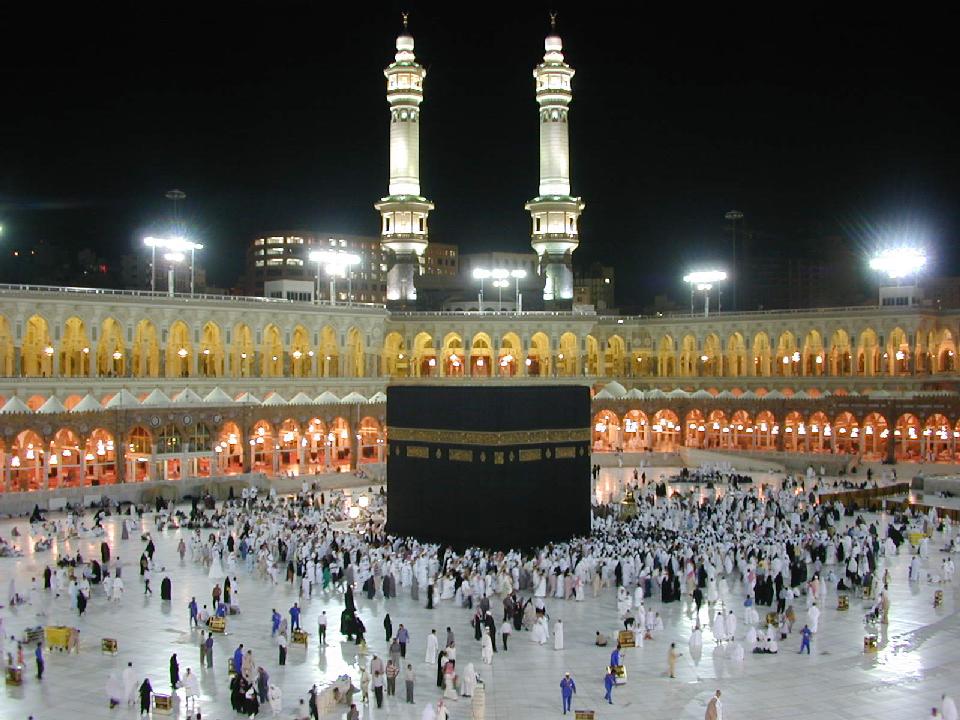 UmrahA pilgrimage to Mecca that Muslims may make at most times of year, unlike the Hajj
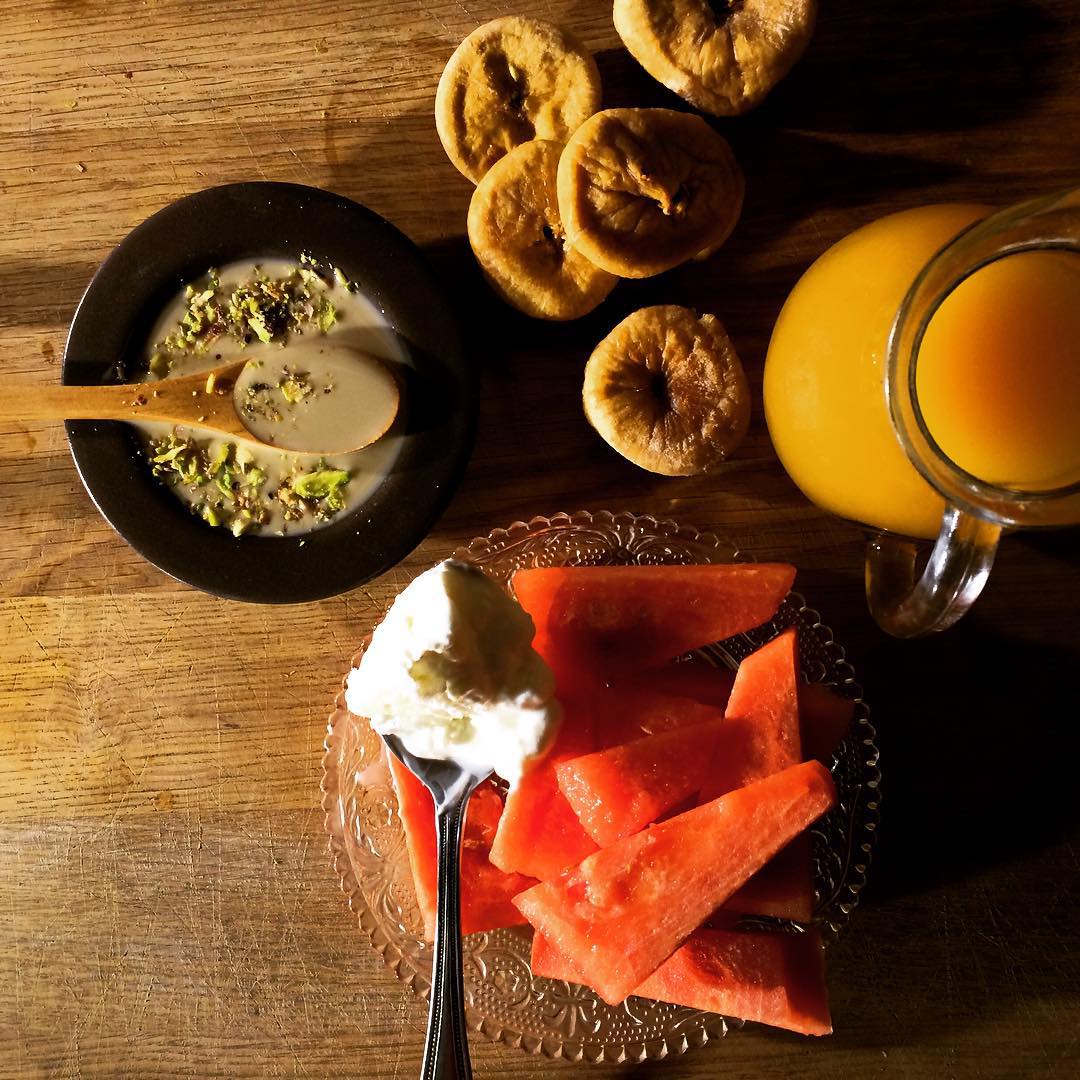 SuhurThe pre-dawn meal Muslims eat before a day of fasting in Ramadan
Good reading and sources
- Day of Arafah on WikipediaEncyclopedia
- More photos on Wikimedia CommonsPhotos and video
- Wikidata recordOpen data
The facts on this page come from the Wikipedia article "Day of Arafah", written by its contributors and used under the CC BY-SA 4.0 licence, and from its Wikidata record (CC0). EveryParampara rewrote the text in its own words, with AI assistance, and compares every page with the article to make sure no passage is copied. It may be reused under the same CC BY-SA 4.0 licence with a link back.
It may contain mistakes. Traditions differ from one family, village and community to the next, and the people who keep them know them best. If something is wrong, tell us. Last refreshed 2026-10-05.
More from Saudi Arabia
All the traditions of Saudi Arabia
🇸🇦 Mecca, Saudi ArabiaIhramإِحْرَام
A sacred state and simple dress that Muslims enter for Hajj and UmrahSpiritual
🇸🇦 Mecca, Saudi ArabiaUmrahعُمْرَة
A pilgrimage to Mecca that Muslims may make at most times of year, unlike the HajjSpiritual
 🇸🇦 Mecca, Saudi ArabiaSa'eeالسعي
The ritual walk between the twin hills of Safa and Marwa during Islamic pilgrimageSpiritual
🇸🇦 Mecca, Saudi ArabiaSa'eeالسعي
The ritual walk between the twin hills of Safa and Marwa during Islamic pilgrimageSpiritual
 🇸🇦 Saudi ArabiaManasikمناسك
The complete set of Islamic pilgrimage rites performed in and around Mecca.Spiritual
🇸🇦 Saudi ArabiaManasikمناسك
The complete set of Islamic pilgrimage rites performed in and around Mecca.Spiritual
The same idea elsewhere
Pilgrimage compared 🇵🇱 Poland and 5 moreChristmas Eve
The evening before Christmas, marked by church services, family meals, and gift preparations across Christian cultures.Festival · Dinner
🇵🇱 Poland and 5 moreChristmas Eve
The evening before Christmas, marked by church services, family meals, and gift preparations across Christian cultures.Festival · Dinner
 🇰🇷 Seoul, South KoreaTemplestay템플스테이
A program that invites visitors to live in South Korean Buddhist temples and join the daily routines of monastic life.Spiritual · Dinner
🇰🇷 Seoul, South KoreaTemplestay템플스테이
A program that invites visitors to live in South Korean Buddhist temples and join the daily routines of monastic life.Spiritual · Dinner
 🇵🇭 Manila, Philippines and 5 moreNovena
A nine-day Christian prayer tradition for petitions, feasts, or mourning.Spiritual
🇵🇭 Manila, Philippines and 5 moreNovena
A nine-day Christian prayer tradition for petitions, feasts, or mourning.Spiritual
 🇵🇭 Marinduque, PhilippinesMoriones Festival
A Holy Week reenactment in Marinduque where masked participants search for the Roman centurion Longinus.Festival
🇵🇭 Marinduque, PhilippinesMoriones Festival
A Holy Week reenactment in Marinduque where masked participants search for the Roman centurion Longinus.Festival