Spiritual and religiousMiddle EastMuslim
Ihram
In its own language: إِحْرَام
A sacred state and simple dress that Muslims enter for Hajj and Umrah

Ihram is a state of purity and restraint that Muslims enter for the Hajj or Umrah pilgrimage, with simple clothing, mostly for men, and rules that stay in force until the rites are finished. The practice is tied to Mecca and Medina in Saudi Arabia, and pilgrims enter it before they cross the Miqat.
When is Ihram marked?
Ihram is kept as part of Hajj, which runs from 14 to 18 May 2027.
Ihram is the sacred condition a Muslim enters before Hajj or Umrah, the greater and lesser pilgrimages. It begins at a boundary called the Miqat. Pilgrims purify themselves and put on simple clothing. Men usually wear two white cloths without stitching; women's dress varies and may be ordinary modest clothing. The state carries rules about scent, grooming, animals, plants and behaviour, and it ends with set acts.
What it is
Ihram is the state a Muslim enters before the greater pilgrimage, Hajj, or the lesser one, Umrah. It is not only a piece of clothing, though pilgrims do wear simple dress. The Arabic word comes from a root that also gives ideas of sacredness and prohibition. A person crosses a named boundary, the Miqat, and then follows rules that set this time apart. The rules cover dress, scent, grooming, behaviour, animals and plants. For many pilgrims, ihram begins the journey in earnest and marks a clear break from everyday habits. The state lasts until the rites are done.
Entering the state
Before entering ihram, a pilgrim cleans themselves as they would for prayer. Men cut their nails, trim hair and moustache, and use deodorant. Women also keep clean. Then they put on the garments at or before the Miqat. Men wear two white cloths that have no stitching: one is draped over the shoulders, and the other is wrapped around the waist and held by a belt, with sandals. Women's clothing is not fixed; it changes with local and religious custom, and many women do not cover their faces or wear gloves. Once the state begins, the pilgrim avoids a list of actions until the pilgrimage rites end.
Dress and rules
The men's ihram is meant to look the same on everyone. Two plain white cloths replace ordinary clothes, and the wearer may not tie knots or put on stitched items. Sandals and flip-flops can be stitched if the ankle and heel stay open. Men must not cover their heads. Women and men must not wear gloves. Scent is not allowed on the body or on the cloth. If a robe becomes dirty or is touched by scented liquid on purpose, a fresh ihram garment is needed, or the pilgrimage will not count.
Animals and plants
While in ihram, pilgrims may not chase, shoot, trap, confine, harm or kill land animals, birds or insects, and they may not offer such creatures as a sacrifice. Marine animals are not included in this ban. Small creatures that are accidentally killed, such as ants or grasshoppers, are treated as a mistake, but a fine based on their value may be required. Animals that could harm the pilgrim or others, such as mosquitoes, snakes, scorpions or spiders, may be killed, though driving them away first is better if possible. Living trees in the sacred areas are protected: no one in ihram may pull up, cut, snap or crush their branches.
Travel and timing
Air travel can raise a problem: a pilgrim may pass over the Miqat while in the air. To meet this, some airports in Muslim regions have rooms where people can change into ihram clothing. On flights from Muslim-majority countries, cabin staff may announce that passengers should enter the state. The timing of Hajj follows the Muslim calendar, in Dhu al-Hijjah. Umrah can be performed at other times. When the required rites are complete, the pilgrim leaves ihram, and many men then shave their heads.
How Ihram is kept
A pilgrim waits until the Miqat, the boundary for the pilgrimage. There they wash and groom as for prayer, clipping nails and neatening hair and moustache, and using deodorant. Men put on two white cloths, one over the shoulders and one around the waist, held with a belt, and sandals that keep the ankle and heel exposed. Women wear modest dress that follows local custom, and many do not cover their faces or wear gloves. Once in ihram, they avoid scent, stitched clothing, head coverings for men, sexual activity, smoking, swearing, hunting and harming plants. The state lasts through the rites and ends after the required acts, often with a head shave for men.
When and where
Hajj falls in Dhu al-Hijjah, the closing month of the Muslim year, so many pilgrims enter ihram then. Umrah, the lesser pilgrimage, can be performed at other times of year. Pilgrims enter the state before crossing the Miqat and leave it after completing the rites.
Muslims from many countries enter ihram when they travel for Hajj or Umrah. The practice is strongest at the sacred sites in Mecca and Medina in Saudi Arabia. The rules about protected plants also apply at al-Aqsa in Jerusalem, according to the sources.
What Ihram means
The white clothing is meant to make everyone look alike. The point is that before God a wealthy person and a poor person are not set apart. The shared dress also gives pilgrims in Mecca a feeling of unity, as one family in worship. Ihram itself marks a break from ordinary life, a time of restraint, attention and pilgrimage.


Days Ihram is marked
Questions people ask about Ihram
When is Ihram marked?
Ihram is kept as part of Hajj, which runs from 14 to 18 May 2027.
What is ihram?
Ihram is the sacred state a Muslim enters for Hajj or Umrah. It starts at the Miqat boundary, includes simple clothing and a set of rules, and ends after the pilgrimage rites are completed.
Where is ihram kept?
It is kept at the pilgrimage sites in Mecca and Medina in Saudi Arabia, and Muslims from many countries enter the state while travelling there. The sources also mention al-Aqsa in Jerusalem for the rules about plants.
What rules apply in ihram?
Men may not wear stitched clothes, cover the head or tie knots. Both men and women avoid scent and gloves. Sexual activity, smoking, swearing, hunting and cutting living plants are forbidden. Some rules have exceptions, such as killing an animal that poses a danger.
How does ihram end?
Pilgrims leave the state after they complete the required rites of Hajj or Umrah. Many men shave their heads at that point, which is a way to mark the end of ihram and return to ordinary life.
See also
 Eid al-FitrThe feast that ends Ramadan, opened with morning prayers, sweets and visits home
 PassoverA Jewish spring festival celebrating freedom from slavery with ritual meals
 SukkotA seven-day autumn Jewish festival of temporary booths, harvest prayers and hospitality
 Kailash Mansarovar YatraA high-altitude pilgrimage to Mount Kailash and Lake Manasarovar in Tibet
Good reading and sources
- Ihram on WikipediaEncyclopedia
- More photos on Wikimedia CommonsPhotos and video
- Wikidata recordOpen data
The facts on this page come from the Wikipedia article "Ihram", written by its contributors and used under the CC BY-SA 4.0 licence, and from its Wikidata record (CC0). EveryParampara rewrote the text in its own words, with AI assistance, and compares every page with the article to make sure no passage is copied. It may be reused under the same CC BY-SA 4.0 licence with a link back.
It may contain mistakes. Traditions differ from one family, village and community to the next, and the people who keep them know them best. If something is wrong, tell us. Last refreshed 2026-10-05.
More from Saudi Arabia
All the traditions of Saudi Arabia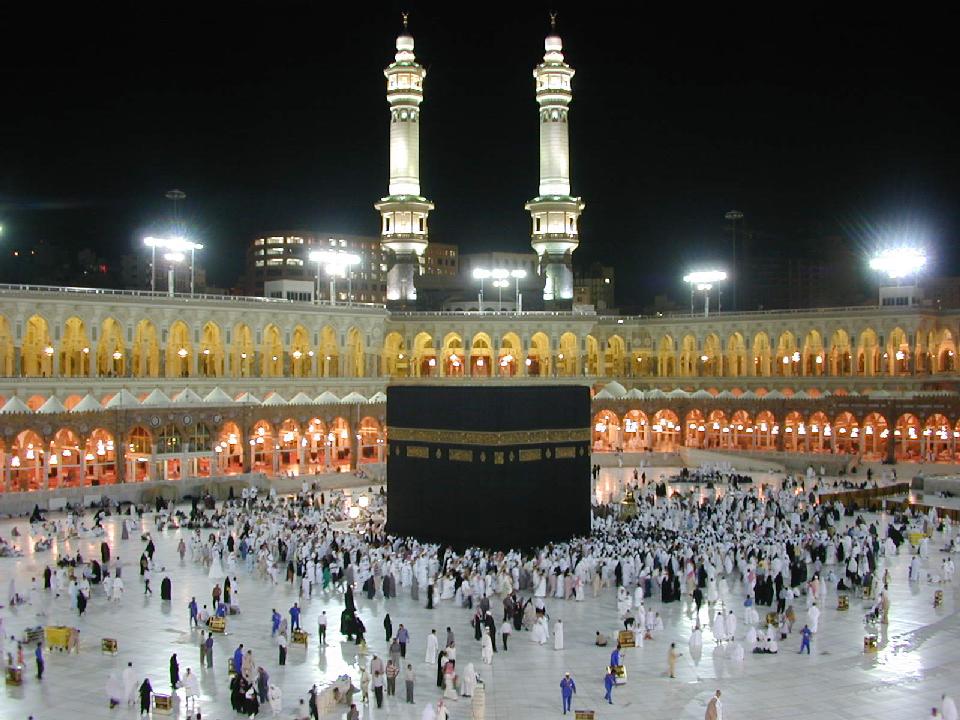 🇸🇦 Mecca, Saudi ArabiaUmrahعُمْرَة
A pilgrimage to Mecca that Muslims may make at most times of year, unlike the HajjSpiritual
🇸🇦 Mecca, Saudi ArabiaUmrahعُمْرَة
A pilgrimage to Mecca that Muslims may make at most times of year, unlike the HajjSpiritual
 🇸🇦 Mecca, Saudi Arabia and 1 moreDay of Arafahيوم عرفة
A holy day of prayer, repentance, and vigil on the second day of the Hajj pilgrimageSpiritual
🇸🇦 Mecca, Saudi Arabia and 1 moreDay of Arafahيوم عرفة
A holy day of prayer, repentance, and vigil on the second day of the Hajj pilgrimageSpiritual
 🇸🇦 Mecca, Saudi ArabiaSa'eeالسعي
The ritual walk between the twin hills of Safa and Marwa during Islamic pilgrimageSpiritual
🇸🇦 Mecca, Saudi ArabiaSa'eeالسعي
The ritual walk between the twin hills of Safa and Marwa during Islamic pilgrimageSpiritual
 🇸🇦 Saudi ArabiaManasikمناسك
The complete set of Islamic pilgrimage rites performed in and around Mecca.Spiritual
🇸🇦 Saudi ArabiaManasikمناسك
The complete set of Islamic pilgrimage rites performed in and around Mecca.Spiritual
The same idea elsewhere
Pilgrimage compared 🇺🇸 United States and 5 moreMother's Day
A worldwide annual celebration dedicated to mothers, maternal bonds and family careHome
🇺🇸 United States and 5 moreMother's Day
A worldwide annual celebration dedicated to mothers, maternal bonds and family careHome
 🇵🇱 Poland and 5 moreChristmas Eve
The evening before Christmas, marked by church services, family meals, and gift preparations across Christian cultures.Festival · Dinner
🇮🇳 India and 1 moreKailash Mansarovar Yatraकैलाश मानसरोवर यात्रा (Hindi); ཀཱའི་ལ་ཤ་མན་ས་རོ་ཝར་ཡ་ཏྲ། (Tibetan)
A high-altitude pilgrimage to Mount Kailash and Lake Manasarovar in TibetSpiritual
🇵🇱 Poland and 5 moreChristmas Eve
The evening before Christmas, marked by church services, family meals, and gift preparations across Christian cultures.Festival · Dinner
🇮🇳 India and 1 moreKailash Mansarovar Yatraकैलाश मानसरोवर यात्रा (Hindi); ཀཱའི་ལ་ཤ་མན་ས་རོ་ཝར་ཡ་ཏྲ། (Tibetan)
A high-altitude pilgrimage to Mount Kailash and Lake Manasarovar in TibetSpiritual
 🇵🇭 Marinduque, PhilippinesMoriones Festival
A Holy Week reenactment in Marinduque where masked participants search for the Roman centurion Longinus.Festival
🇵🇭 Marinduque, PhilippinesMoriones Festival
A Holy Week reenactment in Marinduque where masked participants search for the Roman centurion Longinus.Festival