Festivals and celebrationsEuropeChristian
Michaelmas
A Christian festival honouring the archangels, marked by autumn harvest foods and legal terms in the British Isles.

Michaelmas is a Christian feast day observed on 29 September in Western traditions and 8 November in Eastern ones. It honours the archangels and marks the start of autumn. In England and Ireland, it served as a quarter day for settling accounts and hiring workers, while also inspiring customs like eating goose and picking blackberries.
When is Michaelmas kept?
Michaelmas is kept on 29 September (Western Christianity) or 8 November (Eastern Christianity).
Michaelmas is a Christian feast day that falls near the autumn equinox. It honours the archangels Michael, Gabriel, and Raphael. The date marks the beginning of the harvest season and the end of summer. People celebrate with special meals, processions, and legal gatherings. It remains a key term in universities and courts today.
Origins and history
The name comes from 'Michael's Mass', similar to Christmas. During the Middle Ages, it was a holy day of obligation until the eighteenth century. It became one of four quarter days in English and Irish law. Farmers settled their yearly accounts on this day. Landlords received rent and tenants were hired. The date also signals the start of autumn in the Northern Hemisphere. Universities use the name for their first academic term. Legal bodies in England and Ireland still divide their year into terms starting at Michaelmas.
Folklore and omens
Blackberries are central to the day's lore. Legend says Satan fell from heaven into a blackberry bush on this day. He cursed the fruit with his breath and spit. People believe berries picked after 11 October are spoiled. This date is known as Old Michaelmas Day. Clear weather on Michaelmas predicts a long winter. In Ireland, pilgrims visited holy wells dedicated to St Michael. They drank the water and greeted each other with traditional phrases. Boys born on this day often received the name Michael.
Food and drink
Eating goose is the main custom. A stubble-goose, fattened on harvested fields, was prized. A saying claims eating goose brings money all year. Tenants sometimes gave geese to landlords as part of their contracts. In Scotland, people baked St Michael's bannock from barley, oats, and rye without metal tools. Nuts were cracked on the eve of the feast. Mutton pies were also common in Irish markets. These foods celebrated the harvest and provided warmth for the coming winter.
Modern observances
Waldorf schools celebrate the day as a rite of passage. Students perform plays about facing fears. Police officers may attend a Blue Mass. In London, the new Lord Mayor is elected on this day. In Pennsylvania, locals observe Goose Day with festivals and dinners. Painted goose statues decorate the county. Courts in the United States do not use terms, but the Supreme Court begins its session shortly after. The feast remains a time for reflection and community gathering.
How Michaelmas is kept
Communities gather for religious services or school plays. Farmers settle accounts and hire workers. Families eat goose and crack nuts. Pilgrims visit holy wells. Legal professionals hold dining terms. Schools stage performances about courage. Blackberries are harvested before the deadline.
When and where
It falls on 29 September in Western churches and 8 November in Eastern ones. The date aligns with the autumn equinox. Old Michaelmas Day occurs on 11 October due to calendar changes.
It is strongest in Ireland and the United Kingdom. Universities in these regions mark the term. Legal courts in England and Ireland use the name. Pennsylvania in the United States also celebrates it locally.
What Michaelmas means
The day marks the transition from summer to autumn. It honours the victory over evil spirits. Eating goose symbolizes prosperity and protection. Blackberries represent the fall of Satan. The feast reminds people to face their fears and prepare for winter.
On the table
- stubble-goose
- St. Michael's bannock
- blackberries
- nuts
- mutton pies


Questions people ask about Michaelmas
When is Michaelmas kept?
Michaelmas is kept on 29 September (Western Christianity) or 8 November (Eastern Christianity).
What is Michaelmas?
It is a Christian feast day honouring the archangels. It falls on 29 September in the West and 8 November in the East. The day marks the start of autumn and the harvest season. It is also a legal quarter day in the British Isles.
Why do people eat goose on Michaelmas?
Geese are fattened during the harvest season. Eating them is said to bring financial luck for the year. Tenants historically gave geese to landlords as rent. The tradition dates back to medieval times and remains popular in some areas.
Why should you not pick blackberries after Michaelmas?
Legend says Satan fell into a blackberry bush on this day. He cursed the fruit with his breath and spit. People believe the berries become spoiled or poisonous after 11 October. This old rule helps mark the end of berry season.
Where is Michaelmas celebrated today?
It is widely observed in Ireland and the United Kingdom. Waldorf schools celebrate it globally. Legal and academic institutions in these countries still use the term. Some communities in Pennsylvania also hold local festivals.
See also
 ChristmasA festival of Jesus's birth, kept on 25 December with gifts, lights and shared meals
 HalloweenAn annual observance on 31 October marking the eve of All Saints' Day, rooted in Christian tradition and Celtic heritage
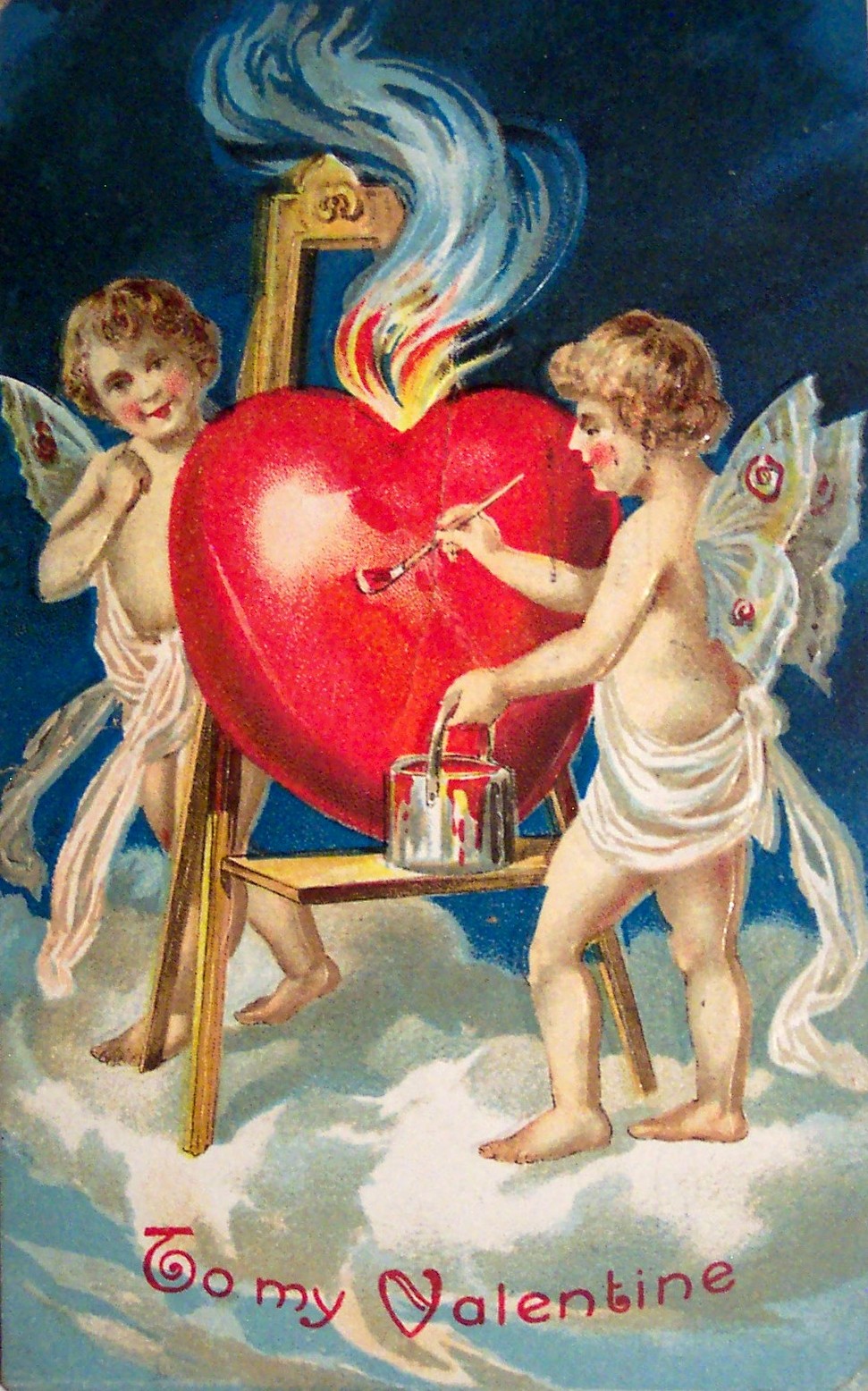 Valentine's DayA Christian feast day and cultural celebration of love kept on February 14 in many countries.
 Christmas treeA decorated evergreen or artificial tree placed indoors to mark the Christmas season.
Good reading and sources
- Encyclopaedia BritannicaArticle
- The Michaelmas customs associated with 29 September in IrelandRTE, Article
- The Michaelmas customs associated with 29 September in IrelandRTE, Article
- Michaelmas on WikipediaEncyclopedia
- More photos on Wikimedia CommonsPhotos and video
- Wikidata recordOpen data
The facts on this page come from the Wikipedia article "Michaelmas", written by its contributors and used under the CC BY-SA 4.0 licence, and from its Wikidata record (CC0). EveryParampara rewrote the text in its own words, with AI assistance, and compares every page with the article to make sure no passage is copied. It may be reused under the same CC BY-SA 4.0 licence with a link back.
It may contain mistakes. Traditions differ from one family, village and community to the next, and the people who keep them know them best. If something is wrong, tell us. Last refreshed 2026-10-04.
More from Ireland
All the traditions of Ireland
🇮🇪 Ireland and 5 moreHalloween
An annual observance on 31 October marking the eve of All Saints' Day, rooted in Christian tradition and Celtic heritageFestival · Sweets given and shared
🇬🇧 United Kingdom and 4 moreValentine's Day
A Christian feast day and cultural celebration of love kept on February 14 in many countries.Festival
 🇬🇧 United Kingdom and 5 moreApril Fools' Day
An annual day of lighthearted pranks, hoaxes and teasing kept on the first of AprilFestival
🇬🇧 United Kingdom and 5 moreApril Fools' Day
An annual day of lighthearted pranks, hoaxes and teasing kept on the first of AprilFestival
 🇺🇸 United States and 1 moreSaint Patrick's Day in the United States
An annual celebration of Irish heritage across America with parades, feasts and green dyeFestival · Dinner
🇺🇸 United States and 1 moreSaint Patrick's Day in the United States
An annual celebration of Irish heritage across America with parades, feasts and green dyeFestival · Dinner
The same idea elsewhere
All of this kind 🇹🇷 Turkey and 5 moreEid al-Fitrعيد الفطر
The feast that ends Ramadan, opened with morning prayers, sweets and visits homeFestival · Feasts and festival meals
🇹🇷 Turkey and 5 moreEid al-Fitrعيد الفطر
The feast that ends Ramadan, opened with morning prayers, sweets and visits homeFestival · Feasts and festival meals
 🇮🇳 Ayodhya, India and 7 moreDiwaliदीपावली (Dīpāvalī)
A five-day festival of lights celebrated across India and its diaspora to mark the victory of light over darkness.Festival · Feasts and festival meals
🇮🇳 Ayodhya, India and 7 moreDiwaliदीपावली (Dīpāvalī)
A five-day festival of lights celebrated across India and its diaspora to mark the victory of light over darkness.Festival · Feasts and festival meals
 🇮🇱 Jerusalem, Israel and 1 moreHanukkahחֲנֻכָּה
An eight-day Jewish festival marking the rededication of the Second Temple in Jerusalem and the miracle of a single day'Festival
🇮🇱 Jerusalem, Israel and 1 moreHanukkahחֲנֻכָּה
An eight-day Jewish festival marking the rededication of the Second Temple in Jerusalem and the miracle of a single day'Festival
 🇪🇬 Egypt and 5 moreMawlidمولد (Mawlid)
An annual festival marking the birth of the Prophet Muhammad, marked by poetry, processions and feasts.Festival · Feasts and festival meals
🇪🇬 Egypt and 5 moreMawlidمولد (Mawlid)
An annual festival marking the birth of the Prophet Muhammad, marked by poetry, processions and feasts.Festival · Feasts and festival meals