Spiritual and religiousEuropePagan and ancient
Nemoralia
A three-day Roman festival of torches and garlands for the goddess Diana

An old Roman festival lasting three days in mid-August for Diana, goddess of the grove and the hunt. Torchlit processions circled Lake Nemi near Ariccia, worshippers came out from Rome with garlands and gifts, and the celebration later spread across Italy.
When is Nemoralia kept?
Nemoralia is kept every year on 13, 14 and 15 August.
For three days in mid-August, the people of ancient Rome kept the Nemoralia for Diana, the goddess of groves, water and the hunt. Torches and garlands ringed a lake in the hills south of Rome, and the festival spread through Italy. Roman polytheists and Neopagans hold the dates today, lighting candles and leaving prayers near water.
What it is
The Nemoralia ran for three days, from 13 to 15 August, and honoured Diana, a goddess tied to woods, water and the hunt. Its first home was her sanctuary beside Lake Nemi in the hills near Ariccia, south of Rome. Latin speakers called that setting a nemus, a grove, and the festival took its name from the word. People also knew the water as Diana's Mirror. Torches gave the festival its other title, the Festival of Torches. What began as one shrine's local rite travelled widely, and by the first century BCE it was being kept in many parts of Italy.
Origins and history
Diana's yearly feast at Nemi fell on the Ides of August, the date Aricia also kept as its founding day. Its beginnings are older than the arrival of Diana's worship in Rome, which spread during the third century BCE, and may reach back to the sixth century BCE or beyond. Writers of the first century BCE describe people walking to the sanctuary with garlands and burning torches. In time the celebration was held across Italy, and Romans kept it at her Aventine temple as well. That was unusual, since devotion to Diana had once been a local affair.
How it is kept
Worshippers gathered at the lake by torchlight and candlelight, forming a procession that went around the water. Many wore wreaths of flowers. Plutarch says that before the circuit began, people washed their hair and dressed it with blossoms. The day gave women and enslaved people a rest. Dogs were honoured too, decked with flowers, and no one hunted or killed any animal. Small boats with lanterns carried passengers from one shore to the other, and lamps of a kind used by the Vestal virgins have been found at Nemi bearing images of the goddess.
Offerings and prayers
Ovid, writing in the first century BCE, pictured the wooded valley, a fence hung with woven threads and tablets left as thanks, and a woman walking out from Rome with a wreath and a torch because Diana had answered her prayer. Gifts might take the shape of tiny clay or bread figures of the limbs and organs a person wanted healed, small images of a mother and child, or little stags. People brought apples, sang and danced. Garlic went to Hecate, the goddess of the dark moon, who was also honoured during the festival.
What it means
For Statius, a poet of the first century CE, the feast joined three worlds: the blazing dog-star overhead, the grove on earth and Hecate's underworld. He pictured the hounds garlanded, the weapons laid aside and wild animals left in peace, and he said all Italy kept the Hecatean Ides. Diana's sanctuaries were refuges, sheltering people who had escaped slavery, and the tales of Hippolytus and Orestes tie her worship to escape from death, madness and guilt. Some suggest the festival once told of Diana going down after Hippolytus, or Virbius, and rising on the third day, and that the Catholic feasts of 13 and 15 August later took over its dates and some of its meaning. Comparable rites honoured Isis and Demeter, often linked with Diana.
How Nemoralia is kept
People travelled to Lake Nemi, some walking the whole way from Rome. They came with torches and garlands and joined a procession of lights around the water, hundreds at a time. Before the circuit, hair was washed and wreathed with flowers, as Plutarch records. Women and enslaved people had the day free of work. Dogs were garlanded and honoured. Lantern-lit boats ferried people across the lake. Offerings were left at the shrine or near the water. No hunting or killing of animals was allowed while the festival lasted.
When and where
The Nemoralia lasted three days, 13, 14 and 15 August, beginning on the Ides of August. The date was fixed in the Roman calendar rather than set by the moon each year, and it stayed in mid-August.
It began at the sanctuary of Diana beside Lake Nemi, near Ariccia in the hills south of Rome, and the lake stayed its heart. From there it spread, and was kept in other parts of Italy, among them Rome, where Diana's Aventine temple stood.
What Nemoralia means
Torchlight carried more than one meaning. It honoured Diana and, in the historian C.M.C. Green's reading, let worshippers step out of a world shadowed by death into one that felt sacred, cool and safe. Diana's care reached past hunters to anyone who needed shelter, and her sanctuaries were refuges, including for enslaved people who had escaped. When the hounds wore garlands and the hunt stopped, protection was visibly extended to every living creature.
Questions people ask about Nemoralia
When is Nemoralia kept?
Nemoralia is kept every year on 13, 14 and 15 August.
What was the Nemoralia?
A three-day Roman festival for the goddess Diana, kept on 13, 14 and 15 August. Its centre was Diana's sanctuary by Lake Nemi, south of Rome, and it grew into a celebration held in many parts of Italy.
Where was it celebrated?
It began at Lake Nemi near Ariccia, and the lake remained its heart. Worship also spread across Italy and reached Rome, where Diana's Aventine temple stood. Some people walked to Nemi from Rome, carrying torches.
Was anything forbidden?
Yes. No one was allowed to hunt or kill any animal while the festival lasted. The hunting dogs were garlanded and honoured instead of being taken out to the chase, which showed Diana's protection reaching every creature.
Is it still kept today?
Roman polytheists and Neopagans observe it. They light candles and torches, wear garlands, tie prayer ribbons and leave tokens near water and other sacred places, over the same three days in August.
See also
 LustratioAn ancient Greek and Roman cleansing rite using processions and animal sacrifice.IncubationThe sacred practice of sleeping in holy shrines to seek divine healing and dreams
 Assumption of MaryA feast on 15 August, when Christians remember Mary taken up into heaven
 Christmas treeA decorated evergreen or artificial tree placed indoors to mark the Christmas season.
Good reading and sources
The facts on this page come from the Wikipedia article "Nemoralia", written by its contributors and used under the CC BY-SA 4.0 licence, and from its Wikidata record (CC0). EveryParampara rewrote the text in its own words, with AI assistance, and compares every page with the article to make sure no passage is copied. It may be reused under the same CC BY-SA 4.0 licence with a link back.
It may contain mistakes. Traditions differ from one family, village and community to the next, and the people who keep them know them best. If something is wrong, tell us. Last refreshed 2026-10-10.
More from Italy
All the traditions of Italy
🇮🇹 Rome, Italy and 2 moreAssumption of Mary
A feast on 15 August, when Christians remember Mary taken up into heavenSpiritual
🇬🇷 Greece and 1 moreLustratio
An ancient Greek and Roman cleansing rite using processions and animal sacrifice.Spiritual
🇬🇷 Greece and 1 moreIncubationἐγκοίμησις
The sacred practice of sleeping in holy shrines to seek divine healing and dreamsSpiritual
 🇵🇭 Philippines and 5 moreHoly WeekἉγία καὶ Μεγάλη Ἑβδομάς
The solemn seven days leading to Easter, recalling the final week and Passion of JesusSpiritual · Fasting and breaking the fast
🇵🇭 Philippines and 5 moreHoly WeekἉγία καὶ Μεγάλη Ἑβδομάς
The solemn seven days leading to Easter, recalling the final week and Passion of JesusSpiritual · Fasting and breaking the fast
The same idea elsewhere
Healing, luck and protection compared 🇮🇳 India and 4 moreWater lantern
Small lamps floated on water to honour the dead and ask for good fortuneFestival
🇮🇳 India and 4 moreWater lantern
Small lamps floated on water to honour the dead and ask for good fortuneFestival
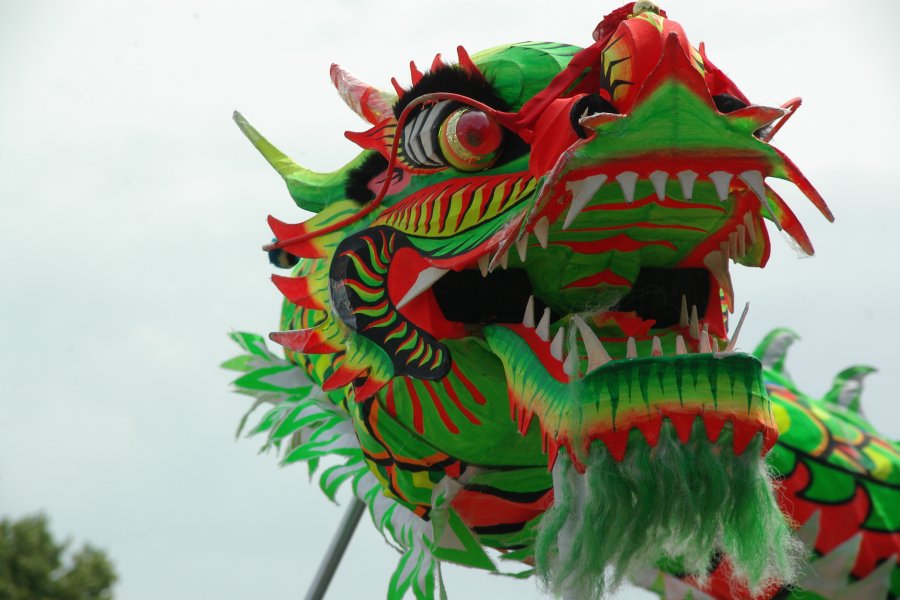 🇨🇳 China and 3 moreDragon dance舞龍 / 舞龙
A long dragon puppet on poles, danced by a team at Chinese New Year and other festivalsPerformance
🇨🇳 China and 3 moreDragon dance舞龍 / 舞龙
A long dragon puppet on poles, danced by a team at Chinese New Year and other festivalsPerformance
 🇺🇸 United States and 4 moreFriday the 13th
A Western folk superstition regarding the unluckiness of a Friday falling on the 13th.Folklore
🇵🇬 Trobriand Islands, Papua New GuineaTrobriand cricket
Cricket as played in the Trobriand Islands, with chants, dances and a feastGame
🇺🇸 United States and 4 moreFriday the 13th
A Western folk superstition regarding the unluckiness of a Friday falling on the 13th.Folklore
🇵🇬 Trobriand Islands, Papua New GuineaTrobriand cricket
Cricket as played in the Trobriand Islands, with chants, dances and a feastGame