Spiritual and religiousEuropePagan and ancientChristian
Incubation
In its own language: ἐγκοίμησις
The sacred practice of sleeping in holy shrines to seek divine healing and dreams
Incubation is a ritual where a person sleeps inside a sacred site to receive a healing vision, divine guidance, or medical diagnosis through dreams. Practised across ancient Mediterranean sanctuaries and early Christian shrines, it remains recorded in traditional monastic settings.
Incubation is the spiritual practice of spending the night asleep within a sanctuary, shrine, or holy chamber. Seekers undertake this rite to ask for divine insight, cures for sickness, or prophetic direction through their dreams. Widespread throughout the ancient Mediterranean, classical Greece, and the Byzantine world, the observance linked the quiet realm of sleep directly with holy revelation.
Healing at ancient sanctuaries
In the classical world, people visited dedicated healing shrines, particularly those of the deity Asclepius in places like Epidaurus, Rome, and Pergamum. Sick travellers entered special sleeping halls called an abaton or enkoimeterion. While resting in these rooms, patients hoped for visions that would reveal a diagnosis, suggest a remedy, or heal them outright. Votive gifts left behind testified to the treatments they believed they had received. In Sardinia, early accounts described people sleeping near the tombs of revered heroes, waking with little sense of elapsed time while seeking recovery from physical ailments.
Prophecy and altered consciousness
Incubation also served as a pathway to divine wisdom. In Hebrew scripture, Solomon travelled to the high place of Gibeon to offer sacrifices and slept there, encountering God in a nighttime dream where he asked for an understanding heart. Among ancient Greek healer-prophets known as iatromantes, incubation was an ecstatic, meditative pursuit with connections to broader Asian shamanic traditions. According to researcher Peter Kingsley, this practice allowed practitioners to experience a unique state of awareness distinct from waking, ordinary sleeping, or normal dreaming, comparable to the concept of turiya in Indian yogic traditions.
Byzantine medicine and later shrines
Christian communities later embraced incubation, making it a cornerstone of devotion to miraculous healer saints across the Byzantine Empire. Believers gathered at shrines dedicated to saints such as Cosmas and Damian, Artemius, Thecla, and Cyr and John. The cures and nightly visions documented at these shrines became central to Byzantine medical thought and daily religious life. This custom eventually spread throughout Western Europe. Accounts indicate that elements of ritual incubation linger in a few Greek monastic sanctuaries, while contemporary dream researchers continue to study methods influenced by these ancient rites.
How Incubation is kept
A petitioner journeys to a sanctified location, such as a temple sleeping quarter, a hero's tomb, or a Christian shrine. Before resting, the visitor often presents offerings or prayers. They then sleep in the consecrated hall with the focused desire for heavenly help. Upon waking, the sleeper reflects on any dreams received during the night, seeking guidance, instructions for medicine, or signs of recovery.
When and where
The ritual is not tied to a recurring annual calendar date. Individuals traditionally observed it during times of sickness, spiritual crisis, or when an urgent divine answer was required.
The custom developed across ancient Mediterranean cultures, with famous sanctuaries at Epidaurus, Pergamum, and Rome, tombs in Sardinia, and early Christian shrines across the Byzantine world and Western Europe.
What Incubation means
Sleeping in a holy precinct represents entering into direct contact with the sacred realm. The resulting dreams are treated not as random thoughts of the night, but as authoritative revelations, curative instructions, or gifts of divine understanding granted while human defences and daily consciousness are set aside.
Questions people ask about Incubation
What is ritual incubation?
Incubation is the custom of sleeping within a holy sanctuary to obtain a divinely inspired dream, medical guidance, or a miraculous cure from a higher power.
Where was incubation practised in ancient times?
It was common across ancient Mediterranean sanctuaries, such as the Asclepius temples at Epidaurus, Rome, and Pergamum, as well as hero burial sites in Sardinia.
How was incubation used in Christian tradition?
Certain Christian groups used incubation at shrines of Byzantine doctor saints like Cosmas and Damian or Artemius, seeking healing dreams that helped shape medieval medicine.
Who is a well-known biblical figure associated with incubation?
King Solomon took part in this tradition at the high place of Gibeon, where God appeared to him during a dream and granted his request for an understanding heart.
See also
 Stations of the CrossA Christian prayer journey following fourteen moments of the Passion of Jesus
 Holy FireA fire ceremony in Jerusalem each year, kept by Orthodox Christians before Easter
 Camino de SantiagoA Christian walking pilgrimage across Europe to the shrine of Saint James in Spain
 Presentation of MaryA Christian feast on November 21 marking a child's dedication to God in Jerusalem.
Good reading and sources
The facts on this page come from the Wikipedia article "Incubation (ritual)", written by its contributors and used under the CC BY-SA 4.0 licence, and from its Wikidata record (CC0). EveryParampara rewrote the text in its own words, with AI assistance, and compares every page with the article to make sure no passage is copied. It may be reused under the same CC BY-SA 4.0 licence with a link back.
It may contain mistakes. Traditions differ from one family, village and community to the next, and the people who keep them know them best. If something is wrong, tell us. Last refreshed 2026-10-06.
More from Greece
All the traditions of Greece
🇮🇱 Jerusalem, Israel and 5 moreHoly FireἋγιον Φῶς
A fire ceremony in Jerusalem each year, kept by Orthodox Christians before EasterSpiritual
 🇧🇬 Bulgaria and 4 moreKukeriкукери (kukeri)
Masked and belled figures who tour Bulgarian villages at New Year to drive off harmSpiritual
🇧🇬 Bulgaria and 4 moreKukeriкукери (kukeri)
Masked and belled figures who tour Bulgarian villages at New Year to drive off harmSpiritual
 🇬🇷 Greece and 1 moreAnastenariaΑναστενάρια
A barefoot firewalking and dance rite honouring Saint Constantine and Saint HelenSpiritual
🇬🇷 Greece and 1 moreAnastenariaΑναστενάρια
A barefoot firewalking and dance rite honouring Saint Constantine and Saint HelenSpiritual
 🇬🇷 Greece and 1 moreLustratio
An ancient Greek and Roman cleansing rite using processions and animal sacrifice.Spiritual
🇬🇷 Greece and 1 moreLustratio
An ancient Greek and Roman cleansing rite using processions and animal sacrifice.Spiritual
The same idea elsewhere
Healing, luck and protection compared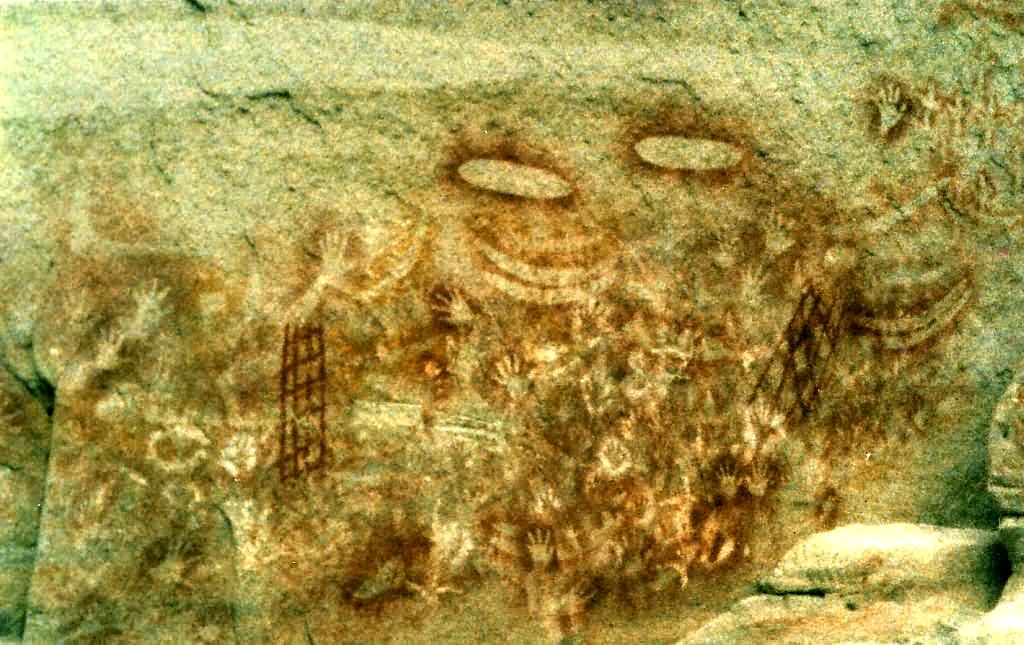 🇦🇺 AustraliaThe Dreaming
A living spiritual worldview and law connecting Aboriginal Australians to ancestors, land, and community.Spiritual
🇦🇺 AustraliaThe Dreaming
A living spiritual worldview and law connecting Aboriginal Australians to ancestors, land, and community.Spiritual
 🇮🇳 India and 5 moreThaipusam
A Tamil Hindu festival honoring Murugan through devotional burdens and pilgrimageSpiritual
🇮🇳 India and 5 moreThaipusam
A Tamil Hindu festival honoring Murugan through devotional burdens and pilgrimageSpiritual
 🇵🇭 Cebu City, Philippines and 4 moreSinulog Festival
An annual Philippine dance festival and Catholic devotion honouring the Santo NiñoFestival
🇵🇭 Cebu City, Philippines and 4 moreSinulog Festival
An annual Philippine dance festival and Catholic devotion honouring the Santo NiñoFestival
 🇵🇪 Cusco, PeruQoyllur Rit'iQuyllurit'i
An Andean mountain pilgrimage uniting indigenous star lore and Catholic devotionSpiritual
🇵🇪 Cusco, PeruQoyllur Rit'iQuyllurit'i
An Andean mountain pilgrimage uniting indigenous star lore and Catholic devotionSpiritual