Music, dance and storytellingNorth America
Old time fiddle
An American string band style played for dancing, kept alive through local contests and family teaching.

Old time fiddle is a living musical tradition from the United States, strongest in Appalachia and the South. It grew from European immigrant dance tunes blended with African-American influences. Players use specific tunings and techniques to accompany dancers and singers, passing the repertoire down through local meetups and family lines.
When is Old time fiddle kept?
Old time fiddle is kept on kept year-round at local meetups, festivals, and family gatherings..
Old time fiddle is a foundational American musical tradition played on the violin-like instrument. It preserves European folk dance rhythms mixed with African-American blues and ragtime influences. Fiddlers gather in string bands to play sets of tunes that keep communities dancing and singing across generations.
Origins and roots
The style emerged when immigrants from England, France, Germany, Ireland, and Scotland brought their native dance tunes to North America. These forms included jigs, reels, schottisches, and polkas. The music took root in Appalachia and the wider American South, where it absorbed rhythms and phrasing from African-American musicians. By the early twentieth century, younger players began mixing in elements of blues and ragtime, yet many elders held fast to the older repertoires.
Sound and technique
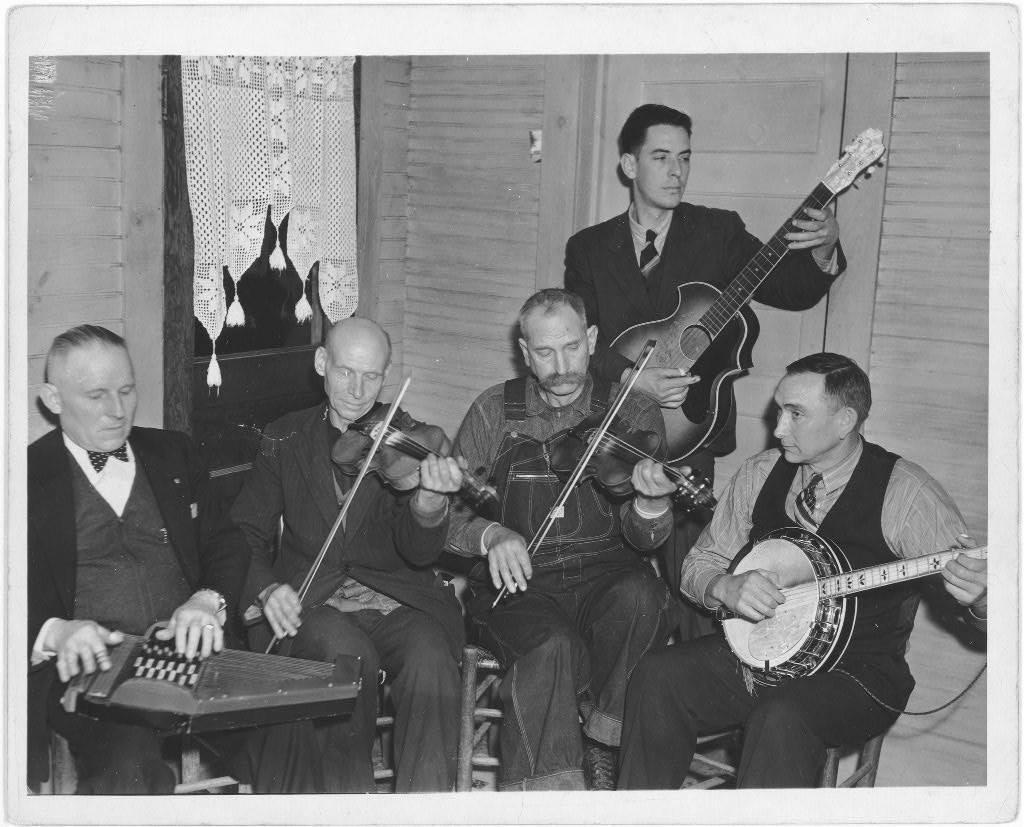
Players modify their instruments to suit the style. The bridge is flattened slightly to allow rapid double-string shuffles, and many fiddlers drop chin rests or shoulder pads entirely. Cross-tunings are common, giving the strings different pitches than standard violin tuning. Bands typically pair the fiddle with banjo, guitar, or mandolin, creating a tight rhythmic foundation meant for movement rather than quiet listening.
Keeping the tune alive
Learning happens orally at local meetups, fiddle camps, and family circles. Contests and annual festivals test endurance and repertoire, while regional associations preserve distinct local styles. Some groups emphasize twin fiddles, while others focus on solo unaccompanied performance. Filmmakers and record labels also help archive the music, ensuring that older players pass their knowledge to younger generations.
Modern players and bands
Contemporary groups carry the tradition forward while acknowledging its age. Ensembles like the Carolina Chocolate Drops draw heavily from Piedmont region history and African-American fiddling lineages. Other bands maintain strict boundaries between old time and bluegrass, using specific bowing techniques and rejecting modern production trends. These musicians treat the past as a guide rather than a rigid rulebook.
How Old time fiddle is kept
Fiddlers gather in string bands with banjo, guitar, or mandolin to play sets of dance tunes. Learning happens orally at local meetups, fiddle camps, and family circles. Contests and annual festivals test endurance and repertoire, while regional associations preserve distinct local styles.
When and where
Played throughout the year, with major contests held in summer months like June.
Originated in Appalachia and the American South, now spread across the United States with strongholds in Texas, North Carolina, and Idaho.
What Old time fiddle means
Represents a living link to colonial immigrant heritage and early American cultural blending. Purists view it as a defense against musical homogenization, valuing its modal scales and dance-centered purpose over recorded listening.

Questions people ask about Old time fiddle
When is Old time fiddle kept?
Old time fiddle is kept on kept year-round at local meetups, festivals, and family gatherings..
What instruments make up an old time string band?
The core group features a fiddle accompanied by banjo, guitar, and mandolin. Other string instruments may join, creating a tight rhythmic foundation for dancing rather than a large ensemble.
How does old time fiddle differ from bluegrass?
Old time relies on cross tunings, modal scales, and a dance-focused rhythm. Bluegrass uses standard tuning, emphasizes lead breaks, and treats songs as listening pieces rather than continuous dance accompaniment.
Is the music learned from sheet music?
No. The tradition relies on oral transmission. Players learn by listening, watching elders, and practicing at local meetups and family gatherings where tunes are passed down without written scores.
See also
 TiniklingA Philippine folk dance where dancers step between clapping bamboo poles
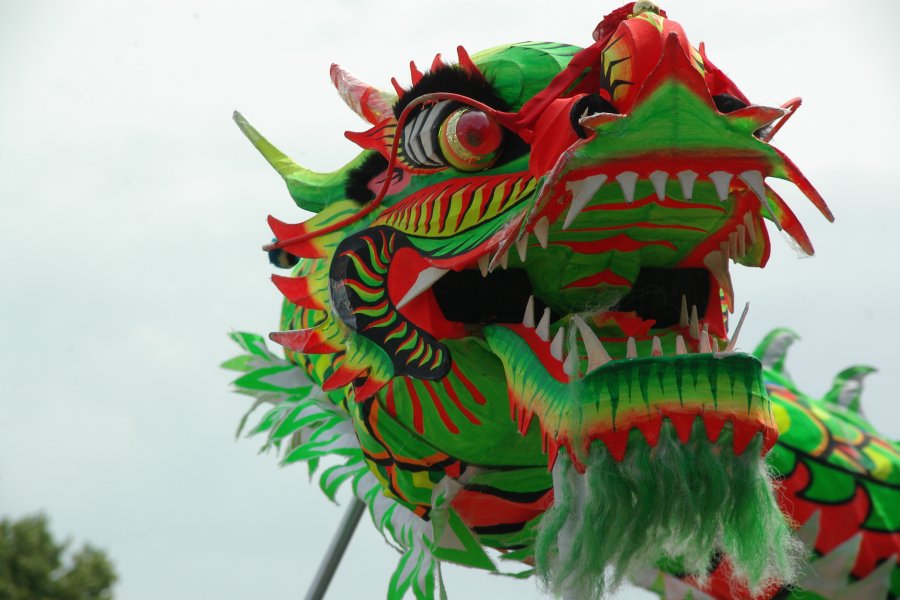 Dragon danceA long dragon puppet on poles, danced by a team at Chinese New Year and other festivals
 RaraA Haitian street music of bamboo trumpets and drums, played in the Easter season
Good reading and sources
The facts on this page come from the Wikipedia article "Old time fiddle", written by its contributors and used under the CC BY-SA 4.0 licence, and from its Wikidata record (CC0). EveryParampara rewrote the text in its own words, with AI assistance, and compares every page with the article to make sure no passage is copied. It may be reused under the same CC BY-SA 4.0 licence with a link back.
It may contain mistakes. Traditions differ from one family, village and community to the next, and the people who keep them know them best. If something is wrong, tell us. Last refreshed 2026-10-07.
More from the United States
All the traditions of the United States
🇵🇭 Palo, Philippines and 1 moreTinikling
A Philippine folk dance where dancers step between clapping bamboo polesPerformance
🇨🇳 China and 3 moreDragon dance舞龍 / 舞龙
A long dragon puppet on poles, danced by a team at Chinese New Year and other festivalsPerformance
🇭🇹 Haiti and 1 moreRara
A Haitian street music of bamboo trumpets and drums, played in the Easter seasonPerformance
The same idea elsewhere
All of this kind 🇹🇷 Kayseri, Turkey and 4 moreHalay
A traditional line and circle folk dance kept across Turkey, Azerbaijan, Armenia, Iran, and Syria.Performance
🇧🇷 BrazilBaião
A syncopated folk rhythm and partnered dance from northeastern BrazilPerformance
🇹🇷 Kayseri, Turkey and 4 moreHalay
A traditional line and circle folk dance kept across Turkey, Azerbaijan, Armenia, Iran, and Syria.Performance
🇧🇷 BrazilBaião
A syncopated folk rhythm and partnered dance from northeastern BrazilPerformance
 🇺🇦 Kyiv, UkraineBanduraБандура
A Ukrainian plucked string instrument played to accompany epic songs and folk balladsPerformance
🇺🇦 Kyiv, UkraineBanduraБандура
A Ukrainian plucked string instrument played to accompany epic songs and folk balladsPerformance
 🇳🇿 Auckland, New ZealandPoi
A Māori performing art of swinging tethered weights in rhythmical patterns.Performance
🇳🇿 Auckland, New ZealandPoi
A Māori performing art of swinging tethered weights in rhythmical patterns.Performance