Music, dance and storytellingLatin America and the Caribbean
Rake-and-scrape
A traditional Bahamian music style featuring saws, guitars and drums.
Rake-and-scrape is a traditional music genre from The Bahamas. It blends African rhythms with European melodies. The sound relies on distinctive instruments like the hand saw and guitar.
Rake-and-scrape stands as a core musical tradition in The Bahamas. It shares cultural space with Junkanoo while offering a distinct rhythmic identity. This genre weaves together African and European influences to create a unique Caribbean sound.
Origins and history
Some people suggest this style arrived via immigrants from Turk and Caicos during the nineteen twenties. Historical records do not support this claim. Earlier texts prove the music existed locally long before that period. Frank Wilson wrote about Nassau in eighteen sixty four. He described the sound of a lute competing with the noise of a rasp and saw. A later newspaper account from eighteen seventy eight mentioned musicians playing for a wedding feast. They used a tom tom, a hollow log scraper and a pipe. These documents show the genre was established in the nineteenth century.
Instruments and sound
The music uses a specific set of tools to generate its rhythm. A hand saw is scraped with a knife or bow to create a sharp metallic tone. Guitars provide the chordal foundation. Drums keep the beat steady. Banjos and accordions are also common additions. The style combines these elements to form a lively dance tune. It relates to other Caribbean forms but maintains its own character. Quadrille and church hymns influenced its development alongside Junkanoo traditions.
Cultural role
This music accompanies social gatherings and celebrations across the islands. It serves as a soundtrack for community events and personal milestones. Musicians play for weddings and local feasts. The sound connects the past to the present through continuous performance. It remains a vital part of the national identity alongside more widely known styles. The genre reflects the diverse heritage of the Bahamian people through its blended sounds.
How Rake-and-scrape is kept
Musicians gather to play using guitars, drums, banjos, accordions and hand saws. The saw is scraped to produce a rhythmic scrape. The group performs at social gatherings and weddings. The music drives dancing and community celebration. Players maintain the style by passing down techniques through practice and performance.
When and where
The Bahamas is the home of rake-and-scrape. Nassau is a key location where the music has been documented since the nineteenth century.
What Rake-and-scrape means
The genre represents the blending of African and European cultures in the Bahamas. It shows how different musical traditions merged to create something new. The sound embodies the resilience and creativity of the local population.
Questions people ask about Rake-and-scrape
Where is Rake-and-scrape kept?
Rake-and-scrape belongs to the traditions of Bahamas, and is tied most closely to Nassau.
See also
 JunkanooA Caribbean masquerade festival of masked dancing, goatskin drumming, and cowbells
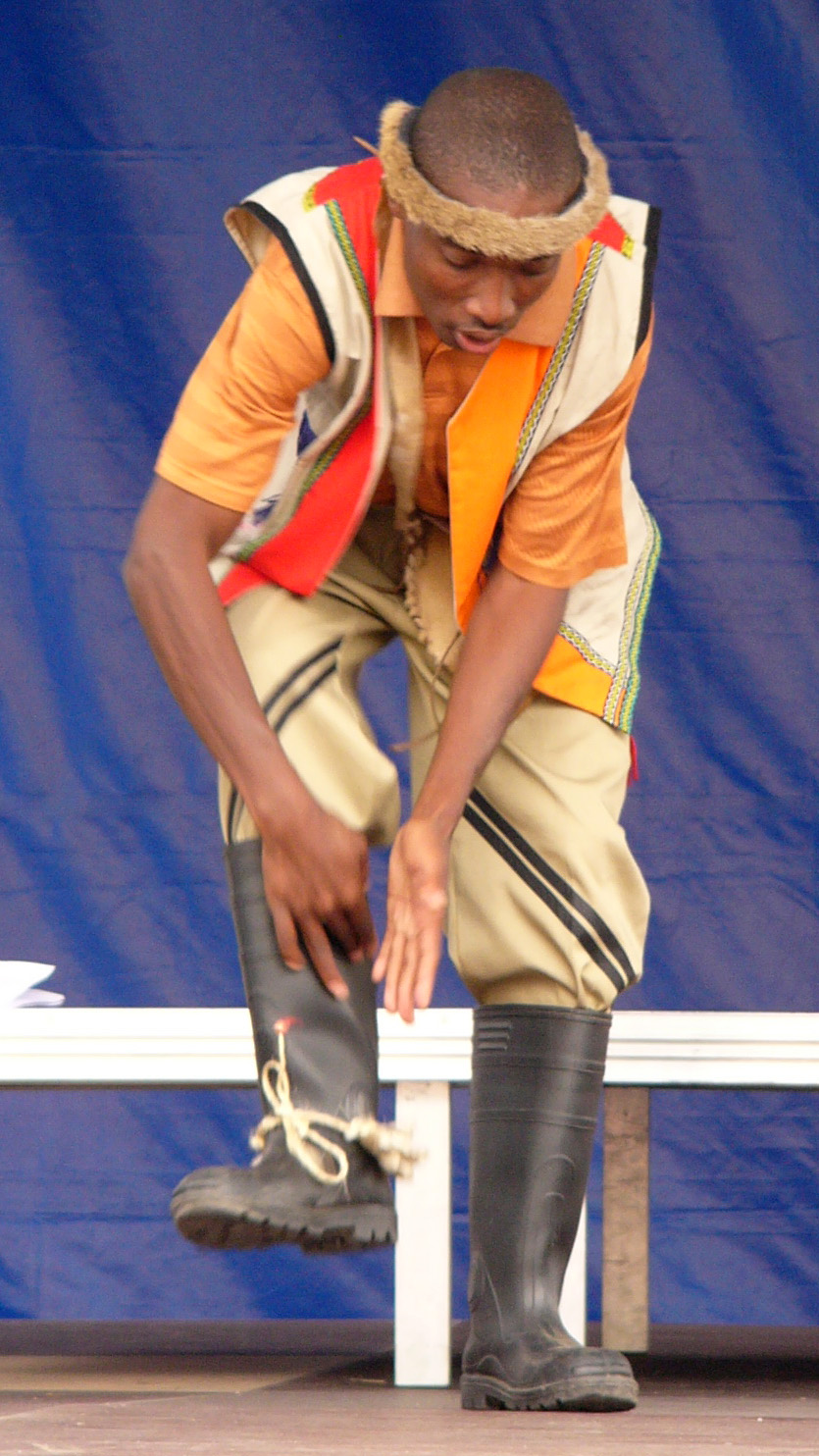 Gumboot danceA percussive South African dance born in the mines, performed in Wellington boots to communicate and celebrate.
 Morris danceA rhythmic English folk dance performed in costume with bells, sticks and handkerchiefsCuartetoAn upbeat partner dance and music tradition born in Córdoba, Argentina
Good reading and sources
The facts on this page come from the Wikipedia article "Rake-and-scrape", written by its contributors and used under the CC BY-SA 4.0 licence, and from its Wikidata record (CC0). EveryParampara rewrote the text in its own words, with AI assistance, and compares every page with the article to make sure no passage is copied. It may be reused under the same CC BY-SA 4.0 licence with a link back.
It may contain mistakes. Traditions differ from one family, village and community to the next, and the people who keep them know them best. If something is wrong, tell us. Last refreshed 2026-10-04.
More from the Bahamas
All the traditions of the Bahamas
The same idea elsewhere
All of this kind 🇹🇷 Kayseri, Turkey and 4 moreHalay
A traditional line and circle folk dance kept across Turkey, Azerbaijan, Armenia, Iran, and Syria.Performance
🇹🇷 Kayseri, Turkey and 4 moreHalay
A traditional line and circle folk dance kept across Turkey, Azerbaijan, Armenia, Iran, and Syria.Performance
 🇳🇿 Auckland, New ZealandPoi
A Māori performing art of swinging tethered weights in rhythmical patterns.Performance
🇳🇿 Auckland, New ZealandPoi
A Māori performing art of swinging tethered weights in rhythmical patterns.Performance
 🇺🇦 Kyiv, UkraineBanduraБандура
A Ukrainian plucked string instrument played to accompany epic songs and folk balladsPerformance
🇺🇦 Kyiv, UkraineBanduraБандура
A Ukrainian plucked string instrument played to accompany epic songs and folk balladsPerformance
 🇵🇭 Philippines and 1 morePangalay
A traditional fingernail dance of the Tausūg and Bajau peoples in the Sulu Archipelago and Sabah.Performance
🇵🇭 Philippines and 1 morePangalay
A traditional fingernail dance of the Tausūg and Bajau peoples in the Sulu Archipelago and Sabah.Performance