Greetings, manners and hospitalitySouth AsiaHinduBuddhist
Removal of footwear indoors
The widespread custom of leaving outdoor shoes at the door for cleanliness and respect

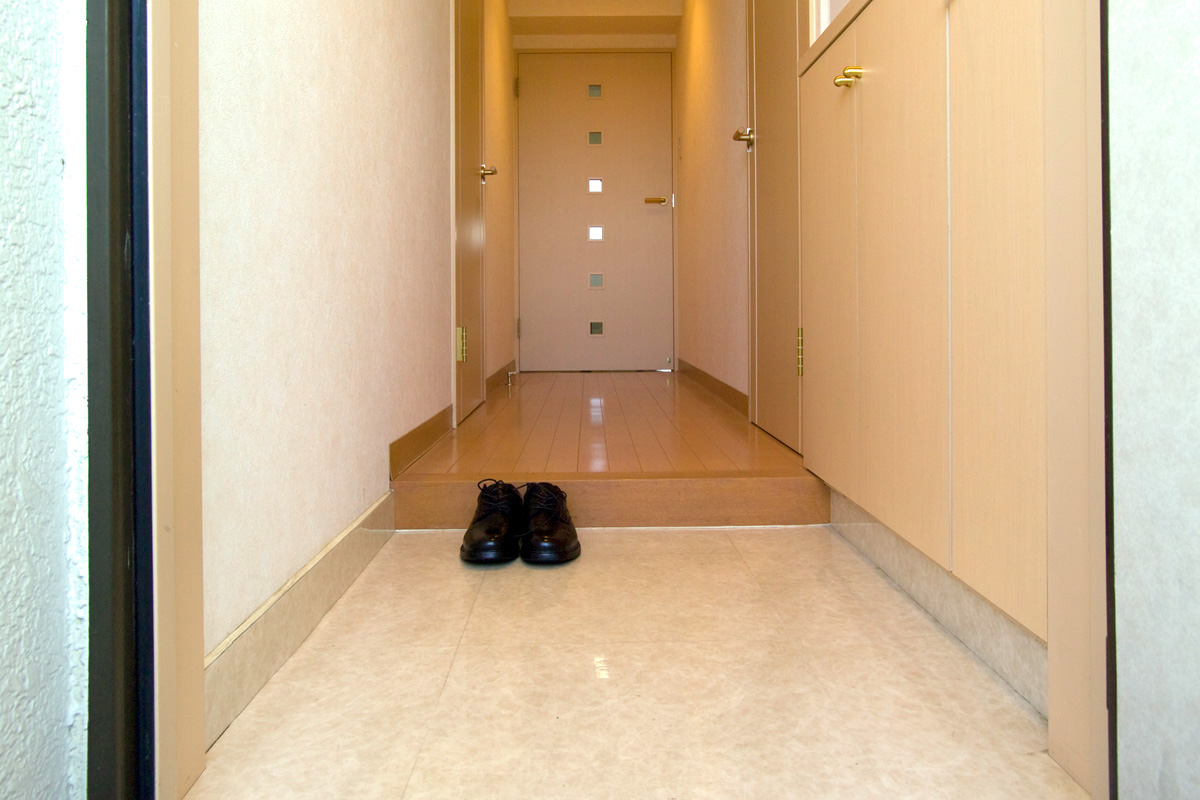
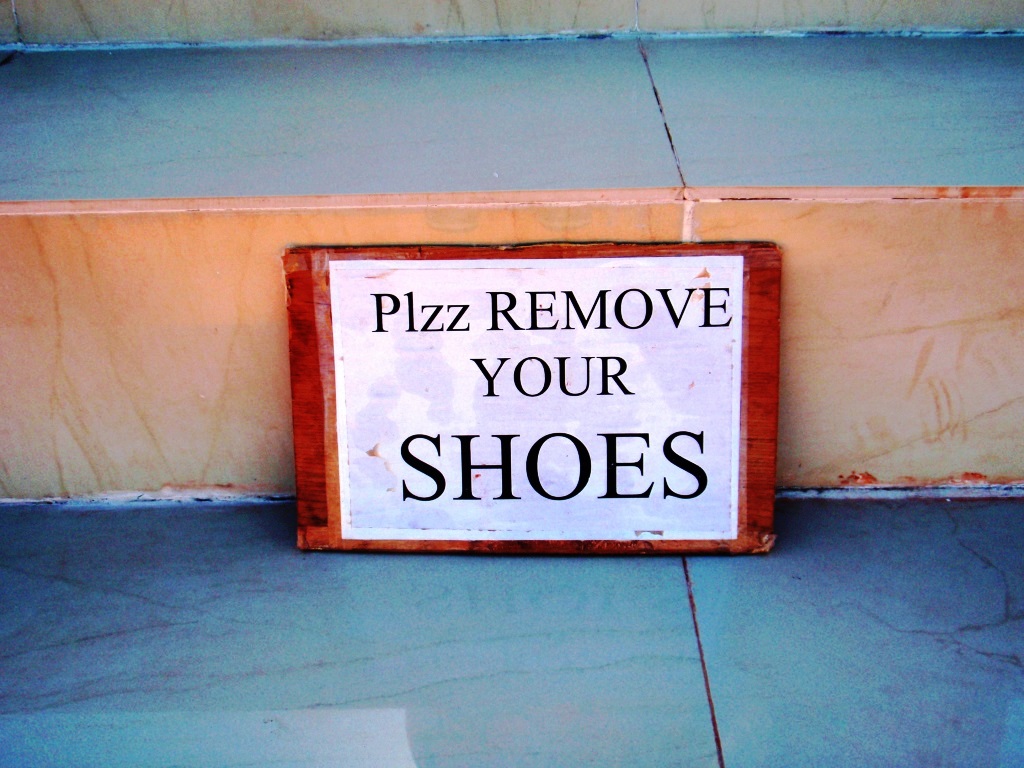
Taking off outdoor footwear upon entering a home or sacred space is a daily etiquette practiced across Asia, the Middle East, and beyond. People leave shoes at the threshold to preserve physical cleanliness, protect interior flooring, and show reverence inside houses of worship.
When is Removal of footwear indoors kept?
Removal of footwear indoors is kept on whenever entering a home, school, or sacred building.
Across many cultures, stepping inside a residence or sanctuary requires parting with outdoor footwear at the threshold. The practice keeps living spaces free from street dirt, bacteria, and grime while honouring the sacredness of religious spaces. From special entryways and dedicated indoor slippers in East Asia to strict customs in Buddhist pagodas and Islamic mosques, leaving shoes outside signifies domestic purity, hospitality, and spiritual reverence.
Sacred spaces and faith
In traditions originating across the Indian subcontinent and the Middle East, setting footwear aside before entering a temple, mosque, church, or synagogue is an established act of devotion. Outdoor soles carry dust and impurities from the street. By taking them off, worshippers acknowledge humility and cleanliness in the presence of the divine. Hinduism and Islam both place great emphasis on the purity of feet, regarding it as disrespectful to point feet towards individuals or sacred books. In Jewish ritual, priests remove their shoes during the Priestly Blessing. Buddhist monasteries and pagodas across Asia uphold strict shoe-free rules, where stepping barefoot across platforms marks religious respect.
Domestic routines across Asia
In Asian households, the front entrance marks a firm boundary between the untamed outside world and the clean interior. Japanese homes feature a sunken entryway called a genkan, where people swap outdoor footwear for indoor slippers known as uwabaki, using separate sandals for the washroom. In South Korea, visitors step out of their shoes at the hyun-gwan to walk in socks or bare feet across tidy floors. Throughout Southern Asia, including India and Pakistan, walking on indoor rugs requires bare feet to maintain hygiene. Failing to take off one's shoes when visiting someone's home is widely viewed as a breach of good manners.
Workplaces and classrooms
Shoe removal extends beyond private living rooms into civic and learning environments across Southeast Asia. In Malaysia, pupils take off their shoes before entering air-conditioned classrooms, scientific laboratories, and carpeted administrative offices, while keeping them on in open-air corridors and sports areas. Kindergarten schools in Vietnam, Thailand, and Iran routinely ask young children to leave footwear by the door. In Myanmar, commercial offices frequently designate shoe-free work areas, leaving footwear out in the hall. Certain Thai temple halls, such as the ubosot, and designated school buildings similarly require bare feet or special indoor sandals to preserve interior hygiene.
Historical and cultural divides
Shoe etiquette has occasionally sparked political tension. During British rule in Burma, colonial officials refused to shed their shoes on religious grounds, creating a diplomatic dispute known as the shoe question. This issue helped ignite Burmese nationalist movements, leading to legal bans on footwear at pagodas. In Western Europe, habits vary considerably. While shoe removal is traditional in Austria and Germany, it remains less frequent in Ireland or Italy, where wearing shoes indoors can be seen as courteous. In Britain and Australasia, younger generations and urban households increasingly adopt shoe-free rules at home.
How Removal of footwear indoors is kept
Upon arriving at the threshold of a house or sacred building, visitors and family members step out of their outdoor footwear. Shoes are placed neatly in entrance racks, built-in cabinets, or along the porch. In some countries, hosts provide dedicated house slippers or bathroom sandals for guests, while in others, people proceed in socks or bare feet. In places of worship such as pagodas, mandirs, and mosques, worshippers leave all footwear outside before stepping onto sanctified floors.
When and where
This custom is practiced daily throughout the year, every time a person crosses the threshold into a home, school, temple, or designated indoor space.
Shoe removal is standard practice across East, South, and Southeast Asia, the Middle East, and parts of Australasia and Europe. It is particularly universal in private homes, temples, and mosques.
What Removal of footwear indoors means
Taking off shoes marks a boundary between the soiled external environment and the pristine domestic or sacred interior. It represents cleanliness, modesty, and consideration for the host. In religious settings, baring one's feet signifies spiritual purification and reverence before the divine.


Questions people ask about Removal of footwear indoors
When is Removal of footwear indoors kept?
Removal of footwear indoors is kept on whenever entering a home, school, or sacred building.
Why do people remove their shoes before entering a home?
People take off shoes mainly for cleanliness and hygiene, preventing street grime, dirt, and bacteria from entering the living area. It is also an established gesture of politeness and respect toward the host.
Which religions require worshippers to take off their footwear?
Traditions originating in the Indian subcontinent and the Middle East, including Hinduism, Islam, and Buddhism, require worshippers to remove footwear before entering temples, mosques, and pagodas. Synagogues and churches in these regions have also observed the practice.
What footwear is worn inside Japanese and Korean homes?
In Japan, people change into indoor slippers called uwabaki at the entryway, using dedicated sandals for the toilet. In Korea, people leave shoes at the hyun-gwan and typically walk barefoot or in socks, using rubber slippers in the bathroom.
What was the shoe question in Myanmar?
The shoe question was a colonial-era conflict in Burma where British officials refused to take off their shoes at pagodas and the royal palace. Burmese nationalists successfully campaigned to legally prohibit footwear at sacred religious grounds.
See also
 NamasteA respectful greeting made with joined palms, spoken in South Asia and beyond
 ManoA Filipino greeting where a younger person bows and asks an elder for a blessing
Good reading and sources
The facts on this page come from the Wikipedia article "Removal of footwear indoors", written by its contributors and used under the CC BY-SA 4.0 licence, and from its Wikidata record (CC0). EveryParampara rewrote the text in its own words, with AI assistance, and compares every page with the article to make sure no passage is copied. It may be reused under the same CC BY-SA 4.0 licence with a link back.
It may contain mistakes. Traditions differ from one family, village and community to the next, and the people who keep them know them best. If something is wrong, tell us. Last refreshed 2026-10-06.
More from India
All the traditions of India
🇮🇳 IndiaNamasteनमस्ते
A respectful greeting made with joined palms, spoken in South Asia and beyondEtiquette
🇮🇳 IndiaPranamaप्रणाम
A traditional Indian gesture of reverent bowing, prostration, and touching the feetEtiquette
The same idea elsewhere
Hospitality and welcome compared 🇹🇷 Turkey and 5 moreEid al-Fitrعيد الفطر
The feast that ends Ramadan, opened with morning prayers, sweets and visits homeFestival · Feasts and festival meals
🇹🇷 Turkey and 5 moreEid al-Fitrعيد الفطر
The feast that ends Ramadan, opened with morning prayers, sweets and visits homeFestival · Feasts and festival meals
 🇮🇱 Jerusalem, IsraelSukkotסוכות
A seven-day autumn Jewish festival of temporary booths, harvest prayers and hospitalitySpiritual
🇮🇱 Jerusalem, IsraelSukkotסוכות
A seven-day autumn Jewish festival of temporary booths, harvest prayers and hospitalitySpiritual
 🇮🇱 Jerusalem, Israel and 1 morePurimפּוּרִים
A lively Jewish festival of storytelling, shared food, masks and charityFestival · Feasts and festival meals
🇮🇱 Jerusalem, Israel and 1 morePurimפּוּרִים
A lively Jewish festival of storytelling, shared food, masks and charityFestival · Feasts and festival meals
 🇳🇪 In-Gall, NigerCure Salée
A yearly gathering of Tuareg and Wodaabe nomads in In-Gall to mark the end of the rainy season.Festival
🇳🇪 In-Gall, NigerCure Salée
A yearly gathering of Tuareg and Wodaabe nomads in In-Gall to mark the end of the rainy season.Festival