Life-cycle ritesNorth AmericaChristian
Rumspringa
In its own language: Rumshpringa
An adolescent period of courtship and social exploration in Amish communities.
Rumspringa is an adolescent rite of passage among Amish and some Mennonite groups, beginning around age sixteen. Young people explore wider social life, attend Sunday singings, and eventually choose whether to be baptized into the church or depart from the community.
When is Rumspringa kept?
Rumspringa is kept during adolescence starting at age 16 or 17.
Rumspringa is a stage of adolescence observed in certain Amish and Mennonite communities. Beginning around age sixteen, it marks the time when young people enter a broader social sphere. During these years, youths take part in community gatherings and courtship before deciding whether to receive adult baptism in the church or step away from the community.
Courtship and social life
The Pennsylvania German word translates literally to running around. For Amish elders, this stage represents a normal transition toward courtship and marriage rather than an organized rebellion. Reaching sixteen allows youths to join regular Sunday evening singings, which serve as central gatherings for meeting future partners. Younger children who try to attend before their sixteenth year may playfully receive warm milk from a spoon to mark the boundary. In some districts, a young man marks this milestone by purchasing a courting buggy, while families with daughters of marriageable age historically painted their yard gates blue.
Rules and outside life
Because teenagers have not yet taken vows of baptism, they are not directly bound by church Ordnung, though parental rules still apply. Most young people stay close to their families and follow customary practices. A smaller number test outside boundaries by dressing in modern clothes, driving motorcars, or trying modern technology among non-Amish neighbors. These behaviors are generally handled with parental guidance, discipline, or forbearance. In larger settlements, teenagers often form distinct peer circles that range from traditional to more adventurous, whereas youths in smaller settlements tend to stay closer to traditional norms.
The baptismal choice
Rumspringa concludes when a young adult decides their future path. The Amish practice adult baptism, meaning each individual must voluntarily choose to embrace church commitments. Despite popular assumptions that young people abandon their roots in large numbers, the vast majority decide to stay. Between eighty-five and ninety percent of Amish teenagers ultimately request baptism and join the church fellowship. Those who do choose to leave may live among non-Amish society, though departing during this phase does not permanently bar someone from returning later to receive baptism.
How Rumspringa is kept
At age sixteen, or seventeen among Wenger Mennonites, teenagers enter adolescent social circles. They begin attending Sunday evening singings and social gatherings to meet prospective spouses. While living under parental authority, youths navigate social life and personal choices without formal church vows. Some may sample non-Amish clothing or pastimes, but most remain within standard household customs. The stage ends when the individual chooses either to take adult baptism and join the congregation or to leave the settlement.
When and where
Rumspringa begins when a youth reaches sixteen years of age, or seventeen among Wenger Mennonites. It continues through late adolescence until the young person either receives baptism or marries.
This custom is found across Amish and Wenger Mennonite settlements in the United States. It is observed in both large settlements in states such as Pennsylvania, Ohio, and Indiana, as well as smaller rural districts.
What Rumspringa means
To the community, this period represents the bridge between childhood and adult responsibility. Because Anabaptist faith requires an unforced, conscious choice to follow church disciplines, adolescents must mature enough to make a voluntary commitment. It offers a structured space for courtship and self-evaluation, allowing youths to understand the responsibilities of adult membership before taking their permanent baptismal vows.
Questions people ask about Rumspringa
When is Rumspringa kept?
Rumspringa is kept during adolescence starting at age 16 or 17.
What is Rumspringa?
Rumspringa is an adolescent period among Amish and some Mennonite communities that begins around age sixteen. It gives young people an opportunity to socialize, seek a marriage partner, and decide whether to join the church through adult baptism.
Where and when is it observed?
It takes place in Amish and Wenger Mennonite settlements across the United States, starting at age sixteen or seventeen. The period lasts throughout adolescence until an individual chooses baptism or leaves the community.
Do most Amish youth leave during Rumspringa?
No. The vast majority of youths remain within the community. Between eighty-five and ninety percent of Amish teenagers choose to receive adult baptism and become full church members.
What happens at Sunday singings?
Sunday night singings are regular community gatherings where youth sing and socialize. These events play a central role in courtship, allowing young adults to meet prospective marriage partners.
See also
 Rite of passageA ceremony that marks leaving one group and entering another, with a new status
 Line-crossing ceremonyA naval initiation rite marking a sailor's first voyage across the equator
 Sweet sixteenA North American coming-of-age celebration marking a sixteenth birthday
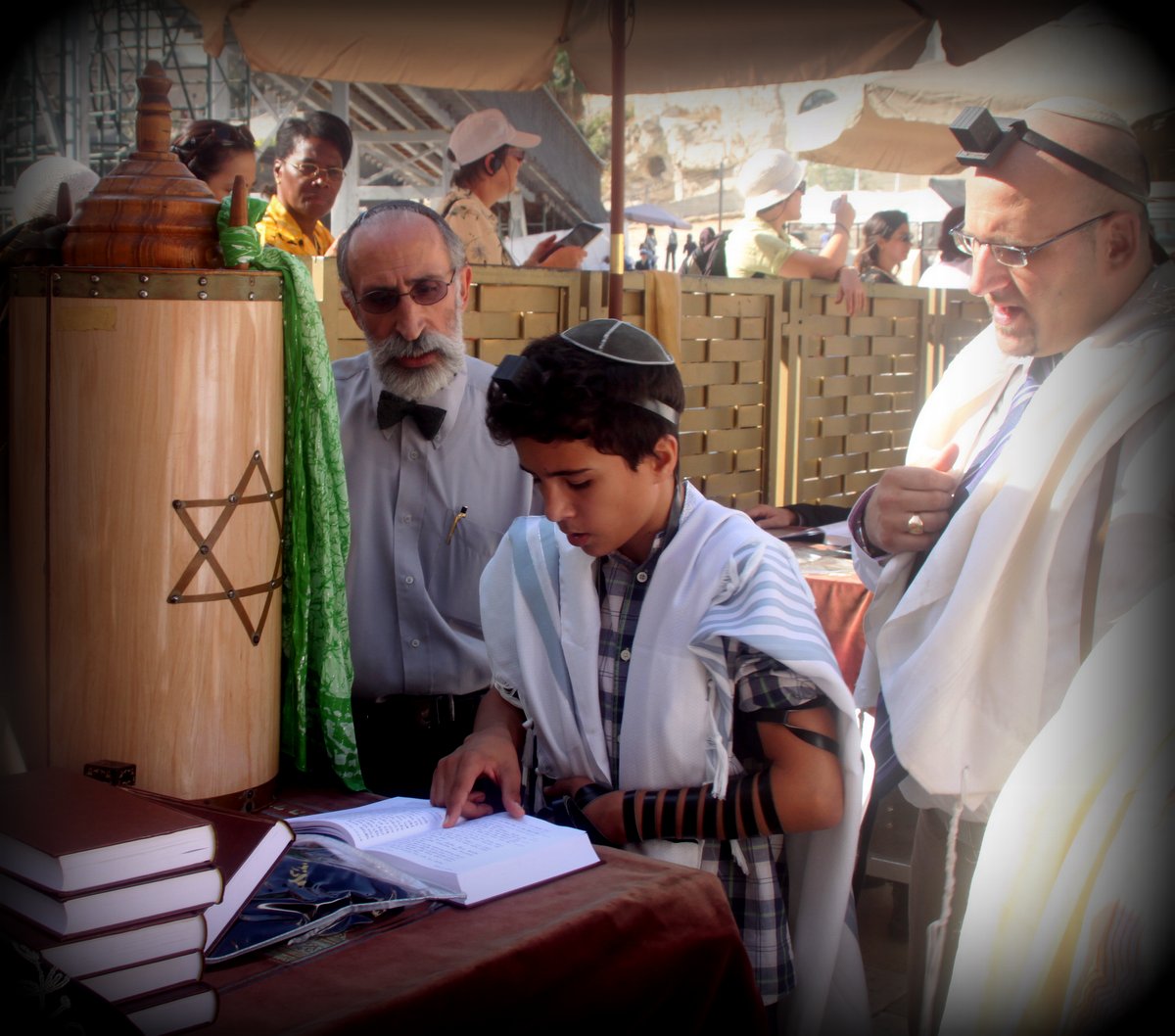 Bar and bat mitzvahA Jewish rite of passage marking when youth reach adulthood and take responsibility for their own actions.
Good reading and sources
The facts on this page come from the Wikipedia article "Rumspringa", written by its contributors and used under the CC BY-SA 4.0 licence, and from its Wikidata record (CC0). EveryParampara rewrote the text in its own words, with AI assistance, and compares every page with the article to make sure no passage is copied. It may be reused under the same CC BY-SA 4.0 licence with a link back.
It may contain mistakes. Traditions differ from one family, village and community to the next, and the people who keep them know them best. If something is wrong, tell us. Last refreshed 2026-10-06.
More from the United States
All the traditions of the United States
🇺🇸 United States and 5 moreRite of passage
A ceremony that marks leaving one group and entering another, with a new statusRite of passage
🇮🇱 Jerusalem, Israel and 5 moreBar and bat mitzvahבַּר מִצְוָה / בַּת מִצְוָה
A Jewish rite of passage marking when youth reach adulthood and take responsibility for their own actions.Rite of passage · Feasts and festival meals
🇺🇸 United States and 1 moreSweet sixteen
A North American coming-of-age celebration marking a sixteenth birthdayRite of passage
🇺🇸 United States and 4 moreLine-crossing ceremony
A naval initiation rite marking a sailor's first voyage across the equatorRite of passage
The same idea elsewhere
Coming of age compared 🇪🇬 Egypt and 5 moreTraditional tattooing
The ancient custom of marking the skin for protection, healing, status and sacred ritesDress
🇪🇬 Egypt and 5 moreTraditional tattooing
The ancient custom of marking the skin for protection, healing, status and sacred ritesDress
 🇼🇸 Samoa and 1 morePeʻa
The traditional Samoan rite of full-body tattooing for men, tapped by master artistsRite of passage
🇼🇸 Samoa and 1 morePeʻa
The traditional Samoan rite of full-body tattooing for men, tapped by master artistsRite of passage
 🇵🇬 Maprik, Papua New GuineaHaus Tambaran
A sacred house of the Sepik peoples, used for ancestor worship and male initiationSpiritual
🇵🇬 Maprik, Papua New GuineaHaus Tambaran
A sacred house of the Sepik peoples, used for ancestor worship and male initiationSpiritual
 🇮🇱 IsraelTallitטלית
A four-cornered Jewish prayer shawl with ritual fringes worn during worshipSpiritual
🇮🇱 IsraelTallitטלית
A four-cornered Jewish prayer shawl with ritual fringes worn during worshipSpiritual