Life-cycle ritesNorth AmericaSecular and civic
Line-crossing ceremony
A naval initiation rite marking a sailor's first voyage across the equator

The line-crossing ceremony is a seafaring rite of passage held aboard ships when crew or passengers cross the earth's equator for the first time. Veteran sailors, known as Shellbacks, dress as King Neptune and his court to test and induct first-time voyagers through playful and chaotic shipboard trials.
When is Line-crossing ceremony kept?
Line-crossing ceremony is kept on when a vessel crosses the equator.
The line-crossing ceremony is a traditional rite of passage performed aboard naval and civilian vessels whenever a person crosses the equator for the first time. Organised by seasoned seafarers who have already made the crossing, the event welcomes newcomers into maritime fellowship through mock trials, theatrical costume, and water dousings. It remains an enduring custom across navies and merchant fleets worldwide to boost morale and commemorate a nautical milestone.
Origins and sea lore
Seafaring lore suggests that line-crossing rituals evolved from early Mediterranean and Iberian customs of honoring passages past major headlands. By the late seventeenth century, records show French sailors on the ship Oiseau soaking novices in tubs or collecting silver exemptions to buy crew refreshments. During Captain James Cook's eighteenth-century Pacific expedition on HMS Endeavour, those who had not crossed the equator had to surrender wine rations or face three immersions in the ocean. In 1832 aboard HMS Beagle, naturalist Charles Darwin underwent a ritual where his face was coated in pitch and paint before he was plunged backward into a large bath.
The court and characters
The ceremony centers around a mythical maritime court staged by seasoned mariners. Initiated sailors are known as Shellbacks, Honorable Shellbacks, or Sons of Neptune, while novices are dubbed Pollywogs, griffins, or tadpoles. Senior crew members dress up to portray King Neptune, Queen Amphitrite, and Davy Jones. Ship departments often enter costume contests before proceedings begin. Novices are formally summoned by subpoenas to face mock interrogations and silly tests. The court also features characters such as Neptune's constables and the Royal Baby, whose greased belly initiates are often directed to kiss.
Rituals and modern changes
The event often begins the previous evening with Wog Day, a brief period of reversed roles where novices playfully capture veteran crew. On the main day, Pollywogs navigate obstacle courses, endure dousings with seawater, and face mock truth serums. Successful initiates receive commemorative certificates, and some choose tattoos of turtles or King Neptune. While historical crossings could be dangerously harsh, twentieth-century abuses led naval authorities to introduce strict rules against physical mistreatment. Today, the tradition focuses on morale, pageantry, and seafaring brotherhood across military and civilian fleets.
How Line-crossing ceremony is kept
The ritual typically unfolds over two days as a ship nears the equator. On the eve of crossing, uninitiated sailors briefly turn the tables during a mock revolt against the veterans. On the following day, senior crew members assemble in costume as King Neptune, Queen Amphitrite, and their attendants. Novices are summoned by subpoenas to face playful interrogations, costume contests, and messy obstacle courses on deck. After enduring water baths and maritime challenges, the initiates receive official certificates confirming their new status as trusted seafarers.
When and where
The event does not follow a calendar date. It takes place whenever a ship sails across the earth's equator at sea, whether on a scheduled naval deployment, a training voyage, or a civilian cruise.
The custom is observed on the open ocean across the globe. It is held on warships, merchant vessels, sail training crafts, and cruise liners from navies and maritime communities in North America, Europe, and the Commonwealth.
What Line-crossing ceremony means
The ceremony marks a transition from a maritime novice to an experienced mariner. Uninitiated travelers, known as Pollywogs or tadpoles, are ritually brought before the mythological ruler of the seas to prove their resilience. Earning the title of Shellback signifies acceptance into naval camaraderie, celebrating endurance on long ocean journeys and reinforcing bonds among the ship's company.


Questions people ask about Line-crossing ceremony
When is Line-crossing ceremony kept?
Line-crossing ceremony is kept on when a vessel crosses the equator.
What is a line-crossing ceremony?
It is an initiation ritual performed aboard ships to celebrate a person's first crossing of the equator. Seasoned crew members stage mock courts and trials to welcome novices into seafaring traditions.
Where does the ceremony take place?
The tradition is kept at sea on naval vessels, merchant ships, and civilian liners as they sail across the equator, across oceans around the world.
What are Shellbacks and Pollywogs?
In naval custom, sailors who have previously crossed the equator are called Shellbacks or Sons of Neptune. Uninitiated mariners are known as Pollywogs, griffins, or tadpoles until they complete the ritual.
What special titles exist for specific crossings?
Sailors crossing the equator at the 180th meridian become Golden Shellbacks. Crossing at the prime meridian earns the title of Emerald Shellback in the United States or Royal Diamond Shellback in Commonwealth navies.
See also
 Tribal youth dormitoryA communal house where a tribe's unmarried young people sleep, learn and serve
 Rite of passageA ceremony that marks leaving one group and entering another, with a new statusWalkaboutA rite of passage involving travel through the Australian landscape to learn ancestral lore.
 ConfirmationA Christian rite of laying on of hands that completes baptism and strengthens faith
Good reading and sources
- Line-crossing ceremony on WikipediaEncyclopedia
- More photos on Wikimedia CommonsPhotos and video
- Wikidata recordOpen data
The facts on this page come from the Wikipedia article "Line-crossing ceremony", written by its contributors and used under the CC BY-SA 4.0 licence, and from its Wikidata record (CC0). EveryParampara rewrote the text in its own words, with AI assistance, and compares every page with the article to make sure no passage is copied. It may be reused under the same CC BY-SA 4.0 licence with a link back.
It may contain mistakes. Traditions differ from one family, village and community to the next, and the people who keep them know them best. If something is wrong, tell us. Last refreshed 2026-10-06.
More from the United States
All the traditions of the United States
🇺🇸 United States and 5 moreRite of passage
A ceremony that marks leaving one group and entering another, with a new statusRite of passage
 🇺🇸 United States and 1 moreSweet sixteen
A North American coming-of-age celebration marking a sixteenth birthdayRite of passage
🇺🇸 United States and 1 moreSweet sixteen
A North American coming-of-age celebration marking a sixteenth birthdayRite of passage
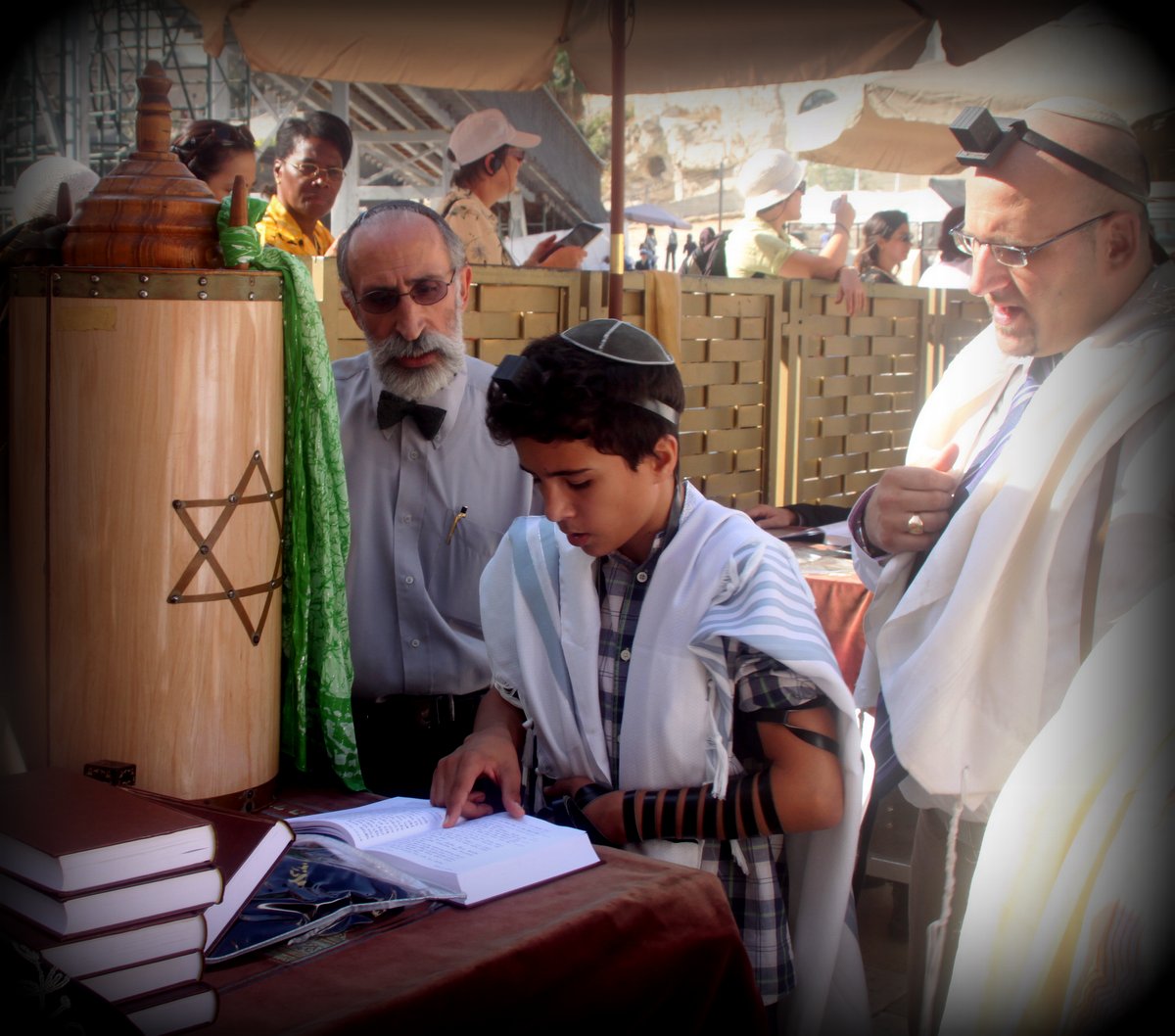 🇮🇱 Jerusalem, Israel and 5 moreBar and bat mitzvahבַּר מִצְוָה / בַּת מִצְוָה
A Jewish rite of passage marking when youth reach adulthood and take responsibility for their own actions.Rite of passage · Feasts and festival meals
🇺🇸 United StatesRumspringaRumshpringa
An adolescent period of courtship and social exploration in Amish communities.Rite of passage
🇮🇱 Jerusalem, Israel and 5 moreBar and bat mitzvahבַּר מִצְוָה / בַּת מִצְוָה
A Jewish rite of passage marking when youth reach adulthood and take responsibility for their own actions.Rite of passage · Feasts and festival meals
🇺🇸 United StatesRumspringaRumshpringa
An adolescent period of courtship and social exploration in Amish communities.Rite of passage
The same idea elsewhere
Coming of age compared 🇪🇬 Egypt and 5 moreTraditional tattooing
The ancient custom of marking the skin for protection, healing, status and sacred ritesDress
🇪🇬 Egypt and 5 moreTraditional tattooing
The ancient custom of marking the skin for protection, healing, status and sacred ritesDress
 🇼🇸 Samoa and 1 morePeʻa
The traditional Samoan rite of full-body tattooing for men, tapped by master artistsRite of passage
🇼🇸 Samoa and 1 morePeʻa
The traditional Samoan rite of full-body tattooing for men, tapped by master artistsRite of passage
 🇵🇬 Maprik, Papua New GuineaHaus Tambaran
A sacred house of the Sepik peoples, used for ancestor worship and male initiationSpiritual
🇵🇬 Maprik, Papua New GuineaHaus Tambaran
A sacred house of the Sepik peoples, used for ancestor worship and male initiationSpiritual
 🇮🇱 IsraelTallitטלית
A four-cornered Jewish prayer shawl with ritual fringes worn during worshipSpiritual
🇮🇱 IsraelTallitטלית
A four-cornered Jewish prayer shawl with ritual fringes worn during worshipSpiritual