Festivals and celebrationsSub-Saharan Africa
Rusinga Cultural Festival
Two December days of Suba music, boat races and food on Rusinga Island in Kenya
An annual two-day gathering on Rusinga Island in Kenya that celebrates the culture of the Abasuba people, from music and wrestling to boat races and traditional cooking. It was founded by Anne Eboso and is run through the Chula Cultural Foundation, with Suba families taking a leading hand in organising it.
When is Rusinga Cultural Festival kept?
Rusinga Cultural Festival is kept on once a year for two days in December, on the Thursday and the Friday that fall immediately ahead of Christmas.
Every December, Rusinga Island in Lake Victoria hosts a two-day festival that puts Abasuba culture on show. There is music in the Suba language, wrestling, tug-of-war, boat races paddled by hand, and food cooked the traditional way. Founded by Anne Eboso and run through the Chula Cultural Foundation, it gives the Abasuba community a stage of its own and a chance to talk about the issues it faces.
What it is
A mixed festival, meaning it brings together more than one kind of celebration rather than a single event. Music, sport, art and traditional Suba cooking are the main draws, and a street procession goes through the island to call residents to the festival grounds. Abasuba families living on Rusinga and Mfangano islands, and other Suba-speaking people around Lake Victoria, are the hosts. Attendance is free and open to all ages. The organisers say high numbers come because community members themselves prepare, manage and run the event.
Music and sport
Performers range from cultural troupes to Abasuba groups, and both older and newer styles of music are played. Traditional pieces are sung in Subanese. Just before the boat races, the crowd moves from the festival grounds down to the water, led by music and dancing. The races use boats driven by people, not engines: each crew has seven members, six paddling and one steering, and women race in their own category. Wrestling, known as Eminyiika, and Ajua, a tug-of-war, are also contested, along with smaller games such as board games.
Food and objects
Food is one of the festival's four main features. Visitors find both modern dishes and traditional Suba cooking. Some of the older recipes take a long time to prepare and are served for only a short window, usually on the first day: meats cooked in the traditional manner, vegetables and other dishes. Alongside the food, clay work, woodwork and objects from everyday Abasuba life are put on display. The point of all of it is to keep Abasuba ways alive and visible, and to pass them on.
Why it began
The Abasuba live on Rusinga and Mfangano islands, on the Kenyan side of Lake Victoria. Their culture is under strain: neighbouring Luo communities, intermarriage and assimilation have all had an effect. Suba is counted among Kenya's threatened languages, and UNESCO rates it vulnerable, one of thirteen in the country named in its survey of languages at risk. The festival also takes on problems inside the community. One is the practice of sex for fish, which organisers say works against efforts to slow the spread of HIV. Discussions at the festival cover health and sanitation, banking and social protection as well.
Today and change
The festival is paid for by partners and sponsors, including government departments, companies and embassies, with support in money and in kind. The Chula Cultural Foundation administers it. News about it travels through radio, television and digital channels, and it has grown with steady publicity. A boat library serves readers and doubles as a safe place to talk about difficult subjects. Organisers work with travel firms on tours of Rusinga, Takawiri and Mfangano islands. Interest from Kenyan and overseas visitors has grown, and the festival has brought wider attention to travel in western Kenya.
How Rusinga Cultural Festival is kept
The two days open with a street procession that moves through Rusinga Island and invites people to the grounds. Inside, visitors walk past displays of clay and woodwork and stalls of Suba cooking, with the slow-cooked dishes mostly gone by the end of day one. Music runs throughout, from troupes to contemporary acts. Sports draw the biggest crowds: wrestling, Ajua tug-of-war, board games and, as the highlight, hand-paddled boat races. Before each race, performers and spectators move together to the lake shore with music and dancing. Community members handle the preparation, management and running of the whole event.
When and where
It comes once a year and lasts two days. Those days are the Thursday and the Friday that fall immediately ahead of Christmas, so the festival sits in the middle of December. The date is not fixed to a set number, since it follows the weekday. It is always on Rusinga Island.
Rusinga Island is its home, in the Kenyan part of Lake Victoria. The culture it honours belongs to the Abasuba, who live mostly on Rusinga and Mfangano islands. Suba-speaking communities elsewhere around the lake take part too. During the festival, organisers arrange tours to Rusinga, Takawiri and Mfangano islands for those who want to see more of the lake.
What Rusinga Cultural Festival means
For the Abasuba, the festival is a way of holding on to a culture that has been thinning under pressure from a larger neighbour. Language, music, food, crafts and games are all brought out and shown to children who might otherwise meet them only at home, if at all. The gathering also gives the community a place to raise hard subjects, from health to HIV to money, in the open. Taking part is itself a statement that Suba ways matter and are worth keeping.
Questions people ask about Rusinga Cultural Festival
When is Rusinga Cultural Festival kept?
Rusinga Cultural Festival is kept on once a year for two days in December, on the Thursday and the Friday that fall immediately ahead of Christmas.
What is the Rusinga Cultural Festival?
It is a two-day annual festival that celebrates Abasuba culture on Rusinga Island in Kenya. Music, sport, art and traditional Suba food are its main features, and a street procession invites island residents to the grounds. It was founded by Anne Eboso and is administered by the Chula Cultural Foundation.
Who takes part?
The Abasuba community, who live mainly on Rusinga and Mfangano islands on the Kenyan side of Lake Victoria. Community members do much of the preparing and running. There is no age limit and no entry fee, so residents and visitors from elsewhere in Kenya and abroad can attend.
Why does the festival exist?
Abasuba culture faces pressure from the neighbouring Luo community through intermarriage and assimilation, and the Suba language is rated vulnerable by UNESCO, one of thirteen threatened languages in Kenya. The festival works to preserve and promote that culture and gives the community a forum for health, HIV and other concerns.
What can visitors see?
Traditional and contemporary music, wrestling called Eminyiika, Ajua tug-of-war, board games and hand-paddled boat races with separate crews for women. There are displays of clay and woodwork, plus Suba cooking, some of it prepared over long hours and served mostly on the first day.
See also
 PicnicA meal taken outdoors in a park or scenic spot, often shared with friends and family.World Festival of Black ArtsA recurring month-long gathering of arts, music and writing from Africa and its diaspora
 Swahili doorA carved wooden entrance from the East African coast, adorned with metal studs and intricate motifs.
 Arbor DayAn annual secular observance dedicated to planting and caring for trees around the world
Good reading and sources
The facts on this page come from the Wikipedia article "Rusinga (Cultural) Festival", written by its contributors and used under the CC BY-SA 4.0 licence, and from its Wikidata record (CC0). EveryParampara rewrote the text in its own words, with AI assistance, and compares every page with the article to make sure no passage is copied. It may be reused under the same CC BY-SA 4.0 licence with a link back.
It may contain mistakes. Traditions differ from one family, village and community to the next, and the people who keep them know them best. If something is wrong, tell us. Last refreshed 2026-10-05.
More from Kenya
All the traditions of Kenya
🇫🇷 France and 4 morePicnic
A meal taken outdoors in a park or scenic spot, often shared with friends and family.Festival · Lunch
🇸🇳 Dakar, Senegal and 4 moreWorld Festival of Black ArtsFestival Mondial des Arts Nègres
A recurring month-long gathering of arts, music and writing from Africa and its diasporaFestival
 🇰🇪 KenyaLake Turkana Cultural FestivalTobong'u Lore
A spring gathering in northern Kenya celebrating indigenous cultures and promoting peace among lake communities.Festival
🇹🇿 Zanzibar City, Tanzania and 2 moreSwahili doorMlango wa Kiswahili
A carved wooden entrance from the East African coast, adorned with metal studs and intricate motifs.Craft
🇰🇪 KenyaLake Turkana Cultural FestivalTobong'u Lore
A spring gathering in northern Kenya celebrating indigenous cultures and promoting peace among lake communities.Festival
🇹🇿 Zanzibar City, Tanzania and 2 moreSwahili doorMlango wa Kiswahili
A carved wooden entrance from the East African coast, adorned with metal studs and intricate motifs.Craft
The same idea elsewhere
All of this kind 🇮🇹 Rome, Italy and 4 moreChristmas
A festival of Jesus's birth, kept on 25 December with gifts, lights and shared mealsFestival
🇮🇹 Rome, Italy and 4 moreChristmas
A festival of Jesus's birth, kept on 25 December with gifts, lights and shared mealsFestival
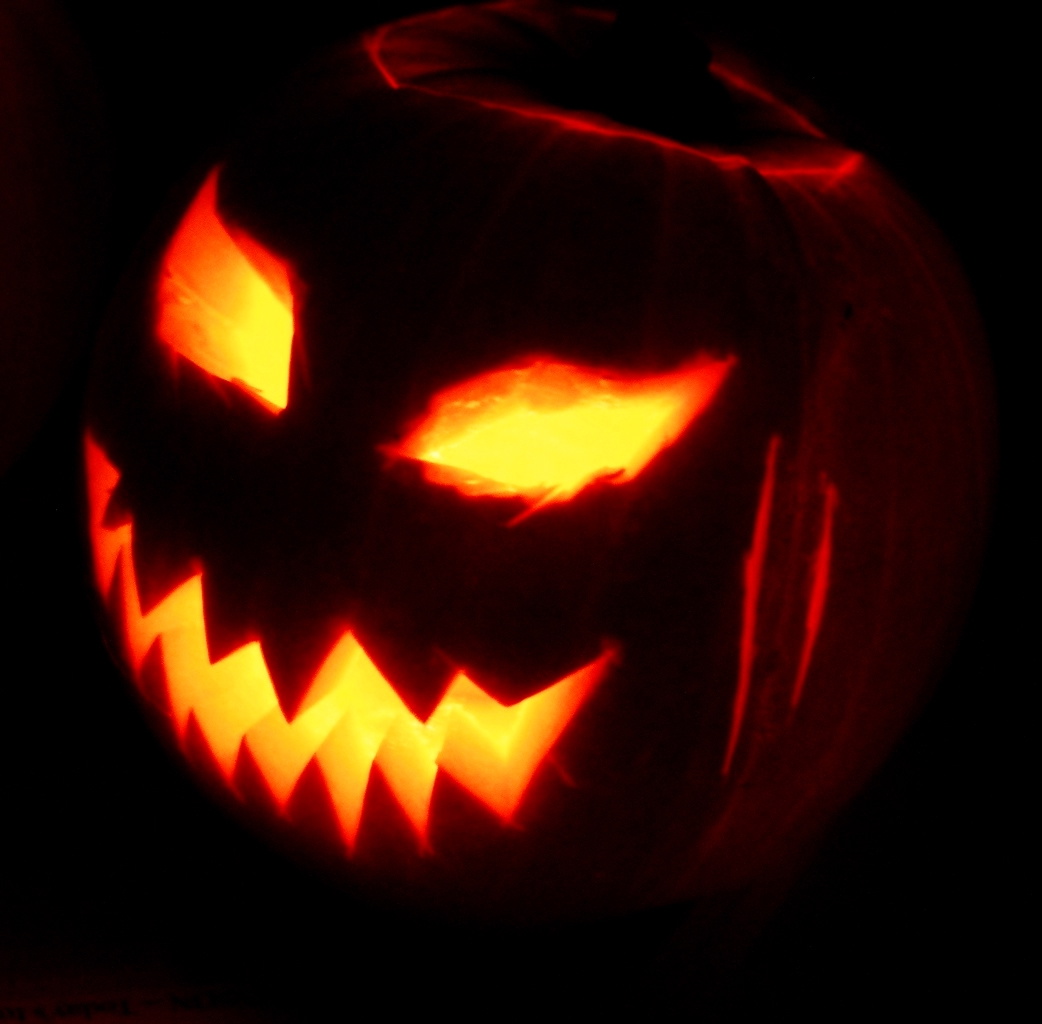 🇮🇪 Ireland and 5 moreHalloween
An annual observance on 31 October marking the eve of All Saints' Day, rooted in Christian tradition and Celtic heritageFestival · Sweets given and shared
🇮🇪 Ireland and 5 moreHalloween
An annual observance on 31 October marking the eve of All Saints' Day, rooted in Christian tradition and Celtic heritageFestival · Sweets given and shared
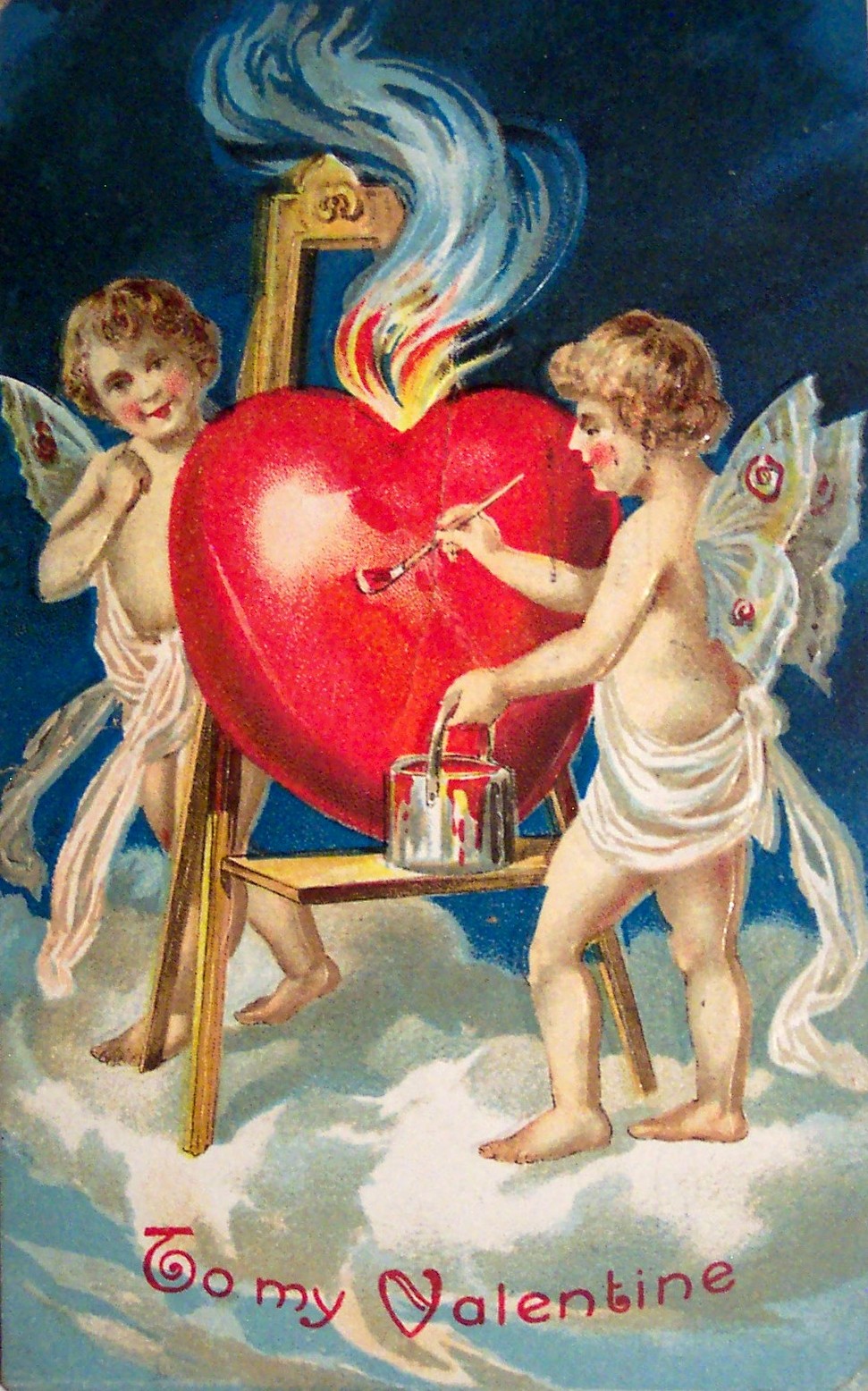 🇮🇹 Rome, Italy and 4 moreValentine's Day
A Christian feast day and cultural celebration of love kept on February 14 in many countries.Festival
🇮🇹 Rome, Italy and 4 moreValentine's Day
A Christian feast day and cultural celebration of love kept on February 14 in many countries.Festival
 🇹🇷 Turkey and 5 moreEid al-Fitrعيد الفطر
The feast that ends Ramadan, opened with morning prayers, sweets and visits homeFestival · Feasts and festival meals
🇹🇷 Turkey and 5 moreEid al-Fitrعيد الفطر
The feast that ends Ramadan, opened with morning prayers, sweets and visits homeFestival · Feasts and festival meals