Seasons, harvest and the calendarEuropeChristian
Seven Sleepers' Day
In its own language: Siebenschläfertag
A German feast day on June 27 where the weather predicts the next seven weeks of summer.

Seven Sleepers' Day is a traditional weather observance kept in German-speaking Europe. It commemorates a Christian legend about youths who slept in a cave for centuries. People believe the atmospheric conditions on this specific date determine the average summer weather for the following seven weeks.
When is Seven Sleepers' Day kept?
Seven Sleepers' Day is kept every year on June 27.
This day marks a long-standing tradition in Germany and surrounding regions. It blends religious commemoration with practical folk wisdom. Residents look to the sky on June 27 to forecast the season ahead. The practice remains one of the most recognizable weather proverbs in the area.
Origins and history
The custom stems from a story about seven young men who hid in a cave to escape persecution. They fell into a deep sleep that lasted for hundreds of years. This tale first appeared in writings around the sixth century and spread widely through medieval collections. The Catholic Church established June 27 as a feast day during the Crusades era. The name does not refer to the dormouse rodent, despite similar terminology in German. Islamic texts also tell a version of this cave story, noting a dog that kept watch over the sleepers.
Weather lore
The core belief holds that the weather on this single day sets the pattern for the next seven weeks. If it is sunny and warm, summer will likely follow suit. If rain falls, the season may remain wet and cool. This proverb is deeply embedded in the culture of German-speaking areas. Similar traditions exist elsewhere, such as Saint Swithun's Day in England or Saint Medardus' Day in France. These shared customs highlight a common desire to predict the unpredictable seasons.
Scientific accuracy
Modern meteorology considers the prediction method largely inaccurate. Scholars note that the calendar shifted by ten days during the sixteenth century reform. This means the original observation might have occurred in early July instead. Even adjusted, the correlation shows only a slight improvement in southern Germany. The climate in northern regions follows different patterns driven by oceanic influences. Atmospheric systems like jet streams and pressure zones vary too much for a single-day forecast to hold true.
How Seven Sleepers' Day is kept
People observe the day by checking the local weather conditions. Farmers and residents alike note whether the sun shines or clouds gather. They use these signs to anticipate the coming months. The tradition persists as a cultural touchstone rather than a scientific tool. Communities share the proverb and discuss the results throughout the summer.
When and where
It falls annually on June 27. The date was fixed by the Catholic Church during the Middle Ages. Some scholars argue the original observation belonged to early July due to calendar changes.
The tradition is strongest in Germany and other German-speaking regions. It appears less frequently in neighboring countries with similar weather lore. Northern Germany finds the rule less applicable due to its distinct climate.
What Seven Sleepers' Day means
The day represents a bridge between faith and nature. It honors ancient saints while acknowledging the power of the elements. The sleepers symbolize endurance and divine protection. The weather prediction reflects a human attempt to find order in seasonal chaos.
Questions people ask about Seven Sleepers' Day
When is Seven Sleepers' Day kept?
Seven Sleepers' Day is kept every year on June 27.
What is Seven Sleepers' Day?
It is a feast day on June 27 that combines a Christian legend with a famous weather proverb. The weather on this day is believed to predict the summer ahead.
Where is this tradition kept?
It is primarily observed in Germany and other German-speaking parts of Europe. Similar weather folklore exists in France, Hungary, and the Czech Republic.
Is the weather prediction accurate?
Scientific studies show it is not reliable. The calendar shift and varying climate patterns make the seven-week forecast largely coincidental rather than causal.
See also
 Advent wreathAn evergreen ring of candles lit week by week in the lead-up to Christmas
 May DayA traditional European festival welcoming summer with greenery, dances and bonfires
 Yule logA log kept burning on the hearth through the twelve days of Christmas, for luck
 Twelve Days of ChristmasA festive Christian liturgical season linking Christmas Day to the eve of Epiphany
Good reading and sources
The facts on this page come from the Wikipedia article "Seven Sleepers' Day", written by its contributors and used under the CC BY-SA 4.0 licence, and from its Wikidata record (CC0). EveryParampara rewrote the text in its own words, with AI assistance, and compares every page with the article to make sure no passage is copied. It may be reused under the same CC BY-SA 4.0 licence with a link back.
It may contain mistakes. Traditions differ from one family, village and community to the next, and the people who keep them know them best. If something is wrong, tell us. Last refreshed 2026-10-08.
More from Germany
All the traditions of Germany
🇩🇪 Hamburg, Germany and 2 moreAdvent wreathAdventskranz
An evergreen ring of candles lit week by week in the lead-up to ChristmasSeasonal
🇮🇪 Dublin, Ireland and 3 moreMay Day
A traditional European festival welcoming summer with greenery, dances and bonfiresSeasonal · Feasts and festival meals
🇬🇧 United Kingdom and 5 moreYule log
A log kept burning on the hearth through the twelve days of Christmas, for luckSeasonal
 🇦🇹 Austria and 4 moreAlmabtrieb
An Alpine autumn custom of leading decorated cattle from high pastures to valley barnsSeasonal · Feasts and festival meals
🇦🇹 Austria and 4 moreAlmabtrieb
An Alpine autumn custom of leading decorated cattle from high pastures to valley barnsSeasonal · Feasts and festival meals
The same idea elsewhere
All of this kind 🇮🇷 Iran and 7 moreNowruzنوروز
The Iranian new year at the March equinox, kept with fire, greenery and picnicsSeasonal
🇮🇷 Iran and 7 moreNowruzنوروز
The Iranian new year at the March equinox, kept with fire, greenery and picnicsSeasonal
 🇯🇵 JapanKadomatsu門松
A Japanese New Year gateway decoration of pine and bamboo where a visiting deity can restSeasonal
🇹🇭 ThailandThai solar calendarปฏิทินสุริยคติไทย
The official solar calendar of Thailand, numbered in the Buddhist EraSeasonal
🇯🇵 JapanKadomatsu門松
A Japanese New Year gateway decoration of pine and bamboo where a visiting deity can restSeasonal
🇹🇭 ThailandThai solar calendarปฏิทินสุริยคติไทย
The official solar calendar of Thailand, numbered in the Buddhist EraSeasonal
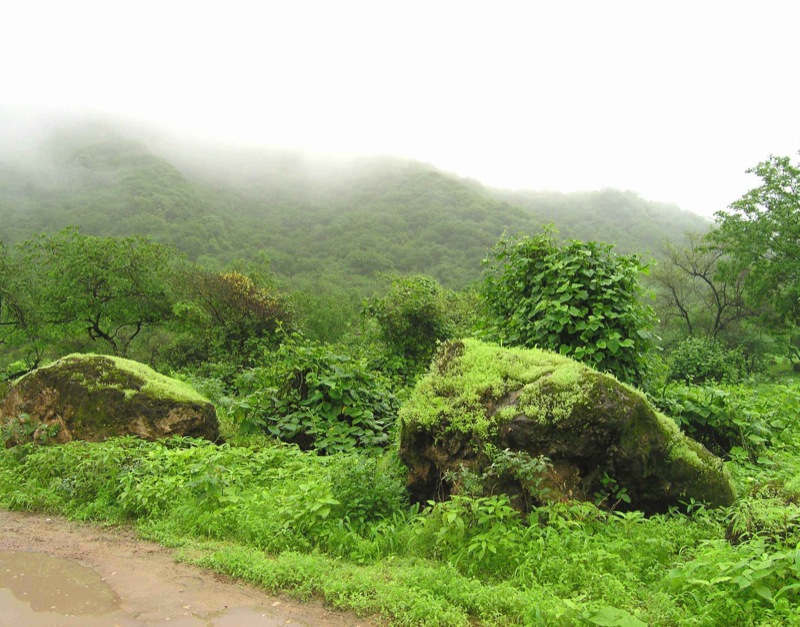 🇴🇲 Salalah, Oman and 3 moreKhareefخَرِيْف
The monsoon season of Dhofar and Al Mahrah, welcomed with a festival in SalalahSeasonal
🇴🇲 Salalah, Oman and 3 moreKhareefخَرِيْف
The monsoon season of Dhofar and Al Mahrah, welcomed with a festival in SalalahSeasonal