Seasons, harvest and the calendarEuropePagan and ancientChristian
May Day
A traditional European festival welcoming summer with greenery, dances and bonfires

May Day is a traditional European holiday celebrated on the first of May to mark the start of summer. Communities mark the seasonal shift by dancing around maypoles, lighting nighttime bonfires, crowning a May Queen, and gathering fresh flowers to decorate homes.
When is May Day in 2027?
May Day 2027 is on Saturday, 1 May 2027. Other years: 2026, Friday, 1 May 2026; 2028, Monday, 1 May 2028.
May Day marks the turning point between the spring equinox and midsummer, heralding the warmth of the coming summer. Rooted in seasonal rites, the day brings together communities to greet the greening of the earth. People take part in outdoor gatherings, raise decorated poles, light protective bonfires on the festival eve, and crown figures in flowers to welcome fertility and good fortune for the agricultural year ahead.
Origins and early rites
May celebrations reach back to classical antiquity. In ancient Rome, people honoured Flora, the goddess of flowers, during the multi-day Floralia with stage performances, floral offerings, and sacrificial rites. Another classical gathering, the Maiouma, featured nighttime torchlit revels and banquets in honour of Dionysus and Aphrodite. Across medieval northern and western Europe, rural folk embraced seasonal fires to safeguard crops and cattle. Celtic communities welcomed summer on Bealtaine by leading their herds between embers to ward off misfortune before driving them to upland pastures, while relighting household hearths from the community bonfire.
Folk customs and greenery
A central ritual of May Day involves collecting fresh foliage and blossoms, known as bringing in the May. Villagers construct tall maypoles strung with ribbons and fresh leaves, around which dancers weave intricate patterns. Many places select a May Queen to wear a garland of blooms, sometimes escorted by a folk character disguised entirely in leafy boughs. In parts of Ireland, families created a May Bush, decorating hawthorn branches with ribbons and polished eggshells, while German sweethearts secretly delivered ribbon-decked birch poles or laid out flower hearts on doorsteps overnight.
Evening fires and revelry
Festivities frequently commence on the night before, known as May Eve or Walpurgis Night in Germanic and Scandinavian lands. Massive outdoor fires are ignited on hillsides to drive away evil influences and lingering winter cold. In older Swedish lore, riders staged mock combats between personifications of Winter in furs and Summer clad in green. Scottish revellers gathered on hilltops or washed their faces in dawn dew on Arthur's Seat for health and beauty. Modern revivals continue these customs through communal fire pageants, night gatherings, and early-morning sea plunges.
Christian and modern observances
Over the centuries, religious and civic traditions blended with rural customs. Roman Catholic practice dedicated the entire month to the Virgin Mary, crowning statues of Mary with floral garlands in churches and classrooms. The Catholic calendar also established the feast of Saint Joseph the Worker on the first of May during the mid-twentieth century. In addition to church devotions, modern groups have revived historic pagan customs, celebrating the holiday as a seasonal religious rite alongside community fairs and morning celebrations.
How May Day is kept
Celebrations begin on May Eve with outdoor bonfires, music, and social gatherings. At daybreak, people head into woodlands and meadows to gather blooming branches and bathe their faces in morning dew. Communities raise a tall maypole adorned with bright streamers, and participants dance around it in circle patterns. A young local is often crowned May Queen amidst parades of greenery. In residential neighbourhoods, families leave small floral baskets anonymously on doorsteps, share festive meals, and celebrate the outdoor season.
When and where
May Day takes place annually on 1 May, halfway between the northern spring equinox and the summer solstice. Celebrations regularly begin at sunset on 30 April, a night known as May Eve or Walpurgis Night.
The festival is celebrated widely across Europe, notably in Ireland, Scotland, Wales, Germany, and Sweden, as well as parts of North America. Towns and rural villages host public maypole dances, hillside bonfires, and morning gatherings.
What May Day means
May Day represents the arrival of summer, fertility, and renewal after the cold months of winter. Fire ceremonies traditionally served to purify and shield livestock, crops, and households from harmful spirits. Fresh foliage and flower crowns symbolise blossoming nature, abundance, and the vitality of agricultural growth.
On the table
- Beltane bannocks


Days May Day is marked
May Day dates: 2026, 2027, 2028
| Year | May Day date |
|---|---|
| 2026 | Friday, 1 May 2026 |
| 2027 | Saturday, 1 May 2027 |
| 2028 | Monday, 1 May 2028 |
Questions people ask about May Day
When is May Day in 2027?
May Day 2027 is on Saturday, 1 May 2027. Other years: 2026, Friday, 1 May 2026; 2028, Monday, 1 May 2028.
What is May Day?
It is a traditional European holiday marking the start of summer. Celebrated with bonfires, flower gathering, and dance, it stems from ancient seasonal festivals like the Roman Floralia and Celtic Beltane.
What are the most common customs?
Key customs include dancing around a ribbon-decked maypole, crowning a May Queen, building outdoor bonfires, collecting fresh wildflowers, and decorating doorposts with leafy branches.
Is May Day the same as International Workers' Day?
No. Although both observances share the date of 1 May and the name May Day, International Workers' Day is a separate labour holiday with a distinct history from the ancient seasonal festival.
See also
 Mother's DayA worldwide annual celebration dedicated to mothers, maternal bonds and family care
 ImbolcA Gaelic festival heralding spring and honoring Saint Brigid with woven rush crosses
 LosarThe Tibetan Buddhist New Year festival of renewal, offerings, and family feasts
 ChristmasA festival of Jesus's birth, kept on 25 December with gifts, lights and shared meals
Good reading and sources
- Encyclopaedia BritannicaArticle
- BBC NEWS | UK | England | OxfordshireBBC, Article
- BBC NEWS | UK | England | OxfordshireBBC, Article
- May Day on WikipediaEncyclopedia
- More photos on Wikimedia CommonsPhotos and video
- Wikidata recordOpen data
The facts on this page come from the Wikipedia article "May Day", written by its contributors and used under the CC BY-SA 4.0 licence, and from its Wikidata record (CC0). EveryParampara rewrote the text in its own words, with AI assistance, and compares every page with the article to make sure no passage is copied. It may be reused under the same CC BY-SA 4.0 licence with a link back.
It may contain mistakes. Traditions differ from one family, village and community to the next, and the people who keep them know them best. If something is wrong, tell us. Last refreshed 2026-10-04.
More from Ireland
All the traditions of Ireland
🇮🇪 Ireland and 1 moreImbolcLá Fhéile Bríde
A Gaelic festival heralding spring and honoring Saint Brigid with woven rush crossesSeasonal · Feasts and festival meals
 🇮🇪 Uisneach, Ireland and 1 moreBeltaneBealtaine
A Gaelic first-of-summer festival of bonfires, May flowers and feasting on 1 MaySeasonal
🇮🇪 Uisneach, Ireland and 1 moreBeltaneBealtaine
A Gaelic first-of-summer festival of bonfires, May flowers and feasting on 1 MaySeasonal
 🇮🇪 Ireland and 2 moreEmber daysQuatuor Tempora
A quarterly Western Christian rhythm of fasting, prayer and seasonal thanksgivingSeasonal · Fasting and breaking the fast
🇮🇪 Ireland and 2 moreEmber daysQuatuor Tempora
A quarterly Western Christian rhythm of fasting, prayer and seasonal thanksgivingSeasonal · Fasting and breaking the fast
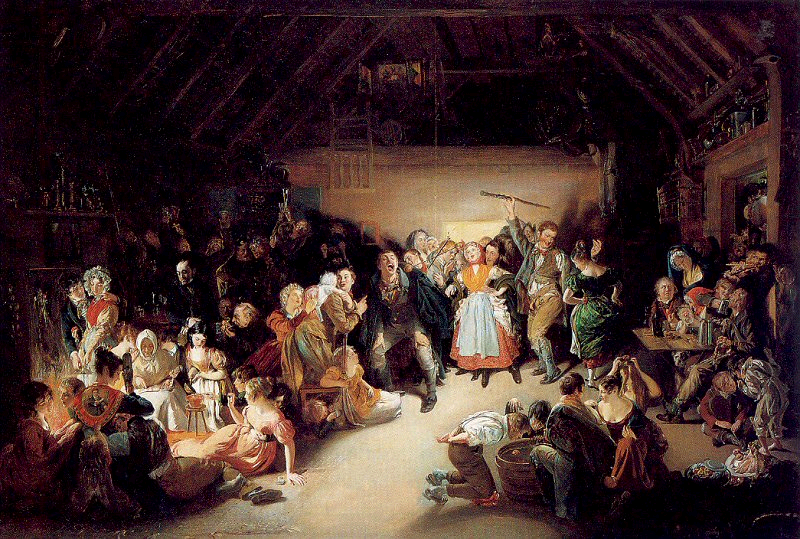 🇮🇪 Ireland and 1 moreSamhain
A Gaelic festival marking the start of winter with bonfires and ancestor feastsSeasonal · Feasts and festival meals
🇮🇪 Ireland and 1 moreSamhain
A Gaelic festival marking the start of winter with bonfires and ancestor feastsSeasonal · Feasts and festival meals
The same idea elsewhere
Spring and renewal compared
🇺🇸 United States and 5 moreMother's Day
A worldwide annual celebration dedicated to mothers, maternal bonds and family careHome
 🇮🇷 Iran and 7 moreNowruzنوروز
The Iranian new year at the March equinox, kept with fire, greenery and picnicsSeasonal
🇮🇷 Iran and 7 moreNowruzنوروز
The Iranian new year at the March equinox, kept with fire, greenery and picnicsSeasonal
 🇮🇱 Jerusalem, IsraelPassoverפסח
A Jewish spring festival celebrating freedom from slavery with ritual mealsSpiritual · Dinner
🇮🇱 Jerusalem, IsraelPassoverפסח
A Jewish spring festival celebrating freedom from slavery with ritual mealsSpiritual · Dinner
 🇮🇳 Mathura, India and 5 moreHoliहोली (Hindi)
A spring festival of colours and bonfires that marks the end of winter and the triumph of good over evil.Festival
🇮🇳 Mathura, India and 5 moreHoliहोली (Hindi)
A spring festival of colours and bonfires that marks the end of winter and the triumph of good over evil.Festival