Folklore and beliefEuropeChristian
Shamrock
In its own language: seamróg
A small three-leaved clover, worn in Ireland on St Patrick's Day as a national emblem
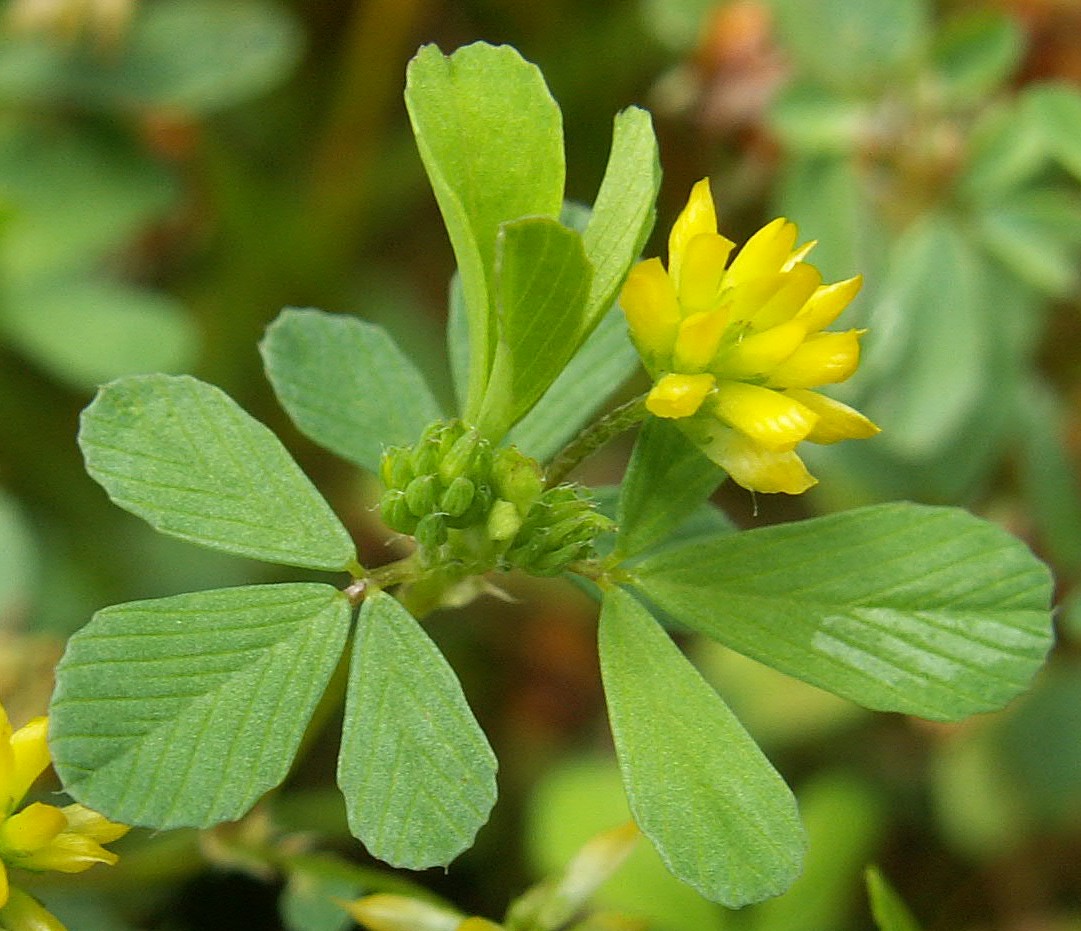
The shamrock is a small clover that serves as a symbol of Ireland. Its name comes from the Irish seamróg, meaning young clover, and a sprig is worn in a hat or on a coat on St Patrick's Day, 17 March, in memory of Saint Patrick, who is said to have used it to explain the Holy Trinity.
When is Shamrock marked?
Shamrock is kept as part of St Patrick's Day, which is on Wednesday, 17 March 2027.
The shamrock is a small clover, three leaves on one stem, and it is the plant emblem of Ireland. People pin it to a coat or a hat on St Patrick's Day, 17 March. Irish tradition links it to Saint Patrick, who is said to have used its three leaves to explain the Holy Trinity, though the earliest written account of that story comes much later.
What it is
The shamrock is a clover with three leaflets, and it stands for Ireland. The English word comes from seamróg, an Irish word meaning young clover; seamair is clover, and the ending makes it small. Two species are usually meant: lesser clover, called seamair bhuí, and white clover, seamair bhán. Other three-leaved plants are sometimes given the name as well, among them black medick, red clover and wood sorrel. The plant was once used for medicine, and it was a common decoration in Victorian times.
Which clover is it
There is no agreement on which species is the true shamrock. John Gerard, in a herbal of 1597, called it red clover, and the Irish botanist Caleb Threlkeld agreed in 1726. Carl Linnaeus named red clover too in 1737, repeating an old report that the Irish ate it to gain speed and strength. Two surveys tried to settle the question. Nathaniel Colgan, a clerk in Dublin, ran the first in 1893; E. Charles Nelson, then director of the Irish National Botanic Gardens, ran the second in 1988. Both asked people across Ireland to send in their shamrocks, which were grown on until they flowered and could be identified. Results barely changed across the century.
Saint Patrick and the Trinity
Tradition says Saint Patrick used the shamrock to explain the Holy Trinity to people in Ireland in the fifth century. The first sign of any link is an image, not a story: coins struck in 1675 and known as St Patrick's halfpennies show him preaching with a shamrock in his hand. Thomas Dineley, an English traveller, wrote in 1681 that people wore shamrocks on St Patrick's Day, but he said nothing about the Trinity. That teaching is found in writing only in 1726, in Caleb Threlkeld's book on Irish plants.
Wearing and drinking
On 17 March, St Patrick's Day, people in Ireland wear a shamrock. Thomas Dineley saw crosses in hats made of pins or green ribbon, and shamrocks worn as well. Caleb Threlkeld, writing later, noted the plant in hats on the same date and complained that the day usually ended in heavy drinking. His complaint points to a toast: St Patrick's Pot, otherwise called drowning the shamrock. After mass, men were released from the fasting rules of Lent, went to a tavern and drank to Patrick's memory. Two writers, around 1607 and 1630, seem to mention the custom.
Early English accounts
English readers first met the word in 1571, in Edmund Campion's book on Ireland, where shamrocks appear in a list of plants the Irish ate. Edmund Spenser repeated the claim in 1596, describing starving people in Munster after a rebellion who rushed to watercress or shamrocks as if to a feast. Fynes Moryson made a similar remark in 1617. Later scholars argued that these writers confused seamróg, young clover, with seamsóg, wood sorrel, a sour plant that really was eaten. Irish sources mention wood sorrel as food; they never mention clover.
How Shamrock is kept
A sprig of clover is picked or bought and worn on 17 March, in a hat or on a coat. Dineley's account from 1681 adds crosses made of pins or green ribbon. After mass on the day, men were excused from the Lenten fast, and the custom was to go to a tavern and drink a St Patrick's Pot. This toast is called drowning the shamrock, from dipping the small plant in whiskey before it is drunk.
When and where
It belongs to one fixed day, 17 March, St Patrick's Day. Thomas Dineley called it an immoveable feast, meaning the date never moves, unlike Easter. The wearing of the shamrock and the toasts that follow are tied to that one date each year.
The shamrock belongs to Ireland, where it is worn in at least thirteen counties, according to Britten and Holland's plant-name dictionary of 1878. Surveys in 1893 and 1988 gathered examples from all over the country. Sprigs were sold for the day at Covent Garden in London. The plant is not unique to Ireland: the species called shamrock also grow elsewhere in Europe.
What Shamrock means
For many people the shamrock means Ireland, and it carries the Christian meaning given to it in the story of Saint Patrick: three leaves, one plant, like three persons in one God. Jack Santino writes that whatever its older history as a folk symbol, its meaning today is Christian. Others are cautious. Patricia Monaghan says there is no evidence that clover or wood sorrel was sacred to the Celts, and Roger Homan suggests Patrick may have drawn on the visual idea of the triskele.


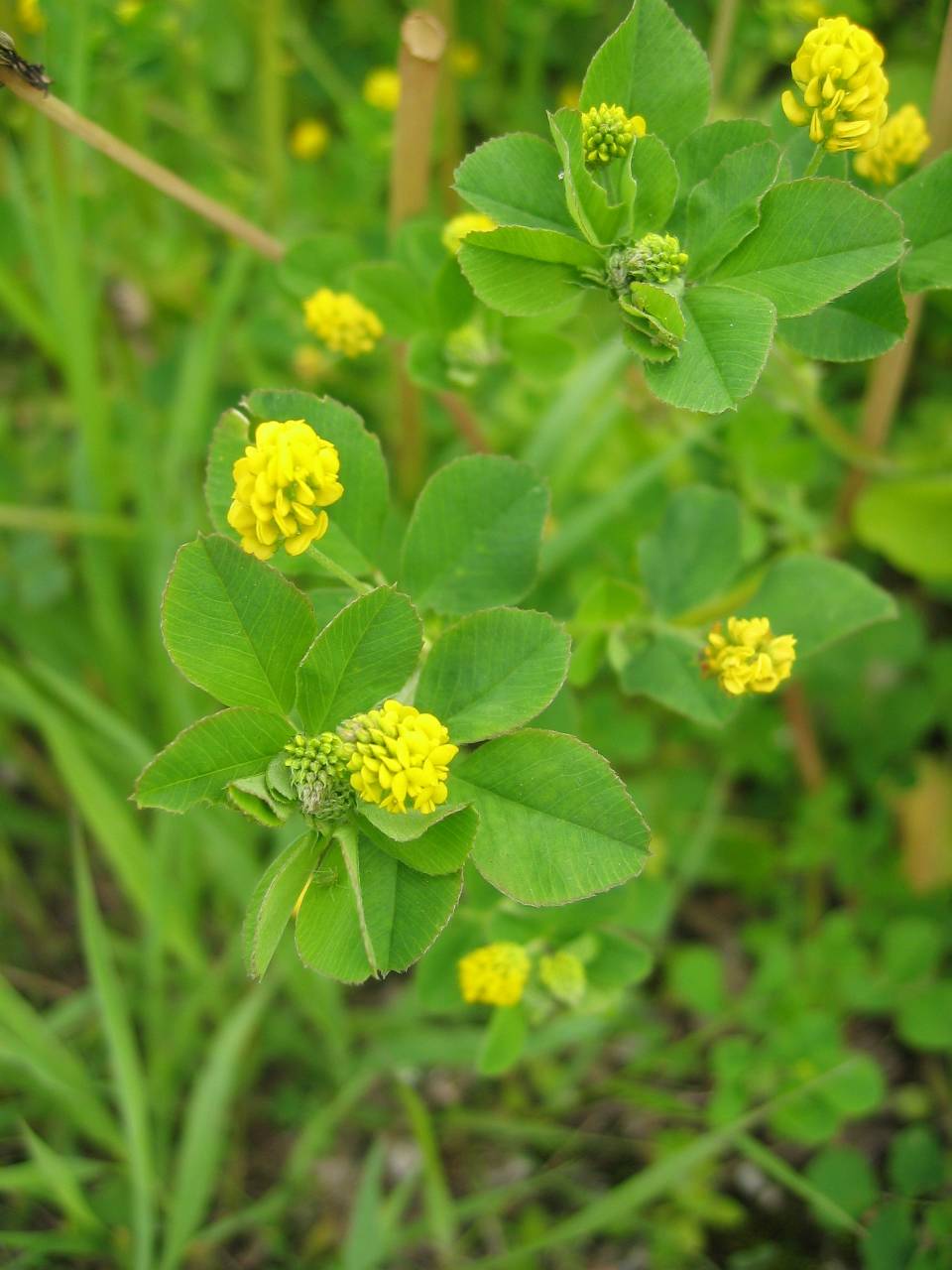
Days Shamrock is marked
Questions people ask about Shamrock
When is Shamrock marked?
Shamrock is kept as part of St Patrick's Day, which is on Wednesday, 17 March 2027.
What is a shamrock?
It is a small clover with three leaves, used as a symbol of Ireland and worn on St Patrick's Day. English took the word from Irish seamróg, which means young clover. People do not agree on which species it is.
Which clover is the real shamrock?
There is no consensus. In two surveys, one in 1893 and one in 1988, about half of the people who replied named lesser clover and about a third named white clover. The rest chose red clover, black medick, wood sorrel or another plant.
Why is the shamrock linked to Saint Patrick?
Tradition says he used its three leaves to teach the Holy Trinity when he brought Christianity to Ireland in the fifth century. The earliest evidence of a link is a coin of 1675. The story in writing appears only in 1726.
What does drowning the shamrock mean?
It is a toast, not a food. After mass on St Patrick's Day, men were excused from the fasting of Lent and went to a tavern to drink St Patrick's Pot, dipping the shamrock in whiskey. Two writers, in 1607 and 1630, seem to mention it.
See also
 Jack-o'-lanternA carved pumpkin lantern lit with a candle to brighten and protect Halloween nights
 Brigid's crossA cross of woven rushes or straw, made for Saint Brigid's Day on the first of February
 Sweat lodgeA purification ceremony kept by Indigenous peoples of the Americas using a heated hut and steam.
 St John's EveBonfires, feasting and worship on the short night before John the Baptist's feast
Good reading and sources
- BBC NEWS | UKBBC, Article
- Article 6terWIPO, Article
- BBC NEWS | UKBBC, Article
- Article 6terWIPO, Article
- Shamrock on WikipediaEncyclopedia
- More photos on Wikimedia CommonsPhotos and video
- Wikidata recordOpen data
The facts on this page come from the Wikipedia article "Shamrock", written by its contributors and used under the CC BY-SA 4.0 licence, and from its Wikidata record (CC0). EveryParampara rewrote the text in its own words, with AI assistance, and compares every page with the article to make sure no passage is copied. It may be reused under the same CC BY-SA 4.0 licence with a link back.
It may contain mistakes. Traditions differ from one family, village and community to the next, and the people who keep them know them best. If something is wrong, tell us. Last refreshed 2026-10-05.
More from Ireland
All the traditions of Ireland
🇮🇪 Ireland and 2 moreJack-o'-lantern
A carved pumpkin lantern lit with a candle to brighten and protect Halloween nightsFolklore
🇬🇧 United Kingdom and 4 moreTelling the bees
A Western European custom of informing honeybees about major household events like deaths and weddings.Folklore
 🇮🇪 Ireland and 5 moreFairy ring
A natural ring of mushrooms formed by fungal growth, surrounded by folklore across Europe and beyond.Folklore
🇮🇪 Ireland and 5 moreFairy ring
A natural ring of mushrooms formed by fungal growth, surrounded by folklore across Europe and beyond.Folklore
 🇬🇧 United Kingdom and 3 moreSelkieselkie fowk
The seal shapeshifters of Scottish and northern island folkloreFolklore
🇬🇧 United Kingdom and 3 moreSelkieselkie fowk
The seal shapeshifters of Scottish and northern island folkloreFolklore
The same idea elsewhere
Healing, luck and protection compared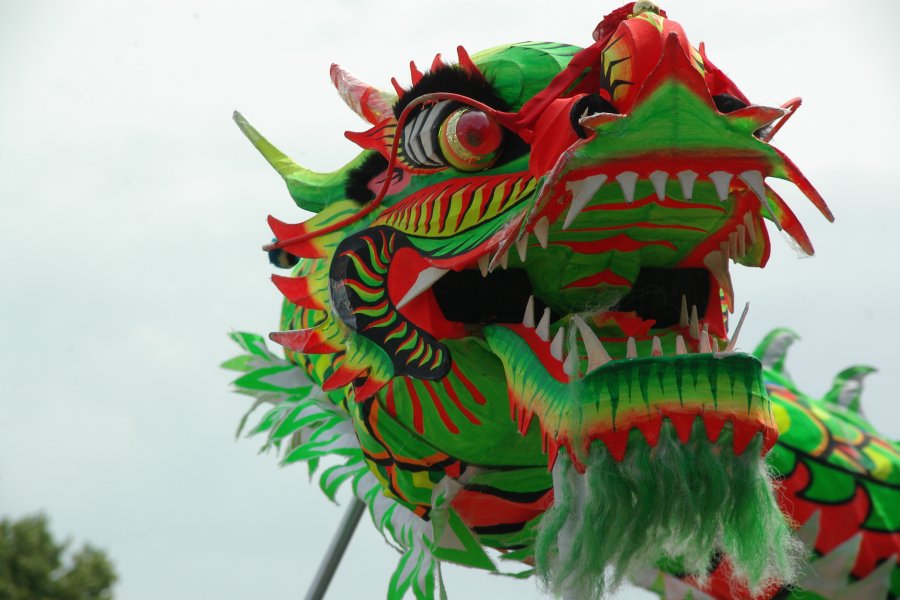 🇨🇳 China and 3 moreDragon dance舞龍 / 舞龙
A long dragon puppet on poles, danced by a team at Chinese New Year and other festivalsPerformance
🇨🇳 China and 3 moreDragon dance舞龍 / 舞龙
A long dragon puppet on poles, danced by a team at Chinese New Year and other festivalsPerformance
 🇺🇸 United States and 4 moreFriday the 13th
A Western folk superstition regarding the unluckiness of a Friday falling on the 13th.Folklore
🇺🇸 United States and 4 moreFriday the 13th
A Western folk superstition regarding the unluckiness of a Friday falling on the 13th.Folklore
 🇮🇳 India and 4 moreWater lantern
Small lamps floated on water to honour the dead and ask for good fortuneFestival
🇵🇬 Trobriand Islands, Papua New GuineaTrobriand cricket
Cricket as played in the Trobriand Islands, with chants, dances and a feastGame
🇮🇳 India and 4 moreWater lantern
Small lamps floated on water to honour the dead and ask for good fortuneFestival
🇵🇬 Trobriand Islands, Papua New GuineaTrobriand cricket
Cricket as played in the Trobriand Islands, with chants, dances and a feastGame